


TL;DR
- Move away from gut feelings and use real-world supply-and-demand data.
- Identify where the talent is located to reduce time-to-hire.
- Understand what your competitors are paying and offering.
- Optimize your recruitment spend by targeting the right markets.
Hiring today can feel overwhelming. You are not just looking through a small pool anymore, and many teams compete for the same people. Recruiters also deal with rising costs and candidates who disappear because they still depend on old habits and guesswork. When there is no clear view of what is happening in the market, talent market analytics goes unused, and teams end up stuck with open roles and high turnover that waste time and money.
The better way forward is to move from last-minute hiring to a plan built on real numbers. With talent analytics, you can see where strong candidates are and what they look for in a job. Using talent data analytics also means each hiring choice is based on facts, which helps teams hire with more confidence and fewer surprises.
What Is Talent Market Analytics?

At its core, talent market analytics means using labor market data to guide how you plan and fill your open roles. It does more than track who clicked on your job ad. It looks at the wider group of people who could fill the role, whether they live nearby or across the world. This helps recruiters see where hiring will be easier and where it may be more competitive.
By using talent analytics platforms, organizations can track everything from geographic talent density to emerging skill sets. This process involves talent tracking of industry trends and movement, helping you understand not just who is looking for work, but who might be open to a move if the right offer comes along. It turns “hiring” into a science by blending HR and data analytics challenges with actionable solutions.
Talent Map Explorer
Why Talent Market Analytics Matters in Hiring

ManpowerGroup found that 74% of employers struggle to find the people they need, which shows that old hiring methods are no longer doing the job. Talent market analytics allows you to stay ahead of the curve by providing a realistic view of the “Total Addressable Talent.”
Using talent data takes the guesswork out of pay ranges and helps you offer what strong candidates really want. It also helps with workforce planning and analytics by pointing out where skills may be missing before those gaps start to cause trouble.
Companies that use these insights can adjust faster when the market or their industry starts to change.
Hiring Weather Report
Key Talent Market Metrics Recruiters Should Track
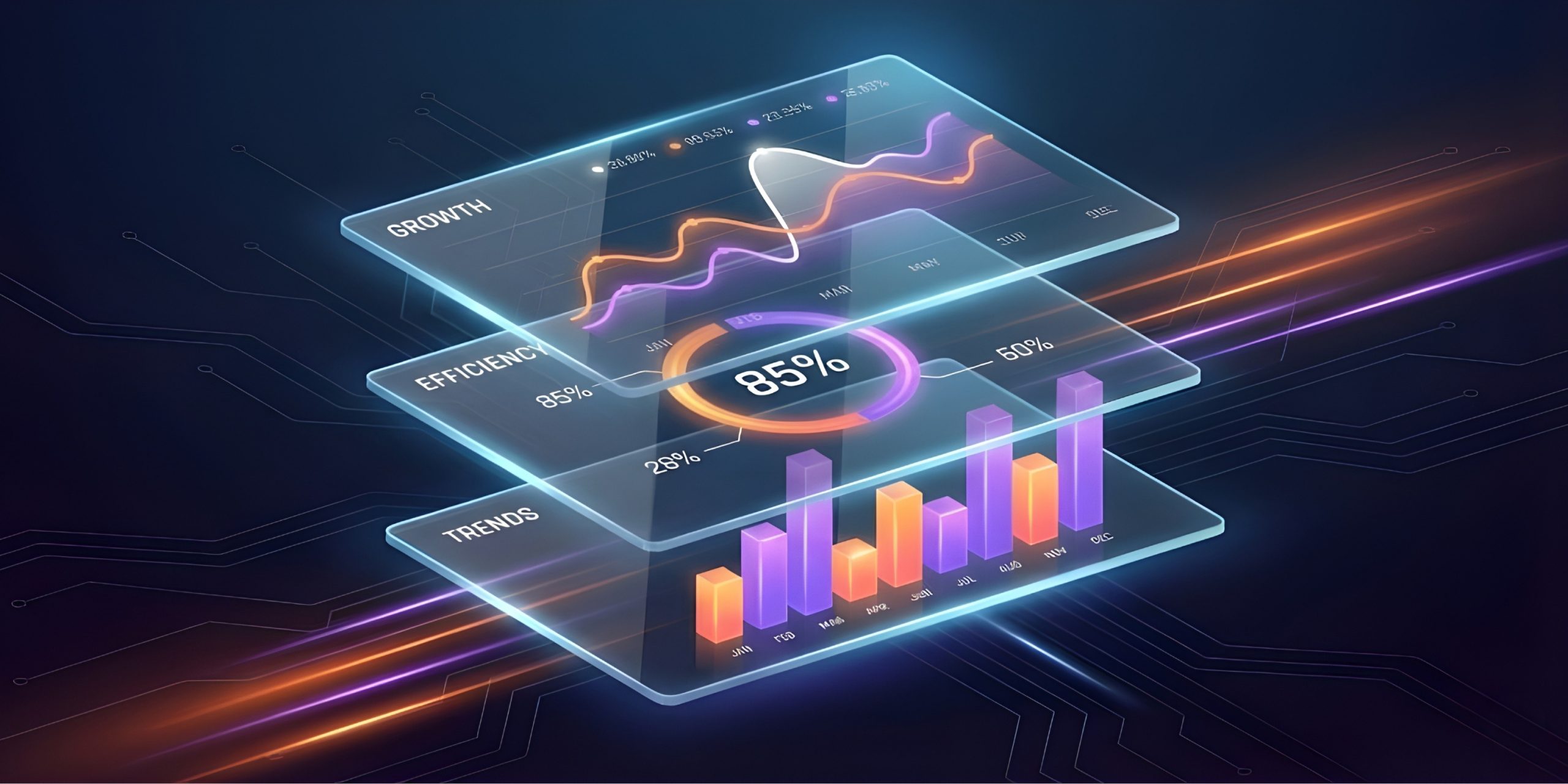
To get the most out of your data, you need to know which numbers actually move the needle. Here are the essential metrics to monitor:
- Talent Density: Where are the largest groups of specific skills found, such as Python developers in Austin compared to Berlin?
- Supply vs. Demand Ratio: How many open roles exist for a specific title compared to the number of qualified professionals available?
- Compensation Benchmarks: What are the 25th, 50th, and 75th percentiles of pay for a role in a specific region?
- Attrition Rates by Competitor: Which companies are losing talent, and why? This is a key part of real-time hiring analytics.
- Diversity Representation: Understanding the demographic breakdown of a talent pool to ensure your DE&I goals are realistic and achievable.
Organizations that effectively use talent data see significant improvements in quality of hire and reductions in cost-per-hire.
How to Use Talent Market Analytics for Hiring (Step-by-Step)

Define Your Sourcing Persona
Begin by listing the skills and background you are looking for. Then use talent data analytics to check how many people in the market already have those skills.
Analyze Geographic Hotspots
Look at different regions using talent data analytics to see where more skilled workers are based and where competition for them is lower.
Benchmark Compensation
Look at current pay ranges before you post the job. If your offer sits below the 50th percentile in a tight market, many candidates will pass on it.
Monitor Competitor Movement
Keep an eye on other companies through talent tracking to spot those that are slowing their hiring. This can help you find experienced people who may be open to a more stable role.
Adjust and Iterate
Market conditions change monthly. Review your data regularly to ensure your sourcing strategy still aligns with reality.
Common Mistakes When Using Market Analytics

While talent market analytics is powerful, it’s easy to fall into a few common traps. The first is “Data Silos,” which refers to only looking at external data without comparing it to your internal hiring success rates. You need to know if the candidates you find through these analytics actually stay with your company.
Another mistake is ignoring qualitative data. Numbers tell you what is happening, but they don’t always tell you why. For instance, a high supply of talent in a certain region might be due to a lack of local industry growth, meaning those candidates might be looking to relocate as soon as they get a chance.
Many teams also get stuck spending too much time reviewing talent tracking reports and miss their chance to contact strong candidates.
Data Trap Challenge
How AI Turns Market Data Into Hiring Action

AI plays a big role in making talent market analytics easier to use at scale. Not long ago, recruiters had to dig through job boards and reports by hand to spot trends. Now, talent analytics platforms can scan huge amounts of data in moments and help teams see what is coming next.
For example, AI can point out which new skills your team may need in a few years from now based on where your industry is heading. Companies that use deeper data tend to do a better job of hiring and keeping the right people.
AI also powers real-time hiring analytics by flagging when a competitor changes their hiring patterns, allowing your team to react instantly. This automation removes the guesswork, letting your recruiters focus on what they do best: building relationships.
Talent Market Analytics vs. Traditional Hiring

Traditional hiring is largely reactive. A manager realizes they have an open seat, a recruiter posts a job description and everyone waits for the applications to roll in. This “post and pray” method is increasingly ineffective in a candidate-driven market. It often leads to high “Cost-per-Hire” and long “Time-to-Fill” metrics because you are only reaching active seekers.
In contrast, a strategy built on talent market analytics is proactive. You aren’t just looking for people who are looking for you; you are identifying the entire talent landscape. This allows you to engage passive candidates who have the exact skills you need.
Research shows that companies using people data see about a 25% lift in business productivity. When teams start with data, hiring becomes more than filling roles and turns into a true partner in growing the business.
Post and Pray vs Plan It Arena
Conclusion
Using talent market analytics is no longer just for large tech companies. It has become important for any business that wants to keep up. When you shift from gut feelings to real data, you can cut hiring costs, bring in better people, and build a stronger team.
The future of recruitment is digital, automated, and deeply informed by talent data. Now is the perfect time to audit your current hiring tools and see where analytics can fill the gaps in your strategy.
FAQs