


TL;DR
- Empathy and active listening are non-negotiable for high customer satisfaction.
- Hiring now focuses on the skills employers look for, led by emotional intelligence.
- Tech tools now pre-identify call center qualities before the first interview.
- Call center soft skills training must be an ongoing process, not a one-time event.
In many support centers today, hitting system targets matters more than having a real talk with the customer. This often leads to high staff turnover and unhappy callers because call center soft skills get pushed aside in favor of speed. When agents only learn how to use tools and not how to connect with people, customers end up feeling ignored.
The better path is to bring the focus back to people. When teams work on call center representative skills like listening and staying calm, then each call feels more helpful. Teaching how to be a good call center agent also means showing how to solve problems while making the customer feel heard.
Why Soft Skills Matter in Call Centers

Soft skills are a fundamental driver of revenue. Recent data shows a near-universal consensus on this, with 97% of consumers and 98% of contact center managers agreeing that the quality of service interactions directly dictates whether a customer remains loyal to a brand. When an agent possesses the right call center qualities, then they can de-escalate volatile situations, reducing the need for supervisor intervention and lowering the cost per interaction.
Furthermore, a positive contact center environment thrives when agents feel confident in their ability to communicate. Agents feel more stress when they are not ready to deal with tough callers. Strong call center communication helps lower burnout and keeps teams steady and able to do their jobs well.
Call Impact Meter
What Are Soft Skills in a Call Center Context?
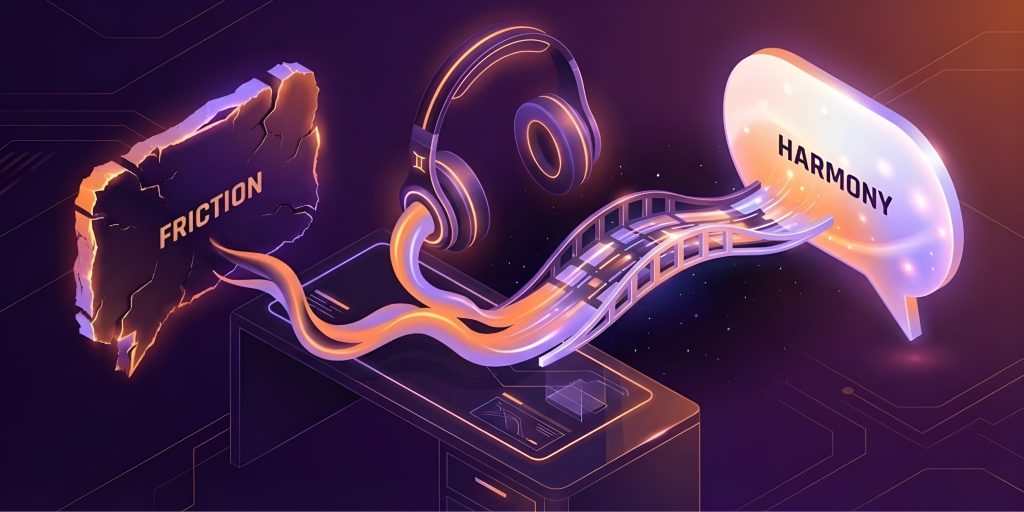
Soft skills are the people skills that shape how an agent talks, listens and responds when helping a customer. While “hard skills” might include typing speed or CRM proficiency, call center representative skills involve the “how” of the interaction. It is the difference between a robotic script reading and a helpful, human-led conversation.
These skills are especially critical because, unlike face-to-face service, phone-based support relies entirely on voice and tone. Agents must master customer service telephone training to pick up on verbal cues that indicate frustration or confusion, ensuring they can pivot their approach in real-time to meet the customer’s emotional needs.
Tone Translator
Essential Call Center Soft Skills Agents Must Master
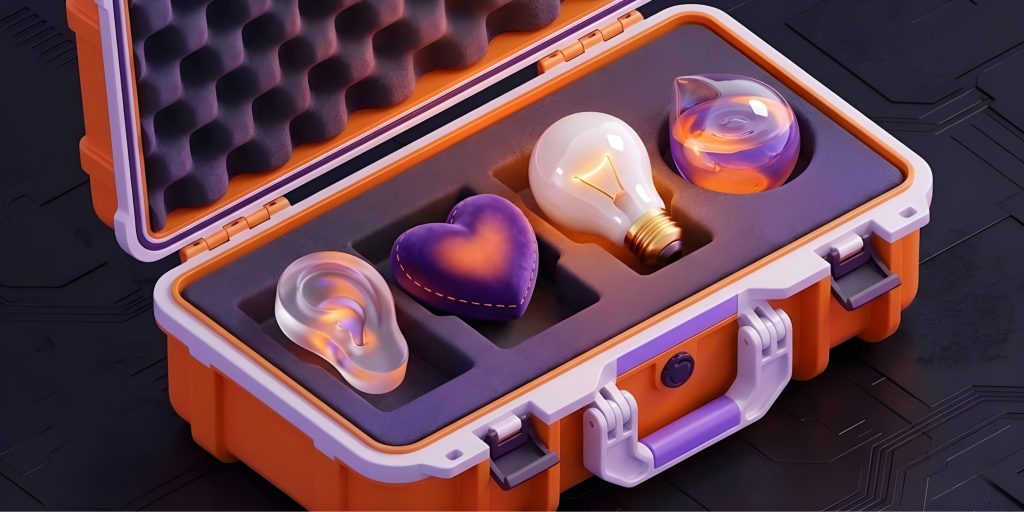
To excel in today’s demanding landscape, there are several core competencies every agent needs. First and foremost is call center communication. This involves not just speaking clearly, but also the ability to convey complex instructions in a way that is easy to digest for a non-technical audience.
Other vital call center rep skills include:
- Active Listening: This is to understand the underlying issue and make the customer feel heard.
- Emotional Resilience: This is the ability to stay calm and helpful even after back-to-back difficult calls.
- Problem-Solving: Developing creative solutions when the standard “playbook” does not quite apply to the customer’s unique situation.
Mastering these customer service phone skills is what separates an average representative from a top performer. When agents possess deep call handling experience, they can navigate various customer personas with ease. This ensures a consistent brand voice across every interaction.
Agent Skill Wheel
Soft Skills vs. Technical Skills in Call Centers

There is often a debate in the industry: is customer service a hard or soft skill? To answer this, we must look at the components. Technical mastery of a product is a hard skill, but the delivery of that knowledge is a soft skill. Many experts now argue that soft skills are the new hard skills because technical knowledge can be taught quickly, whereas emotional intelligence takes years to cultivate.
The question of whether customer service is a soft skill or a hard skill is ultimately a matter of balance. However, in a contact center environment, the “soft” side usually has a bigger impact on customer sentiment. One survey showed that 59% of customers feel brands are becoming less human, which points to a real need for stronger soft skills for sales and support.
Call Outcome Split Test
How Employers Assess Call Center Soft Skills
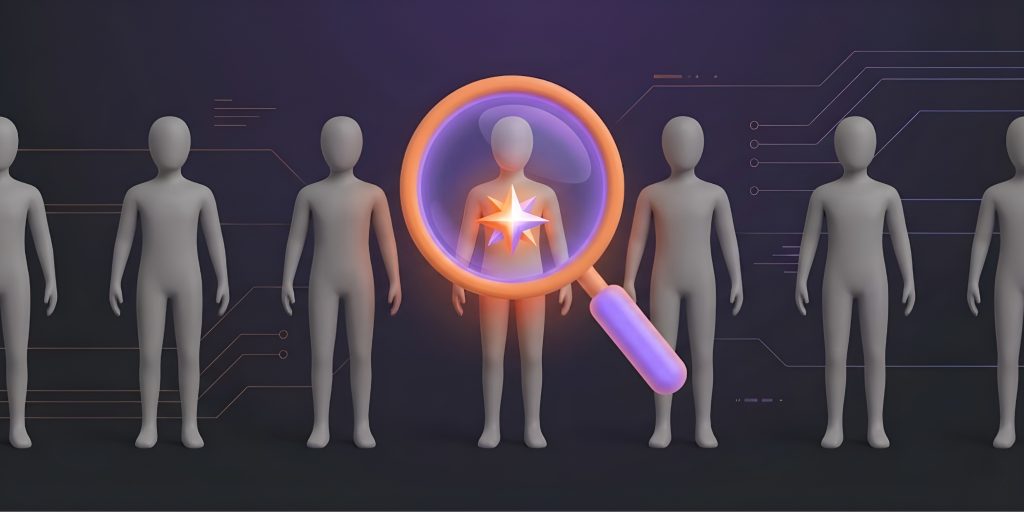
Identifying these traits during recruitment is a major challenge. Many hiring managers are now using specific questions to assess soft skills that go beyond basic work history. Instead of asking what a candidate did, they ask “how” they handled a specific emotional situation, looking for evidence of the top 5 skills employers look for: communication, empathy, reliability, adaptability, and problem-solving.
To get a true sense of a candidate’s customer service phone skills, many organizations use simulated role-play. This allows recruiters to evaluate the candidate’s natural tone and their ability to stay composed. By focusing on these call center qualities early, companies avoid the “bad hire” trap and ensure the candidate is a good fit for the fast-paced nature of the job.
Interview Simulator
- Names the customer emotion without blaming
- Explains one clear next step
- Uses calm words and steady pacing
Developing Soft Skills After Hiring
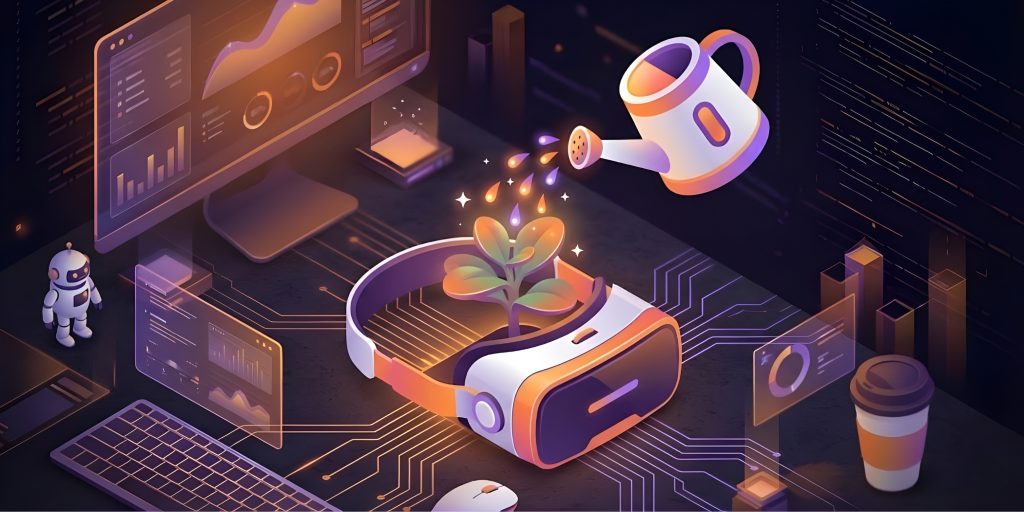
Growth shouldn’t stop at the job offer. Effective contact center agent training should be a continuous cycle. Using call center training ideas like “gamification,” where agents earn points for demonstrating empathy or de-escalating calls, can make the learning process engaging.
Managers should also host regular sessions on soft skill training topics such as The Art of Saying No or Handling High-Conflict Personalities. Many companies are putting more time and money into training, and the strongest teams are paying special attention to call center soft skills training to keep their agents confident and customer-focused.
Conclusion
As tools become more alike, people are what still set companies apart. Strong call center soft skills help turn everyday support teams into groups that keep customers coming back.
When you focus on call center representative skills in hiring and keep building them through soft skill training topics, your team becomes better prepared for tough situations. A good next move is to look at your current training and see if your agents are getting the people skills they need to do well.
FAQs