


TL;DR
- Subsidized apartments or housing allowances are common.
- Teaching, engineering, and manufacturing roles often include housing.
- You can save $2,000–$4,000 in upfront rental and deposit costs.
- Recruiters prioritize candidates who plan to stay long-term.
- You typically have 1–2 weeks to move out if you leave your job.
The idea of moving to Japan sounds exciting until people run into the reality of the rental system. Needing a local guarantor and paying high upfront fees like reikin makes renting from abroad very hard. Many people ask, “Can I move to Japan without a job?”, but while you can enter as a tourist, you cannot legally live in Japan or sign a long term lease without the right visa and steady income.
The easiest way to avoid these problems is to land a moving to Japan job that includes housing before you fly. When an employer supports your visa and helps with a place to live, the hardest parts of the move are already handled. This blog explains how to move to Japan with fewer surprises, covering what to expect, what it costs, and the steps needed to relocate to Japan and settle in comfortably.
What “Job With Housing” Means in Japan
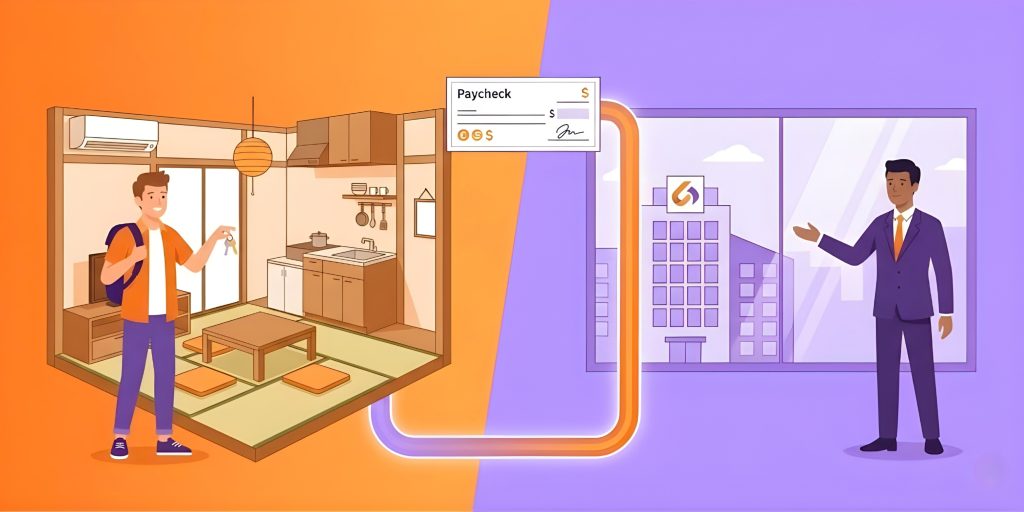
When you look for a moving to Japan job that includes housing, it generally falls into two categories: Leased Apartments or Housing Allowances. In the first scenario, the company rents an apartment in its name (Minkan Shakuya) and deducts a subsidized rent directly from your paycheck. In the second, they provide a “Housing Allowance” (jutaku teate) on top of your base salary to help you cover a place you find yourself.
For an American moving to Japan, the “Leased” option is often better because it eliminates the need for a Japanese guarantor, a role usually filled by a local relative. If you are wondering, “How can I move to Japan with minimal stress?”, look for “Company Dormitories” (shansha) or subsidized apartments, which are common in corporate culture to ensure employees live near their workplace. Note that while rent in Tokyo is high, it is often cheaper than comparable space in New York or San Francisco.
Savings on Upfront Costs
One of the primary advantages of a moving to Japan job that includes housing is the reduction of move-in fees. In a standard Japanese rental contract, tenants are often expected to pay 5 to 6 months of rent upfront. This includes the security deposit (shikikin), key money (reikin), agent fees, and advanced rent.
Choosing employer provided housing can help an expat avoid paying $2,000 to $4,000 upfront. A small studio in Tokyo can require move in costs over ¥400,000, which is about $2,700, before you even get the keys. Many companies that offer housing assistance either waive these fees or pay them on the employee’s behalf as part of a relocation package.
Quick Quiz: Job With Housing in Japan
Answer 4 questions. You will see your score at the end.
Roles Most Likely to Include Housing
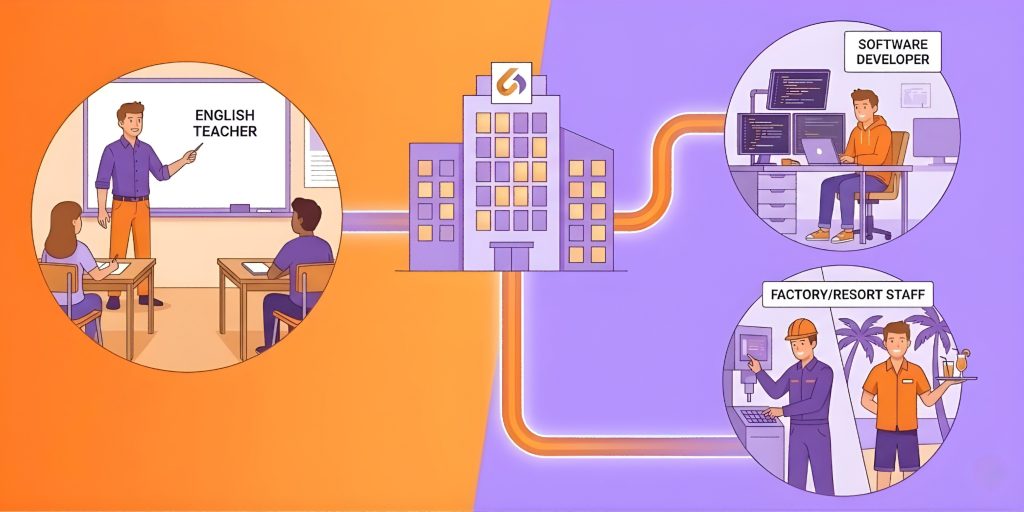
Not every industry offers accommodation, but certain sectors are built around international recruitment. If you want to know how to live in Japan as an American, these are your best bets:
- English Education: Assistant Language Teachers (ALTs) and Eikaiwa (language school) teachers almost always get housing assistance.
- Engineering & IT: With Japan’s tech talent shortage, many firms offer relocation packages to source diverse candidates, which improves retention rates, as these hires feel more supported during their transition.
- Hospitality & Ski Resorts: These often provide “Dorm-style” living, especially in Niseko or Hakuba.
Finding these roles is the most reliable way for those asking how to move to Japan permanently to get their foot in the door.
Pros & Cons of Employer Housing
Pros:
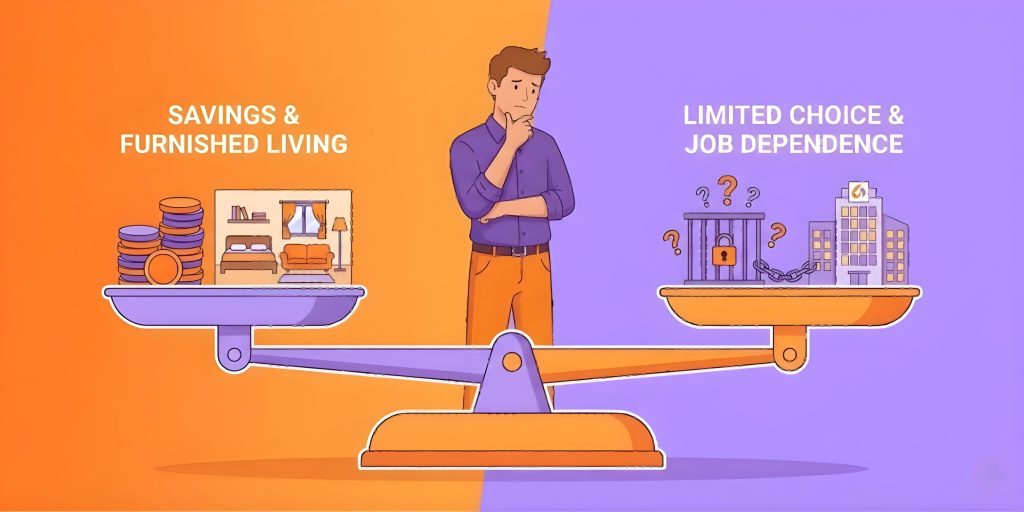
- Lower Initial Investment: You avoid “Key Money” and “Agent Fees,” which can equal 3–5 months of rent.
- Furniture Ready: Many expat-focused roles provide “Leopalace21” units, which come pre-furnished with a bed, microwave, and fridge.
- Easier Approvals: You don’t have to worry about the question, “Can Americans move to Japan and be accepted by picky landlords?”; the company handles the lease.
Cons:
- Lack of Choice: You might be placed in a “cookie-cutter” apartment far from the city center.
- Tax Implications: In some cases, the housing benefit is considered taxable income.
- Job Dependence: Your home is tied to your employment.
Hidden Costs Expats Miss

Even with a moving to Japan job that includes housing, it is rarely “free.” According to 2023 data, the average monthly rent for a single room apartment in Tokyo is approximately ¥50,000 to ¥70,000 ($470–$650 USD), but utilities are often separate.
Expats often miss:
- Maintenance Fees (Kanrihi): Usually ¥5,000–¥10,000 per month.
- Utility Deposits: Even if rent is covered, you may need to pay to set up electricity, water and high-speed internet.
- Furniture Rental: If the unit is “semi-furnished,” you might still need to buy a washing machine or curtains (which are rarely included in Japan).
Knowing how expensive it is to move to Japan requires looking beyond the plane ticket; you should have at least $3,000 in savings for these “hidden” startup costs. It is also worth noting that the minimum “healthy” living space for a single person is 25 square meters, though many company apartments may be slightly smaller, around 19–20 sqm.
What to Confirm Before Signing
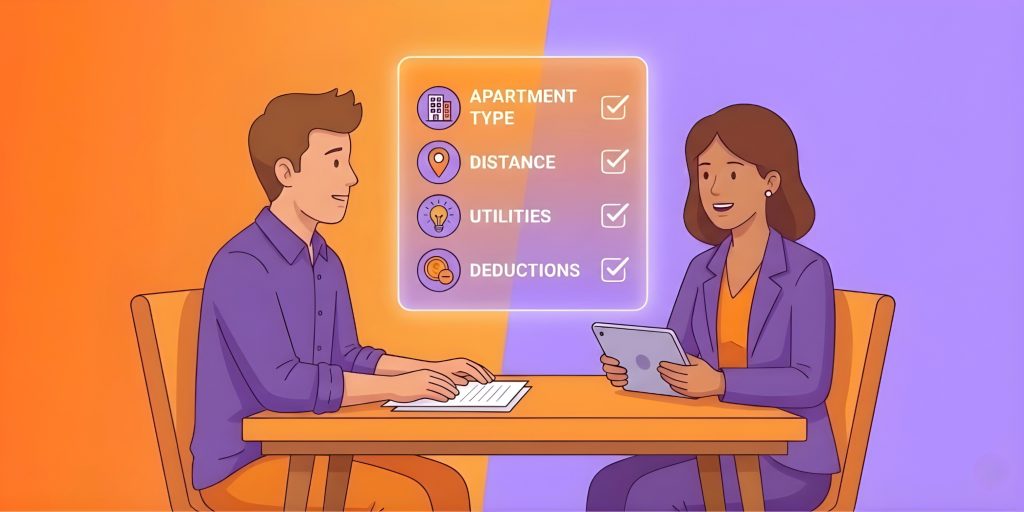
Before you commit to a moving to Japan job that includes housing, you must ask specific questions during the interview. To prepare, you should study interview dos and don’ts specific to Japanese culture, such as punctuality and the “soft” communication style.
Ask the recruiter:
- Is the housing a “dormitory” or a “private apartment”?
- What is the exact monthly deduction from my salary?
- Is the apartment within walking distance of the office or school?
- Are the utilities included in the subsidized price?
How Recruiters Assess Relocation Risk
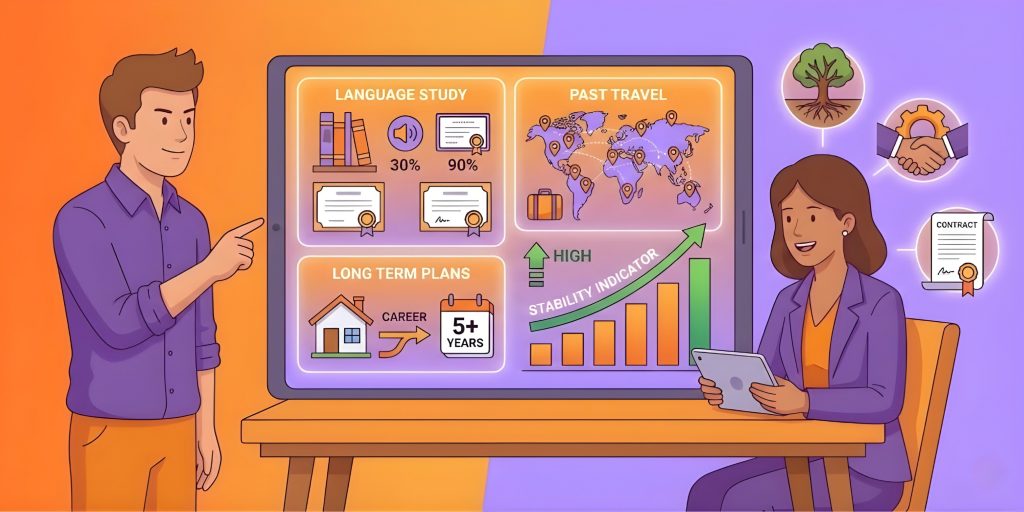
Companies investing in your housing are taking a financial risk. They use a specific candidate-attraction strategy to find people who won’t quit after 3 months. They want to know how to stay in Japan long term, which is part of your actual life plan.
Recruiters look for:
- Ties to Japan: Have you studied the language? Have you visited before?
- Resilience: Can you handle the “culture shock” of living in a 20-square-meter apartment?
- Financial Stability: Even with housing, they want to see that you can manage the cost of living.
For a US citizen moving to Japan from USA, showing a commitment to learning Japanese (JLPT goals) is the best way to prove you are a low-risk hire. Keep in mind that how long can a US citizen stay in Japan without a work visa is only 90 days as a “Temporary Visitor”; to stay longer, you must secure a Certificate of Eligibility (COE) through your employer.
Conclusion
Moving to Japan from US locations is a life-changing decision that requires more than just a plane ticket; it requires a roof over your head. Finding a moving to Japan job that includes housing is the single best way to lower the barrier to entry and ensure a smooth transition into Japanese society.
When you take time to learn how housing works, expect a few extra expenses and prove you are dependable, living in Osaka or Tokyo starts to feel possible instead of distant. If you are asking how to live in Japan, start by looking for companies that welcome international workers and help them settle in.
FAQs