


TL;DR
- A Bachelor’s degree in any subject is mandatory for a work visa.
- Entry-level salaries range from ¥230,000 to ¥280,000 per month.
- Roles include public school ALTs or private school instructors.
- Major hiring seasons occur in April and September/October.
- Benefits include health insurance, pension and commuting allowances.
Thinking about moving to Japan, but unsure how you would support yourself? A lot of people hit a wall once they start looking at jobs. This happens mainly because of the language gap and visa rules. What holds them back is not the move itself, but finding reliable work that pays well and lets them enjoy life in Japan without speaking perfect Japanese.
There is a simpler path than most people expect. Teaching jobs in Japan are one of the easiest ways for English speakers to get started. From busy Tokyo neighborhoods to small rural towns, the need for teachers in Japan stays strong year after year. This blog explains the main teaching positions in Japan, typical pay, and the steps to take when applying for your first role.
Types of Teaching Jobs in Japan
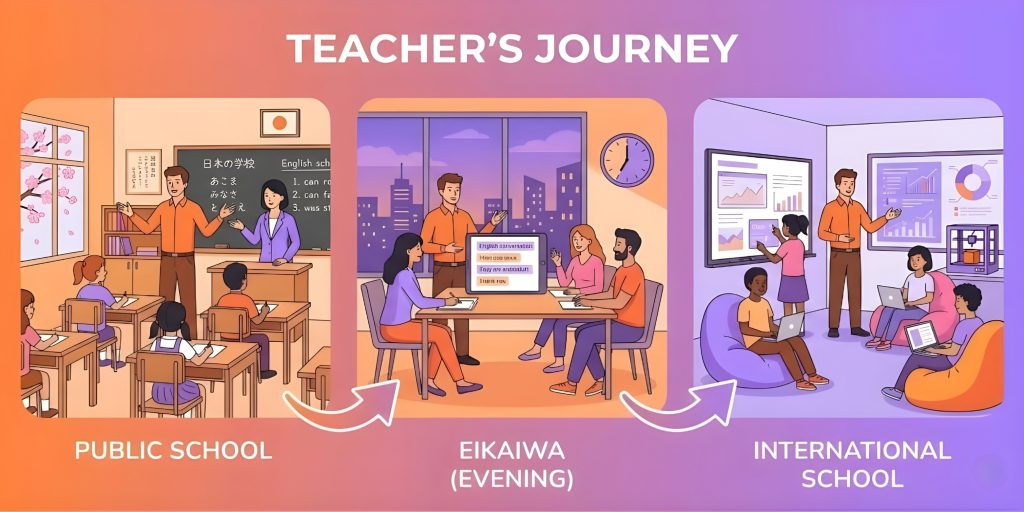
When exploring teaching opportunities in Japan, you’ll find that the market is primarily divided into three categories. Understanding these is crucial to your sourcing-diverse-candidates strategy as you look for the right fit.
- Assistant Language Teachers (ALTs): You work in public elementary, junior high, or high schools alongside a Japanese teacher. This is the most popular route for those seeking a standard “9-to-5” weekday schedule.
- Eikaiwa (Conversation Schools): These are private businesses that offer English lessons outside of regular school hours. You will often work evenings and weekends, teaching students ranging from toddlers to retirees.
- International Schools & Universities: These are the most lucrative teaching jobs in Japan, but they require the highest qualifications such as a Master’s degree or a valid teaching license from your home country.
Pick Your Japan Teaching Path RPG
Minimum Requirements for Teaching Jobs in Japan
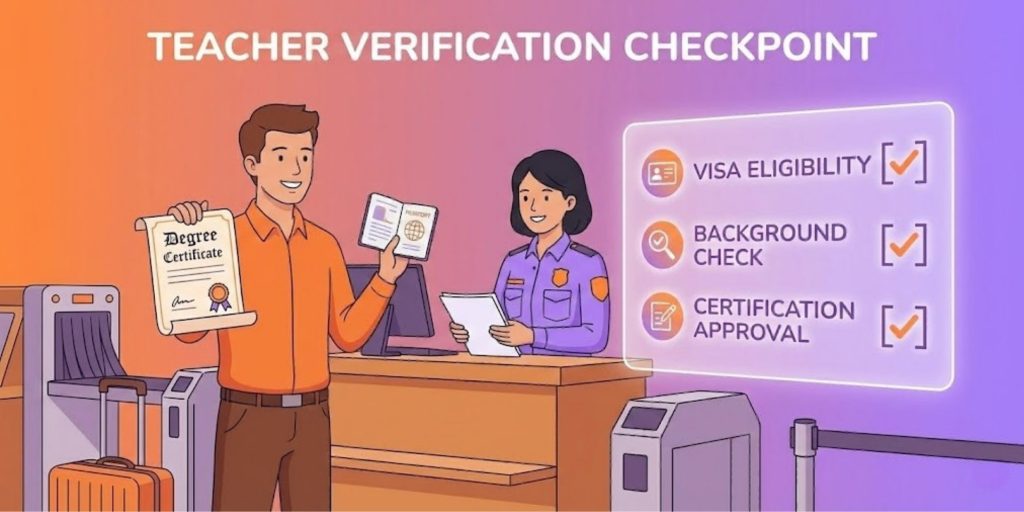
To secure an English teacher hiring in Japan, you must meet several legal and professional standards. While Japan is welcoming, its immigration laws are strict regarding the English teachers wanted in Japan.
- Bachelor’s Degree: This is non-negotiable for a work visa. It can be in any field; it doesn’t have to be in Education.
- Native-Level English: Most employers require you to have been educated in an English-speaking country for at least 12 years.
- TEFL/TESOL Certification: While not always a legal requirement, having a 120-hour certificate makes you much more competitive for TEFL jobs in Japan.
- No Criminal Record: You will be required to provide a background check during the visa application process.
Visa Gate Escape Room
Drag the right items into the 4 locks to open the gate. Decoys do nothing.
Pay and Benefits Breakdown
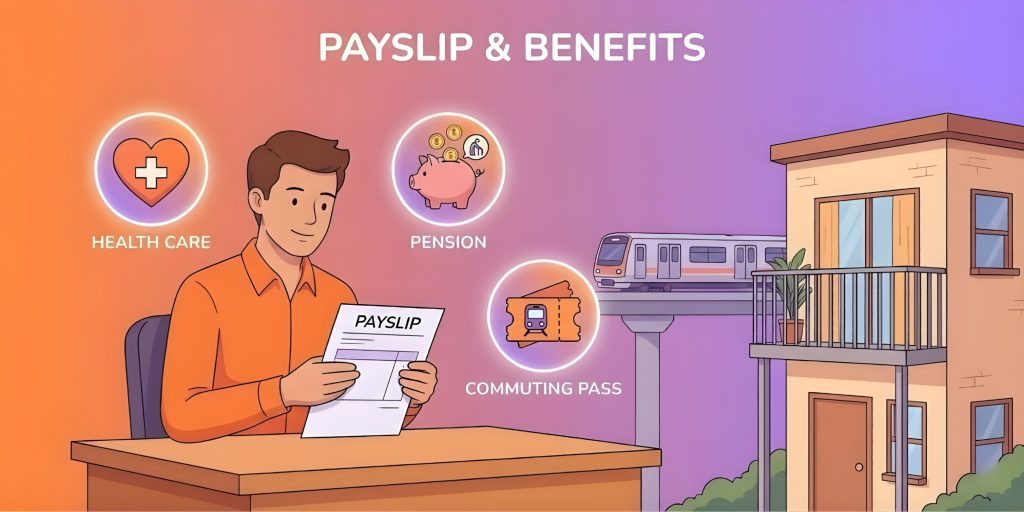
One of the most common questions is: "What is the actual salary for English teaching jobs in Japan?" According to recent 2024-2025 industry data, entry-level teachers can expect a monthly salary between ¥230,000 and ¥280,000.
| Job Type | Average Monthly Salary | Key Benefits |
| JET Programme | ¥280,000 (Year 1) | Flight reimbursement, full insurance |
| Dispatch ALT | ¥215,000 – ¥255,000 | Commuting allowance, visa sponsorship |
| Eikaiwa | ¥250,000 – ¥275,00 | Training, performance bonuses |
| International Schools | ¥300,000 – ¥600,000 | High stability, long holidays |
Source: GaijinPot Salary Survey 2024
Standard benefits usually include Shakai Hoken (Social Insurance), which covers health and pension. Most companies also provide a "Commuter Pass" allowance to cover your train costs to work.
Public vs. Private Schools
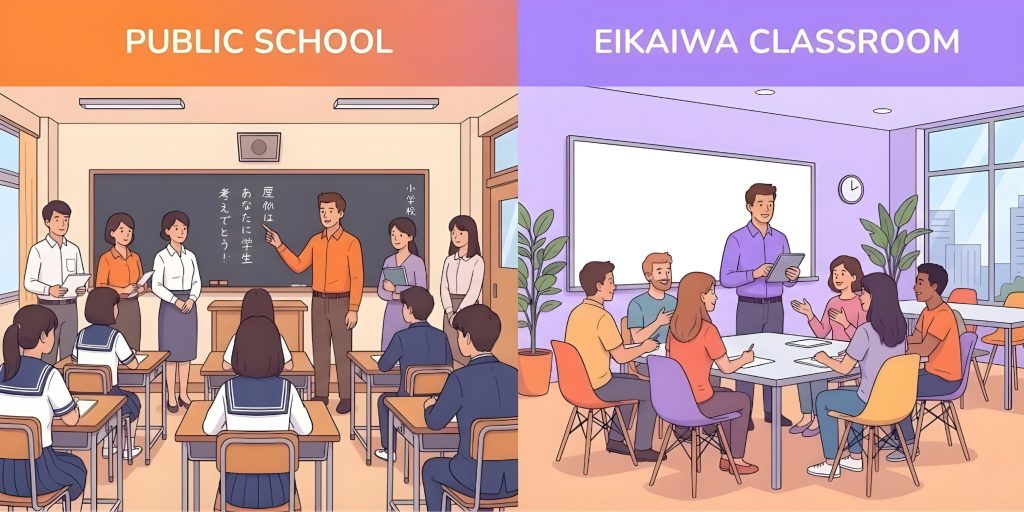
The debate between public school (ALT) and private school (Eikaiwa) roles is a classic one for teachers in Japan. Public schools offer the "real" Japanese experience with school lunches and sports days, while private schools often provide more structured curricula and modern facilities.
Public school ALTs usually enjoy more vacation time (aligned with school holidays), whereas Eikaiwa teachers may have a more social work environment with coworkers of similar ages. When looking for jobs teaching English in Japan, consider which lifestyle suits you better: the consistent schedule of a public school or the dynamic, late-start days of an Eikaiwa.
Common Mistakes New Teachers Make

Even the most prepared candidates can stumble. During the hiring phase, many fail to master the interview dos and don’ts specific to Japanese culture, such as forgetting to follow up with a thank-you note or dressing too casually.
Another mistake is failing to research the recruitment methods used by different companies. Some hire from overseas, while others only look for candidates already residing in Japan. Additionally, many new teachers underestimate the "startup costs." You will likely need about ¥300,000 to ¥500,000 to cover your first few months' rent, deposit and living expenses before your first paycheck arrives.
Mistake Minefield Game
Tap tiles to reveal mistakes. Then pick the best recovery move. Wrong picks raise Panic. Right picks raise Survival.
Conclusion
Many people look to ESL jobs that Japan provides as a way to build a real life there and not just pass through as a visitor. Teaching places you into daily routines with students and staff. It gives you a closer look at how communities work but competition means preparation still matters.
To get started, put time into shaping your resume and choosing schools that match your plans. From there, the move toward teaching in Japan begins with applying and seeing where it leads.
FAQs
Do I need teaching experience?
Is teaching in Japan well paid?
Does teaching include housing?