


TL;DR
- HR admin roles keep a company compliant and organized.
- HR operations frees up leadership to focus on long-term strategy.
- Precise administrator duties and responsibilities reduce legal risk.
- Automation shifts the HR admin job profile to strategic oversight.
Running a business means juggling many tasks at once, from money matters to client work. One common problem often sits in the background. Managing employee records, contracts, and compliance can slow everything down when systems are not in order. These issues affect more than morale. They can cause financial setbacks and legal issues that affect even well-managed companies.
A strong HR admin function helps bring order to daily people management. When HR and administration processes are handled well, employees are supported by clear systems instead of slowed by paperwork. A practical human resources administrator description centers on linking day to day tasks with broader business goals. This blog looks at how these roles turn routine work into real support for operations and human resources.
What an HR Admin Actually Does

So, what is HR admin in the modern workplace? At its core, an HR admin is the primary architect of the data for the employee lifecycle. While a manager might conduct the interview, the HR administrator’s responsibilities involve ensuring the offer letter is legally sound, the background check is completed, and the new hire’s data is correctly entered into the payroll system.
An HR and admin job description usually focuses on keeping company information accurate and up to date. This work covers core HR operational services like maintaining employee files, updating policies, and sharing internal information across teams. According to a report, nearly 60% of HR leaders are prioritizing leader and manager effectiveness, which is only possible when the HR administrator’s job duties are handled with professional precision, allowing managers to lead rather than push paper.
Behind the Scenes: HR Admin Simulator
Loading simulation…
Operational Tasks That Keep Businesses Running
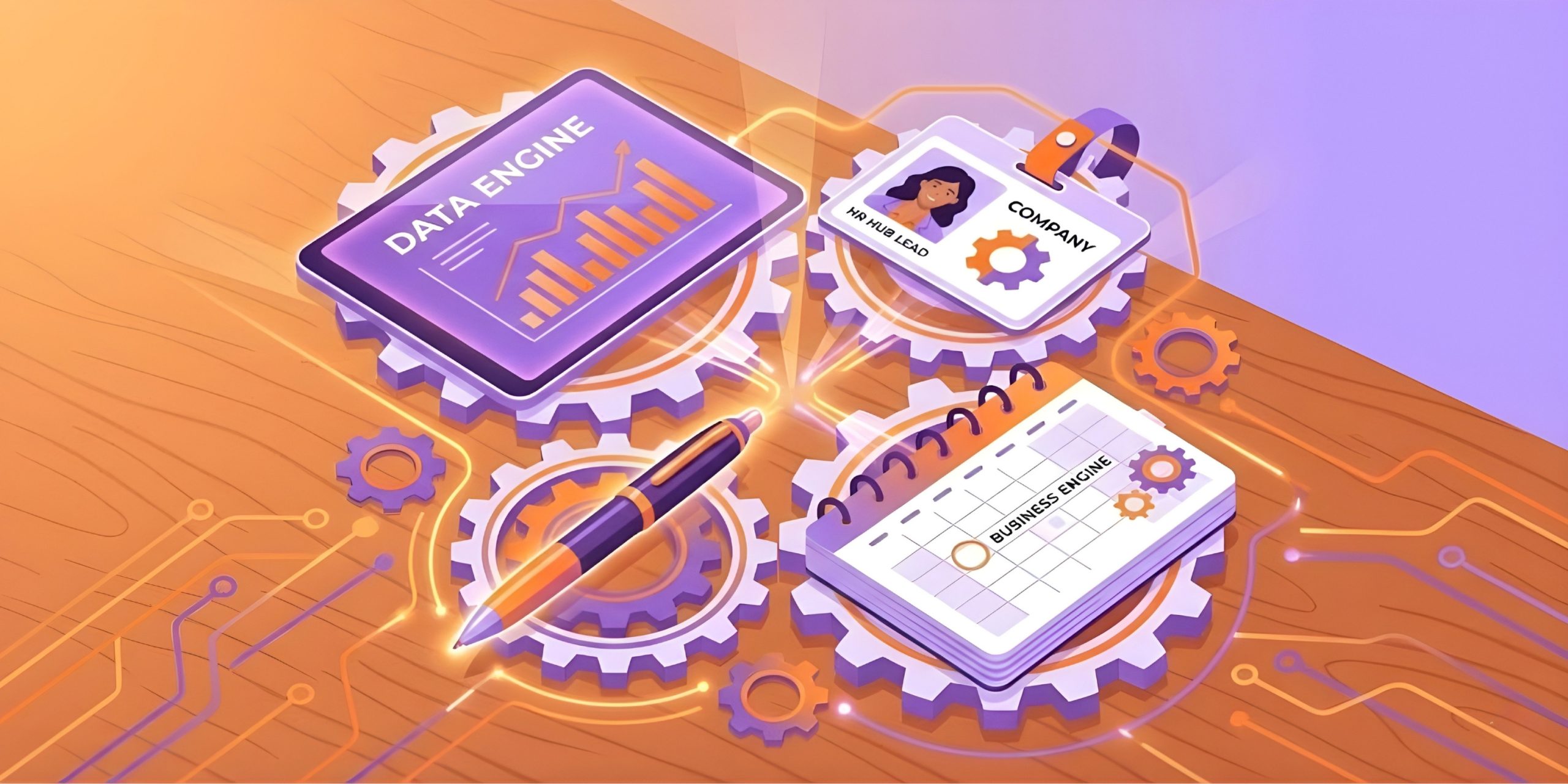
The distinction between administration and operations is often blurred, but in the context of people management, HR operations refers to the engine room of the company. These are the human resources administrator duties and responsibilities that happen behind the scenes to ensure stability.
Key HR operations duties include:
- Document Management: Keeping contracts, NDAs, and tax forms updated.
- Compliance Tracking: Ensuring the company follows local labor laws.
- Payroll Coordination: Acting as the link between attendance data and the finance department.
- Benefits Administration: Managing health insurance enrollments and leave requests.
When we look at what is HR ops, we are looking at the delivery of HR practical solutions to daily problems. For instance, implementing candidate engagement strategies is technically a recruitment goal, but the HR admin duties job description ensures the software used to track those candidates is functional, and the data is secure.
HR Operations Control Panel
Operational
100%
Payroll
Manages compensation and tax compliance.
Compliance
Ensures legal and regulatory standards.
Benefits
Health, retirement, and perks administration.
Records
Employee data and document integrity.
Recruitment
Tracking and pipeline management.
HR Admin vs HR Assistant
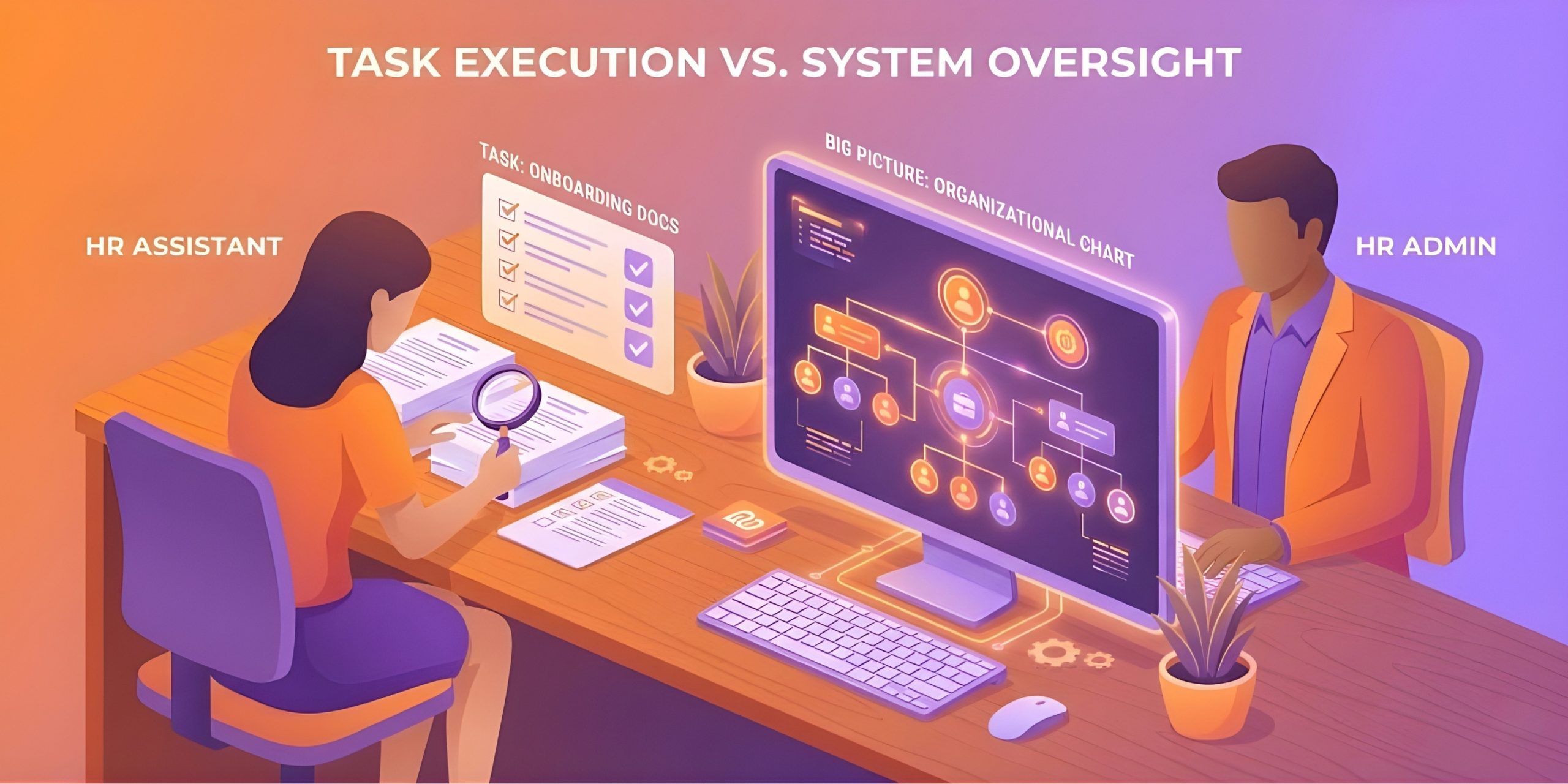
While the terms are sometimes used interchangeably, the HR administrator description usually implies a higher level of autonomy and specialized knowledge than an assistant role.
- HR Assistant: Typically focuses on the “what,” the immediate tasks like scheduling meetings or filing papers.
- HR Admin: Focuses on the “how,” designing the workflows, managing the HR admin job profile, and ensuring that HR and administration systems are scalable.
In many organizations, the HR admin chooses the recruitment methods that best suit the company’s tech stack, while the assistant executes the postings. The admin role helps keep HR admin duties and responsibilities in step with the wider needs of HR operations.
Role Boundary Challenge
Classify the task: Is it an Assistant, an Admin, or Both?
Challenge Complete
Why HR Admin Accuracy Matters
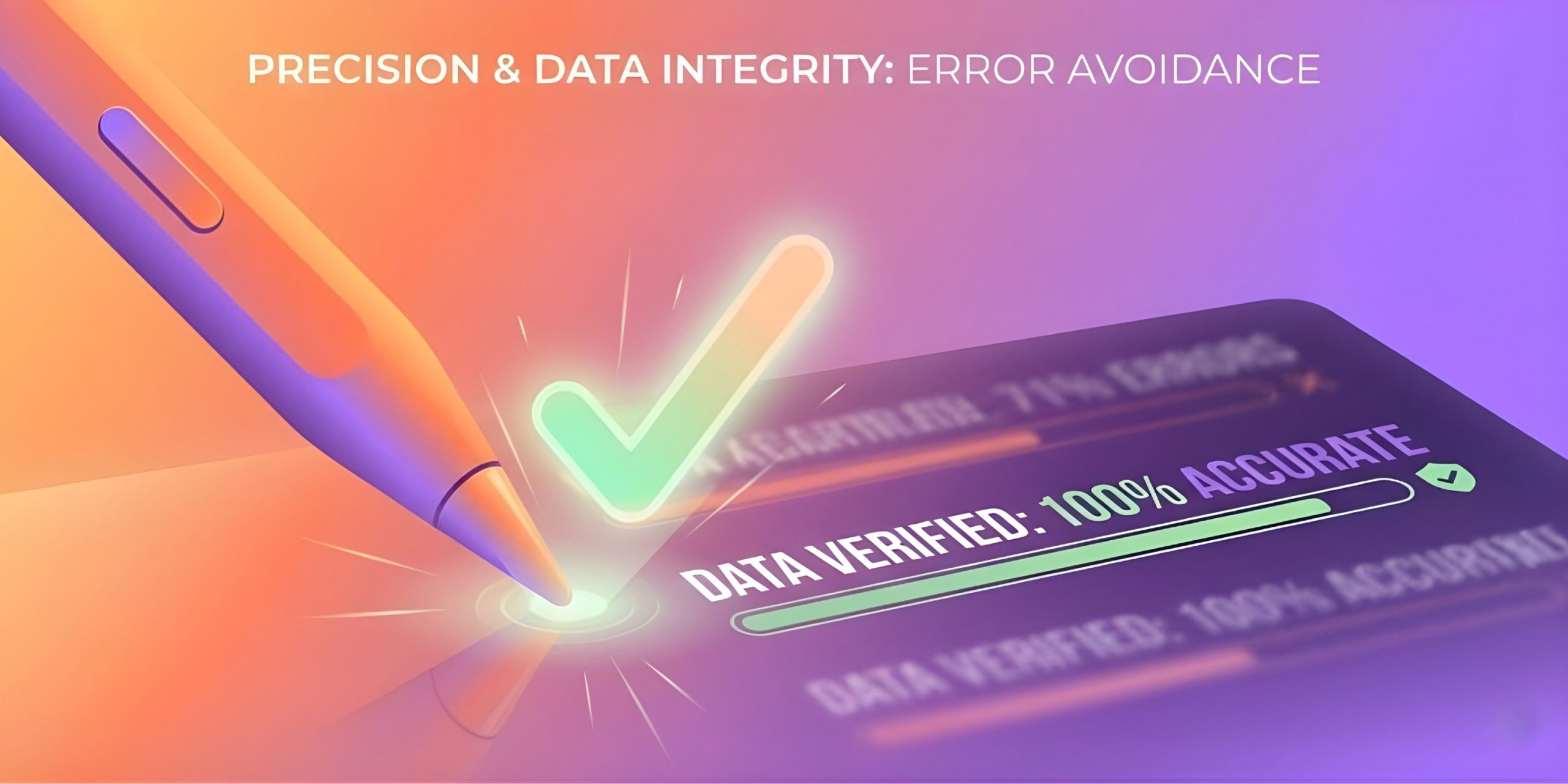
When it comes to operations and human resources, a small typo can lead to a massive headache. If an HR admin incorrectly records an employee’s start date, it could affect their pension vesting, their insurance eligibility, or their tax bracket.
Accuracy is the foundation of HR practical success. Beyond just internal morale, the financial stakes are high. Research from Stripe and various economic analysts suggests that administrative inefficiencies can cost businesses significantly; in fact, “bad data” or administrative errors are estimated to cost the US economy more than $3 trillion per year in aggregate across all sectors. Within HR operations, this translates to avoided fines and saved labor hours.
How Automation Supports HR Admin Roles
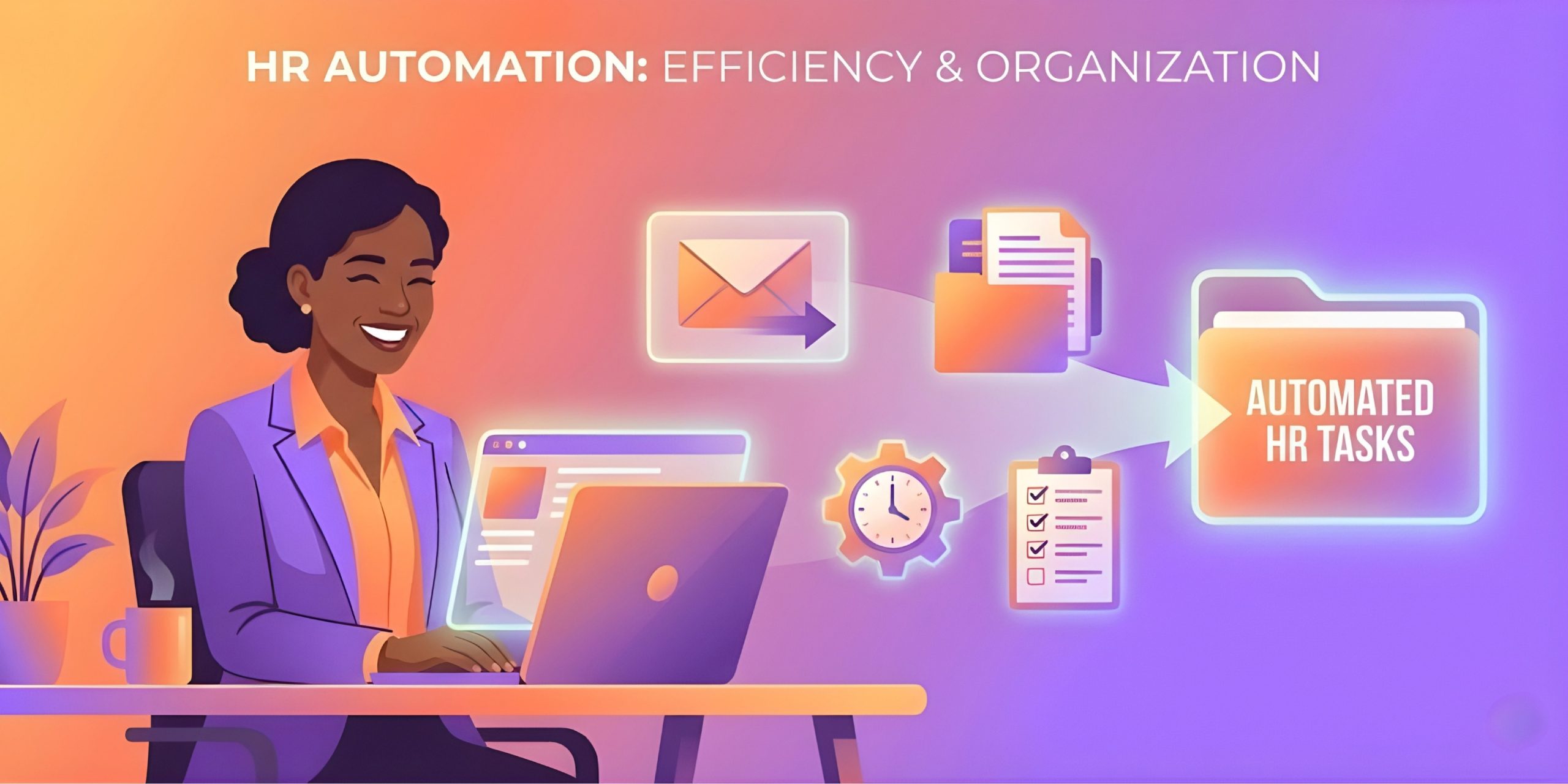
The modern HR admin is no longer buried under a mountain of physical folders. Digital transformation has changed the human resources administrator description from “clerk” to “systems expert.” Automation tools now handle the repetitive parts of HR administrator job duties, such as automatically sending interview dos and don’ts to candidates.
Automation supports HR admin by:
- Reducing Human Error: Automated data syncing between recruitment and payroll.
- Speeding Up Onboarding: Electronic signatures and automated welcome emails.
- Real-time Reporting: Providing instant insights into HR operations duties like turnover rates or diversity metrics.
According to McKinsey, about 56% of typical HR tasks can be automated with current technology, allowing HR admins to focus on more complex employee relations issues.
Manual vs Automated Workload Race
Click start to simulate a month of HR administration tasks.
Conclusion
The role of an HR admin is far from just “filling out forms.” In HR and administration, this work is about keeping things accurate and in order. These professionals handle rules, records, and daily processes so employees know what to expect and the company stays within requirements as it grows.
If you are looking to strengthen your HR operations, investing in a skilled administrator is the most effective way to turn your people strategy into a reality.
Frequently Asked Questions