
TL;DR
- Navigating EU Regulations helps to choose safe and fair hiring tools.
- Germany leads the adoption of AI resume screening because of strong digital hiring habits.
- AI screening tools reduce manual steps and increase accuracy.
- EU and US-compliant talent assessment apps help teams work safely across regions.
AI is becoming a common part of hiring, but many HR teams still worry about privacy and fairness. Rules in the European Union are strict, which makes the adoption of new technology feel confusing. Many recruiters need clear ways to pick safe tools while still moving fast in competitive job markets.
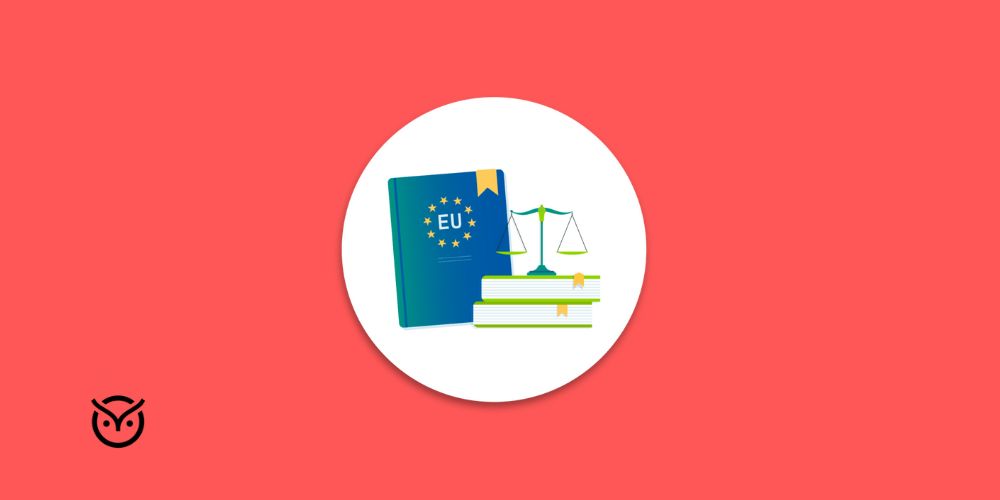
Good tools can solve this. When used the right way, AI can support legal rules and give teams faster, clearer results. In this blog, you explore how AI recruitment compliance navigating EU regulations works in practice and how to find tools that respect privacy while improving the hiring experience.
Why Germany Leads in AI Resume Screening Adoption
Germany stands at the forefront of AI hiring in Europe. Many German companies use AI to read applications and organize early screening steps. A 2023 report from the European Commission shared that Germany remains one of the strongest adopters of digital hiring tools among EU countries.
There are a few simple reasons Germany moves faster. First is strong comfort with structured hiring. Many German recruiters follow clear steps, and AI supports structure. Another reason is the number of large companies that handle thousands of applications each year. AI helps them keep the process steady.
This is also connected to the idea of AI-based resume screening in Germany, which many teams explore when they want faster review without losing accuracy. Recruiters also talk about the benefits of AI in resume screening for interview scheduling in Germany because AI helps match calendars and reduce waiting time.
Some HR teams also look at legal defensibility in AI hiring tools, which helps them understand how rules apply in Germany.
How AI Resume Screening Automates Candidate Evaluation in Germany
AI screening tools help teams in Germany review applications without long hours of manual reading. These tools study job descriptions and match them with skills in the resumes. A study from the German Federal Ministry for Economic Affairs noted that digital automation can improve productivity in recruitment.
AI screening tools do more than match keywords. They filter skill levels and highlight patterns in experience. They also group applicants so recruiters understand the talent pool easily. This makes early steps faster and less stressful for both sides.
Many teams explore AI resume screening software in Germany because it helps them keep up with large application volumes. AI also supports tasks like scheduling by checking time zones and preference settings. This removes many small steps that normally slow hiring.
Some teams also review ethical AI use in assessments to better understand how these tools manage fairness.
These tools connect strongly with AI Recruitment Compliance Navigating EU Regulations because Germany pays close attention to fairness and data safety. Tools must handle information the right way, which keeps both the company and the candidate protected.
How Recruitment Marketing and AI Improve Screening in the Digital Age
Recruitment marketing helps companies communicate clearly with candidates. When paired with AI it becomes even more useful. AI organizes candidate information and gives teams a full view of how people engage with job posts.
Digital communication lowers candidate confusion and improves trust. This idea links with recruitment marketing in the digital age, which helps teams send the right information at the right time. When candidates understand the steps, they move through the hiring process more smoothly.
Some recruiters also learn from compliance in assessments for hiring success, which supports clarity during the screening process.
This also fits with the concept of advertisement of recruitment in Germany where companies use simple online messages to guide applicants. AI helps sort responses so recruiters never miss strong applicants. It also supports fair evaluation because applicants receive the same structure and format.
Recruitment marketing becomes even stronger when AI manages scheduling and follow up messages. This reduces the number of steps a recruiter must complete manually. These advantages help explain how digital communication supports AI Recruitment Compliance Navigating EU Regulations while improving the hiring experience.
How to Find EU and US Compliant Talent Assessment Apps
Recruiters need tools that follow safety rules. EU and US laws both require fair scoring and clear data protection. This makes the search for EU and US compliant talent assessment apps very important.
A good tool should explain how it stores data and how long it keeps information. It should offer settings that limit who can see candidate files. A study published by the European Parliament noted that clear data transparency increases trust in hiring systems.
Another point is fairness. Tools should avoid patterns that treat one group differently from another. This makes compliance stronger because EU rules require equal treatment at all stages.
Teams should also look for easy to read settings. Many apps now include dashboards that show where candidate data is stored and how scoring works. This helps recruiters pick tools that follow AI Recruitment Compliance Navigating EU Regulations without confusion.
These apps also help answer the question of how to evaluate candidates faster because they combine scoring models with safe storage and simple workflows.
Is AI Scoring Safe for External Recruitment Processes
External recruitment happens when companies look for new workers outside their organization. Many HR teams want to know if AI scoring is safe here. The answer depends on how the tool works.
AI scoring tools must follow rules about bias control and data safety. A 2024 study from the Organisation for Economic Co operation and Development showed that structured AI models reduce unfair decisions when reviewed regularly
AI models score answers based on patterns in text or video. This can be safe when scoring systems are trained on balanced information. Good systems let recruiters check each step of the score so they understand the decision.
External recruiting also connects with advantages of external recruitment processes because companies can find new skills faster. AI makes this easier by reviewing large volumes of information. Yet safety matters. The model must follow EU privacy rules and US fairness expectations.
When teams understand these steps they can learn Is it safe to use AI for candidate scoring and how it fits with AI Recruitment Compliance Navigating EU Regulations. Strong tools support both speed and fairness which builds trust across regions.
Conclusion
AI is changing the way companies evaluate and communicate with candidates. But rules matter. Teams must pick tools that respect privacy and fairness while still reducing manual work. Germany shows how structured hiring and digital comfort make AI screening grow quickly. When used carefully AI supports stronger communication and faster evaluation.
Recruitment marketing adds clarity and helps people move through steps without confusion. AI scoring tools also help teams understand talent faster while staying safe. With the right mix of careful tool choice and clear communication, recruiters can use AI Recruitment Compliance Navigating EU Regulations to support a hiring process that feels modern, safe, and respectful.
FAQs
Q1. Is AI screening compliant with EU laws?
It can be when tools follow privacy and fairness rules and show clear information about data use.
Q2. How do I pick an EU compliant hiring tool?
Select tools that explain scoring steps give access controls and offer full data transparency.
Q3. Does AI speed up interview scheduling in Germany?
Yes because digital tools match calendars automatically and reduce manual follow up work.
Q4. Does recruitment marketing help automate screening?
It does so by guiding candidates with clear steps and helping AI organize early answers.