

TL;DR
- AI tools make it easy for candidates to produce polished resumes fast.
- Hiring teams use an AI detector for resumes to spot signs of AI writing.
- Detection is not perfect because AI writing keeps getting better.
- Innovative hiring teams combine tech, context, and human review.
- The future is AI-powered resume screening meeting AI-generated applications.
Writing a resume today is very different from a few years ago. Tools can rewrite entire work histories in seconds, and anyone can create a polished CV without much effort. This has led hiring teams to wonder whether applications are real or written by machines. The push to spot AI-generated content has grown so fast that the AI detector for resume conversation now shows up in hiring forums, HR circles, and even job-seeker groups.
The good news is that better screening tools, more intelligent workflows, and clear guidelines now help employers cut noise and keep hiring fair. You will learn how detectors work, why they struggle, and how companies can stay accurate without slowing down hiring.
The Rise of AI-Generated Resumes
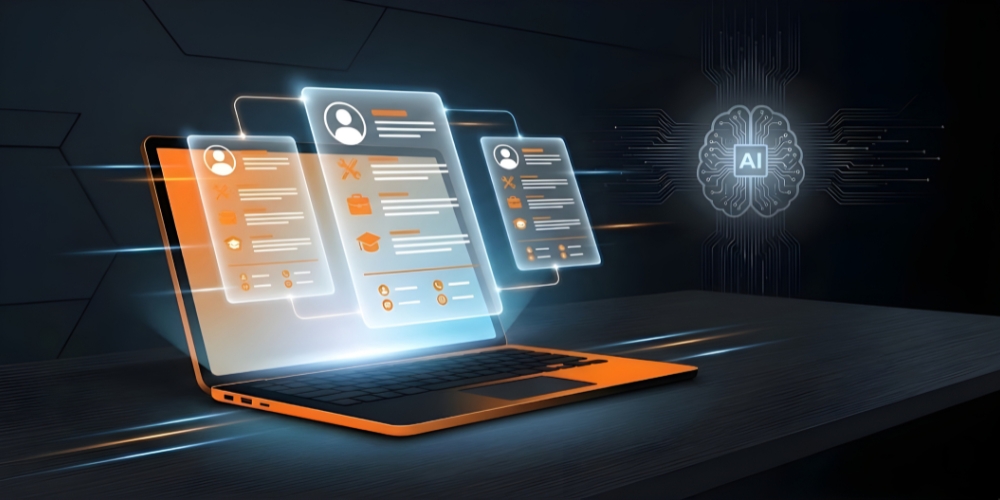
AI writing tools exploded in popularity in 2023 and 2024, and today, around 45 percent of job seekers use generative AI tools to enhance their resumes, according to research from Canva published in 2024. Job hunters use them to fix grammar, rewrite experience, add keywords, and make resumes “ATS-friendly,” which boosts their chances of passing resume ATS testing and even improves their ATA score on scoring platforms.
AI also helps with a resume optimizer, a cover letter checker, and tools that create Apple resume format-styled documents. Since applicants can now generate strong resumes in seconds, recruiters are left wondering whether they can trust what they see. This shift has pushed employers to explore detection tools, resume analyzer AI, and application tracking system resume filters to understand who wrote what.
With more people also trying to check if resume is AI generated, the hiring world is entering a phase where both candidates and companies depend heavily on technology.
Real or AI Mini Guessing Game
Read the two resume lines below and choose the one you think was written by AI.
What Is an AI Resume Detector?
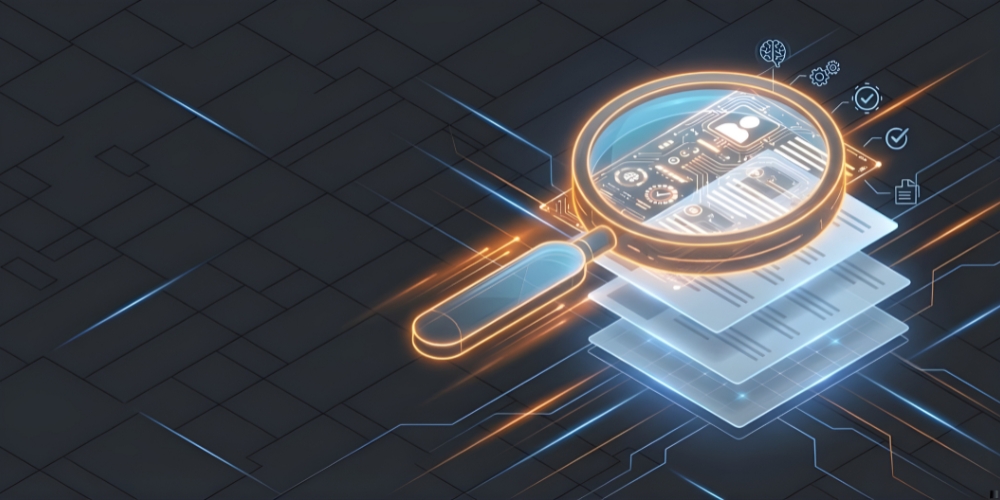
An AI detector for resumes is a tool that reviews text inside a resume to guess whether a machine wrote parts of it. It analyzes patterns such as repetition, unnatural sentence structure, lack of personal detail, and predictable vocabulary. These tools work differently from a regular ATS scanner checker or ATS parser, which only reads and sorts information.
Many companies now experiment with them to verify the authenticity of applications. This has raised the question: Do companies use AI detectors for resumes at scale? The answer is yes, but mainly large employers and tech-forward HR teams are trying to evaluate the applicant tracking workflows.
AI detectors sit inside hiring platforms and support steps like resume AI check, ATS scan my resume, and ATS resume parsing. They also help with resume screening in recruiting, reducing time wasted on unreliable applications.
AI Resume Detector Simulator
Drag the slider to guess how AI-written this resume line feels.
Why Detecting AI-Written Resumes Is So Hard
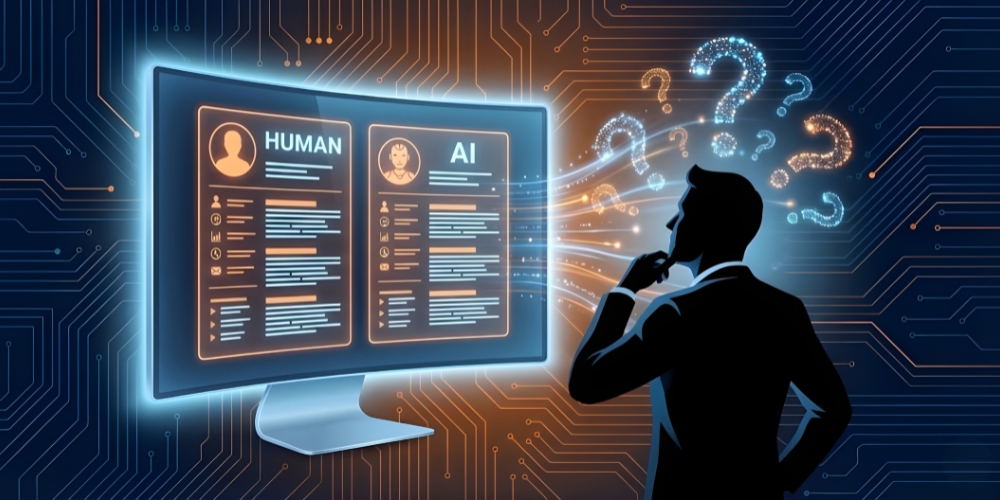
Spotting AI content is not as easy as it sounds. Modern tools rewrite sentences to look natural, mimic storytelling patterns, and even add minor errors to appear human. Here is why detection is difficult:
- AI can mirror human writing styles. Tools learn from millions of human-written samples, so their tone blends in naturally.
- Candidates mix human and AI writing. When someone edits only parts of their resume, detectors misfire.
- Different AI tools write differently. A resume built with ChatGPT looks different from one built with specialized writing apps.
- Detectors produce false positives. A human-written resume with clean wording may be flagged, creating fairness issues.
Hiring teams want reliable signals, not noise. That’s why many companies focus more on structure than style. They check what is ATS resume rules, ensure content is readable for their application tracking system resume, and reduce dependency on pure detection.
This is also why job seekers still need to avoid clichés. Tools often repeat common phrases that get flagged as resume buzzwords to avoid, making the resume look less authentic even without AI.
Spot the Problem in This Resume Line
Tap the three parts of the text that feel suspicious or overly polished.
Can Recruiters Really Spot AI Resumes?
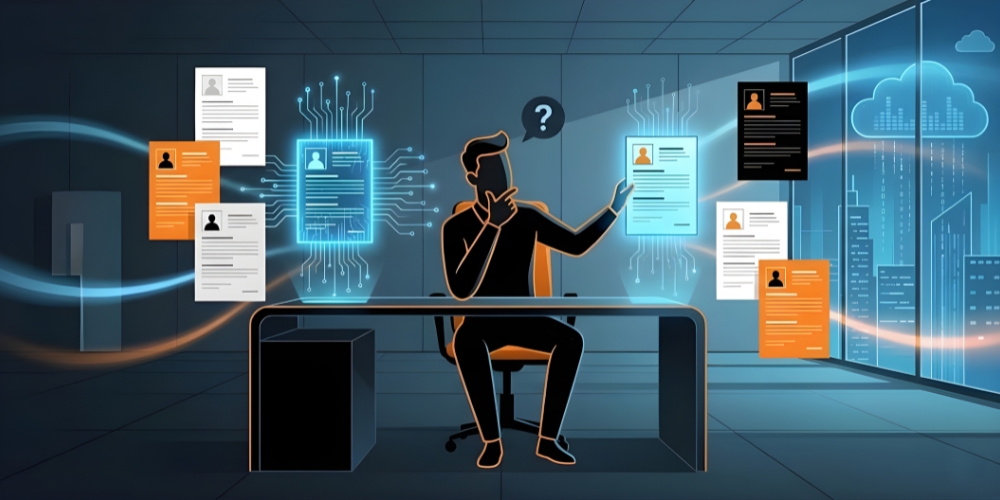
The honest answer is sometimes yes and sometimes no. Recruiters can catch clear signs such as generic wording, no real achievements, or an inconsistent timeline, but the writing alone doesn’t tell the full story. Most hiring teams don’t read resumes to hunt for AI. They read to understand skills and fit. What they really care about is whether a resume matches the job, passes the resume AI check, and makes sense when compared with interviews and work samples.
Many employers now rely on hybrid workflows. A recruiter checks the resume for natural detail while the system checks structure, formatting, keyword balance, and relevance. Tools like resume analyzer AI also help reduce time spent on basic screening. When companies review results inside their application tracking system resume, they focus on patterns such as role gaps, vague duties, or achievements that don’t align with seniority.
Still, false positives can happen. That’s why experts suggest using AI detection only as a signal, not a final decision. It helps identify resumes worth a second look, but humans make the final call.
Would You Trust This Resume?
Read the resume snippet below, then choose how you would feel as a recruiter.
The Future of Resume Screening — AI vs AI
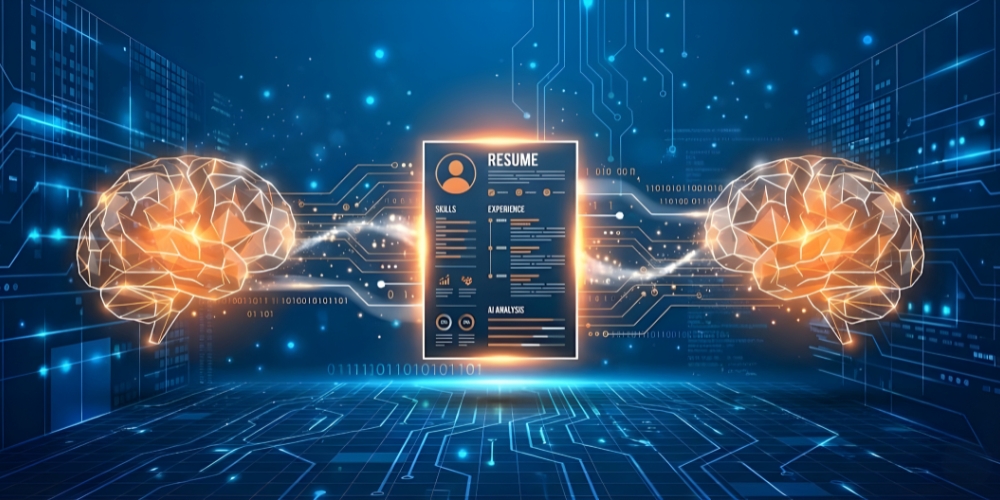
Hiring teams are moving toward a stage where AI detectors, ATS parser tools, scoring systems, and interview bots all operate together. As more resumes are written with AI, tools will adapt. This creates an “AI vs AI” environment where screening becomes smarter, faster, and more consistent.
A recent article from SHRM Labs reports that between 35 percent and 45 percent of companies have adopted AI in their hiring processes, especially for tasks like screening and matching candidates. With so many companies turning to automation, resume detection becomes a smaller part of a larger system that checks truthfulness, skills, and job alignment.
In the next few years, employers will rely more on performance-based tests, portfolio checks, and real-world skills, rather than just resume writing style. ATS tools will also become more transparent, making it easier for job seekers to understand ATS scans and improve their profiles without guesswork.
Tech will catch up quickly. Companies are already experimenting with more advanced ways to check if a resume is AI-generated, especially inside platforms that manage AI-powered resume screening. Because screening algorithms will keep improving, hiring teams can focus on clarity, honesty, and consistent evaluation rather than guessing the writing origin.
This shift also improves fairness. When machines handle matching, humans can spend more time talking to real people, reducing bias and improving every stage of resume screening in recruiting.
Conclusion
The purpose of AI checks is not to make things harder for job seekers. These tools help hiring teams avoid weak or misleading information and make the process fair for everyone. A resume created with AI is not an issue by itself. What matters is whether the details are correct, honest, and relevant to the role. When applicants focus on real results, and employers use both technology and human judgment, the entire hiring flow becomes more straightforward for both sides.
As screening tools get smarter, both employers and job seekers benefit. Job seekers get cleaner paths into ATS systems, and employers make better decisions with less manual work. In the end, the balance of technology and human judgment creates a smoother hiring experience for everyone.
FAQs
It is a tool that reviews a resume and tries to identify whether a machine wrote parts. These tools look at writing patterns, sentence flow, and consistency to make an educated guess.
These tools can point you in the right direction, but they are far from flawless. Their results depend on the tool and how the resume was written. They work best when treated as one clue in the process rather than the main factor that decides anything.
Not automatically. Some applicants use AI only for spelling or structure. Recruiters should evaluate content, skills, and honesty rather than the writing method.