


TL;DR
- Hiring in the region moves fast for some roles and carefully for others.
- Expect structured stages with screening calls, assessments, and in-person interviews.
- Many employers now use AI in recruitment to review applications.
- Knowing local rules makes planning easier, especially for expats.
- Good preparation helps you stand out.
Finding your place in the top Middle East companies can feel confusing. Every country has its own work culture, rules, and steps. Many candidates do not know what happens after they apply, and this makes the hiring journey feel uncertain. This is even harder if you are new to the region or planning to start working in the Middle East as a foreigner. The first thing to understand is how the recruitment process in Middle East companies usually works and what employers expect at each stage.
The good news is that once you know the steps, you can prepare with confidence. You will learn the hiring timeline, regional differences, how digital tools shape hiring, and how to make your application stronger. This blog breaks down everything in a clear and friendly way so you can move to the next stage without stress.
Overview of the Recruitment Process in Middle East Companies

Most top companies across the UAE, Saudi Arabia, Qatar, and Bahrain follow a structured hiring approach. The process is designed to filter candidates fairly and meet strict compliance rules. In fact, the UAE has continued to update its laws to improve fairness and transparency in hiring, including updates within UAE employment law in 2023 that added new rules for job ads and contract clarity.
Across the region, strong hiring competition leads companies to invest in better tools, stronger governance, and better workplace regulations. According to PwC’s Middle East Workforce Hopes and Fears Survey 2024, 85 percent of more than 1,500 regional employees say they clearly understand their organisation’s goals, compared with 77 percent globally, and 88 percent say their daily work supports those long-term objectives. This level of alignment shows how seriously employers in the region treat communication, workforce planning, and talent development.
This means candidates can expect a professional and streamlined experience. The core flow is usually job posting, screening, interview stages, assessments, background checks, and final offers.
Guess the Country Rule
Which country requires a very structured contract format for expat workers?
Step-by-Step Hiring Process

Here is the standard step-by-step flow used by most leading employers in the region. This includes government companies, multinational firms, and fast-growing private companies.
Job Publishing and Application Review
Companies post roles online on platforms like Bayt, Naukrigulf, Indeed, and their own careers pages. Applications are reviewed using both human screeners and digital filters. Many use applicant tracking systems that sort CVs based on job requirements.
First Screening Call
If your profile fits what the company is searching for, a recruiter gives you a quick call. They ask about your background, what you are looking for, your expected salary, and when you can start. It is a simple chat that helps them see if you should enter the next stage.
Assessments and Technical Tasks
Technical, sales, customer service, and leadership roles often include tests. Some companies use situational judgment tests or skill-based tasks.
Interview Rounds
Expect one to three rounds. Local companies use a mix of virtual and in-person interviews. Senior roles may include interviews with board members or department heads.
Background and Reference Checks
Middle East employers take verification seriously. These checks may include identity verification, degree verification, confirmation of previous employment, and in some roles, security clearance.
Final Offer and Onboarding
When all checks are completed, the company sends your offer. Once you agree, the onboarding process moves ahead. If you are an expat, this is when your visa paperwork starts, followed by the steps needed to join the company smoothly.
How the Recruitment Process in Middle East Companies Differs from Other Regions
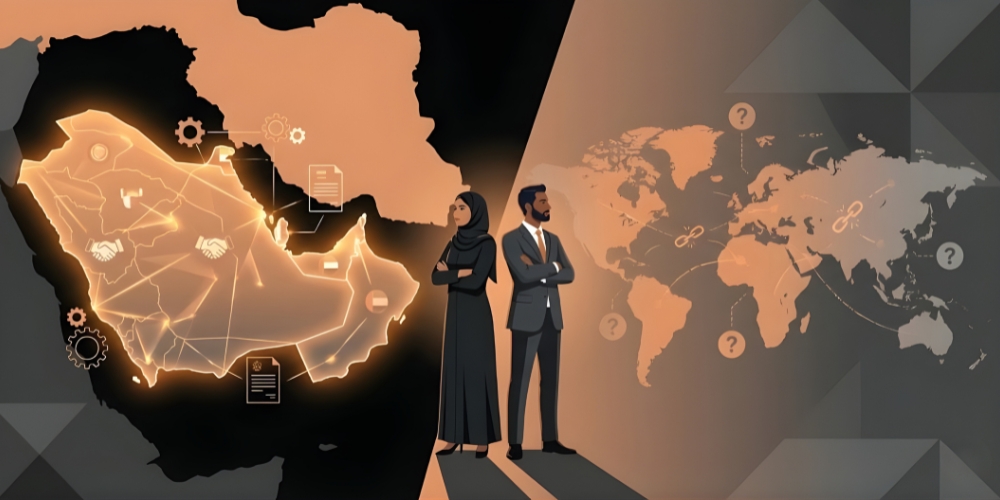
Hiring in the Middle East is shaped by culture, local law, and national workforce programs. These elements make the process different from hiring in Europe or the United States.
Strong Focus on National Hiring
Countries like the UAE and KSA have localization policies such as Emiratization and Saudization. These programs encourage companies to hire more citizens. This does not mean expatriates are not needed. It only means companies plan their workforce mix carefully.
Faster Growth and More New Roles
The Gulf is growing across many sectors, with more activity happening beyond oil. This steady progress brings new roles into the market and encourages companies to bring in talent for a wide range of jobs. With new projects, global investments, and long-term national plans moving forward, employers often open roles faster than in many mature markets, giving candidates more chances to step into growing teams.
More Structured Rules and Compliance
Hiring in the Middle East often follows national rules closely. Companies must comply with contract laws, follow work permit procedures and maintain clear documentation. This differs from some Western countries, where hiring processes are more flexible.
Digital Hiring Adoption
Many companies use modern hiring platforms early in the process. This includes automated screening, digital onboarding, and smart scheduling. These practices reduce delays and help companies manage large applicant pools.
Spot the Middle East Difference
Read the short scenario and pick the company that best matches hiring culture in many Middle East organisations.
Company A posts open job ads, keeps timelines loose, and moves candidates forward whenever there is time.
Company B uses structured approvals, clear hiring stages, and follows national workforce programs.
Which company is closer to how top employers in the Middle East usually hire?
How AI Is Transforming the Recruitment Process in Middle East Companies

Companies across the region are adopting new hiring tools that speed up and improve the reliability of their processes. Many employers now use AI systems to scan CVs, match skills with job requirements, and flag strong candidates. This helps hiring teams handle large application volumes, especially in the UAE and KSA, where job ads can receive thousands of applications within days.
AI tools also help reduce human mistakes. They look for skill patterns, check gaps in work history, and help recruiters decide who moves forward. A 2025 study by the Society for Human Resource Management found that nearly 9 in 10 HR professionals whose organizations use AI to support recruiting say it saves them time or increases their efficiency.
For candidates, this means your CV must be clear and easy for both humans and systems to read. It also means employers place more value on skills data, portfolio links, and measurable results. AI-powered video tools are also becoming common. These systems help recruiters structure interviews better and compare responses more fairly.
The shift toward digital tools will continue as the region invests heavily in future-ready hiring systems. Saudi Vision 2030 and the UAE's digital transformation programs support the development of more innovative recruitment systems that make the hiring journey smoother for both parties.
Human or AI Tool Quiz
For each task choose whether it is usually handled by a recruiter or an AI tool in many Middle East companies.
Scanning three hundred CVs in a few minutes.
Final interview for a senior leadership role.
Shortlisting profiles based on skill keywords.
Deep culture fit chat with a short list of finalists.
What Candidates Can Do to Prepare

You can increase your chances by understanding how employers think and what AI tools look for. Start with a clean CV that highlights what you achieved, not just what you did. Keep your job titles accurate and match them with real responsibilities. Review the job description and adjust your wording to reflect the skills the company is seeking.
Prepare for digital screening. AI tools look for clarity, structure, and relevance. This does not mean you write for machines. It means you present your experience simply and honestly so both systems and recruiters understand your strengths.
Read about company culture and the country’s work environment. This helps you speak with confidence during interviews and gives you an edge. Many candidates forget to research the region's work rules, which slows planning. Once you understand how visa steps work, contract rules, and onboarding flows, the rest becomes easier.
Soft skills also matter a lot. Companies in the region hire candidates who can speak clearly, work in teams, and handle multicultural environments. Small efforts like preparing example stories or practicing interview answers can make a big difference.
Conclusion
Hiring across the Middle East is well structured and focused on fair selection. Once you understand how each step works, you can move through the process with greater confidence. Companies value candidates who keep things clear, stay prepared, and show strong motivation. A little effort in research and planning helps you stand out and keeps the journey smooth.
FAQs
The timeline can range from 1 to 6 weeks, depending on the role, the number of applicants, and the company’s internal approval process. Senior roles may take longer, while entry level roles can move faster.
AI assists with screening CVs, matching skills to job requirements, organizing interviews and helping teams review assessments. It does not replace human judgment. Instead, it speeds up tasks and gives teams clearer insights.
Most companies follow a precise flow. You apply online, complete screening calls, assessments, and interviews, and then go through background checks before receiving an offer.