
TL;DR
- A video screening interview gives hiring teams a quick way to look at candidates.
- It saves them from long calls that slow everything down.
- HR uses it to see how someone speaks, behaves, and fits the role.
- You can run it live or ask for a short recording.
- AI tools help sift through the early clips and point out details that people might miss.
Hiring moves fast, and recruiters are under pressure to filter candidates quickly. Phone calls take time, schedules clash, and early checks stretch the hiring cycle. This is why many teams now begin with a video screening interview, especially when applicant numbers are high, and roles need quick movement.
The good news is that video-based tools make early hiring smoother. They shorten the first round, reduce manual recruitment screening, and give teams a clear view of how someone communicates before a full interview. In this blog, you’ll learn how video screenings work, why they matter, and how to run them the right way.
What Is a Video Screening Interview?
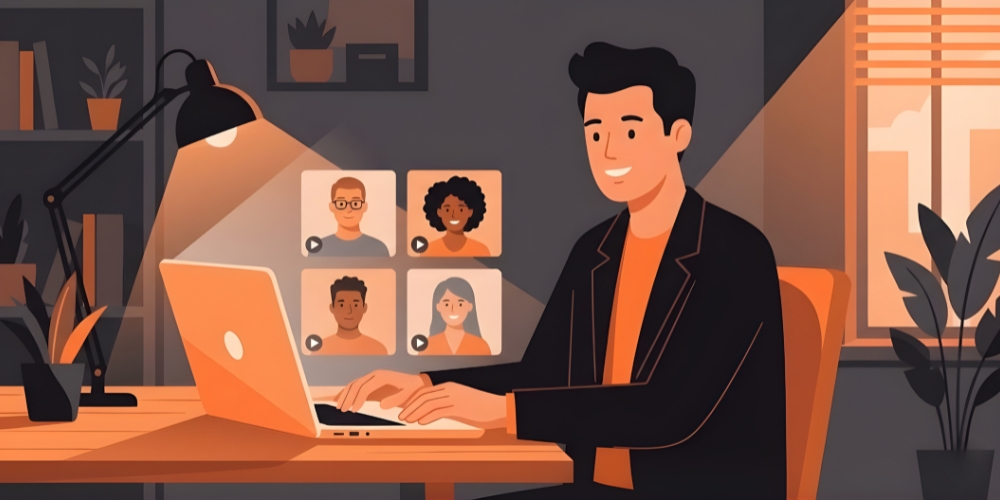
A video screening interview is a short, early interview used to check whether a candidate matches the job needs before deeper rounds. It answers the question many HR teams ask early on which is what is a screening interview and what it helps achieve. Video screenings give you a quick look at communication skills, personality, and motivation without scheduling long sessions.
Many people also ask what is screening test in interview. In early hiring, this means simple checks like basic skills, job understanding, or short recorded answers that help filter candidates. These screening steps support fast shortlisting and improve hiring accuracy.
A video screen is different from interview videography, which focuses on filming events. Here, the goal is early hiring clarity. Recent research shows that 82 percent of companies use virtual interviews as part of their hiring process, which shows how common video-based assessments have become in recruitment today.
You may also hear terms like screener interview, what are digital interviews, or virtual interview meaning. They all point to early-stage video-based checks that help teams decide who should move forward.
Some candidates wonder is a phone interview a video call. The answer is no. A phone interview uses audio only, while a video screening relies on recorded or live video that shows body language and communication style.
Guess the Purpose of a Video Screening Interview
Tap each box to see what a video screening interview is really for.
Hint. If it helps teams decide who moves to the next stage faster, you are on the right track.
Why HR Teams Use Video Screening Interviews
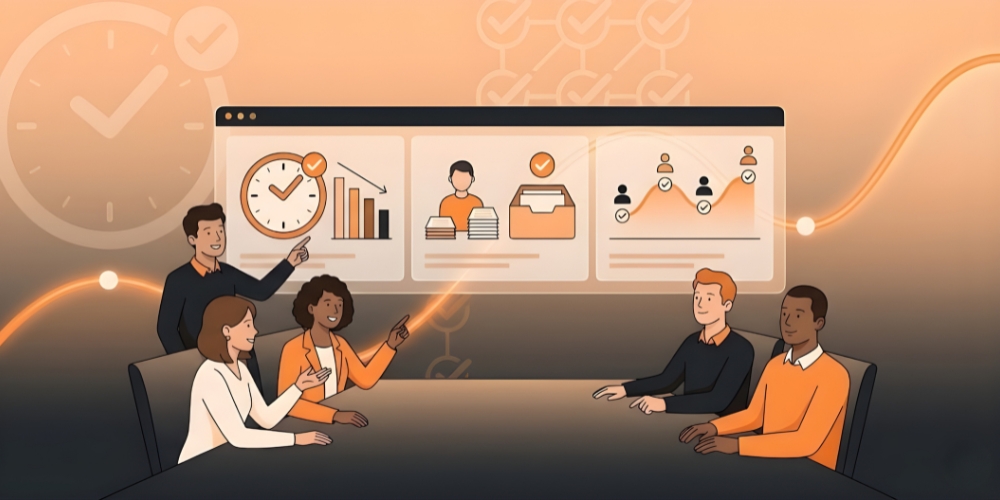
HR teams use video screenings because they save time, reduce scheduling issues, and provide a clearer view of how someone speaks and presents. These screens give more context than text-based CVs, making it easier to spot strong candidates early.
Recent data shows that companies using video interviews shorten their hiring timelines by about eight days compared with traditional phone screens.
Another common question is what is the purpose of a screening interview. The purpose is simple. It helps rule in people who match the role and rule out people who are not aligned before you invest in longer rounds.
Video screenings also support fairer hiring. With standard questions and consistent scoring, you reduce bias and create a more transparent process. Many HR teams also prepare screening interview questions that remain the same for all applicants, making decisions easier to explain and compare.
Choose Your Hiring Scenario
Pick a situation and see how video screening interviews help solve it.
Types of Video Screening Interviews
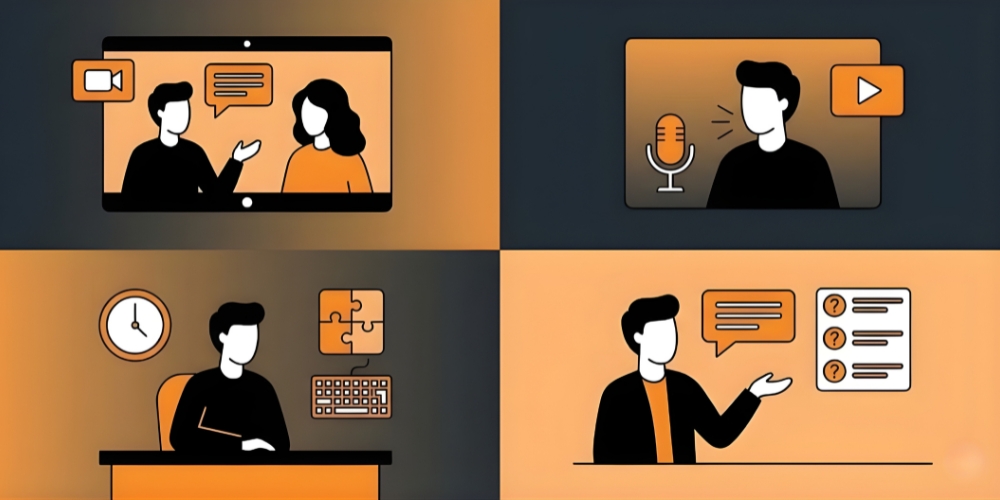
There are several forms of video screenings, each helping HR teams in different ways.
Live Video Screening
This is a real-time conversation between the recruiter and candidate. It mirrors a standard call but happens on video, giving you more insight into communication and confidence. It is helpful for early talks or when you want to avoid a bad video interview experience due to tech issues.
Recorded or What Is a Self-Paced Video Interview
A pre-recorded or on demand interviews format lets candidates record answers in their own time. Recruiters review responses whenever they are free. This also includes one way screening, where candidates cannot re-record answers. Recent data shows that switching from traditional phone screens to one-way video interviews can cut active screening time by about 60 to 80 percent, since recruiters spend roughly 5 to 15 minutes per candidate instead of 30 to 45 minutes.
A pre-recorded or on demand interviews format lets candidates record answers in their own time. Recruiters review responses whenever they are free. This also includes one way screening, where candidates cannot re-record answers. Research shows that almost 80 percent of high-volume hiring teams use this format because it dramatically reduces screening time.
Skill or Interview Screening Test
A video format can be paired with tasks that act as a screening test in an interview. These can include short case answers, practical tests, or timed challenges. This helps hiring teams check fundamental skills early without long technical calls.
What Is a Wedge Interview
Some platforms use a wedge-style format in which candidates answer fixed questions within the tool, with no interviewer present. It is a structured version of self-paced interviews and is often used in high-volume hiring.
Industry-Specific Screens
Some teams use video setups designed for fields like customer service or sales. These help teams analyze tone, clarity, and response style, which becomes essential in public-facing roles.
Speed Round. Spot Real Video Screening Types
You have 15 seconds. Tap only the bubbles that are real types of video screening interviews.
Your Speed Round Result
Real types used in this game.
- Live Video Screening
- One-Way Video Interview
- Skill-Based Video Screen
- Wedge Interview
- Industry-Specific Video Screen
How to Conduct Effective Video Screenings
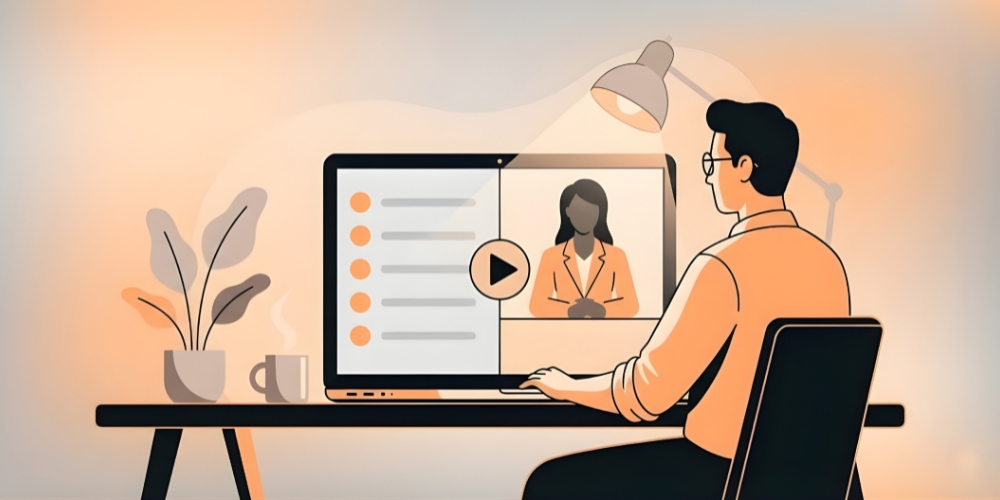
Running an effective video screening interview is easier when you keep the process structured and simple. First, set clear goals. Decide what skills or traits you want to check in the first round. For example, communication, confidence, motivation, or early problem-solving. Keeping a short checklist helps you stay consistent across all candidates.
Next, choose a reliable platform. You want tools that support both live and recorded formats, give you stable video quality, and make it easy to compare responses. Many teams also prepare a small set of structured questions. This keeps the evaluation fair and makes it easier to compare candidates without guessing.
Set instructions clearly for candidates. Share the time limit, number of questions, and any preparation guidelines. This reduces confusion and prevents a poor experience for both sides. Internal teams should also review answers with a simple scoring system. Short categories like clarity, relevance, accuracy, and role fit work well.
Lastly, keep feedback fast. Early-stage interviews need quick movement, so candidates do not drop out. A clear structure helps speed up decisions and reduces pressure on hiring teams.
Build Your Own Screening Process
Use the buttons to move each step up or down. When the order is correct, the box at the bottom will light up.
- Prepare questions
- Test tech
- Share instructions
- Set goals
- Give feedback quickly
- Review answers
Common Mistakes to Avoid
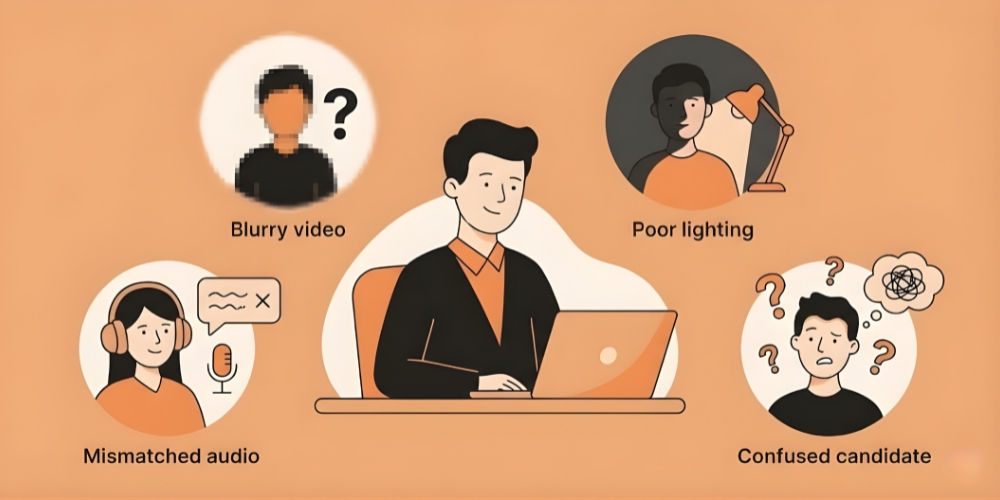
Video screening is easy to use, but small mistakes can slow the whole process. One problem is unclear instructions. When people are not sure what to do, they feel stressed and give short or incomplete answers. Another issue is adding too many questions. Early rounds should be quick and simple, not heavy or confusing.
Some teams forget to test their own process. If lighting, sound, or settings aren’t checked, you may judge candidates unfairly. Another error is relying on unstructured scoring. Without a simple rating guide, you may misjudge candidates or give weight to the wrong details.
A common problem is ignoring accessibility needs. Not every candidate has the same bandwidth, devices, or quiet space. Offering alternative times or formats can help avoid losing good applicants.
Another problem is a quiet bias slipping into the review. A judge might react to someone’s tone, accent, or camera setup instead of the actual skills. It is better to focus on the job needs and use a simple scoring plan. This keeps the review steady and fair for everyone.
Spot the Mistake
Read the situation and tap the highlighted parts you think are mistakes. Some are real issues and one is actually fine.
How AI Enhances Video Screening Interviews
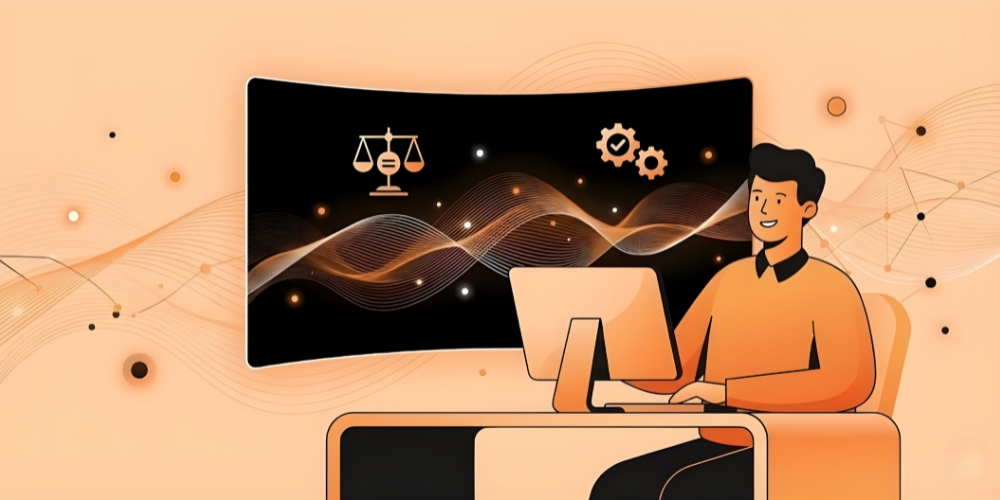
AI now takes on a small but useful part in video hiring. Modern AI tools look at how clearly someone speaks, how well they answer the question, and whether the reply stays on track. They do not take over the decision. They simply help with the first round of sorting. These tools also make it easier to compare answers in a steady way, which cuts down on early review mistakes.
AI platforms can also flag any missing data in responses, help detect repetitive answers, and ensure fairness by applying the same criteria to everyone. This improves early hiring quality without adding more work for recruiters.
AI tools also reduce the need for heavy manual recruitment screening. They can help sort candidate responses faster, highlight intense matches, and flag red flags early. This creates a more transparent process and supports better decisions.
AI models can also detect whether someone answered within guidelines, followed instructions, and stayed relevant. These insights help recruiters understand performance without spending long hours reviewing each video. AI keeps the flow smooth and consistent while giving recruiters more control.
Human vs AI Speed Test
Switch between human review and AI assisted review to see how the screening process changes.
Current mode. Human review
| Metric | How it looks in this mode |
|---|---|
| Review time per video | Around 10 to 20 minutes, depending on the reviewer. |
| Consistency of scoring | Varies with mood, workload, and who is doing the review. |
| Risk of bias | Higher if questions and scoring are not clearly structured. |
| Depth of data | Basic notes and personal memory of each candidate. |
| Shortlist quality | Can be strong but often varies from one recruiter to another. |
Conclusion
A video screening interview works when you don’t overthink it. It gives the team a quick look at candidates without having to sit through long early calls. You can tell a lot from a short clip, like how someone talks or how relaxed they seem. It is not a perfect system, but it helps you spot who might be worth talking to again.
AI tools then take this a step further by organizing data, improving consistency, and providing teams with a more straightforward overview of who should move forward. With clear instructions, fair scoring, and simple steps, video screenings become a powerful part of modern hiring.
FAQs