
TL;DR
- AI hiring bias happens when algorithms make unfair decisions.
- It can show up through city data bias, wording in job ads, or old hiring patterns.
- Biased tools can reduce diversity and filter out strong candidates.
- Recruiters can fix this with cleaner data, simple checks, and human review.
Hiring teams are adopting automation at record speed, and that shift brings both power and problems. The biggest concern is AI hiring bias, which shows up when a tool learns the wrong lessons from past data. Some companies have seen qualified people get rejected just because of where they live or past hiring patterns that should have stayed in the past. With global recruiting increasingly reliant on AI, this is becoming a real issue that affects fairness and employer reputation.
The good news is that the same technology causing trouble can also be part of the solution. With cleaner data, stronger checks, and apparent oversight, teams can use AI without repeating old mistakes. This blog breaks down what bias is, how it appears, and what you can do right now to build a fairer hiring process.
What Is AI Hiring Bias?
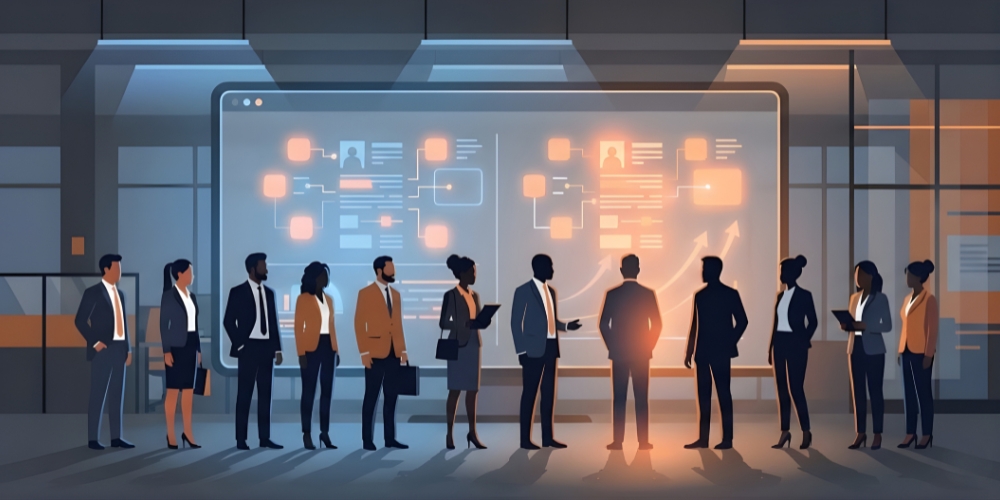
AI hiring bias shows up when a computer system makes choices that put some candidates at a disadvantage. These tools learn from old hiring data, and that data often carries habits or mistakes that should have been left behind. A company may aim for a fair process, but the algorithm can still follow patterns that lead to uneven decisions. Research explains that between 35 percent and 45 percent of companies have already added AI into parts of their hiring process, which means any bias in the system can affect a lot of candidates.
This underscores the importance of understanding how mistakes sneak in. Bias can come from preferred locations, creating city data bias, or from unequal hiring practices that shape how the system learns. Even minor issues like bias in job descriptions can teach a model that certain words belong to specific groups. These tiny patterns build up until the tool quietly favors some applicants over others.
To bring this to life, here is an example of a computer program showing bias. A resume-ranking model trained on past engineering hires might learn to score applicants lower if their resumes contain words linked to women’s colleges, because previous hiring choices skewed toward men. The model does not “know” it is unfair. It is simply copying the imbalance it sees.
All this reinforces how hiring biases can slip in without any evil intent. It also matches what researchers call automating discrimination AI hiring practices and gender inequality, where old patterns get repeated through code instead of people.
AI Judge or Human Judge?
Read each hiring decision, pick who made it, then reveal the answer.
How AI Hiring Bias Happens
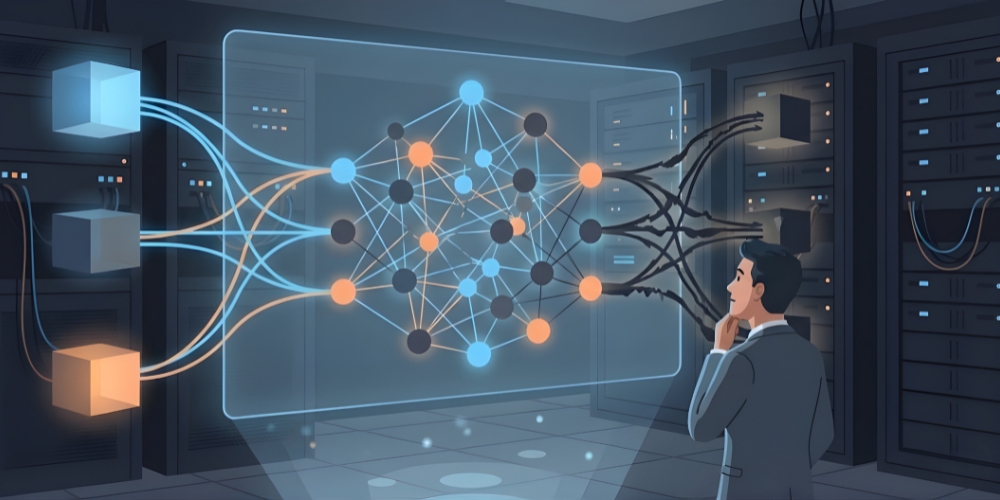
AI bias often begins long before a candidate applies. It starts in the data. If the past hiring records show more men hired into technical roles, the model reads this as a signal of what “success” looks like. That is how hidden bias in hiring algorithms develops under the surface.
Here are the main ways bias sneaks in:
Uneven Training Data
If historical records show a preference for certain schools, cities, or demographic groups, the model learns that preference. Location-based filtering alone can create unfair outcomes. This happens mainly when cities differ in income or educational access. This is one reason city data bias affects people from areas with fewer job opportunities, even when they have the same skills.
Language Patterns in Job Ads
Words hold weight. When job ads contain subtle signals about who “fits,” the system can learn those patterns. This is also tied to unconscious hiring bias, which slips into job descriptions without anyone noticing. Companies still struggle to write neutral job ads, which explains why many teams now search for tips to avoid gender bias in job descriptions so the algorithm does not learn the wrong signals.
Model Overfitting and Pattern Copying
Sometimes the tool simply copies the recruiter’s old habits too closely. This is how recruitment bias grows quietly over time. If a team hired people from only a few universities last year, the system might score applicants from those universities higher this year, even if their skills don’t match the actual job.
Lack of Oversight
Bias grows faster when teams assume AI is always correct. IBM’s study found that fewer than 20 percent of executives strongly agree that their organisation’s practices and actions on AI ethics match their stated principles and values, which shows a clear gap between what leaders say and what actually happens in day-to-day AI use.
Without human review, it becomes easy for models to push some candidates down the list while pushing others to the top for the wrong reasons.
The Impact of AI Hiring Bias
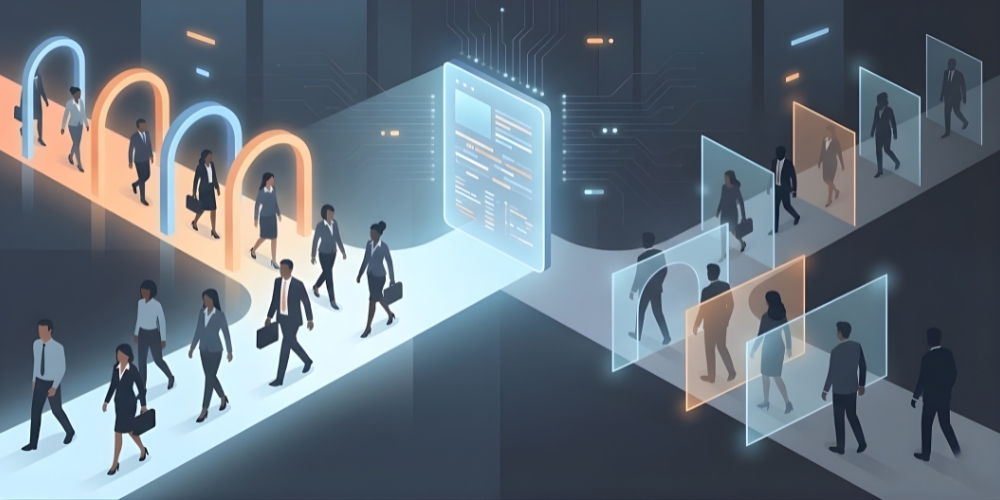
When AI hiring bias appears in the recruitment process, the impact is more than a bad match. It can reshape who gets seen, who gets interviewed, and who gets hired. The biggest concern is fairness. Suppose an algorithm learns patterns from the wrong signals. In that case, it can quietly filter out qualified people based on location, minor wording differences, school history, or past hiring decisions that should not guide future decisions.
This also affects diversity. When a tool repeatedly leans toward the same type of candidate, teams end up with a workforce that looks very similar. Over time, this limits creativity and slows problem-solving. Even something as small as city data bias can reduce access for talent from areas with fewer resources. Many companies only discover the issue later when they notice repeat patterns in shortlists or when candidates flag unfair treatment.
There is also a business risk. Companies that use tools that inadvertently reinforce old hiring biases may face complaints, legal challenges, and lost trust. Studies in multiple regions show that job seekers now pay attention to how companies use AI in hiring. When people believe the system is fair, they apply with confidence. When they think it is not, they look elsewhere.
On top of that, biased models can weaken the talent pipeline. If a system misreads resumes, down-ranks candidates because of subtle patterns, or relies too heavily on past data, recruiters miss out on strong applicants who could have succeeded in the role. This is where issues tied to automated discrimination in AI hiring practices and gender inequality surface.
Which Candidate Does The AI Rank Higher?
Both candidates have similar skills. Small details, like city and college, may still change how a biased AI ranks them.
- Software engineer, 4 years experience
- Lives in a major tech city
- Degree from a well known university
- No career break
- Software engineer, 4 years experience
- Lives in a smaller city
- Degree from a regional university
- One year gap for caregiving
How to Reduce AI Bias in Recruitment
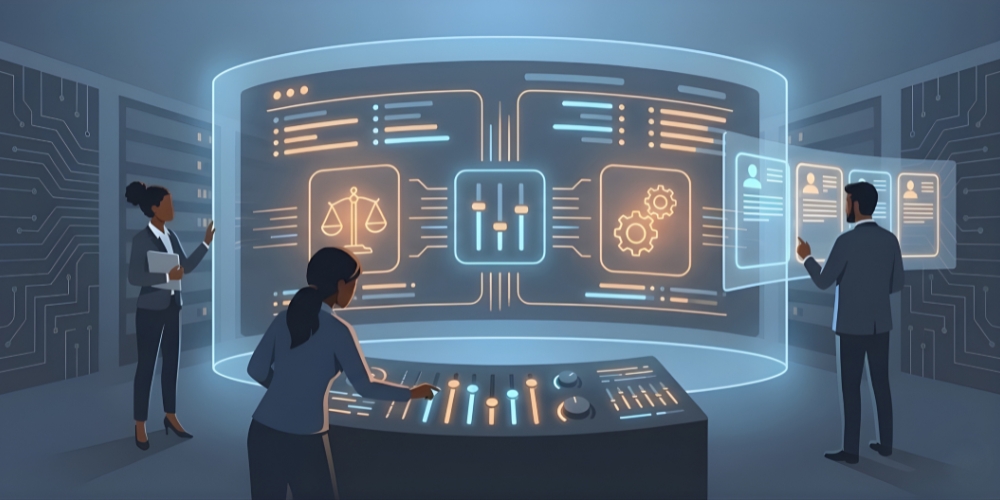
Fixing bias does not mean abandoning AI. It means using it with more care. Many organisations are now treating AI like a partner that needs guidance, not a replacement for human judgment. Here are steps teams can take to prevent issues before they grow.
Clean and Review the Data
Bias usually begins in the training phase. Teams need to check the data that feeds the model and remove patterns that could mislead it. If developers train a model using years of hiring records that favour one gender or school type, they must balance that dataset before the system learns from it.
Add Human Review at Key Steps
Humans and AI make a stronger team when they share the work. Recruiters can let the tool handle early sorting, then take over for the final review. This helps them catch errors before they affect a decision and lowers the chance of hidden bias in hiring algorithms shaping the result on their own.
Use Neutral and Clear Job Descriptions
If job ads contain biased wording, the system learns those patterns and repeats them. Using gender-neutral language, practical role expectations, and precise requirements helps reduce bias in job descriptions. This is where teams can also apply tips to avoid gender bias in job descriptions so algorithms do not misinterpret the language.
Test the System Regularly
Teams can run sample resumes through the tool to watch for unequal patterns. Even simple tests can reveal if the system favours specific backgrounds, cities, or words. This is also a good moment to check for signs of unconscious hiring bias that the system may have copied from previous decisions.
Document Every Rule and Decision
Clear documentation helps teams understand what the tool was built to do. When recruiters know the logic, it is easier to spot concerns.
Keep Humans Responsible for the Final Decision
AI can suggest, filter, and support. It should not decide on its own. This is the simplest way to prevent recruitment bias from becoming part of every hire.
Conclusion
AI can be a helpful part of the hiring process, but it can also repeat old mistakes if no one keeps an eye on it. The idea is not to take it out of the process. The real task is to guide it so it does not drift in the wrong direction. When recruiters check the data, review the results, and stay involved at every step, the process becomes fairer and steadier. With that kind of attention, teams make clearer choices, reach more candidates and build a talent pool that improves over time.
FAQs
It affects who gets shortlisted, how candidates are ranked and which applications move forward. When a system learns the wrong patterns, it can treat similar candidates differently based on factors unrelated to skill, experience, or job fit.
No system is entirely free from bias because all models learn from human-created data. The goal is to reduce unfair patterns as much as possible through oversight, better data, and clear decision rules.