


TL;DR
- This candidate screening guide helps you sort good talent fast without guessing.
- You will learn the full screening process in recruitment, from first look to final review.
- We explain how to assess prospective candidates and avoid bias reasonably.
- You’ll see how AI screening for culture fit and simple tools can make decisions clearer.
- You’ll walk away with a clean workflow to spot your top candidate early.
Hiring looks simple when you jot down a job ad and wait. In reality, sorting people from long lists of names takes time. HR teams get stuck deciding who counts as applicants vs candidates, how to review profiles, and how to avoid hidden bias. This is where a strong candidate screening guide makes all the difference, because without structure, you risk skipping great people or wasting time on the wrong ones.
A clear process fixes this. With easy steps for applicant screening, fair comparison, and better tools, you can move through piles of profiles without feeling lost. You’ll learn how to screen in a way that is simple, consistent, and built for real hiring needs.
What Is Candidate Screening?
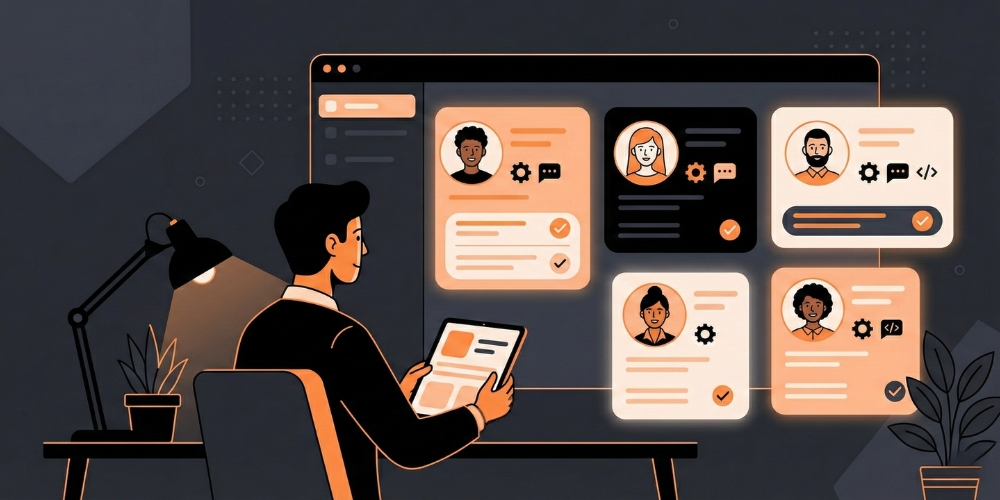
Candidate screening is the step where you sort prospective candidates to see who meets the role requirements. It comes right after applications arrive and before interviews begin. In short, it helps you answer one question with confidence. Who should move to the next stage?
Screening includes reviewing resumes, assessing skills, and ensuring the person meets the role’s must-haves. Research on blind auditions in symphony orchestras found that using anonymized, structured screening steps reduced gender bias and raised the chances that women would move forward. When orchestras switched to blind auditions, women were about 11 percentage points more likely to advance to the next round, and this change accounts for roughly a quarter of the increase in women hired over time.
Screening is not the same as selecting the final hire. It’s about screening and evaluating candidates so you can move forward with the right list. This early check keeps teams focused and helps you move away from slow manual recruitment screening.
Why Screening Matters

Good recruitment and screening saves time, money, and confusion. When teams skip or rush this stage, they often end up interviewing people who don’t match the basic requirements. That slows hiring and reduces quality.
Screening also protects fairness in hiring. Tools like blind resume screening reduce the impact of name, age, or location on decisions.
Screening also improves job fit. When you clearly understand what is the process of screening, you make consistent decisions and avoid emotional choices. It ensures your talent screening steps stay focused on skills, not assumptions.
Candidate Screening Process (Step-by-Step)
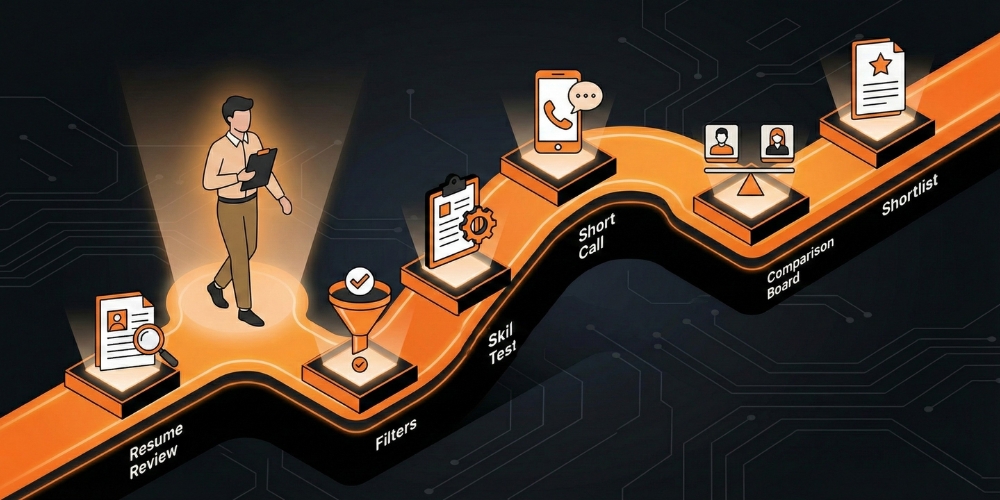
This candidate screening guide outlines a simple way to move from a large pool to a short, sharp list.
Define the role criteria
Write down the skills, experience, and must-have abilities. Clear criteria make it easier to answer what is screening process, and keep hiring teams aligned.
Sort applicants into groups
Decide who qualifies as an applicant vs. a candidate by checking basic requirements. Only candidates who meet the core criteria move forward.
Review resumes
Look through each resume with a calm eye. Pay attention to skills, real work results, and how closely the person fits the role. Focus on what they can do rather than shiny job titles. Using fair steps like blind resume screening, helps give everyone the same chance to move forward.
Screen with tools
Use tools for skill tests, personality checks, and short assessments. Good screening in recruitment replaces guesswork with evidence.
Run short phone or video checks
A short call can help confirm simple details, check how the person communicates, and clear up early questions. Some teams use quick on-demand interview tools or recorded clips to make this step easier and faster for everyone.
Compare candidates
Use a simple scorecard to avoid personal bias. This makes the screening process in recruitment more fair and repeatable.
Final shortlist
Pick the best people who meet the role’s needs and move them forward. Good screening protects teams from rushed decisions and keeps the hiring flow steady.
Tools and Techniques Used in Screening
Recruiters use a mix of simple checks and smart tools to sort people clearly and fairly. The goal is to see who fits the job without slowing the hiring flow.
Resume and Application Filters
Basic filters help teams sort details like education, years of experience, and required certifications. This removes noise and enables you to focus on the most relevant profiles.
Skill and Knowledge Tests
Short tests show what someone can actually do. These tests are helpful because they measure ability rather than relying only on past job titles.
Phone and Video Screens
Short calls or video answers help confirm communication skills, expectations, and interest. Recruiters often use simple question sets so that everyone has an equal chance to show their strengths.
Work Samples
A small sample task or assignment can show how the person thinks and solves problems. This replaces guesswork with proof.
Behavioral Questions
Asking people to talk about real situations from their past can show how they deal with stress, work with others, and meet tight timelines. These moments give recruiters a clearer picture and help avoid wrong assumptions later on.
Common Screening Challenges
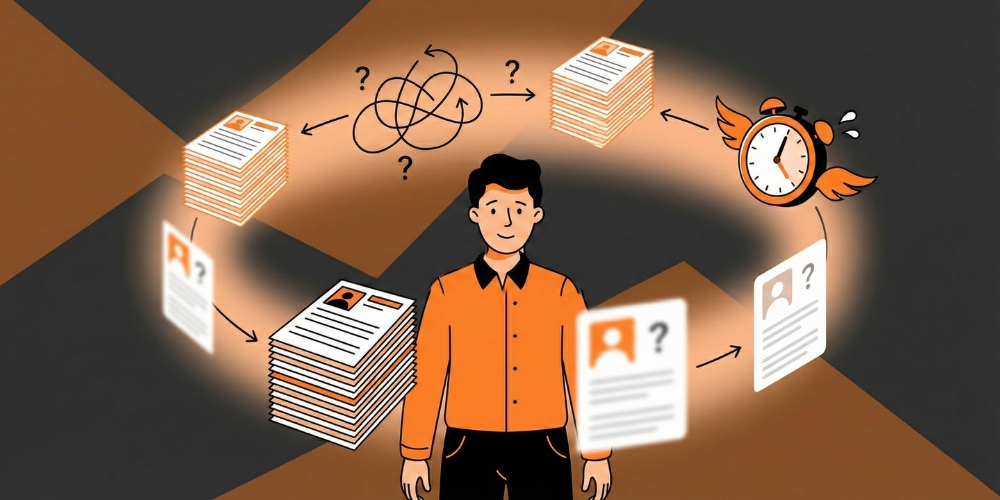
Even with a simple checklist in place, screening can still run into issues that slow the work and make the process feel heavier than it should.
Too Many Applications
When teams receive large volumes of resumes, it becomes hard to give each one proper attention. Without structure, good profiles may get buried under the rest.
Bias in Early Decisions
Unstructured reviews can let personal preference slip into the process. This is why teams are moving toward consistent criteria, scorecards, and fair comparison methods.
Mixed or Incomplete Information
Some resumes leave out key details or show timelines that do not add up. Recruiters often lose time trying to make sense of the gaps instead of moving to the next step.
Time Pressures
Hiring teams sometimes rush decisions when a role needs to be filled quickly. This can cause strong candidates to be skipped too early.
Inconsistent Team Feedback
When everyone on the hiring team judges applicants in their own style, the whole flow can feel a bit out of sync. A shared checklist helps bring people closer to the same approach and keeps the process from drifting all over the place.
How AI Improves Candidate Screening
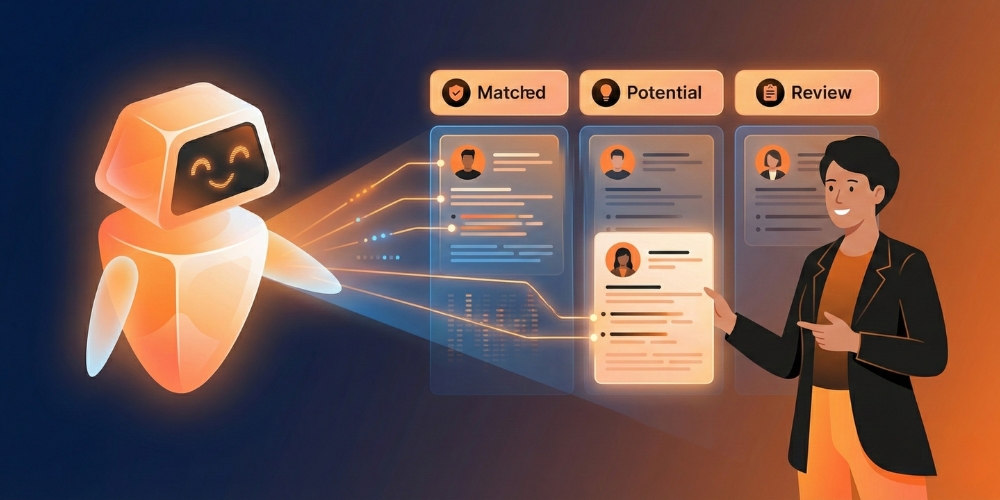
AI tools take care of the small tasks that repeat again and again, which helps the early stages run more smoothly. They are not meant to replace recruiters. They simply keep the work organized and reduce mistakes that can slow hiring.
Faster Sorting
AI can review many resumes at once and highlight candidates who match the skills you requested. This makes it easier for teams to build a shortlist without wasting time.
Better Signal Detection
Some tools analyze patterns in job history, skills, and work samples to give recruiters a clearer picture of fit. These tools help you catch details that might be missed during a quick manual review.
Reduced Bias
Some studies point out that AI can behave more fairly when it is trained with clean data and checked regularly by real people. A 2024 paper in the journal AI showed that small adjustments in how a model reads information can lower unfair patterns during resume screening. When teams guide the tool closely, the whole process feels more balanced for people who apply.
Better Culture Insights
There are tools that look at early signs of culture fit by studying how someone communicates and what they focus on when they respond. These tools only offer clues. They do not make the final call. Recruiters still decide what feels right for the team.
Organized Responses
AI can sort video replies and short tests by grouping similar ideas and pointing out parts that matter. This makes it easier to review each person in the same way and give everyone a fair look.
Best Practices for Recruiters
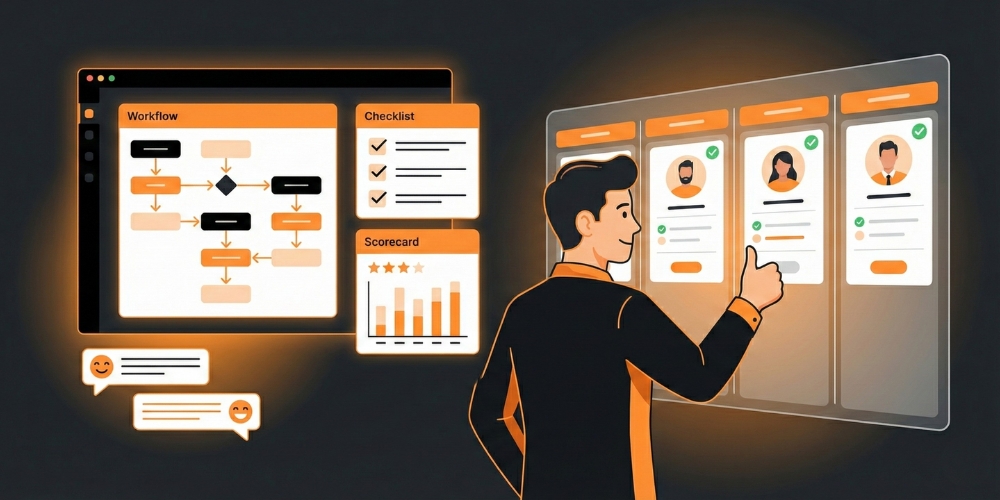
To make your screening process fair and straightforward, a few habits can help keep your workflow strong.
Use Clear Criteria
Write down what matters most. Skills, must-haves, and nice-to-haves should be visible to the whole team. This keeps decisions consistent.
Keep Assessments Short
Long tests or long calls push people away. Most folks will not stick around if the first step feels heavy. Keep the tasks small and tied to the real work so they can show what they can actually do.
Compare With Scorecards
A simple score sheet helps the team stay on the same track. It stops everyone from drifting into personal opinions. It also makes feedback easier to follow later.
Communicate Early
Give people a quick idea of what will happen next. A small message about timing or the next step helps them stay relaxed and feel included in the process.
Balance Tools and Judgment
Tools can take care of the routine work, but they should not make the final choice. A person still needs to look at everything together and decide what makes sense.
Review Each Stage Regularly
Hiring needs shift over time. Look over your process every few months and fix any steps that slow things down or no longer fit your goals.
Conclusion
A clear screening process makes hiring feel easier and steadier. When you break the steps down and check people in a fair and simple way, it becomes much easier to move from a long list of names to a small group that actually fits the role. This kind of approach saves time, helps you spot a real job match, and creates a better experience for your team and for the people who apply.