

TL;DR
- Employment screening confirms your identity, experience, and skills.
- Most checks are quick and routine across roles.
- Honest, prepared candidates move through screening faster.
Getting ready for a new job can feel exciting until the paperwork starts piling up. One part that many candidates find nerve-wracking is the employment screening step. You might wonder what companies are looking for, how deep they dig, or whether one old mistake might slow you down.
The good news is that screening is primarily a transparent and predictable process. Once you have clarity about what happens behind the scenes, you can move through it with confidence. This blog walks you through the whole flow so you know what to expect and how to prepare.
What Is Pre-Employment Screening?
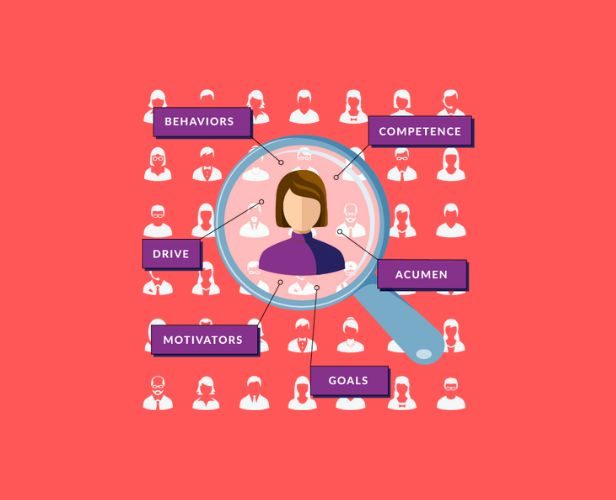
What is pre employment screening? It is a set of checks that help companies confirm who you are and whether your experience fits the role. Recent data shows that approximately 95 percent of US employers conduct employee background checks during the hiring process.
Many companies run these checks before sending an offer, while others do it after you accept. These checks vary by job, industry, and local laws.
To put it simply, screening protects companies from hiring mistakes and helps teams stay compliant. It also gives candidates a fair chance because everyone goes through the same pre screening process for employment. Some roles require more detailed checks, especially jobs involving finance, healthcare, education, and security.
People often ask what does pre employment mean, and the answer is simple. Anything that happens before the final hiring decision falls under the pre employment process, including assessments, interviews, and background checks. For some companies, this also includes reviewing a pre employment affidavit, which confirms that all the information you shared is correct.
You might also hear the phrase pre hiring meaning, preliminary screening meaning, or define pre employment in job guides. All of these point to the same idea. Before someone joins the team, the employer needs sufficient information to make an informed, safe decision.
This is also where companies sometimes add modern tools like AI screening for culture fit to support better hiring choices while keeping human judgment in control.
Interactive Hiring Path Puzzle
Drag the steps into the correct order, then hit “Check Order”.
What Employers Check During Pre-Employment Screening

During the pre employment screening process, companies look at a few key areas to make sure the information you provided is accurate. These checks vary by industry, but most employers focus on four main categories.
Identity Verification
Employers confirm your legal name, ID documents, and eligibility to work. This keeps companies compliant with labor and immigration laws. Identity fraud cases rose by over 20 percent globally in 2023, which is why companies take verification seriously.
Employment and Education History
Many employers take a careful look at your past roles, the dates you worked, your degrees, and any listed credentials. A survey found that 75 percent of human resource managers have found false information on a resume.
Criminal Record Checks
These checks follow the rules set in each country. Some places allow only a small amount of information to be reviewed, while others require permission before anything can be accessed. Roles that involve trust, money, or sensitive data usually go through a closer review. The purpose is not to penalize candidates. It is to protect the workplace and keep the process fair for everyone.
Skills Tests and Job Assessments
Some employers use short skills tests or screening interview questions to evaluate how well you can perform specific tasks. For example, customer service roles may include communication checks, while tech roles may require coding tests.
Additional Checks When Needed
This might include reference checks, financial history for sensitive roles, or medical evaluations where required by law. Companies may also run a pre employment screening procedure that involves reviewing documents like certifications, licenses, or portfolio samples.
For more regulated industries, employers may perform a pre employment background screening, which provides a deeper view into a candidate’s past.
Spot the Red Flag in Candidate Profiles
Tap a profile to see which one needs a closer check.
- 3 years in same field
- Verified degree
- Stable job history
- Job dates not matching resume
- Missing license info
- Unverified experience
- Valid documents
- Good references
- No gaps in history
Why Pre-Employment Screening Matters

Screening helps both employers and candidates. With stronger hiring checks, companies reduce turnover, prevent fraud, and maintain safety. It is reported that bad hires cost companies nearly 30 percent of the employee’s first-year earnings.
Accurate pre employment checks also create a level playing field. Everyone follows the same steps, and this lowers the chance of bias while adding more fairness to the hiring process. It also encourages careful and responsible decisions, especially in fields where trust plays an important role.
This process also gives candidates clarity. You know what is required, what to prepare, and how to move forward. It’s also the stage where some companies compare manual and digital tools. For example, older teams still rely on manual recruitment screening, while others use software to speed up documentation, ID checks, reference calls, and more.
What Candidates Should Expect

Walking into an employment screening stage feels much easier when you know what’s coming. Most companies follow a clear flow, and the steps don’t take long when your documents are ready.
First, expect basic identity checks. This includes your full name, government ID, and your right to work in the country. After that, employers review your work history, education, and references. If the role requires it, you may complete small skills tests or answer short questions related to the job.
Some companies will contact your past employers, especially when the position involves trust or financial responsibility. If the job requires certifications, licenses, or medical clearance, you may be asked to submit those as well. You may also complete a short interview, often called a job screening, where the company gets a closer look at your experience and communication style.
For roles that involve more responsibility, employers may ask you to read or sign a pre employment affidavit to confirm that the details you provided are correct. This step is simple and helps keep the process fair for every applicant.
Throughout this stage, you may receive a quick call or message if anything needs clarification. As long as your details match, the process moves smoothly.
Common Issues and How to Avoid Them
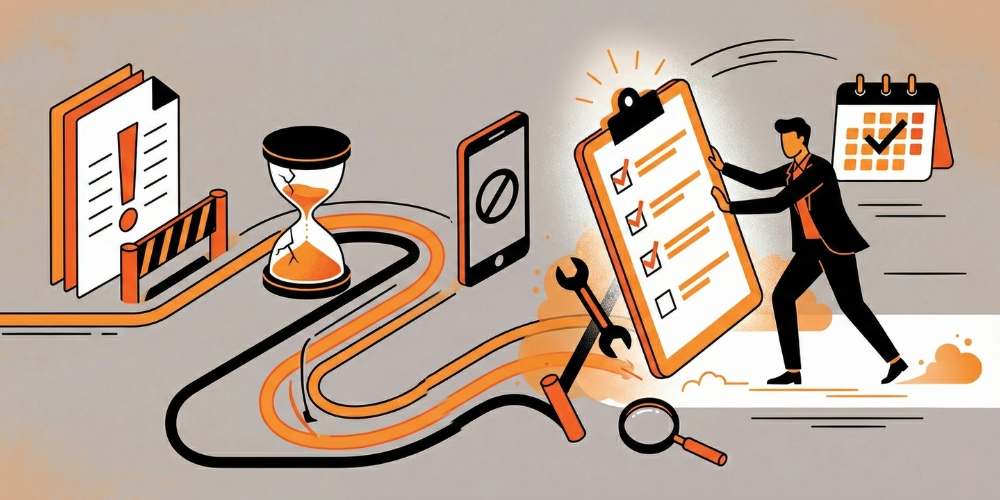
Screening can hit small bumps, but most are avoidable with a bit of preparation.
Missing or Incorrect Information
Minor errors, such as incorrect dates or job titles, can slow things down. Before submitting your application, double-check everything so employers don’t have to pause the pre employment screening procedure to chase missing details.
Delayed Reference Replies
Some candidates forget to alert their references. When companies try to contact them and get no answer, screening takes longer. A quick heads-up to your references keeps the flow moving.
Old Records You Forgot About
Sometimes past issues show up, even minor ones. If something might appear in the pre employment screening process, tell the employer beforehand. Being upfront shows professionalism and prevents surprises.
Confusion About Documents
Some jobs need special certificates or training records. If the role has these extra requirements, keep your documents in one place so you can send them right away when asked.
Slow Background Check Turnaround
Checks may take longer during high-hiring seasons. Responding fast to emails and keeping documents ready reduces delays. If the company is using modern tools instead of manual recruitment screening, things usually move faster.
Staying organized and being transparent are the two best ways to avoid delays.
Fix the Delay: Problem Solver
Tap a cause on the left, then tap the matching fix on the right.
Causes of delay
Matching fix
Conclusion
A smooth screening experience starts with understanding what employers look for and how the process works. When you know the steps, you’re better prepared to move through them without stress. Most checks are simple and designed to confirm your information, not catch you off guard. With the proper preparation and honest communication, the path to your new job stays clear and steady.
FAQs