
TL;DR
- Crack the PM interview by knowing the key rounds in advance.
- Show product thinking, user focus, and data-driven decisions.
- Solid product manager interview prep improves confidence and results.
- Avoid common mistakes such as feature-first answers or unclear communication.
- A strong mix of product sense, analysis, and storytelling helps you stand out.
You’ve spent nights scrolling job boards. You’ve imagined yourself as the next big PM. The problem is that many candidates freeze when the interview starts. You know your resume looks strong, but the real game begins when someone asks: “Design the next-gen social app.” Without a clear plan, even the most talented folks get lost.
This product management interview ultimate guide is here to help you break the cycle. You will learn what to expect in a PM interview, typical questions and answers, interview formats, and how to prepare so you don’t just show up and shine.
What to Expect in a Product Management Interview
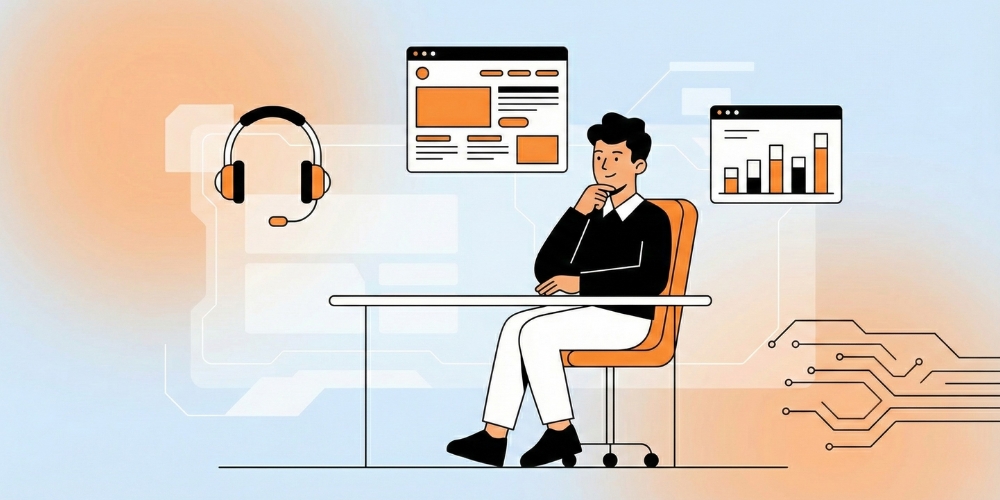
When you apply for a PM role, the journey rarely ends with just one call. The process usually has a few common stages:
- First comes a resume screening in the recruiting or pre-screening process, where the recruiter or HR checks if your background fits.
- Next, a screening interview (often a phone or video call) to evaluate basics: why you want the role, what you know about product management, and any relevant past work.
- Then a deeper round: product questions, behavioral questions or a case study/product-sense exercise to test how you think about real problems.
- Some companies add a technical or analytical round (especially for technical PM roles) to assess how well you reason with data, metrics, and trade-offs.
- Finally, sometimes there is a loop with multiple interviews in a single session, often involving cross-functional stakeholders or senior PMs, especially for senior or high-stakes roles.
The interview process is competitive from the very start. On average, only 3% of applicants get invited to an interview, and only 27% of those candidates receive an offer. This makes intense product manager interview prep even more critical from the first step. So be ready for a multi-stage process. If you go in thinking there’s just one “interview,” you might get caught off guard.
Common Product Management Interview Questions (with Answers)
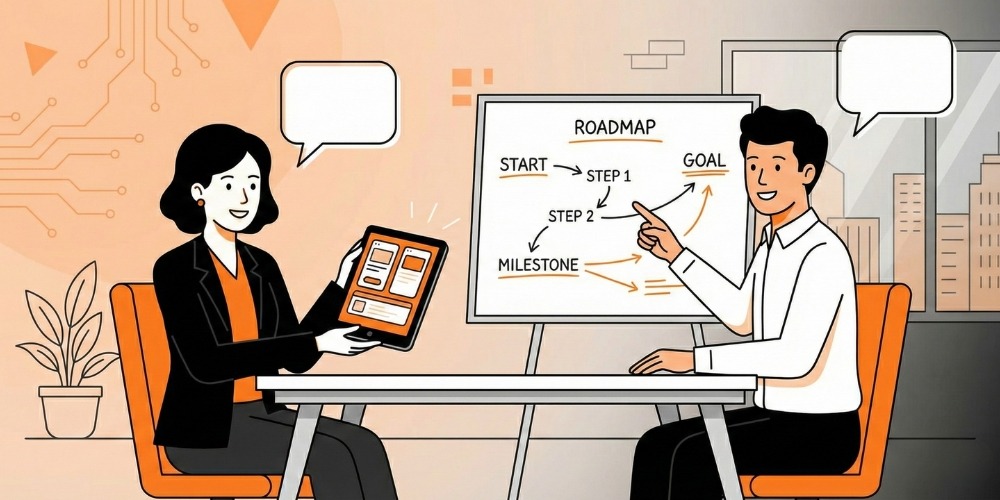
Here are some of the questions you are likely to encounter in a PM interview, and how to approach them simply but effectively:
Q: What does a Product Manager do?
A: You can say a PM works at the crossroads of business, technology, and users. A good answer: “A PM defines product vision, coordinates with designers and engineers, decides priorities, and ensures the product solves real user problems while delivering business value.” Mention a couple of core responsibilities, such as roadmap planning, user research, and data-driven decision-making. This shows you understand the breadth of the role.
Q: Suggest a new feature for our product.
A: Start by asking clear questions about the users and the problem. Who will use the feature, and what are they struggling with? After that, share your idea, explain the value it brings, and point out how you would track results such as engagement, retention, or revenue growth. This shows that you think like a product manager instead of guessing what might work.
Q: Tell me about a time you made a data-driven decision.
A: Use simple structure. Define the situation, explain the data you used, show the decision, and highlight the outcome. Interviewers want to see how you balance intuition with evidence and how you communicate clearly.
Q: How would you improve an existing product?
A: Identify user pain points, propose improvements, prioritize them, and suggest metrics to track impact (monthly active users, retention, conversion, etc.). This shows you think end-to-end: users, design, business goals.
PM Interview Formats Explained
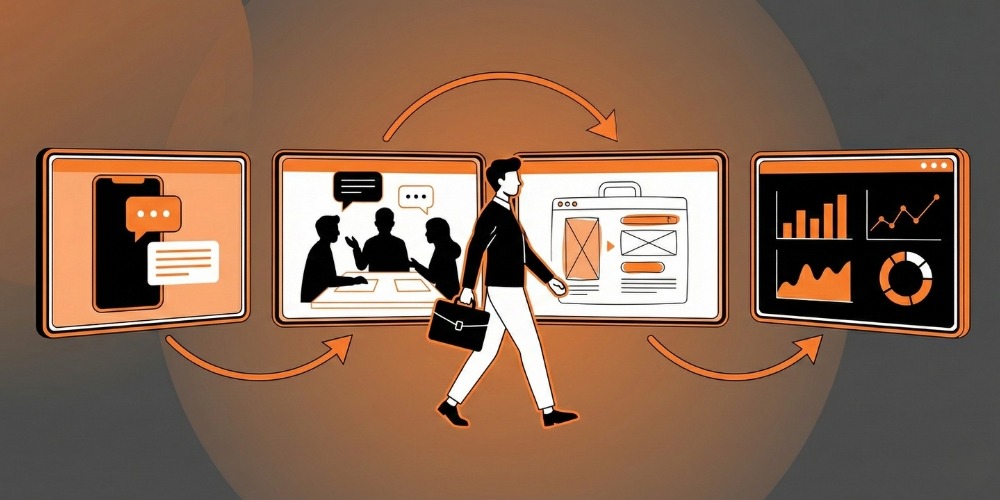
Many companies rely on structured interviews to keep the hiring process consistent and fair. In fact, 72% of organizations now use structured interviews to standardize evaluation. Different companies and roles have slightly different styles, but most of the time, you’ll see the following formats in product management interview ultimate processes:
Phone/Recruiter Screen
A short call to review basics. The recruiter checks whether your background, resume, and motivations align with the role. This is often the pre-screening process, so treat it seriously.
One-on-One or Panel Interview
Here, you may face behavioral questions, general product questions, or even light technical/analytical ones. This helps interviewers gauge how well you articulate, collaborate, and think.
Case Study/Product-Sense Interview
This is where many candidates struggle. You get a prompt: design a new feature, improve a product, launch in a new market, or rethink user flow. You need to walk through the problem, users, solution, trade-offs, and success metrics. Many companies use this because it simulates real PM work.
Some case studies are take-home (you prepare offline and then present). Others happen on the spot during your interview loop.
Technical/Analytical Round (for some roles)
If the role involves working closely with engineering or data, companies may test your technical literacy or analytical reasoning. You might be asked to think about metrics, funnels, data analysis, or trade-offs.
Full Interview Loop (for Senior/Competitive Roles)
For high-level roles (senior PM or prominent tech roles), the process may include multiple rounds: behavioral, product sense, case study, and technical/analytical. Each interviewer may focus on a different competency.
How to Prepare for a Product Management Interview
A smart product management interview prep plan makes each step feel easier. Think of it as training for a sport. You build skills one by one, so you’re ready when the game starts. Here is a simple approach for PM interview prep that works:
Study product sense
Learn how to define a user problem, propose solutions, and explain how you’d measure success. Practice with real apps you use every day.
Build your business thinking
Show that you understand market needs, business goals, and competition. Companies want PMs who can think about value, not only features.
Refresh analytical skills
Practice explaining data insights simply. PMs don’t need to be data scientists, but you must be comfortable with metrics such as retention, funnel drop-offs, and activation.
Practice behavioral answers out loud
Share your story in a simple flow. Describe what was happening, explain what you did and talk about what changed in the end. Choose examples that show how you support others, understand their needs, and lead with confidence.
Do a PM study routine
Even 30 minutes a day builds confidence. Reviewing tech PM interview questions, design prompts, or case studies helps you speak clearly when a question hits.
Try mock interviews
Do sessions with a friend, try product management interview coaching, or even a product manager interview course to get feedback.
Review senior-level skills if needed
Going for leadership roles? Look for Sr product manager interview questions and focus on stakeholder alignment, strategy, and influencing without authority.
Prepare for AI-driven PM roles
Some teams now include digital or machine learning features. Check examples of AI product manager interview questions to explain how you’d ship AI responsibly.
Common Mistakes to Avoid
Even strong candidates slip up. Here are some traps to avoid while cracking the project manager interview or PM role interviews:
- Rambling instead of clarifying: Always ask questions before solving a case. It shows structure and confidence.
- Feature-first thinking: Interviewers want to understand why, not only what the feature is.
- Weak collaboration stories: Hiring teams care about qualities of a good interviewer and collaborator, such as empathy, clarity, and staying calm under pressure.
- Ignoring users: Every idea should come back to real people and real problems.
- Not understanding cross-functional roles: Designers, engineers, and business teams must be part of your story.
- Failing to check outcomes: Always connect decisions to success metrics.
- Forgetting early-stage rounds: A screening interview questions round matters just as much as panel interviews.
Small mistakes can build up, but with good PM interview preparation, you avoid surprises and stay in control.
Conclusion
Getting ready with a product manager guide like this reminds you that success in a PM interview isn’t luck. It comes from practice, product thinking, clear communication, a calm approach, and strong storytelling.
If you build the right routine for the preparation of PM interview challenges and stay curious about real user problems, you will feel more confident walking into every round. With the proper preparation, you’re not just answering questions. You’re showing how you think as a real product manager and proving that you’re ready to lead.