

TL;DR
- HR and data analytics turn people’s data into smarter hiring and retention decisions.
- HR teams struggle with messy HR data, limited skills, and slow systems.
- AI tools and HR analytics solutions make insights faster and more accurate.
- A strong data culture leads to greater trust, better processes, and better results.
HR teams sit on tons of data. Hiring data. Pay data. Engagement data. But many still struggle to actually use it. That’s why HR and data analytics have become so important. Without it, choosing candidates feels like guessing, and predicting turnover becomes a monthly fear rather than a planned strategy.
The good news. Smart tools like analytics for HR and AI help people teams make confident decisions. They turn spreadsheets into answers and help leaders see future risks before they happen.
What Is HR Data Analytics?
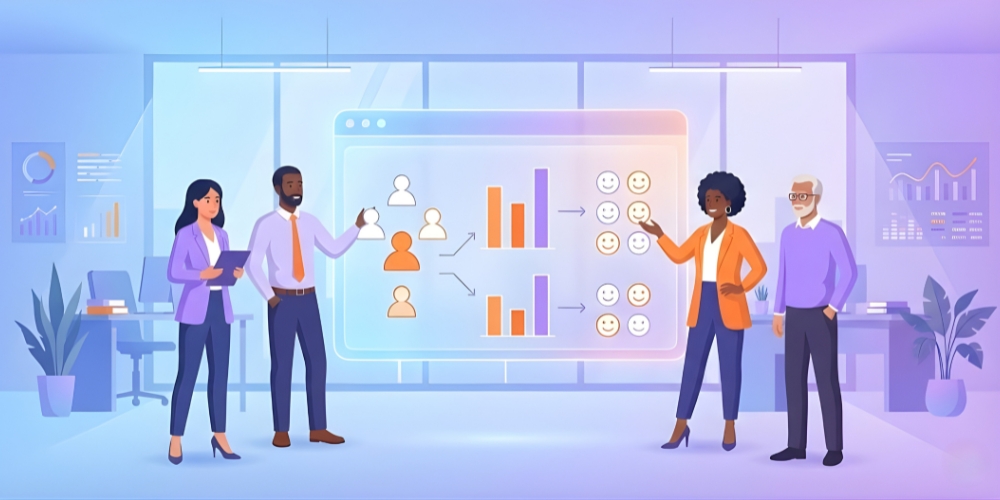
HR data analysis involves collecting, tracking, and analyzing people-related data to improve decision-making. It includes everything from hiring trends to performance scores and even workplace safety data.
Top HR teams use data analytics in HR to:
- Spot hiring gaps.
- Forecast turnover before it happens.
- Improve employee growth and fairness.
- Support workforce planning and analytics to reduce overspending.
It also supports roles like a human resources data analyst, who digs into numbers to uncover patterns leaders can act on. With better tools, HR can measure new ideas like emotional analytics, helping teams understand how employees feel and why it matters.
Missing records, duplicate names, and outdated job titles lead to data analytics issues. Nearly one-third of organizations say poor data quality is a top barrier to successful people analytics, according to a PwC report on people analytics.
What Is HR Data Analytics? Match the Insight
Drag each insight on the right to the matching HR question on the left. When you get them all right, you will unlock a short message.
HR Questions
Insights to Drag
Why HR Analytics Matters
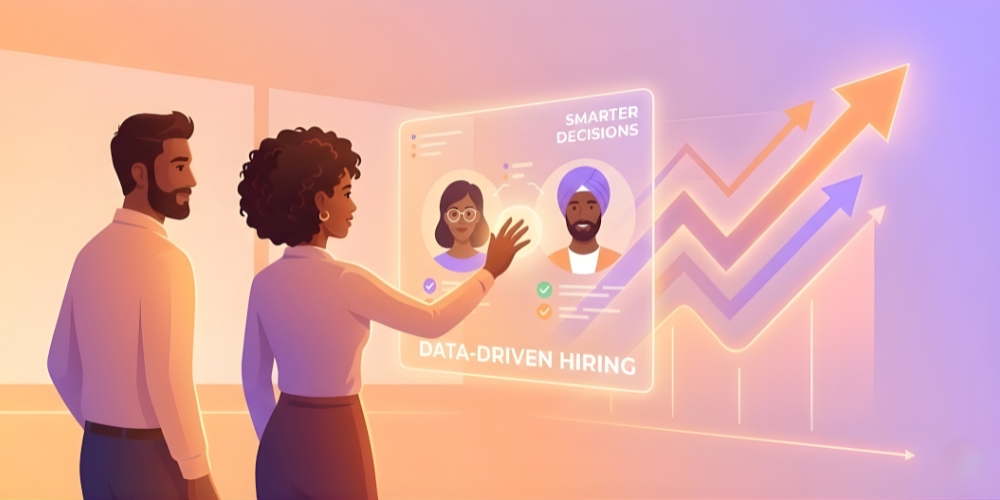
Data helps HR move from “gut feeling” to smart choices that save time and money.
Benefits of HR and analytics include:
- Better hiring accuracy using real-time hiring analytics.
- Fairer promotions and pay decisions.
- Stronger engagement and retention.
- Faster business-wide decision support.
Almost 71% of companies say people analytics matters a lot, yet only 8% feel their data is good enough to use, and just 9% feel clear about which talent factors actually improve performance.
As HR becomes more digital, leaders need trusted, clean, and easy-to-understand data. This is where HR analytics services help fill the gaps.
Why HR Analytics Matters: Outcome Calculator
Enter your hiring data to see how many hours and costs you can save by using smart HR analytics.
Common HR and Data Analytics Challenges
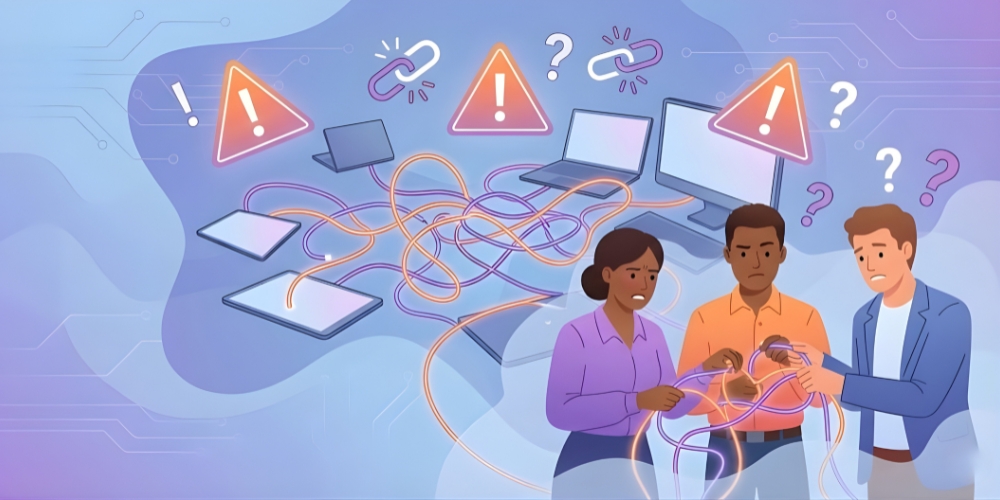
Even with great tools, people teams hit real-world problems with HR data and analytics:
Bad data quality
Missing records, duplicate names, and outdated job titles create problems with data analytics. When information is messy or incomplete, HR teams struggle to trust the results and use data to support real decisions.
Siloed systems
Payroll, ATS, learning tools, and engagement apps do not talk to each other. This creates data analytics issues where combining useful information becomes slow and painful.
Gaps in data skills
Most HR pros weren’t trained in statistics. The role of a human resources analytics manager staffing agencies usually fill is becoming more common because companies need experts who can read complex dashboards without confusion.
Privacy and compliance concerns
Especially with big data HR or big data and human resources, leaders worry about security and fairness. Mishandled insights can risk discrimination claims or compliance penalties.
Slow insights
If a forecast arrives late, HR cannot act in time. HR analytics solutions must support fast action, not just create pretty reports.
Common HR and Data Analytics Challenges
Tick each challenge your team faces and get a quick, practical tip to handle it.
The Role of AI in Solving HR Data Problems
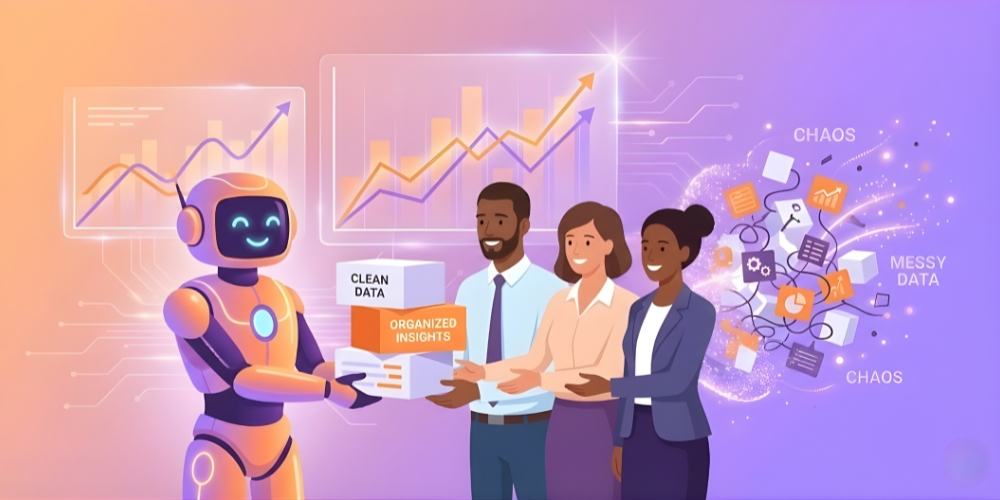
AI has made HR and data analytics faster, cleaner, and more actionable. It helps HR teams address some of the biggest blockers, such as messy data, manual reporting, and slow insights.
How AI improves HR data work:
- Cleans and connects data from different systems.
- Spots hiring risks early using predictive insights.
- Helps reduce bias by scoring skills more fairly.
- Speeds up decision-making using automation.
AI-powered HR analytics solutions also support smarter workforce moves. For example, big data and HR forecasting tools can suggest who needs training, who might leave soon, and how many people a team will need in the future.
It’s not about replacing HR. It’s about giving people teams more time to support fundamental human needs.
The Role of AI in Solving HR Data Problems
Switch between the views to see how HR workflows look without AI and with AI.
How HR Can Build a Strong Data Culture
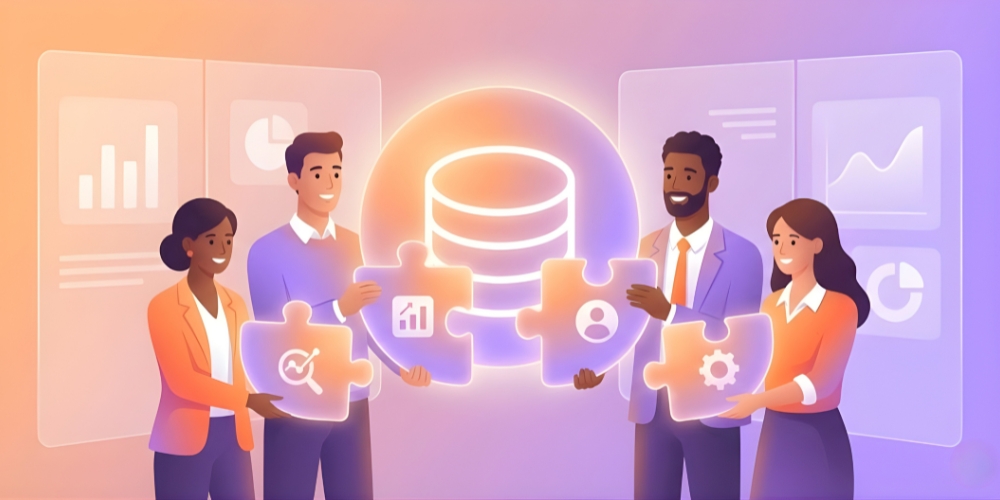
Tools are useless without trust in the data. A strong HR data culture keeps everyone aligned on what the numbers mean and how they should guide decisions.
Here’s what helps:
- Clear rules for data entry and updates.
- Training on dashboards to ensure everyone understands the results.
- Leaders who support decisions backed by HR data analysis.
- Celebrate wins where data-driven decisions led to better outcomes.
Teams can also reduce data analytics issues by giving HR pros access to the right learning. Over time, a human resources data analyst becomes a partner to the entire company rather than a backroom number cruncher.
How HR Can Build a Strong Data Culture
Read each HR situation and pick the move that builds a stronger data culture. You will see instant feedback for every choice.
Recruiters keep skipping fields in your ATS when logging interviews. You want them to use the system properly.
A senior leader asks you to decide on a hiring freeze by tomorrow, but there is no clear data ready yet.
Your company adds a new HR analytics tool. Different teams start using it in their own way and the data looks inconsistent.
Future Trends in HR Analytics
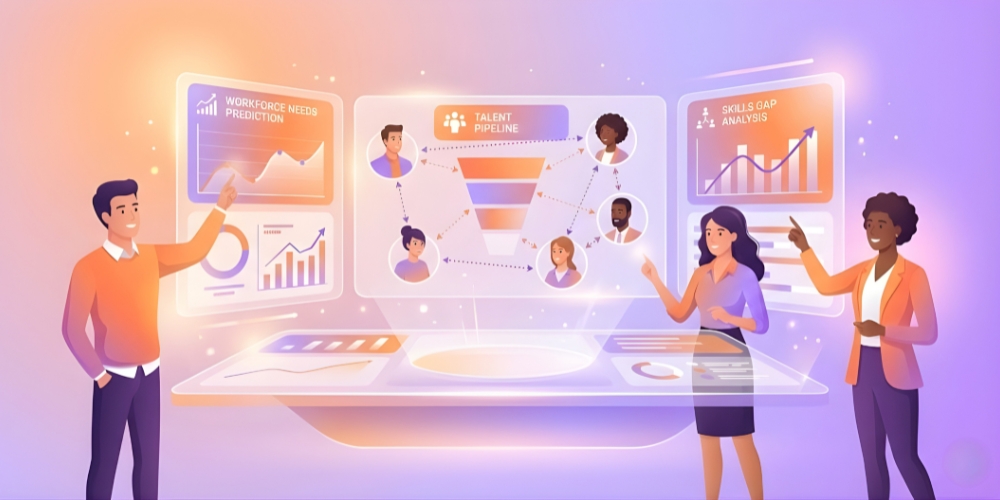
The future of HR and analytics is smarter, faster, and deeply personal to each employee.
Changes that are already moving HR forward:
- Technology that helps HR notice when someone may leave soon, so they can step in earlier.
- Reports that update on their own and make workforce planning and analytics less of a headache.
- Extra checks inside tools to keep decisions fair and based on the right reasons.
- More everyday use of big data and human resources tools to guide how people are hired, trained, and supported.
- Findings based on behaviors such as emotional analytics to support employee well-being.
- Quick access to insights through real-time hiring analytics when filling roles.
As more teams invest in HR analytics services, data will no longer sit in the background. It will guide daily choices and help HR create stronger workplaces where people feel supported, and the business sees steady growth.
Conclusion
Strong data helps HR solve hiring delays, turnover worries, and skill shortages with confidence. When teams fix data quality, strengthen skills, and apply smart AI tools, HR data and analytics become a real competitive advantage. For people leaders ready to grow, this is the path from reactive to proactive HR.
FAQs
Poor data quality, disconnected systems, privacy concerns, and limited data skills inside HR teams.
AI cleans data, highlights trends, reduces bias, and accelerates insights, so HR can act earlier with greater confidence.
Dashboard reading, basic data interpretation, privacy knowledge, and the ability to turn numbers into simple recommendations for leaders.