

TL;DR
- Game-based assessments replace boring quizzes with engaging tasks.
- They measure how you think, solve problems, and react under pressure.
- Research shows strong reliability when designed by experts.
- Better candidate experience and quicker screening for recruiters.
- Best results come when you relax and treat it like a simple game.
Imagine you apply for a job and get sent a five-minute game instead of an extended test or another boring quiz. It sounds fun, and that’s the point. The problem with many traditional assessments is that they feel rigid, stressful, and unnatural. Many people underperform not because they lack skills but because they freeze up under pressure.
That is why game based assessment is gaining ground. By wrapping candidate evaluation inside an interactive game, employers get a clearer sense of how you think and act under realistic conditions. In this blog, you will learn what game based assessments are, how they work, what they measure, and how they can shape hiring.
What Is a Game-Based Assessment?
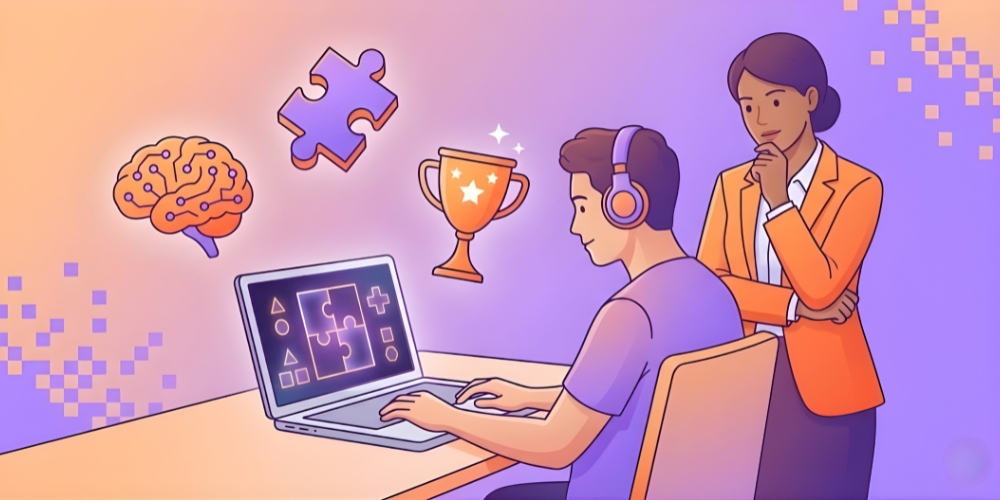
A game based assessment is a test disguised as a game. Instead of answering static questions, you solve puzzles, complete challenges, make decisions, or navigate tasks, all in game form.
These assessments aren’t just for fun. They are carefully designed psychometric tools that aim to evaluate how you think, how you behave, and how well you might perform at work, without the stiffness of a traditional test. In fact, a recent study based on 11,574 completed game based cognitive assessments found that such tests achieved a convergent validity of r = 0.50 and a test–retest reliability of r = 0.68.
Many are done online. You click play, perform tasks, and your performance is recorded and scored. Because of their interactive and immersive format, game-based assessments often feel more natural and less intimidating than classic timed tests or lengthy questionnaires.
How Game-Based Assessments Work
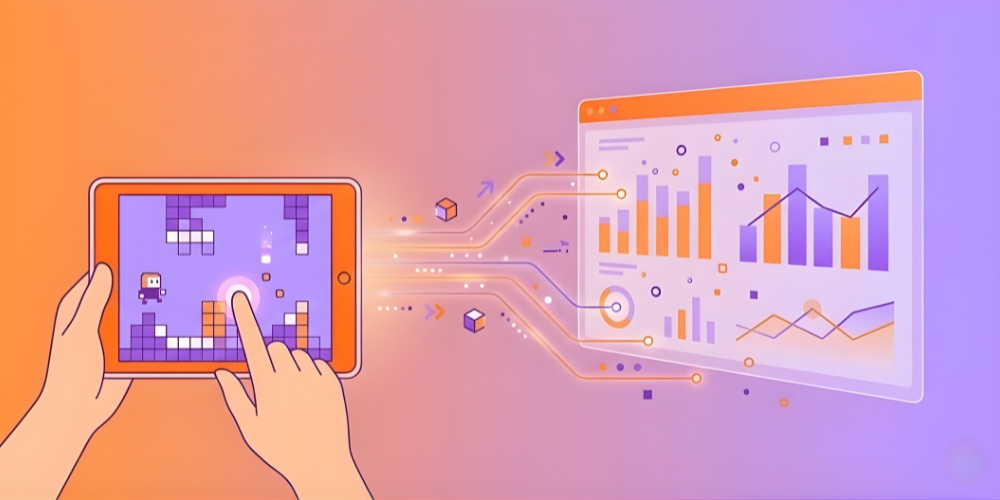
Game-based assessments operate by turning evaluation into a sequence of game-like tasks. Often you’ll see: scoring systems, levels, adaptive difficulty, time-bound challenges, and immediate feedback or progress indicators.
Here’s how it usually happens:
- You get a link (on web or mobile) and start the game whenever it suits you. Many prefer to do it on their phone.
- As you play, the system records data points: how fast you react, how well you solve puzzles, how you manage risk or mistakes, and how you adapt to increasing difficulty. This helps translate gameplay into meaningful data about your thinking, behavior, and character.
- At the end, you get a score, sometimes with feedback. Recruiters then use that score to shortlist or evaluate candidates alongside other tools (CV, interviews, etc.).
Because gameplay can adapt to your performance and capture fine-grained behavior rather than just right/wrong answers, this method can reduce biases and give a richer view of who you are.
Skills Measured by Game-Based Assessments
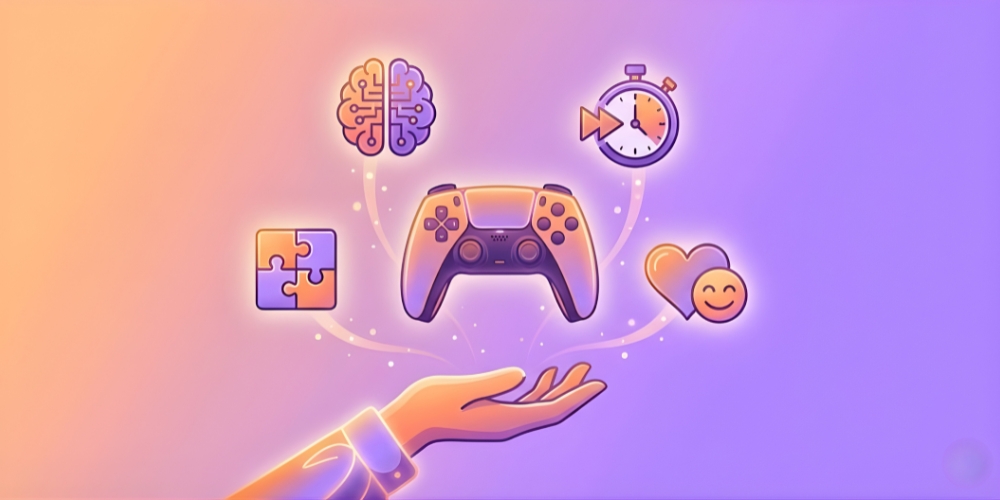
Game-based assessments can evaluate a wide range of abilities, from hardcore mental skills to personality traits. Here are some commonly tested skills:
Cognitive Abilities
- Memory, attention, and working memory.
- Logical reasoning and problem-solving.
- Mental speed and flexibility.
- Numerical or spatial reasoning (depending on the task).
Behavioral Traits & Soft Skills
- Decision-making under pressure (for example, risk-taking vs. caution). Some tasks are based on classic psychological models, such as “pump-the-balloon until risk is too high.”
- Emotional awareness and social judgment (some advanced assessments include tasks that gauge empathy or emotional reaction).
- Adaptability, resilience, multitasking, and how someone handles unexpected challenges.
Job-Simulation & Role-Specific Skills
Some game-based assessments go beyond general mental or behavioral traits. They simulate aspects of real tasks you might do on the job, such as analyzing data, managing resources, dealing with customers, and making decisions under time pressure, giving employers a sense of how you might perform day to day.
This mix of skills, cognitive, behavioral, and situational, gives a fuller picture than just asking what’s on your CV. It helps companies see your natural abilities, thinking style, and how you respond, rather than just what you claim to know.
Benefits of Game-Based Assessments
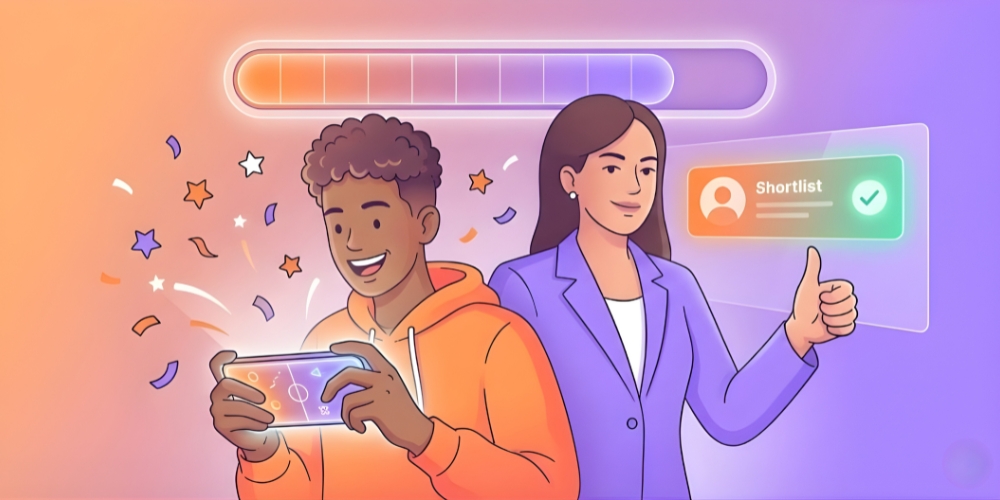
Game-based assessments help both employers and candidates feel more comfortable in the hiring process. They are modern and mobile-friendly, making testing feel less like a school exam and more like a real-world challenge. According to hiring-industry data, around 78% of candidates say gamified hiring tests make a company more appealing, and employers that use these tests report up to 29% better accuracy in predicting job performance compared with traditional tests.
Key benefits include:
A more natural way to show skills
Candidates act instead of guessing answers. This gives hiring teams a clearer view of how someone performs under pressure or in the face of change.
Better candidate experience
Short games hold attention and reduce stress, especially compared to long personality or aptitude tests. More applicants finish them and feel the process is fair.
Useful for early screening
Large hiring teams can screen thousands of applicants quickly and move only the right ones forward. This can also support a smoother flow of employee skills assessments within organizations.
Stronger employer brand
Using the latest game assessments shows that a company is future-focused and cares about better hiring experiences for all candidates.
Potential Challenges of Game-Based Assessments
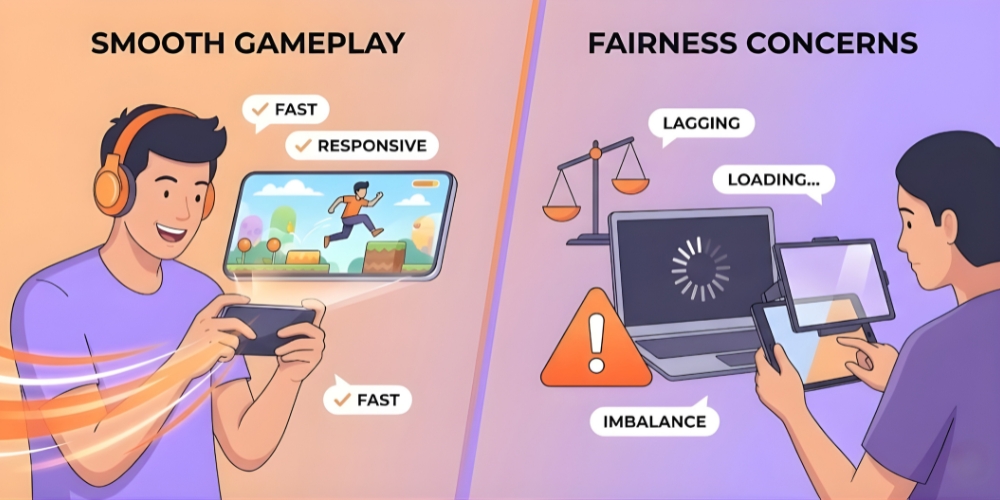
Even a smart tool has limits.
Device differences
Not everyone plays on the same screen size or at the same speed. A slow phone should not hurt someone’s score. Good test design solves this, but some tools still need improvement.
Accessibility
Candidates with specific disabilities may require adjustments so every test remains fair. This is an important step that all providers must take seriously.
Understanding the results
Scores are full of data. Recruiters may need support or candidate assessment tips to interpret results correctly and combine game insights with interviews or job-related tests.
Over-reliance on one tool
Games cannot replace complete hiring. They work best as one part of a balanced selection process.
How Recruiters Use Game Based Assessments
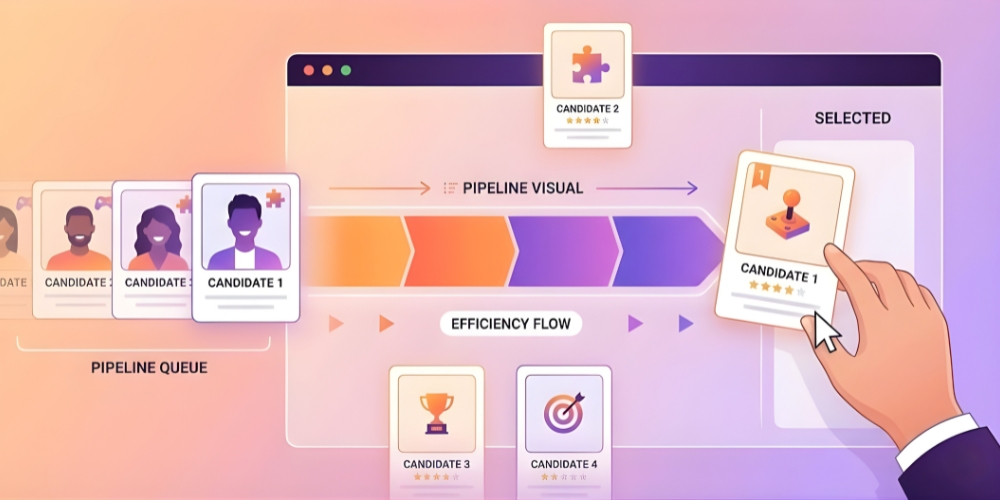
Recruiters use game based assessments in different ways depending on the role and volume of applicants.
The most common uses include:
Early-stage screening
Games help narrow a long list of applicants into a smaller group that shows stronger problem-solving and soft skills.
Evaluating potential in fresh graduates
When work history is short, skills from games for interviews give a fairer way to compare future talent.
Spotting thinking styles for specific roles
A game based cognitive ability assessment can reveal how someone processes information, reacts to risk, or switches tasks, all key parts of many job roles today.
Building diverse teams
Because tests assess behavior rather than just background or education, they help widen the talent pool.
The Role of AI in Game-Based Hiring
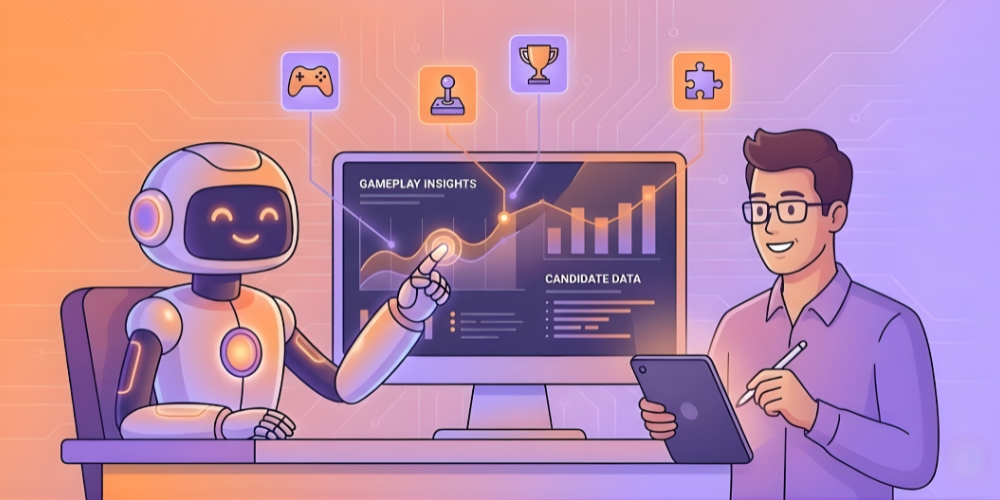
Artificial intelligence adds more power to game-based assessments.
Here’s how AI helps hiring teams:
Real-time scoring
AI analyzes thousands of micro-actions, such as reaction time, decision patterns, and problem-solving routes.
Fairer evaluation
AI tracks behavior instead of written answers, which helps reduce bias in tests.
Better predictions
AI can compare your performance with that of successful employees in the same role. This helps match the right person to the right job.
Fast hiring
Recruiters receive clean results and insights quickly. This is where AI tools for talent assessment stand out by saving time and effort on manual review.
Conclusion
Game-based hiring is not a passing trend. It is a smarter way to discover how people think, react, and solve real problems. When used correctly, game based assessment supports stronger decisions, happier candidates, and better job matches.
If you want to use modern hiring tools, this approach is a strong step toward fair and engaging recruitment.