
TL;DR
- Companies grow faster when people grow inside the company.
- Employees stay longer when they see clear paths forward.
- Internal mobility saves time and hiring costs.
- Teams work better because skills already match culture and goals.
- Modern tools now help make internal moves faster, fairer and easier to guide.
Hiring from the outside feels harder every year. Salaries climb. Skill gaps widen. Teams wait longer for the right talent. And while companies search for new people, many strong employees leave because they don’t see growth opportunities. This is the real cost hiding behind stalled career paths. That’s where the benefits of internal mobility start to matter.
The fix is simpler than most teams expect. Build clear career routes, open internal roles to existing staff and use modern tools to help people move into the right places. Internal mobility keeps talent engaged, reduces hiring pressure, and gives leaders more support for strategic workforce planning.
What Is Internal Mobility?
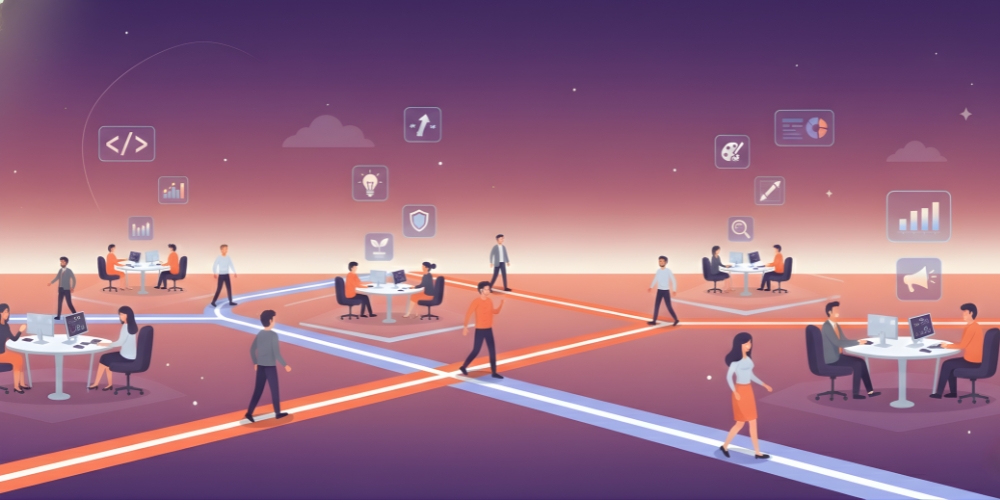
Internal mobility means giving employees the chance to move into new roles inside the company. These moves can be promotions, lateral shifts, project assignments, or even short-term rotations. It works alongside internal and external recruitment strategies, helping teams use the talent they already have before searching elsewhere.
The idea is simple. People grow. Skills evolve. And when employees get room to stretch inside the company, they stay motivated and contribute more value over time.
Why Internal Mobility Matters in 2025
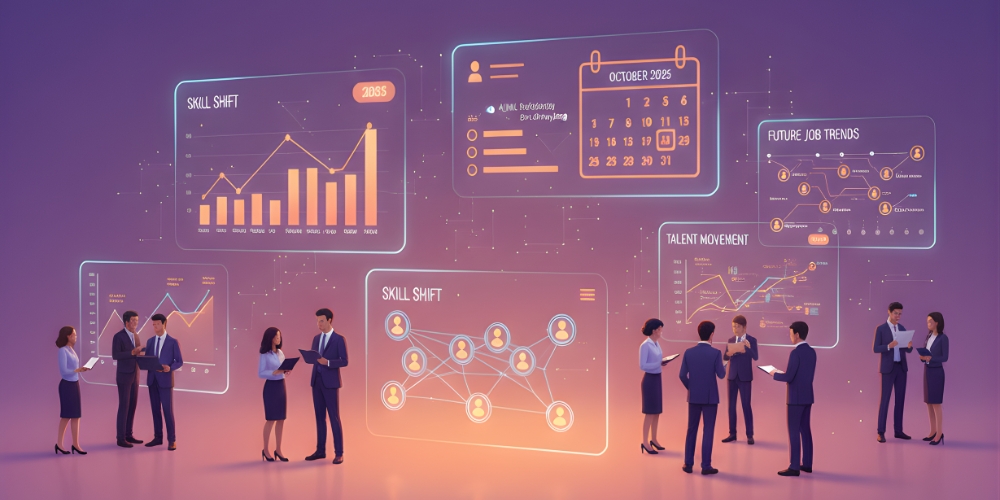
Workplaces in 2025 face more pressure than ever. The World Economic Forum estimates that 50 percent of all employees will need reskilling by 2025 as technology adoption accelerates. Without internal mobility, companies struggle to keep up with skill shifts and market demands.
Internal mobility also improves retention. McKinsey’s HR Monitor 2025 report found that employees who report a positive work experience are eight times more likely to stay with their organization than those who do not. When companies create clear growth paths and real chances to move internally, they support that positive experience in a tight hiring market.
And because mobility reduces time spent searching externally, it lowers costs. One analysis found that external hires cost about 18 percent more than internal promotions and often show lower performance in their first two years, while internal mobility initiatives help reduce both time and cost to fill positions.
2025 Readiness Check
Answer three quick questions to see how ready your company is for internal mobility in 2025.
Top Benefits of Internal Mobility

Internal mobility opens the door to multiple advantages for both employees and employers. Here are the most valuable ones.
Faster Hiring and Lower Costs
Reaching out to external talent takes time. Interviews, assessments, negotiations and onboarding extend timelines. Internal candidates already know the culture and tools which shortens everything. This is also where sourcing vs. recruiting becomes clear. Sourcing targets new talent while internal mobility turns existing talent into the quickest and most cost-effective option.
Higher Retention and Stronger Engagement
Employees stay longer when they can see real growth ahead. Many people leave their jobs because they feel stuck. When a company offers clear internal paths, workers feel noticed and choose to stay. This keeps teams stable and lowers the cost of replacing staff.
Better Skill Alignment
Internal talent already understands the company. Their strengths, habit and work style are known. Matching them to new roles is easier and more accurate. Leaders make decisions with more confidence because they rely on real performance data not just interview impressions.
Stronger Culture and Collaboration
Mobility encourages employees to explore new teams and projects. It breaks down silos and builds collaboration. People share knowledge across departments and make the whole company more connected and agile.
Future-Ready Talent Development
As industries change, companies often feel pressure to build new skills quickly. Internal mobility encourages people to keep learning and growing. The World Economic Forum’s Future of Jobs 2023 report notes that six out of ten workers will need training by 2027 to keep pace with new job needs. Mobility gives companies a way to prepare for this without turning to costly outside hiring.
Top Benefits of Internal Mobility
Use the arrows to reorder the benefits from most important to least important for your company. Then click the button to see what your top choice says about your talent strategy.
Keep strong employees longer by opening clear paths to new roles and projects.
Fill open roles quickly with people who already know your tools, teams and culture.
Reduce spend on external searches, job ads and long onboarding cycles.
Grow leaders from within and reward the behaviors that support your values.
Help people build future-ready skills through moves, projects and stretch roles.
How to Implement an Internal Mobility Program
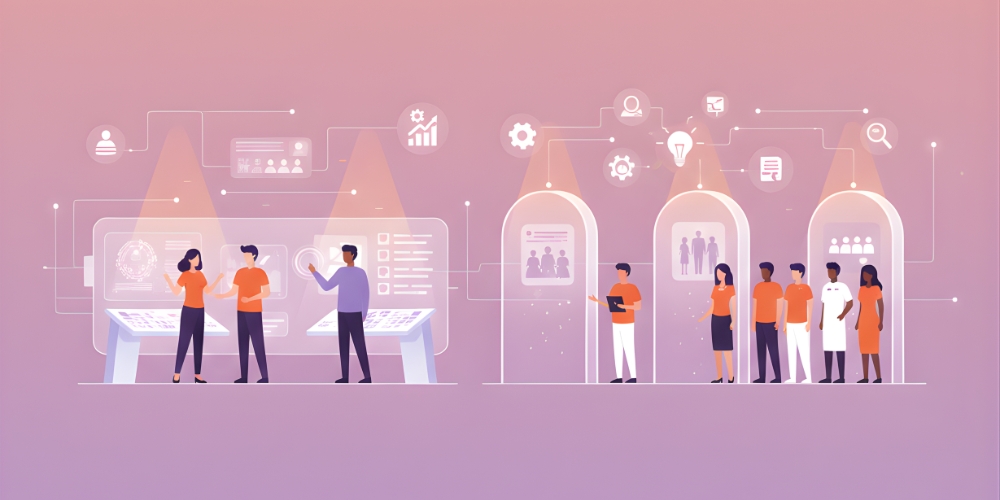
A strong internal mobility program starts with clear communication. Employees should know which roles are open, how to apply and what skills they need to grow. Many companies rely on internal job boards because they keep opportunities visible and easy to explore.
Next, managers play a big role. They need to support employees who want to try new paths instead of keeping talent locked in their teams. Training managers on how mobility works is one of the fastest ways to build trust across the company.
Skill mapping is another important step. When companies understand what skills people have today, they can plan better for tomorrow. This helps teams move talent into the right roles without slowing down work. It also gives employees a simple way to understand what training will help them move forward.
Finally, make the process fair. Use structured interviews, shared evaluation criteria and simple feedback loops. When mobility feels open to everyone, more people take part, and teams benefit from stronger talent flow.
How to Implement an Internal Mobility Program
Tick the building blocks you already have or want to add. Then click the button to get a simple starter plan you can use right away.
Common Barriers to Internal Mobility
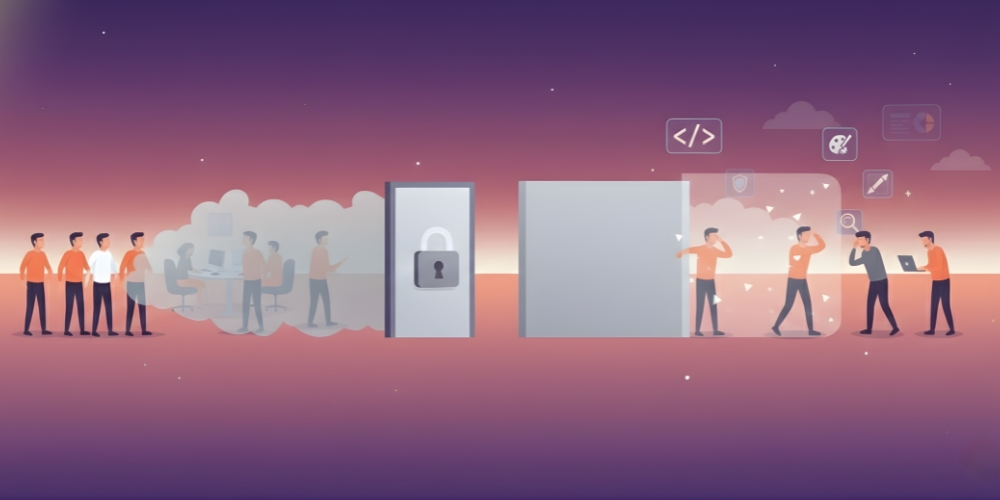
Even when companies support mobility, a few barriers still show up. One common issue is manager resistance. Some leaders do not want to lose strong performers even if the move would help the employee grow. This slows progress and lowers engagement across the company.
Another barrier is unclear career paths. When employees cannot see where they fit or how they can grow, they stay stuck in their current roles. This also happens when job descriptions do not match real work or when skills aren’t tracked well.
Some companies also struggle with process gaps. If internal roles are not shared openly or if employees need permission before applying, the system feels closed. Mobility works best when the rules are easy and fair for everyone.
Technology gaps also hold teams back. Without the right tools to track skills, identify strengths or match people to roles, mobility becomes guesswork instead of a real strategy.
The Role of AI in Enhancing Internal Mobility
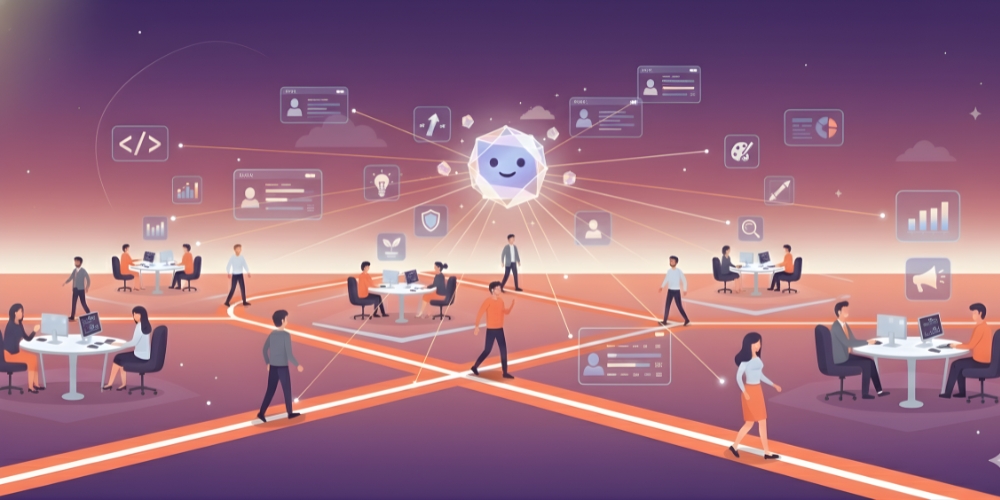
AI makes internal mobility easier by helping companies understand skills at scale. Modern tools analyze work history, projects, achievements and learning patterns. This helps match employees to roles more accurately than manual reviews.
AI also suggests learning paths. When someone wants to move into a new role, the system highlights training that fits their goals. It personalizes development and keeps people motivated.
AI also reduces bias. It applies the same rules to every candidate, making internal hiring fairer and more transparent. It also helps leaders see upcoming skill gaps so they can plan better. This supports long-term growth and strengthens mobility programs across the company.
When companies use AI well, internal hiring becomes faster and more confident, creating a healthier and more connected workforce.
AI Match Simulation
Add a current skill, a role you want to try and a learning goal. See how an AI engine might match you to an internal move.
Conclusion
Internal mobility gives companies a simple way to build a stronger workforce. It helps people grow, keeps teams engaged and reduces the pressure to hire from the outside. With clear paths, transparent processes and support from AI tools, companies can create a workplace where growth feels possible for everyone. This steady flow of talent keeps the business ready for new challenges and future needs.
FAQs
It helps companies keep good talent, reduce hiring costs and support employee growth. When people see real opportunities inside the company, they feel valued and stay longer.
Promotions, lateral moves, stretch projects, cross-team rotations and temporary assignments all count as mobility. These opportunities help employees gain new skills and explore new areas.
AI helps match people to roles based on their skills, interests and experience. It also suggests training, reduces bias and gives leaders better insight into future talent needs.