


TL;DR
- Recruiting women builds stronger teams and smarter businesses.
- It goes beyond equality and unlocks overlooked talent.
- Many workplace myths about women are not true.
- Barriers still exist, but hiring systems can change.
- Fair action and inclusive language in AI recruiting software improve balance.
Companies that focus on recruiting women create workplaces that perform better and grow faster. Right now, many organizations still hire unevenly. When women get less support, fewer promotions and limited leadership chances, firms miss out on half the workforce’s potential.
The solution is not complex. Leaders can change how they attract and hire talent. They can design roles that encourage women work together with peers and support women at every career stage. Actions like tracking gender diversity outcomes, training recruiters and using fair hiring technologies help all employees succeed.
What Does “Recruiting Women” Really Mean?
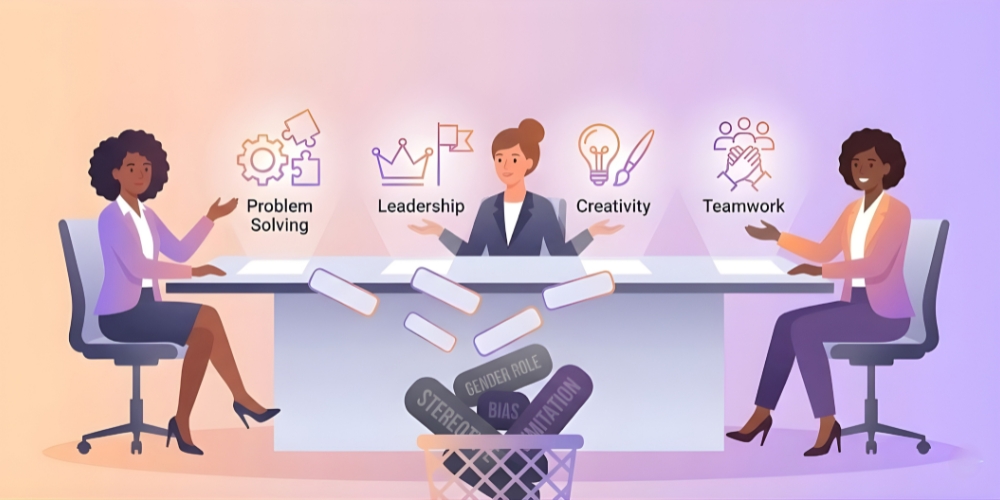
Recruiting women is more than filling seats. This means actively seeking out women candidates, recognizing skills that have been historically undervalued and changing old hiring habits. It is about creating work where good women leaders can thrive not just complying with quotas.
It also means understanding what women are seeking in jobs, such as purpose, flexibility and clear growth paths. When companies ask what issues are important to women in the workplace, they listen to real concerns like inclusive culture, fair pay, and well-supported training opportunities.
Recruiting women fairly challenges old ideas like why do morgues prefer to hire women or what are women good for, questions rooted in stereotype rather than reality.
Definition Split Test
Click to reveal each line, one step at a time.
What companies think recruiting women means
Add a few women to the shortlist and call it “done”.
Hire one woman and expect her to represent every woman.
Focus on optics instead of real growth and support.
What recruiting women actually means
Widen the talent pool with fair sourcing and clear criteria.
Evaluate skills consistently so bias has less room to creep in.
Back hires with growth paths, support, and real opportunity.
The Business Case for Recruiting Women

There is clear proof that teams with a healthy gender mix perform better over time. Studies show that organizations with more women in leadership roles report higher revenue and stronger results than similar companies with fewer women in decision-making positions.
Most business leaders agree that gender diversity improves financial performance, with around 76 percent of respondents seeing a clear link between gender diversity and profits. When women are represented fairly across roles, firms attract and keep top talent, strengthen brand reputation, and create richer workplace culture.
Hiring women also expands the talent pool. Women now make up much of the educated workforce worldwide, bringing unique perspectives, especially in collaboration and team performance. Women's teamwork often leads to shared success, stronger decision-making and higher collective performance.
ROI Reality Check
Answer 3 quick questions to get a plain-English insight.
Your result
Fill the form and click “Get my insight” to see your summary.
How Recruiting Women Improves Performance

Having more women in teams helps performance in measurable ways. Firms with recruiting women as part of their strategy often see better decision-making and improved innovation. Diverse teams approach problems from different angles and reduce group thinking.
Gender-diverse workplaces also show stronger retention and morale. When women see paths to advancement and feel supported, they stay longer and contribute more. There is a link between sourcing diverse candidates and improving retention rates, a key metric for long-term success.
Women leaders often bring collaborative styles that help team health and reduce burnout, especially when supported by equitable practices. All of this adds up to real performance benefits for organizations willing to build inclusive environments.
Common Myths About Recruiting Women (Debunked)
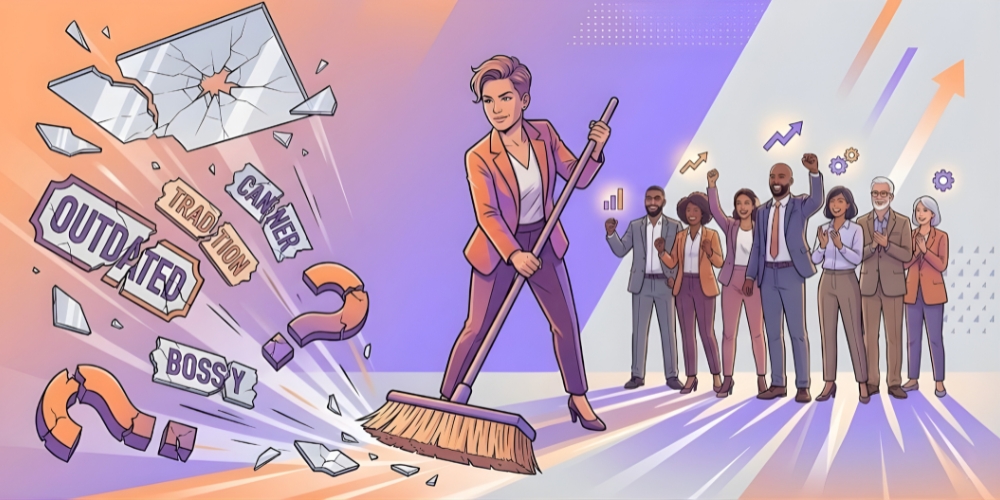
There are old myths that still show up in boardrooms and hiring panels. Let’s debunk a few:
Hiring women lowers standards.
Women add valuable skills and viewpoints that raise the quality of work. Research shows that strong performance and gender diversity go together without any loss in quality.
Women only want certain roles.
Women want fair opportunities across all areas, including leadership, and perform strongly when given support.
Workplaces will become less competitive.
Gender-balanced teams often outperform homogeneous ones in strategy and execution. Diversity leads to better outcomes without sacrificing competitiveness.
Women prefer only flexible work.
Flexibility is important to many people, yet women also want growth, challenges, and leadership opportunities, as men do.
These myths persist because of old norms, not evidence. Companies that question them find new ways to hire and retain great talent.
Myth or Fact Swipe Test
Pick “Myth” or “Fact”. Get instant feedback. Move to the next card.
Card 1 of 6
Statement
Loading…
Feedback
You will see a short explanation here.
Score: 0 correct
Barriers That Still Hold Women Back in Recruiting Women

Even with progress, real barriers still affect recruiting women. Many hiring systems were built around old career paths that favored one type of worker. That makes it harder for women to return after breaks, move into leadership, or switch roles.
Bias is another issue. It shows up in job descriptions, interview questions, and promotion decisions. Women are still judged more on past experience, while men are often judged on potential. This gap affects confidence, pay, and growth for females at work today.
There is also the pressure to represent an entire gender. In teams where women are few, they may feel watched or expected to speak for all women. Without strong women's initiatives in the workplace, this pressure can slow progress and lead to burnout.
How to Recruit Women More Effectively Without Tokenism
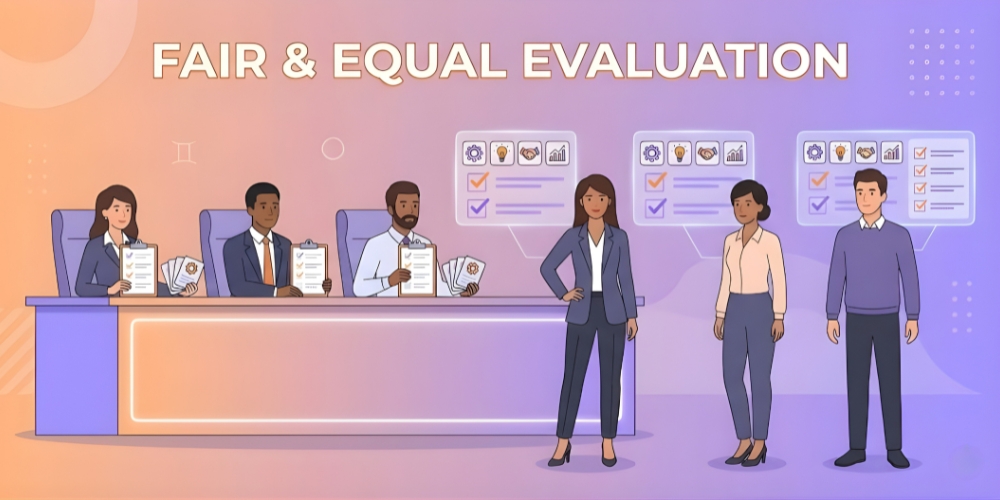
Hiring women only to hit numbers does not work. Effective recruiting for women focuses on building real opportunities, not surface-level fixes.
Start by rewriting job descriptions to focus on skills. Avoid language that pushes women out before they apply. Train hiring teams to evaluate candidates fairly and consistently. This is especially important for women in HR, where hiring decisions shape the future workforce.
Next, build systems that show how to support women in the workplace after hiring. That includes mentorship, fair feedback ,and clear promotion paths. When women see long-term growth, they stay and lead.
Companies that commit to these steps also unlock the benefits of diversity in employment, such as a stronger culture, better ideas, and teams that reflect real customers.
Hiring Decision Simulator
Pick one action. See the short-term and long-term impact.
Scenario
You have two finalists for a role. Both can do the job. One candidate has a career break on her resume. A panel member says, “I am not sure she will be able to keep up.” What do you do next?
Choose your next action
Impact
Short-term effect
Long-term impact
This simulator gives practical outcomes, not perfect predictions. The goal is to highlight how small hiring choices shape trust.
The Role of AI in Recruiting Women Fairly
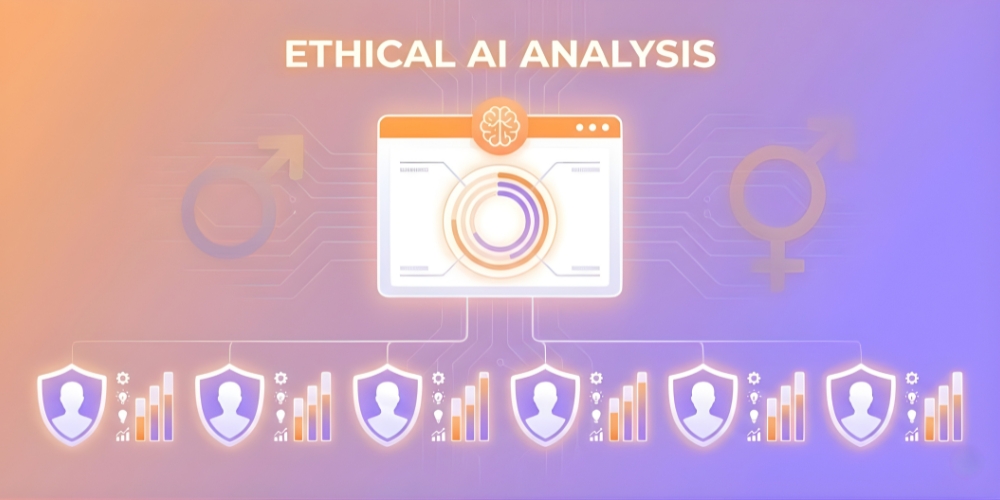
AI can help or hurt fairness. It depends on how it is used. When built carefully, AI supports recruiting women by removing human bias from early screening.
Tools that use inclusive language in AI recruiting software help write job posts that appeal to a wider audience. Skill-based screening focuses on what candidates can do, not where they come from or how they look on paper.
AI can also help answer outdated questions like "what is women for hire" by shifting focus to skills and results instead of assumptions.
Recruiting Women Across Career Stages
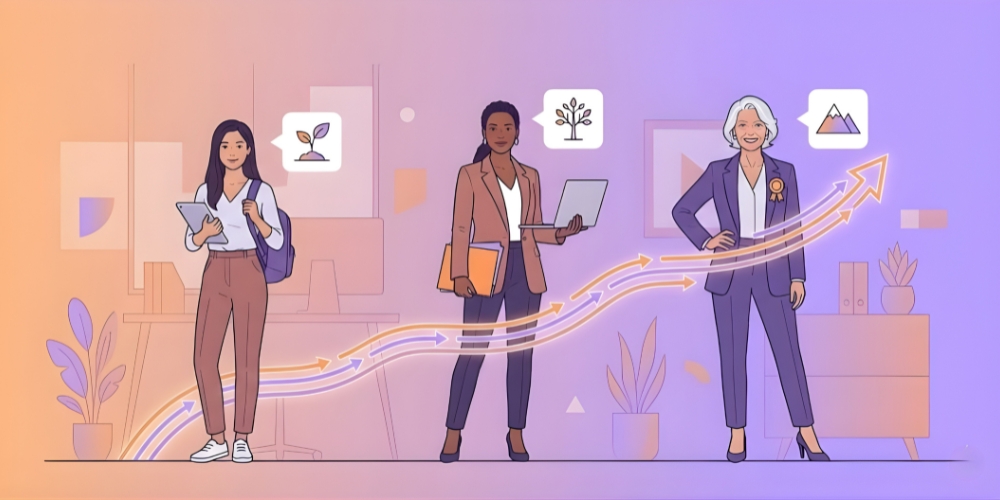
Women do not have one career path. Strong recruiting women strategies recognize this and adapt.
Early-career women look for learning, security, and belonging. Mid-career professionals often balance growth with life changes. Senior women seek influence, respect, and leadership roles. Supporting all stages leads to stronger pipelines and more importance of female leadership over time.
When companies invest early and stay consistent, the message becomes clear. The more women at work, the sooner we win as teams, companies, and industries.
Encouraging women to work together across levels also builds confidence and shared success. Peer support often unlocks leadership faster than isolated effort.
Conclusion
Recruiting women is not about trends or optics. It is about building teams that perform better and last longer. Companies that commit to fair hiring, real support, and long-term growth create space for good women leaders to emerge naturally.
When organizations move past myths and fix systems, everyone benefits. The result is a stronger culture, better decisions, and workplaces ready for the future.
FAQs
Why is recruiting women important for companies?
It widens the range of talent companies can hire from, builds stronger teams and helps workplaces better mirror the people and communities they serve.
Does recruiting women improve business performance?
Yes. Diverse teams make better decisions, adapt faster and build healthier work cultures over time.
How can recruiters avoid bias against women?
They can rely on clear role requirements, ask the same questions in every interview and assess candidates based on skills and growth potential rather than assumptions.
Can AI help improve gender diversity in hiring?
Yes. When used with care, AI can help make screening more consistent and limit bias at the earliest stages of hiring.
Tip: Click a question to expand the answer.