


TL;DR
- Understands experience context rather than just scanning keywords.
- Reduces time-to-hire by automating the heavy lifting of initial screenings.
- Focuses on objective data points and skills rather than subjective human factors.
- The more data it processes, the smarter the matching becomes over time.
Finding the right person can feel overwhelming when you are sorting through endless online resumes and shifting role needs. AI match technology helps cut through that noise by connecting open positions with candidates who are a closer fit from the start.
To solve this, organizations are turning to the AI match, a sophisticated system that uses machine learning to analyze the deep context of a candidate’s profile. With AI candidate matching in place, companies can sort applicants based on how well their skills line up with the role. Instead of slow manual reviews, the strongest candidates rise to the top much faster.
What Is AI Matching in Recruitment?
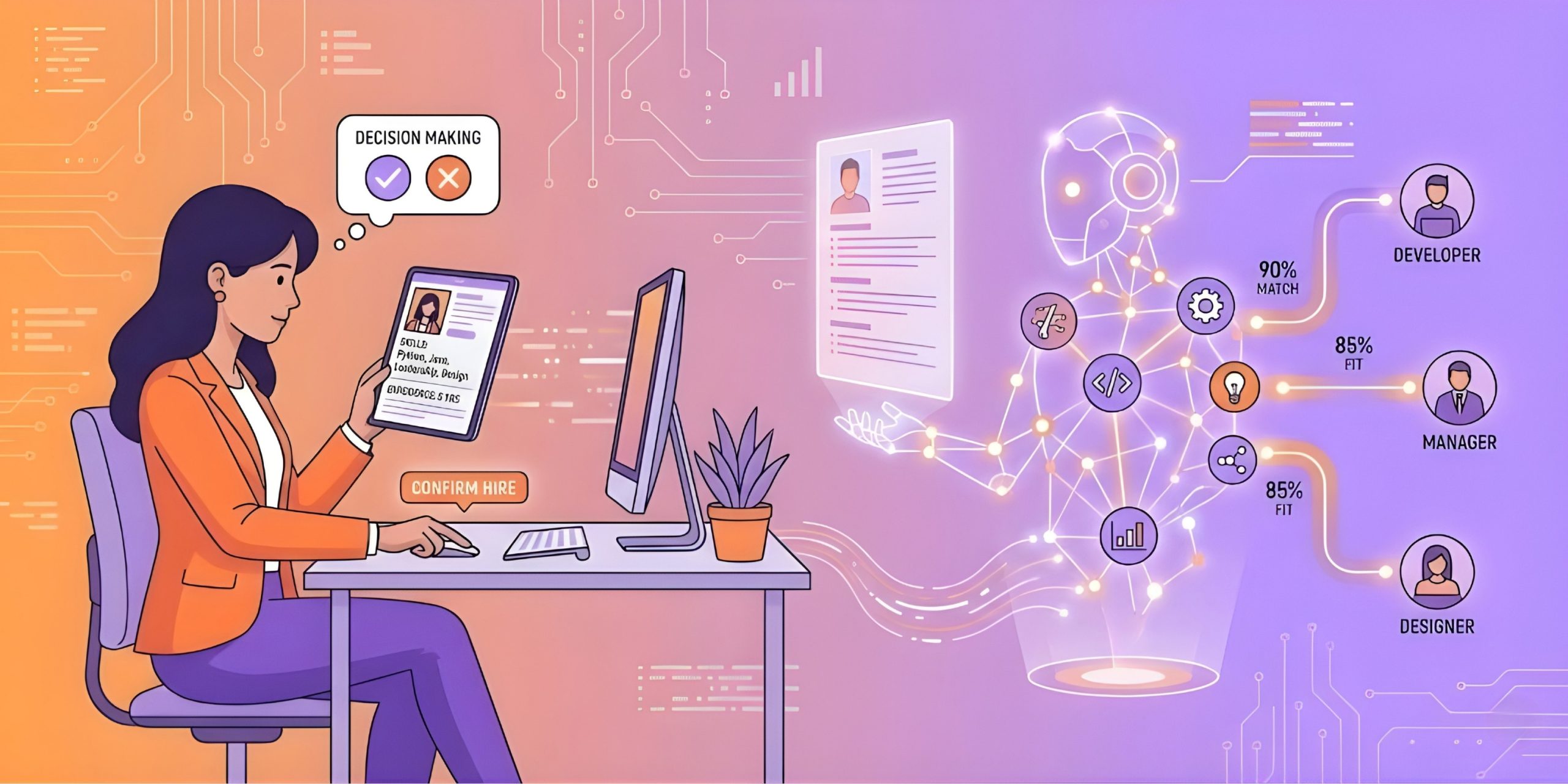
In hiring, an AI match goes beyond simple keyword searches. It looks at resumes and job details in a way that feels closer to how a person would read them, just much faster. By picking up on role needs like skills, experience level, and industry background, an AI match helps connect the right people to the right jobs.
Unlike older systems, this technology considers the relationships between data points. For example, it understands that a “Product Growth Manager” and a “User Acquisition Lead” often share the same core skill sets, even if their titles differ. This level of talent matching allows recruiters to see the full picture of a candidate’s capabilities. It reaches beyond what is explicitly written on a single page.
Human vs AI Match Challenge
- Own paid acquisition and funnels
- Run experiments and report results
- Partner with product and analytics
- Bonus: B2B SaaS experience
Why Keyword Matching No Longer Works
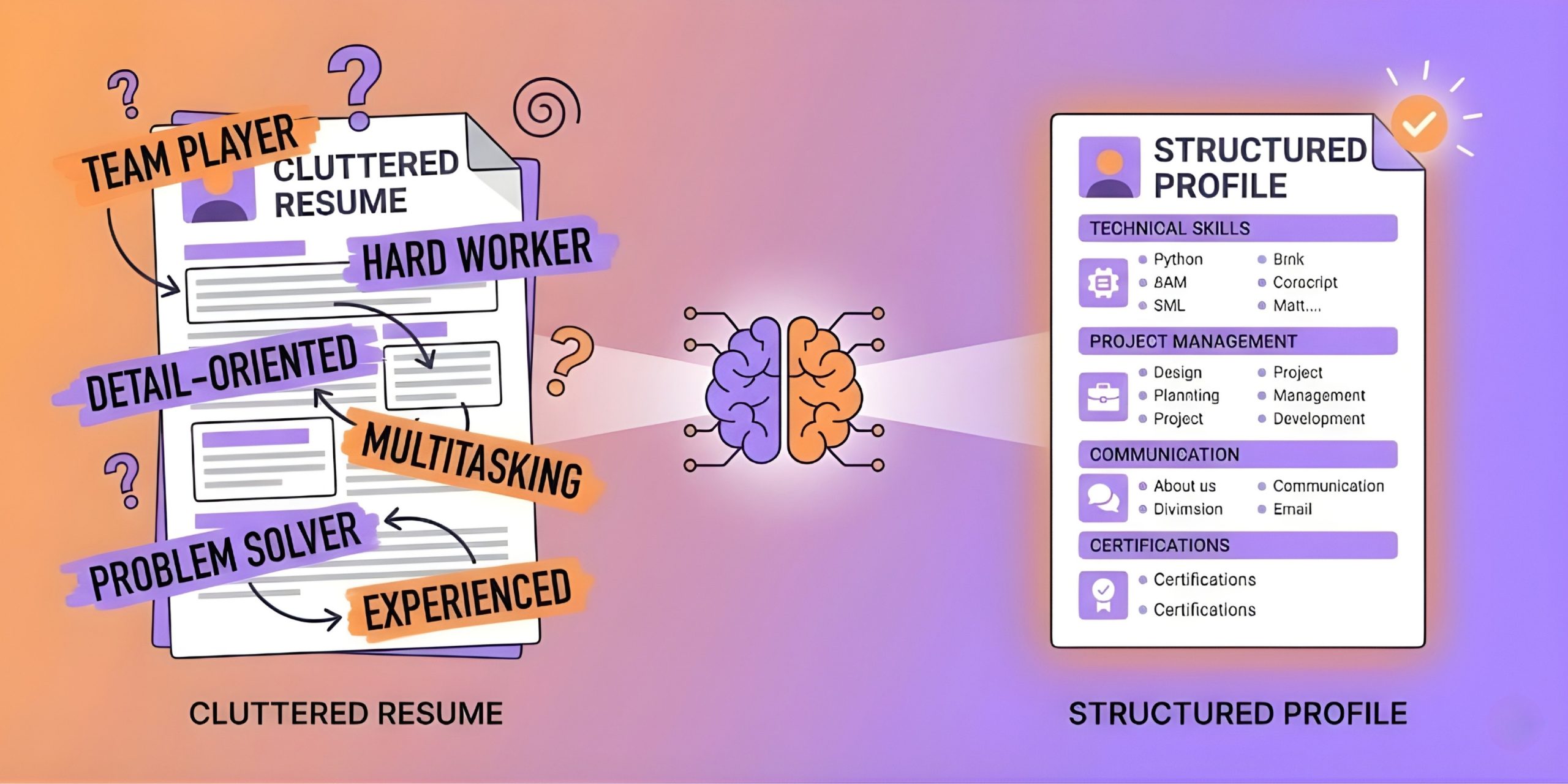
Hiring tools used to work by matching exact words. If Python were in the job post, the system would only check if Python showed up on the resume. That meant good candidates could be missed, while others added keywords even if they lacked real experience.
Keyword matching is binary; it’s either there or it isn’t. It doesn’t account for the recency of a skill, the depth of the projects, or the industry context. As a result, 22% of business leaders still struggle to source high-quality talent despite having modern databases. AI solves this by looking at “semantic” meaning, which is why the AI matching algorithm is now the gold standard for modern HR teams.
The Keyword Trap
- Python Python Python
- SQL SQL SQL
- Machine learning
- Dashboards
- Led projects
- Built churn model that cut cancellations by 9 percent
- Created automated reporting for sales and support
- Used scripting and databases daily
- Owned experiments and insights
How AI Algorithms Pair Talent With Jobs
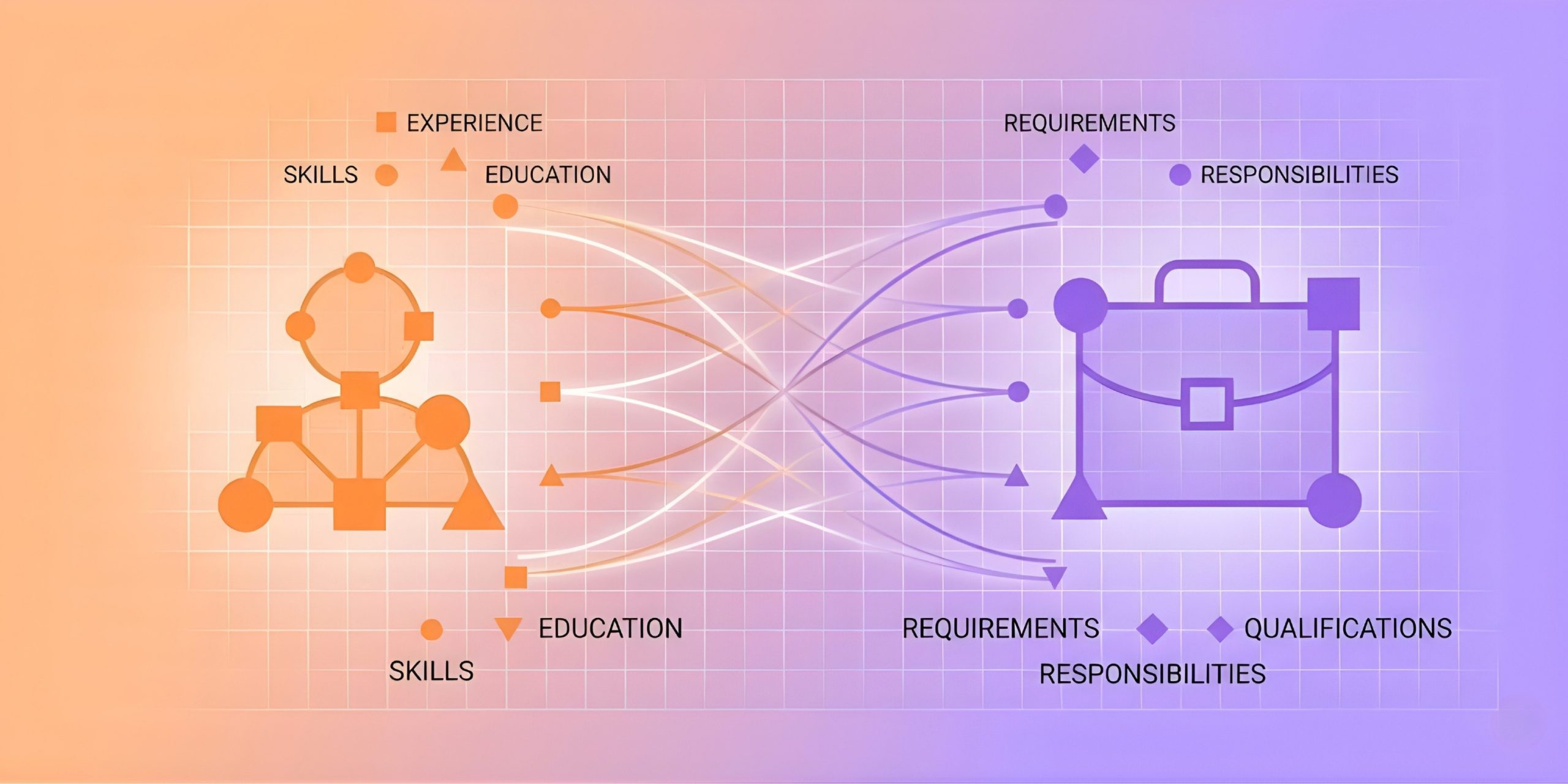
The magic happens within the AI matching backend. Instead of just looking for words, the matching in the AI process creates a multi-dimensional “map” of both the job and the candidate.
- Parsing & Enrichment: The AI breaks down a resume into structured data. It doesn’t just see “Management”; it sees “led a team of 10 in a fast-paced SaaS environment.”
- Vectorization: It converts these attributes into mathematical vectors. In this digital space, similar skills and experiences sit close together.
- Scoring: The data matching machine learning model calculates the “distance” between the job’s needs and the candidate’s profile.
- Ranking: It generates a compatibility score, allowing for recruiter candidate matching that is prioritized by actual fit rather than the date the application was submitted.
Match Engine Simulator
AI Matching vs Traditional Matching
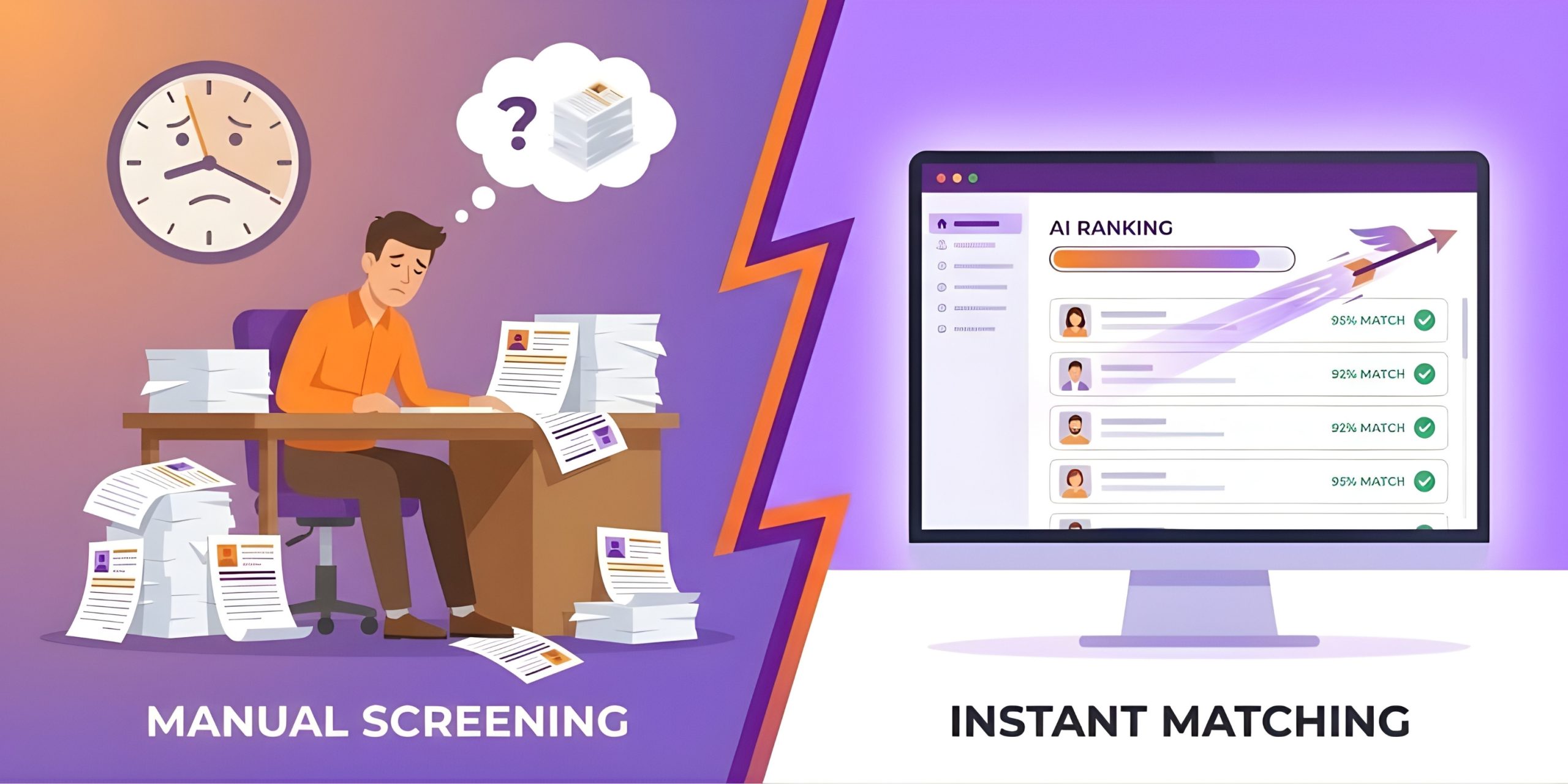
| Feature | Traditional (ATS) | AI Matching |
| Logic | Boolean (Yes/No) | Probabilistic & Contextual |
| Skill Gap | Rejects if the exact word is missing | Infers skills based on experience |
| Bias | Subject to human fatigue | Objective and data-driven |
| Speed | Manual review required | Instantaneous ranking |
While traditional tools are essentially digital filing cabinets, professional AI matchmaker software acts as a digital advisor, highlighting why a specific person is a great fit.
What Data AI Matching Uses (and Doesn’t)
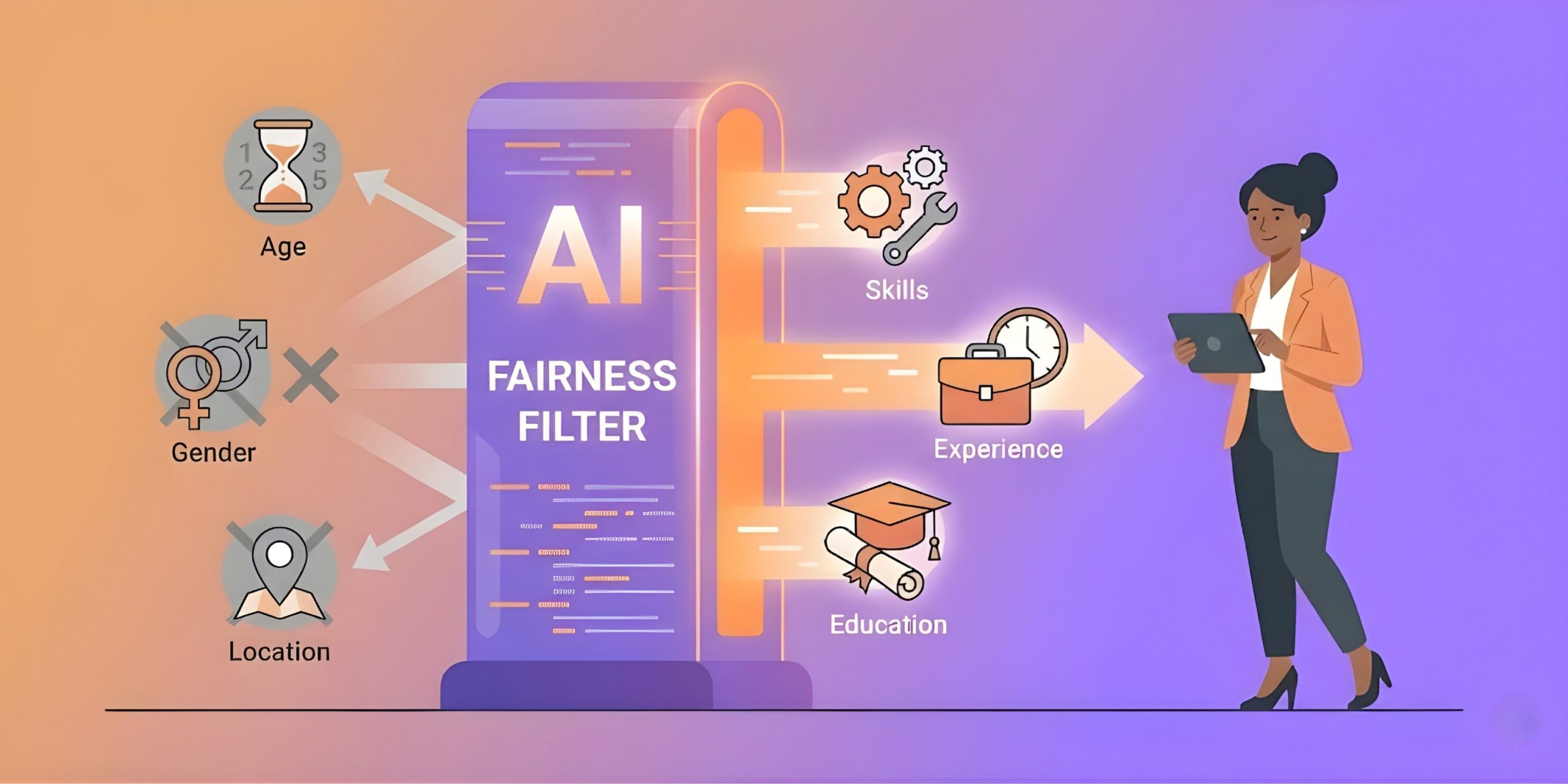
A strong AI match looks at patterns linked to real performance and not just keywords. This can include skills, work history, growth in past roles, and education. Some tools also use AI-assisted cognitive testing to check how people think and solve problems, helping teams see if someone fits both the role and the work environment.
Importantly, ethical AI is designed not to use protected characteristics. By ignoring data like age, gender or zip code, the technology helps level the playing field. In fact, research shows that AI-driven hiring can improve workforce diversity by up to 35%.
Safe or Not Safe Data Sorting
Common Myths About AI Matching
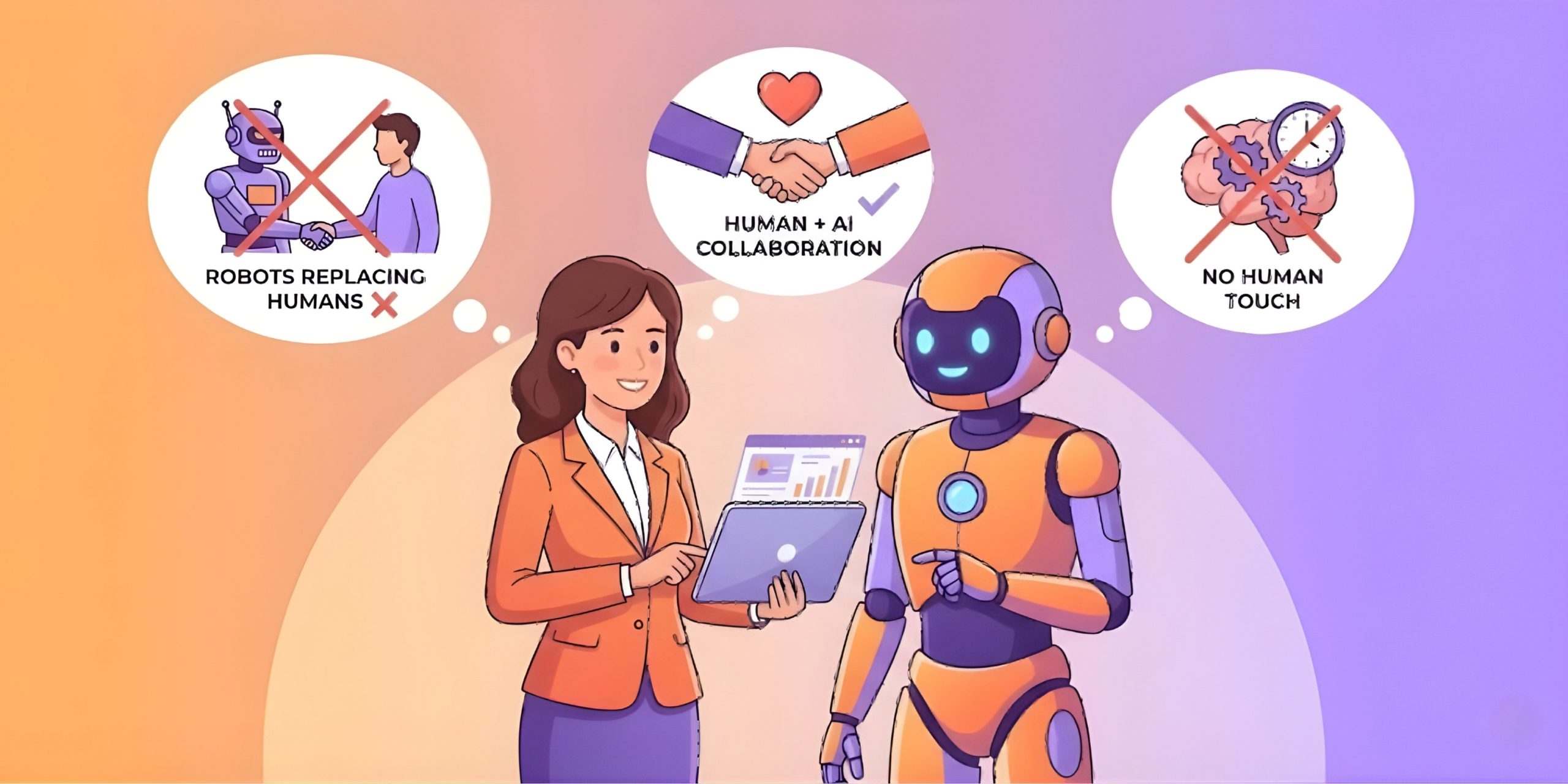
- AI replaces the recruiter. Reality: AI handles the “sifting,” but humans still handle the “selecting.” It can save recruiters as much as 45% of their time. This gives them more space to focus on building real connections.
- You can “cheat” the AI. Reality: Because modern algorithms look at context and career progression, simple keyword stuffing no longer works.
- AI is only for big corporations. Reality: Small businesses use AI to compete with larger firms by finding niche talent faster than ever.
How AI Matching Improves Hiring Outcomes
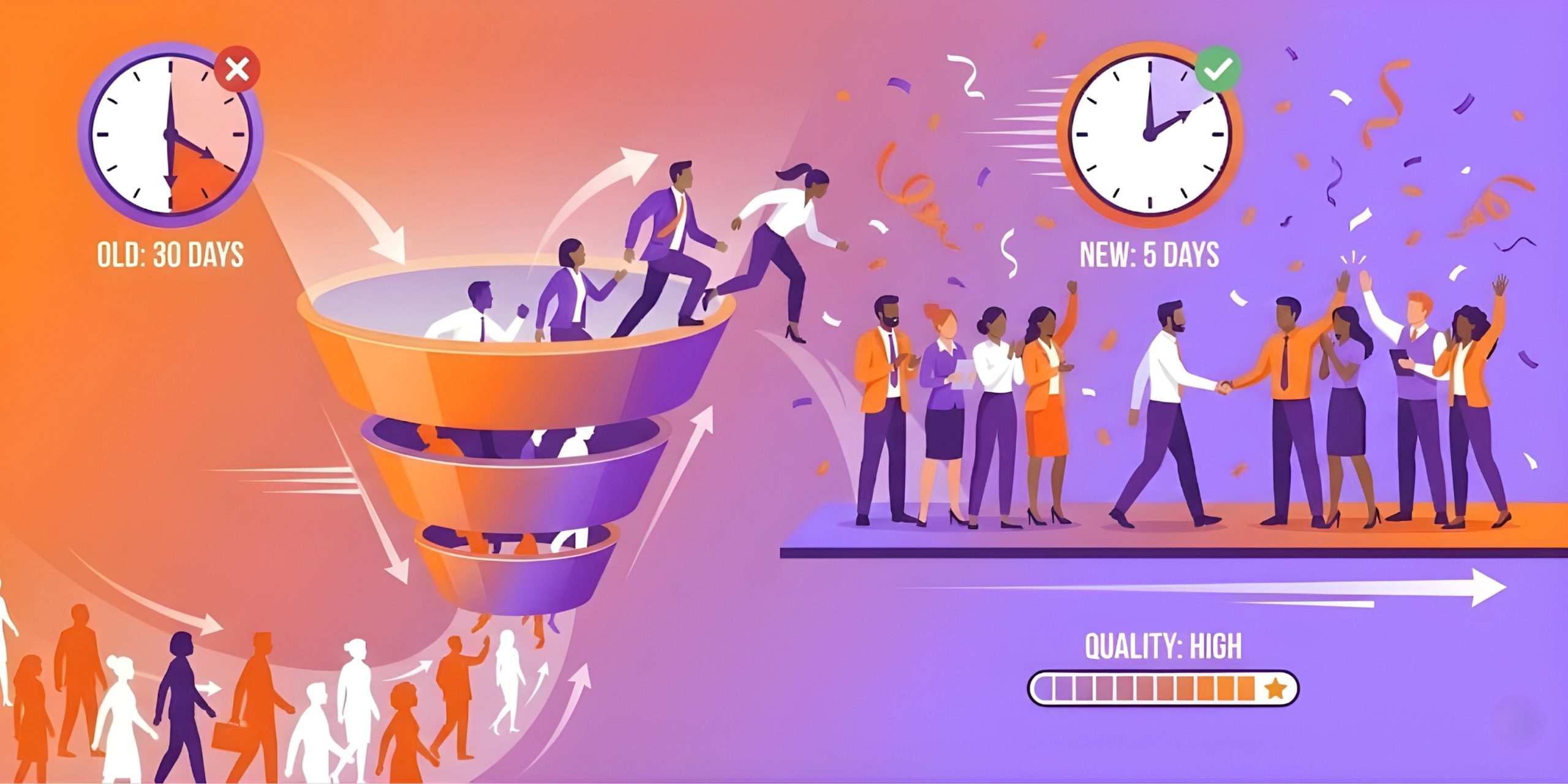
AI recruiting agents are especially useful for niche roles. When a company needs someone with a rare background, like a quantum computing engineer, then manual searches can take weeks. AI tools can review large talent databases quickly and surface people with the right research experience in far less time.
Furthermore, conversational AI recruiting chatbots can engage these candidates the moment they show interest, answering questions and pre-screening them instantly. This keeps the talent pipeline “warm.”
Beyond recruitment, this same technology is used for attendee matchmaking at large corporate events, proving that intelligent pairing is the future of all professional networking.
Conclusion
An AI match is not only about speeding things up. It helps teams make better choices. By moving past basic keyword checks and looking at context instead, companies are less likely to overlook strong candidates who may not stand out at first glance.
For teams of any size, using data to guide matching can lead to stronger hires and smoother day-to-day work. When software handles the heavy screening, hiring teams have more time to focus on people and relationships instead of sorting resumes.
FAQs