
TL;DR
- Remote candidates expect faster feedback than traditional ones.
- Use video messages and virtual office tours to bridge the gap.
- Use candidate engagement tools for automated updates.
- Focus on how to keep candidates engaged to prevent ghosting.
Remote hiring often feels like a “black hole” to job seekers. Without physical office visits or face-to-face handshakes, candidates frequently feel disconnected. This leads to high drop-off rates and “ghosting.” In a digital-first market, outdated candidate engagement strategies fail because they don’t account for the lack of physical presence, leaving top talent feeling like just another number in an applicant tracking system.
To win the war for talent, companies must transition to a more proactive, transparent and tech-driven candidate communication strategy. Focusing on clear expectations and consistent touchpoints can help you improve candidate engagement and ensure your brand stands out in a crowded remote landscape.
What Is Candidate Engagement in Remote Hiring?

Candidate engagement is about staying connected with people during every stage of the hiring process and building a steady relationship along the way.
In remote or hybrid contexts, these candidate engagement strategies shift from in-person to digital interactions. It’s about how you communicate your culture through a screen and how effectively you manage applicant engagement issues when you cannot read body language in a room.
Engagement Signal Map
Why Candidate Engagement Matters More in Remote Hiring
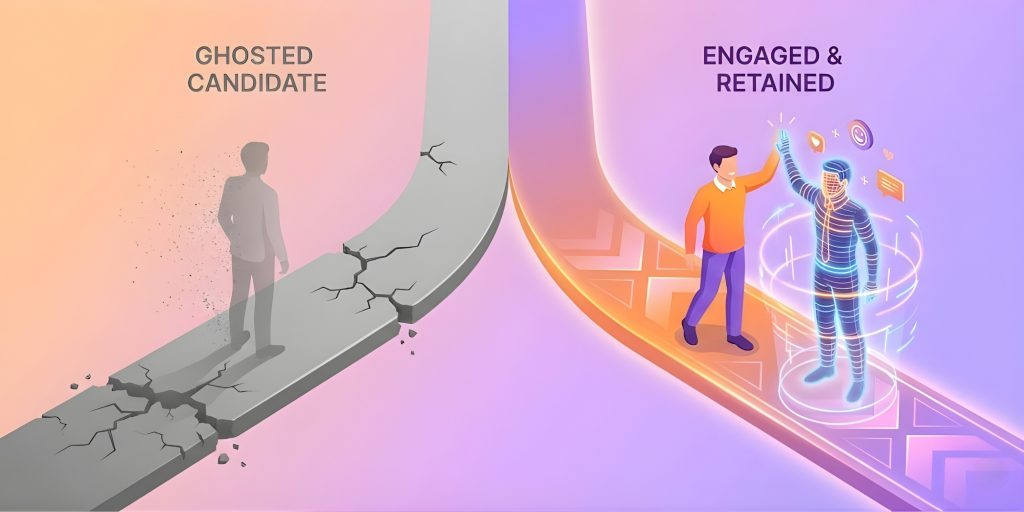
In remote hiring, it is very easy for candidates to walk away. They are not only talking to one company and can meet several teams without ever leaving home. Surveys show that 78% of job seekers believe the hiring experience reflects how a company treats the people who work there.
Effective candidate engagement strategies are no longer a “nice-to-have”; they are a competitive necessity. Because remote candidates don’t get to see your “cool office” or meet the team for lunch, your communication becomes the primary way they evaluate your company culture.
Walk Away Counter
Where Companies Lose Candidates in Remote Hiring
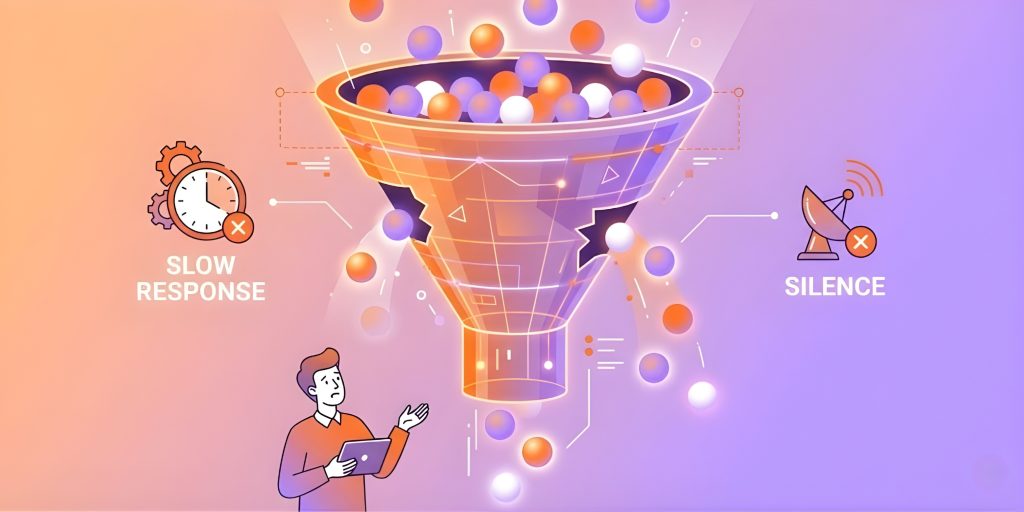
Many candidate engagement problems start during the quiet gaps between interview rounds. People often lose interest or move on because of these pauses.
- The Black Hole: Submitting an application and never getting a response.
- Vague Timelines: Having no idea when the next step will take place.
- Poor Tech Experience: Dealing with broken video tools or hard to use assessment systems.
- Lack of Connection: Not getting a chance to meet the people they would actually work with.
To combat this, some firms are using creative sourcing strategies to find talent that specifically aligns with remote-first values. This ensures a better fit from the start.
Remote Hiring Leak Finder
Candidate Engagement Strategies for Remote and Hybrid Hiring
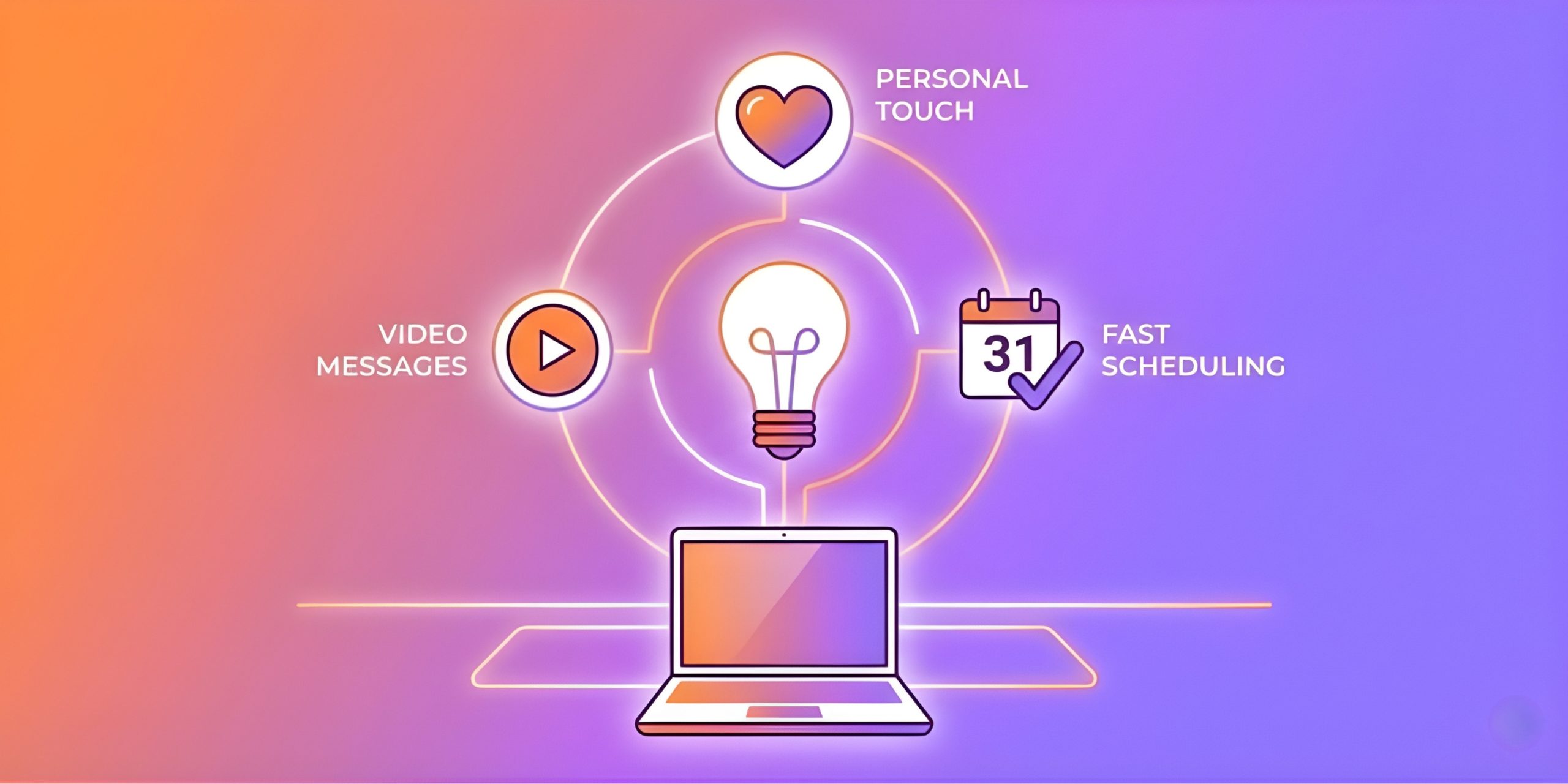
To improve candidate engagement, it helps to focus on more than one area at the same time.
- Over-Communicate: There is no such thing as too much information in a remote setting. Send a “what to expect” guide before the first interview.
- Use Video Hubs: Instead of just emails, use candidate engagement tools like Loom or Vidyard to send personalized video “hello” messages from the hiring manager.
- Virtual Office Tours: Even if the role is remote, showing the “home base” helps ground the candidate in the company’s reality.
- Showcase Culture Digitally: Use recruitment marketing strategies to give candidates a real feel for the team, such as sharing honest employee stories or behind the scenes moments online.
- Be Transparent About Hybrid Rules: If the role is hybrid, be crystal clear about the “office days” early on to avoid friction at the end.
Balancing Automation and Human Touch
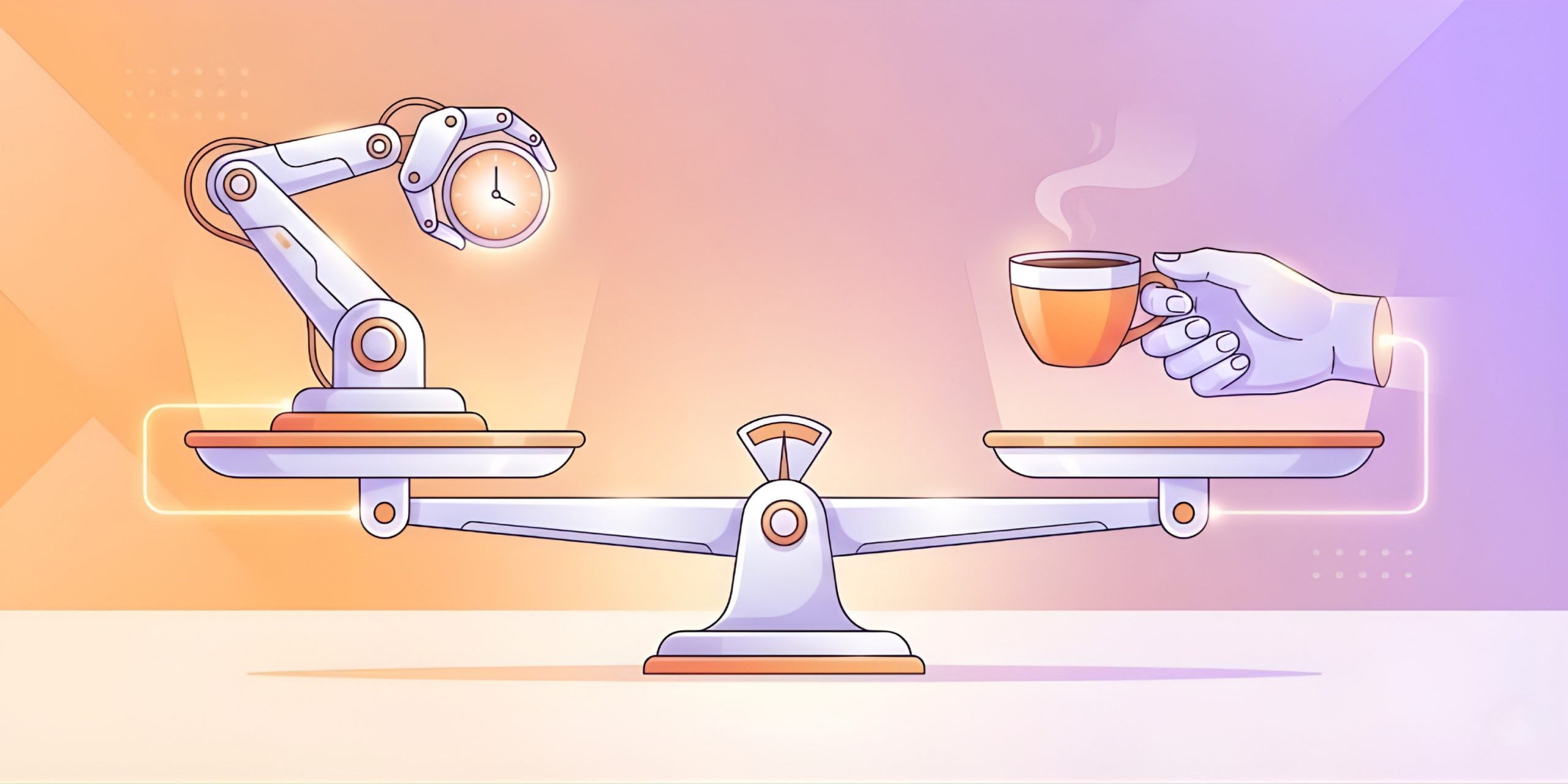
While you want to improve candidate engagement, your recruiters can’t be online 24/7. This is where candidate engagement tools come in. You can automate “low-value” tasks, like scheduling and status updates, to free up time for “high-value” human interactions like deep-dive career coaching sessions.
The goal is to use automation to ensure no one is forgotten, but use humans to ensure everyone feels heard.
Automation Boundary Game
Measuring Candidate Engagement
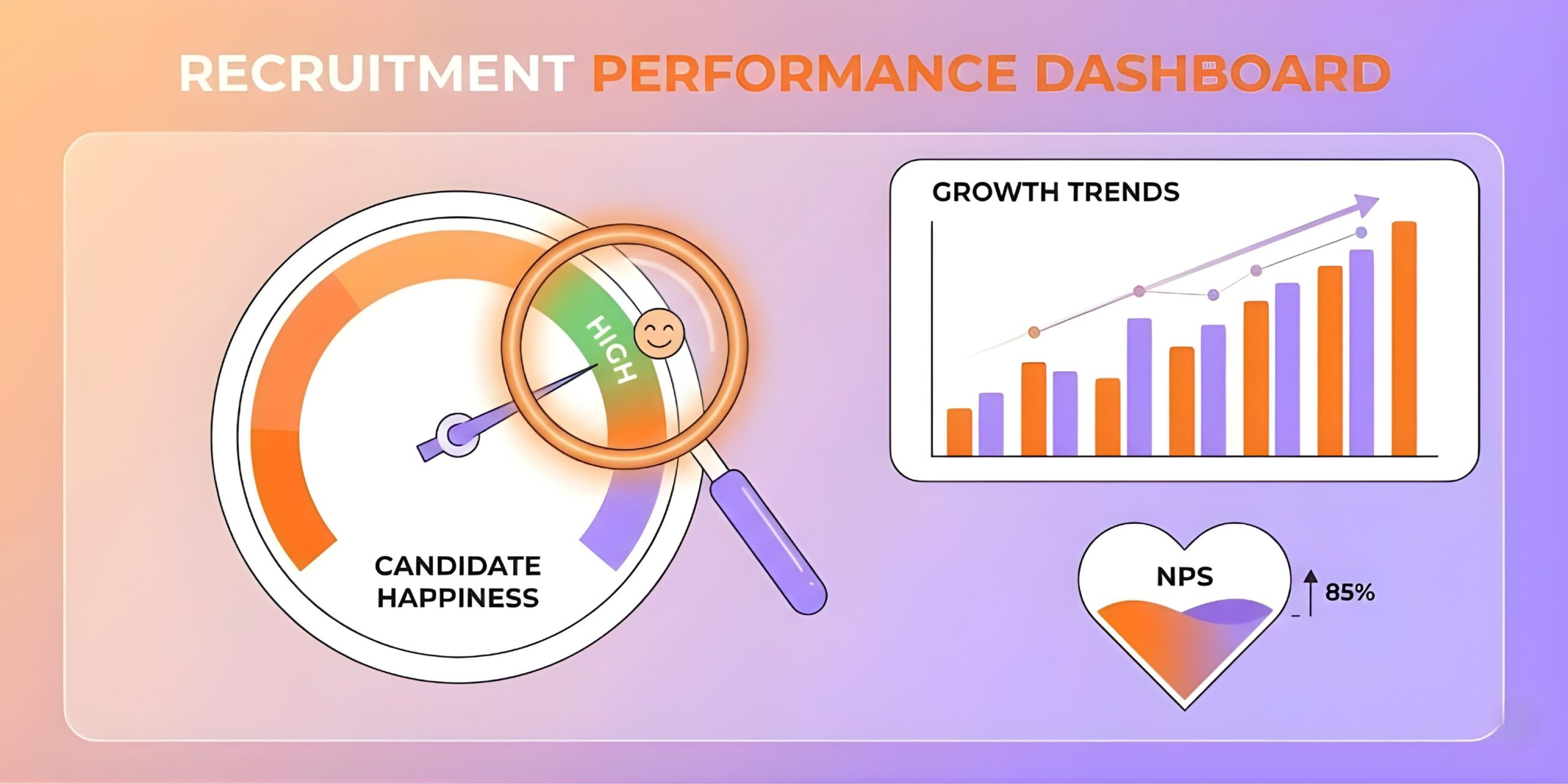
You can’t manage what you don’t measure. To understand how to improve candidate engagement, track these metrics:
- Candidate Net Promoter Score (cNPS): Survey candidates (even those you don’t hire) about their experience.
- Response Rate: How quickly do candidates reply to your outreach?
- Drop-off Rate per Stage: Where exactly are people leaving your funnel?
- Time-to-Hire: Remote hiring should be faster, but if it’s lagging, engagement usually suffers.
Applying workforce segmentation strategies can also help you see if specific roles (like tech vs. marketing) have different engagement levels, allowing for more targeted improvements.
Engagement Health Dashboard
Common Mistakes in Remote Candidate Engagement

Even with the candidate engagement best practices, many companies stumble. One major error is forgetting how to keep candidates engaged after an offer. The period between signing the contract and the start date is when “buyer’s remorse” hits.
Another mistake is a lack of effective candidate engagement during the interview itself, such as interviewers being distracted by pings or notifications on their screens. This signals to the candidate that they aren’t a priority. Finally, failing to provide feedback after a rejection is a top reason for a poor employer brand reputation. Always close the loop to maintain a positive network.
Silent Treatment Test
Conclusion
Mastering candidate engagement strategies for a remote workforce requires a shift from “processing applicants” to “building relationships.”
By being transparent, leveraging the right candidate engagement tools, and maintaining a consistent candidate communication strategy, you create an environment where top talent feels valued before they even log on for their first day. Start by auditing your current response times and look for one area where you can add a more personal, human touch today.
FAQs