
TL;DR
- Hiring test cheating is rising as remote assessments grow.
- Many candidates use hidden test-cheating methods that appear clean on paper.
- Old screening tools miss modern fraud patterns.
- Effective cheating solutions look at behavior, not just final scores.
- The right systems help employers to prevent cheating before it starts.
Hiring teams are running into a problem that is easy to miss at first. Candidates can look strong during assessments and come across well in interviews, then struggle once the job actually begins. In many situations, hiring checks are quietly worked around using cheating solutions. Sometimes it helps during online tests. Other times, it shows up as subtle coaching during interviews. Either way, the gap between scores and real skill keeps growing.
Adding more tests rarely fixes the issue. What tends to work better is paying closer attention to how hiring decisions are made in the first place. This blog looks at the ways cheating shows up during recruitment and explains how employers can reduce it without creating extra friction for candidates who are playing fair.
What Does Cheating Solutions Mean in Recruitment?

In hiring, cheating happens when a candidate hides their true skill level during evaluation. It is not limited to copying answers. It can involve outside assistance, AI generated responses that mimic expertise or memorizing answers taken from shared question pools.
Many online searches openly look for how to cheat on test, but not get caught. That mindset has moved from classrooms into hiring. Sometimes candidates get help they should not use during screening. When that happens then the signal looks right even though it is not because the real cost shows up later in the form of missed expectations, people leaving early and teams feeling the strain.
Cheating in hiring is not about small mistakes. It is about intentional misrepresentation in recruitment methods that rely too heavily on predictable testing.
Spot the Signal Micro Game
Why Cheating in Hiring Is Increasing

Remote hiring made recruitment faster but it also made dishonest behaviour easier to hide. A recent industry survey found that 22% of job seekers admitted to cheating on online assessments, showing that a sizable portion of candidates may use unfair tactics when they think no one is watching. These tendencies highlight why weak screening systems are vulnerable to fraud and why employers need stronger checks.
AI access is another driver. Tools that write resumes, solve logic tests and generate interview answers are now widely available. Candidates searching for how to stop cheating on tests and candidates searching for shortcuts often use the same tools. The difference is intent.
Common Cheating Tactics Employers Face
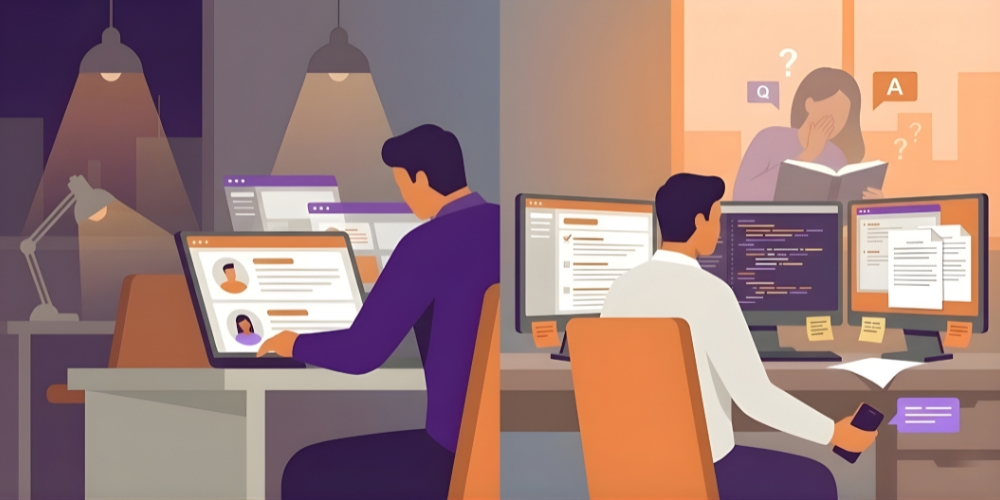
Hiring teams are seeing the same patterns repeat.
One common tactic is real time assistance during cheating on an online test. Candidates use second screens, chat apps or live helpers while completing assessments.
There is also a rise in AI written responses. The answers read smoothly and seem confident at first but once follow up questions start, the gaps show. In many cases, the wording was learned, not the skill itself.
Shared question banks are also a problem. Popular tests circulate online with step-by-step walkthroughs. These test cheating methods allow candidates to pass without learning.
This is why modern hiring now relies more on talent assessment with recruiter software that tracks behavior, rather than just scoring answers.
Cheating Tactics Match Up
Click one “signal” on the left, then click the best matching “tactic” on the right.
Why Traditional Hiring Methods Fail to Catch Cheating
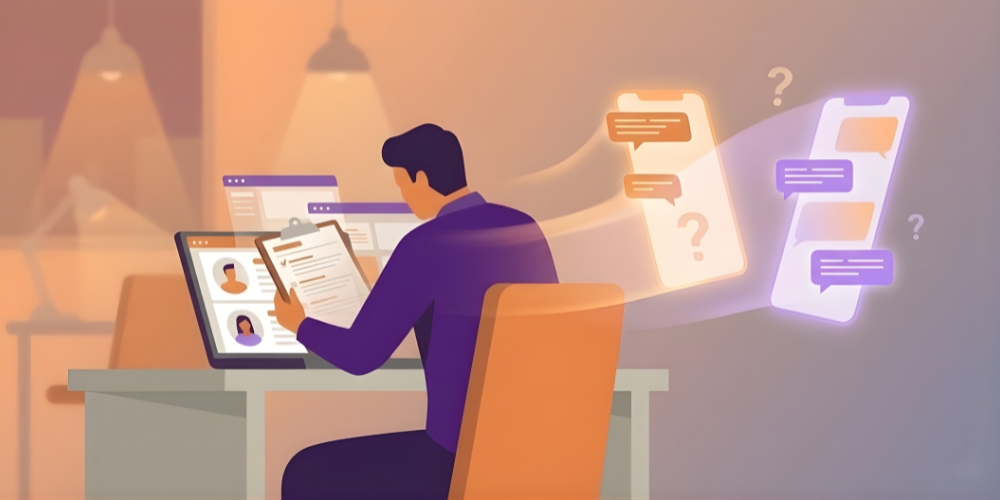
Most hiring processes are built on trust. Resumes, standard tests and single interviews all assume people will play fair. That works until the tools become predictable. Once that happens, the system starts to crack.
Older screening methods mainly look at the final result. They rarely show how an answer was reached. A strong score can still look convincing even when someone had help getting there.
This is usually the point where AI tools for talent assessment begin to feel useful. They look beyond the score and pick up on small patterns that are easy to miss. Without that perspective, teams are often left puzzled when a strong profile does not translate into real performance. The process itself never changed in many cases.
Break the Filter Decision Path
You are the recruiter. Pick your screening path. Then see what slips through.
Ethical Cheating Solutions for Employers: Step by Step
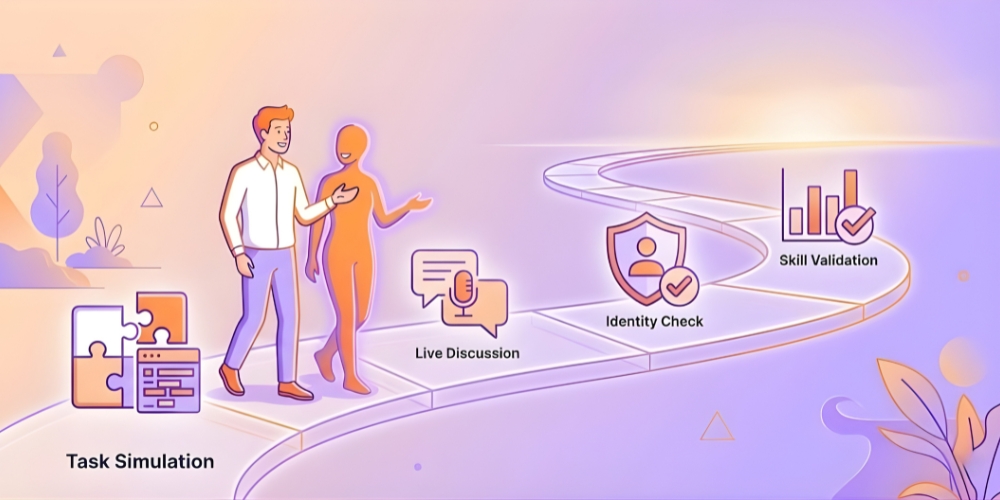
Ethical hiring is about being careful and fair at the same time. The strongest cheating solutions tend to look for real skill rather than chasing perfect scores.
Redesigning assessments should come first. When tasks reflect real day to day work, shortcuts become harder to use and true ability becomes easier to spot.
Relying on one step rarely shows everything. When different types of evaluation are used together, then small inconsistencies tend to surface on their own.
Basic identity checks can also help when handled carefully. Simple verification and a controlled setup limit outside help without making the experience awkward for candidates.
Strong interviews focus on reasoning rather than memorized answers. When candidates walk through their thinking, real understanding stands out and artificial support fades quickly.
These steps help teams to prevent cheating while keeping the experience respectful for honest candidates.
What Not to Do
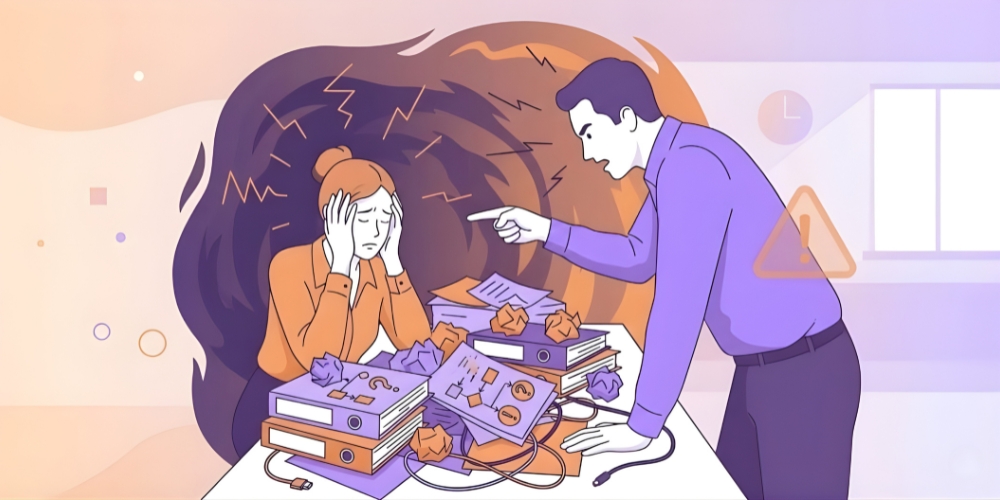
Making tests longer does not really fix much because people who want to cheat usually find a way around them. The ones who struggle tend to be the honest candidates.
Using the same questions again and again creates its own problem. Once those questions start circulating, the process stops being fair for anyone.
Calling someone out without solid proof can also cause damage. Trust takes a hit. So does the employer’s reputation. The cheater often walks away untouched.
Depending only on resumes leaves too many blind spots. A profile can look polished and still hide gaps that only show up after the hire.
What works better is stopping issues early rather than reacting later. Heavy handed responses often drive good candidates away, while dishonest ones simply adjust.
Hiring Mistake Bingo
Tap the squares you recognize. If you hit a full row, you’ll get a quick warning.
How AI Helps Prevent Hiring Fraud
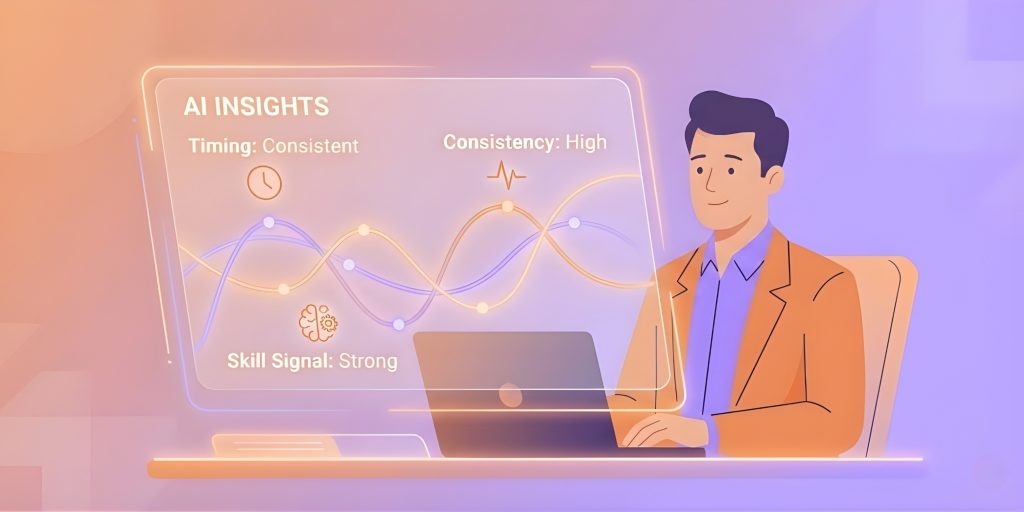
AI is not there to take the place of the recruiter. It sits in the background and helps make sense of what is already happening.
Some tools notice things people might miss, like unusual timing, changes in how answers come together or small behavior shifts during assessments. Those details are not easy to fake even with help.
It can also surface early signs that a resume does not fully line up with actual skills, which saves time later in the process.
Human vs Pattern Mini Challenge
Read the summary. Make a call. Then reveal what pattern checks might flag.
Score
92%High
Completion time
4m 10sFast
Answer edits
0None
Free response style
Very polishedClean
Would you hire this candidate?
Pick a choice. The reveal explains what behavior patterns could mean.
Legal and Ethical Considerations
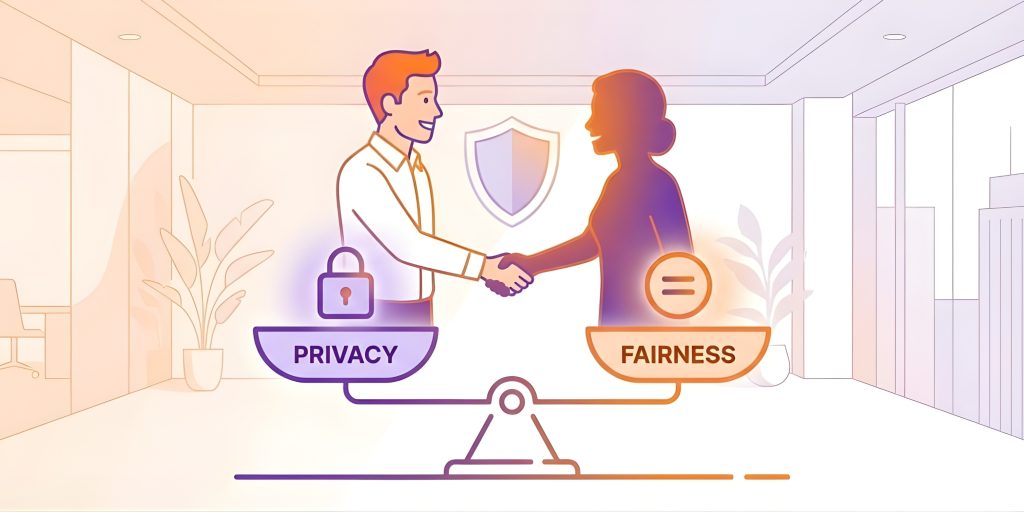
Ethical hiring is really about basic respect. People want to know what is being collected and why it matters. When that is not clear, then it feels uncomfortable. Trouble usually starts when tracking goes too far or happens quietly. Even if the goal is good, it can still cause concern and legal issues.
Workplace and data laws still matter, including rules like GDPR. Problems start when limits are not clear. When these systems are handled with care and clear boundaries, they can stay fair and avoid issues for everyone involved.
Fair or Too Far Ethics Slider
Pick a practice. Slide to judge it. The note explains the risk in plain language.
Conclusion
Cheating in hiring is not unusual anymore and it is not always obvious. Technology has made it easier and harder to spot at the same time. The fix is not piling on more tests or trying to scare candidates. It comes down to how the process is built and whether it actually checks real skills. Employers who pay attention early avoid poor hires, protect their teams and earn trust over time. A good place to start is looking closely at how interviews run, how skills are checked and where gaps still exist.
FAQs