

TL;DR
- The employee lifecycle covers every interaction a worker has with your company, not just hiring and firing.
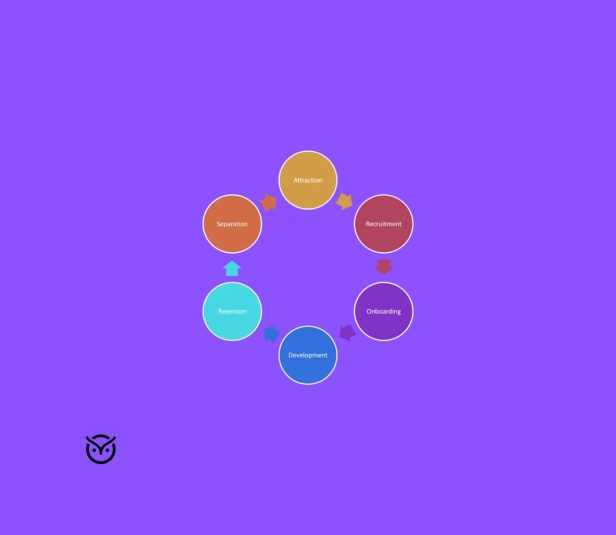
- There are six main stages: Attraction, Recruitment, Onboarding, Development, Retention, and Separation.
- Poor management of these stages leads to high turnover and wasted budget.
- Data and software are your best friends for spotting bottlenecks in the hire to retire process flow.
- HR’s role shifts from promoter to coach to auditor depending on where the employee sits in the cycle.
High turnover usually isn’t a surprise; it’s a symptom of a broken process. When companies view employment as just a start date and an end date, they miss the messy, vital middle part where engagement actually happens. That entire journey from the moment a candidate sees your job ad to the day they hand in their badge is the employee lifecycle, and understanding it is the only way to stop talent from walking out the door.
Fixing this doesn’t require a total overhaul of your business. It starts with recognizing that every stage influences the next. If your talent management cycle is disjointed, your people will feel it. By mapping out the journey and addressing the friction points, you turn a chaotic revolving door into a stable, productive environment where people actually want to stay.
The Stages of Employee Lifecycle Broken Down

Most models break the life cycle of an employee into six distinct buckets. It’s easy to look at these as a checklist, but in practice, they bleed into each other. A bad recruitment experience sours onboarding; poor development kills retention.
1. Attraction
Before you even know their name, the cycle has started. This is your employer brand in action. It’s what people say about you on Glassdoor and what your LinkedIn presence looks like. You aren’t just selling a product anymore; you’re selling a culture. If your organizational life cycle is messy or your reputation is weak, you lose the best candidates before they apply.
2. Recruitment
This is where you make promises. The recruitment phase includes sourcing, interviewing, and selecting candidates. But here’s the trap: many companies oversell the role to get a “yes.” Transparency here is vital. A human resources employee life cycle that relies on bait-and-switch tactics during interviews guarantees a resignation letter within six months.
3. Onboarding
This is the make-or-break moment. You might think the onboarding lifecycle is just paperwork and laptop setup, but it’s actually about validation. The new hire is asking, “Did I make the right choice?” According to Gallup, only 12% of employees strongly agree their organization does a great job of onboarding new employees. That’s a massive gap. If this stage is rocky, productivity stalls.
4. Development
Once they settle in, employees want to know how they can grow. If the only way up is out, they will leave. This stage requires regular feedback, training, and clear career pathing. It’s not just about promotions; it’s about skill acquisition.
5. Retention
This is the long game. Retention is the result of getting the previous stages right. It involves culture, compensation, recognition, and work-life balance. When you hear about the employee life cycle in HR, this is often the stage that gets the most panic, but you can’t fix retention if you broke the trust during onboarding.
6. Separation
The end of the road. Whether it’s retirement, a new job, or a layoff, the hire to retire process flow must end respectfully. How you treat people on the way out defines your reputation for the next cycle of attraction. A bitter exit interview becomes a bad review online, hurting your ability to hire the next star.
“Build-Your-Own Lifecycle” Scenario Quiz
Answer 4 quick questions and get a tailored employee lifecycle emphasis for your org type.
Why Employee Lifecycle Management Matters

You might wonder, why bother labeling all this? Can’t we just treat people well? You can, but without a framework, you miss the patterns. Employee lifecycle management gives you a bird’s-eye view of where your money is going.
Turnover is expensive. Replacing an employee can cost one-half to two times the employee’s annual salary. If you aren’t tracking the talent management cycle, you are bleeding cash without knowing where the wound is. Is it the manager? The pay? Or did the job description not match the reality?
When you manage the lifecycle intentionally, you also boost engagement. Employees who feel supported from day one work harder. It’s that simple. Highly engaged business units see an 78% difference in absenteeism and a 14% difference in productivity. If you ignore the HR cycle, you accept mediocrity as the standard.
“Cost of Neglect” Calculator
Estimate the hidden annual cost of not managing the employee lifecycle intentionally. (Spoiler: “we’ll fix it later” is rarely the cheapest plan.)
HR’s Role at Each Stage of the Employee Lifecycle

HR isn’t just the policy police; they are the architects of the employee life cycle HR experience. But the role shifts as the employee moves through the stages.
- During Attraction & Recruitment
HR is a marketer. You are building the brand and guarding the gate to make sure the right people enter the organizational life cycle model.
- During Onboarding
HR is a guide. You aren’t just handing out handbooks; you are facilitating connections between the new hire and their team.
- During Development & Retention
HR is a coach and advocate. This involves equipping managers to lead better. People leave managers, not companies, so your job is to support the leadership team.
- During Separation
HR is an auditor. You need to find out why they left. The exit interview is the most honest data you will ever get.
“Red Flag Detector” Mini-Quiz
Identify weak points in your employee lifecycle. Answer quickly — your gut reaction is usually the most accurate (and the most painful).
How Data Improves Lifecycle Decisions

Gut feelings don’t scale. To really manage the human resources employee life cycle, you need hard numbers. This is where an employee lifecycle management system comes into play.
Modern tools allow you to track sentiment and performance across every stage. Instead of guessing why people are leaving in month three, you can look at the data. Did they skip a specific training module? Was their manager’s engagement score low?
Using employee lifecycle management software moves you from reactive to proactive. You can spot a flight risk before they resign. For example, if you see a drop in engagement scores during the development phase, you know you need to invest in training immediately.
You need to integrate your systems. If your recruitment data doesn’t talk to your performance data, you have a blind spot. A solid employee lifecycle management system connects the dots.
- Attraction Data
Time to hire, cost per hire.
- Onboarding Data
Time to productivity.
- Retention Data
eNPS (Employee Net Promoter Score), turnover rate.
For a deeper dive into the tech stack, look at our comparison of top HR tools for small businesses.
“Metric Match” Quiz
Match each HR metric to its primary employee lifecycle stage(s). Then see why it belongs there.
Conclusion
The employee lifecycle isn’t a theory; it’s the reality of your workforce. Every day, your people are moving through these stages. They are either getting more engaged or drifting further away.
Don’t overcomplicate it. Start by looking at where you are losing people. Is it day 1 or day 1000? Fix that hole first. The rest will follow.
FAQs Employee Lifecycle
From first impression to final handshake.
What are the stages of employee lifecycle?
Why is lifecycle management important?
Can lifecycle tracking reduce turnover?