


TL;DR
- First time jobs for 16 year olds go beyond fast food or retail.
- Best first time jobs for 16 year olds include creative local gigs.
- Check first time jobs for 16 year olds near me or online options.
- Try first part time jobs for 16 year olds like tutoring or pet care.
- Note AI hiring trends and modern methods of recruitment.
- Always confirm how old do you have to be to get a job locally.
Starting your first time job for 16 year olds often feels overwhelming. Many teenagers believe their choices are limited to flipping burgers, folding T-shirts, or running grocery carts. While those are fine options, they don’t always fit every teen’s interests. Parents, too, sometimes think only in terms of “safe” or “classic” jobs, which leaves out a world of creative opportunities.
The good news is that there are many jobs you can do at 16 that go beyond the basics. From offering tutoring to younger kids in your neighborhood to trying summer jobs for high school students that spark curiosity, your first role can be more than just a paycheck. This blog will share job suggestions for 16 year olds that are creative, practical, and rewarding. Whether you’re searching for good starter jobs for 16 year olds, looking for something flexible like part time jobs for high school students, or wondering about high paying jobs for 16 year olds, you’ll discover options that match your skills and personality.
Why a First Job Matters at 16
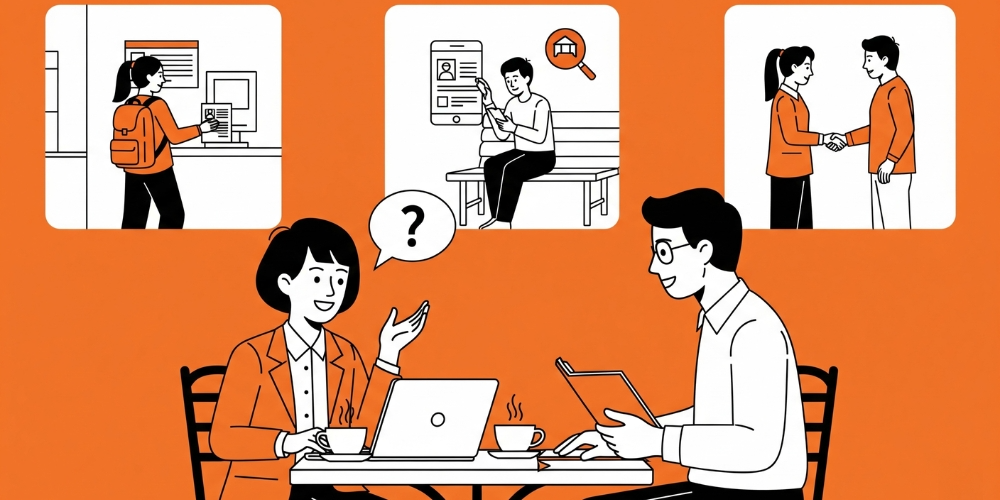
Taking on a first time job for 16 year olds isn’t just about earning a few bucks. It can shape your confidence, your future, and how you see yourself. Many studies show that teens who hold a steady job during high school are more likely to aim higher in school, save for college, and develop important life skills like managing time and money.
Teens who work even just one year can boost their income in their twenties by about 14 to 16 percent. Those are pretty solid numbers for a summer gig or weekend role. Beyond the money, simply having a job helps you feel capable and part of the world beyond school. Nearly everyone sees these first jobs as confidence boosters, ways to explore what they might enjoy, and a chance to help in their community.
But it’s not just about work. It’s about balance. Researchers found that teens who work moderately (around 20 hours or fewer per week) often do better academically and feel more centered in their goals compared to those who work too much or very irregularly.
The rules for young workers in 2026 involve a specific mix of federal protections and state-level quirks that you need to know before your first shift.
The Legal Baseline: FLSA Rules
The Fair Labor Standards Act (FLSA) is the federal law that sets the ground rules for youth employment.
- Minimum Age: For most non-agricultural jobs, the basic minimum age is 14.
- Hazardous Work Ban: If you’re 16 or 17, you can work unlimited hours in many roles, but you are strictly prohibited from “hazardous” jobs. This includes working with explosives, coal mining, or operating heavy power-driven machinery like forklifts and meat slicers.
- The Youth Minimum Wage: Under federal law, employers have the option to pay a “youth minimum wage” of $4.25 per hour during your first 90 consecutive calendar days on the job. Once that 90-day window closes (or you turn 20), your pay must jump to at least the standard federal or state minimum wage.
State Variations: Why Location Matters
While federal law is the floor, your state might have its own ceiling.
- Working Hours: Federal law doesn’t cap hours for 16-year-olds, but many states do. For example, in New York, 16- and 17-year-olds can work up to 48 hours per week when school is out, but other states might restrict shifts to 40 hours or less to protect your school-life balance.
- Night Shifts and Permits: Many states prohibit “night work” for minors (often between 11 p.m. and 6 a.m.) and may require you to have a formal work permit from your school or local labor office before you start.
- Compliance Tip: Always check your specific state’s Department of Labor website, as some states (like Indiana) have recently updated their laws to allow 16-year-olds to work the same hours as adults.
Confidence Meter
Drag the slider from Nervous to Confident
Start small. Every shift grows your skills.
Creative First-Time Jobs for 16-Year-Olds You Haven’t Considered
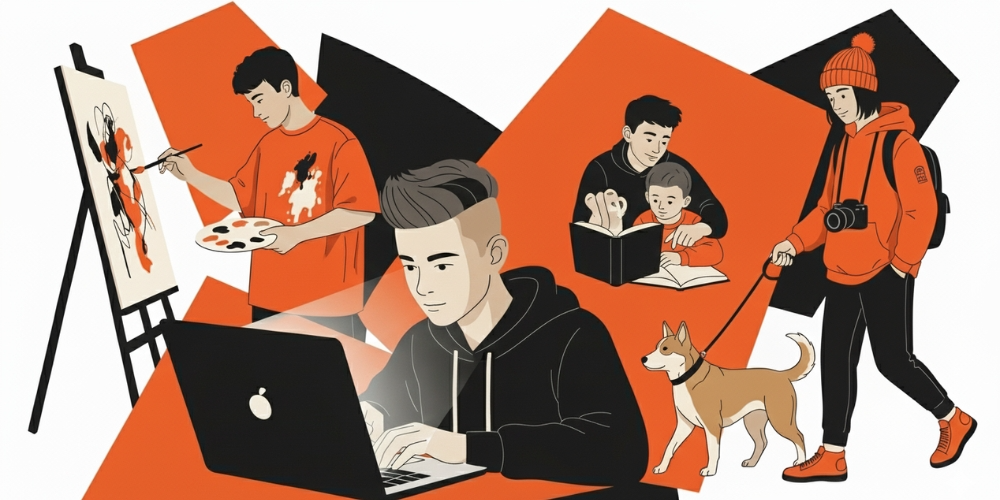
You’ve seen the usual: babysitter, dog walker, barista. But there’s a whole world of creative, fresh ways to earn, and they may just match what you love. Here are some options you might not have thought of:
Freelance designer or illustrator
If you sketch, draw, or dabble in digital art, platforms like Fiverr or Upwork let you get paid for small design projects, logo ideas, or commissions for clients who need something just like your style.
Sell crafts or digital art online
Got a knack for making cool bracelets, stickers, or art prints? Sites like Etsy, Facebook Marketplace, or even your own social media can let you sell easily. One teen started crafting gift bags and raked in around £750 in just one season.
Content creator for local businesses or schools
Know how to edit videos, write captions, or make fun graphics? Many small shops or school clubs need someone to run their Instagram stories or build short promo videos. You get creative freedom and practice.
Event assistant for arts or community projects
If there’s a local theater, gallery, or community fair, they often need help setting up, selling tickets, or running social media. You gain experience, meet creative people, and maybe even prep for your dream job later.
Photo booth or social media assistant at events
Got basic photography skills or can learn how to manage TikTok clips or Reels? Offer to run a simple photo booth or capture highlights at birthday parties, school dances, or parents' weddings.
Pet content creator or pet sitter
Instead of just walking pets, offer to make cute social-media reels of pets at play for owners who want to share in real time. You get to hang with animals and level up your video skills.
Digital tutor using creative tools
Instead of the usual help with homework, spice things up. Use screen recording, draw on virtual whiteboards, or illustrate tricky topics with funny memes. Younger students love it; you build your confidence.
Why these jobs stand out
- They match your passion. Whether that’s doodling, storytelling, or video editing—you’re doing what you already enjoy.
- They build modern skills. Editing, social media, customer care. You save up and build a resume.
- They’re flexible. Most won’t get in the way of school, and hours can flex around your schedule.
- They pay well compared to basic gigs. Your art or video skills could earn more than minimum wage—you’re offering something unique.
What Teens Should Know Before Taking a Job at 16
Before jumping into your first time jobs for 16 year olds, it’s important to know the basics. Work at this age can be exciting, but it also comes with rules and responsibilities. Here’s what to keep in mind:
1. Work Permits and Legal Rules
One of the first questions teens ask is how old do you have to be to get a job. In most countries, 16 is the standard age for part-time work, but labor laws vary. In the U.S., for example, federal law allows 16-year-olds to work unlimited hours in non-hazardous jobs, while younger teens (14 and 15) face more restrictions. However, some states still require work permits for minors. Checking your local labor office or school counselor’s office is the best place to start.
2. Hours and Work-Life Balance
While it may be tempting to chase as many hours as possible, research shows that jobs you can do at 16 should not come at the expense of school. The U.S. Department of Labor advises that teens balance work and studies, recommending no more than 20 hours a week during the school year. Working beyond that may hurt grades and limit time for sports, family, or relaxation.
3. Pay Expectations
Not every job for teens pays the same. Federal minimum wage in the U.S. is $7.25 an hour, though many states and cities have higher standards. Certain high paying jobs for 16 year olds—like tutoring, freelance design, or lifeguarding—can pay $15 to $20 an hour or more. It’s important to set realistic expectations, but also know when your skills deserve higher pay.
4. Safety and Workplace Rights
Whether you’re looking at summer jobs for high school students or year-round work, safety is non-negotiable. Some industries—like construction, heavy machinery, or certain kitchens—are off-limits for teens under 18. Employers must follow labor laws, and you should feel empowered to speak up if something doesn’t feel safe. The U.S. Occupational Safety and Health Administration (OSHA) has clear guidelines for teen workers.
5. The Soft Skills You’ll Need
Your first job is more than just a paycheck. Expect to show up on time, communicate clearly, and handle basic responsibilities. Employers hiring teenagers near me through postings or youth job fairs often say that reliability matters more than prior experience. Building habits like punctuality, responsibility, and teamwork now will serve you later—whether you’re going for internships, methods of recruitment in college programs, or professional jobs down the road.
Tips for Landing Your First Job as a Teen
Once you know what to expect, the next step is actually landing that first part time job for 16 year olds. Here are practical, action-ready tips to make your search easier.
1. Start Close to Home
Don’t underestimate your neighborhood. Family, friends, and local businesses are often the easiest way to find good starter jobs for 16 year olds. Babysitting, yard work, and tutoring younger students are classic examples. Asking “are there first time jobs for 16 year olds near me?” is often as simple as talking to a neighbor.
2. Use Online Tools Wisely
Job boards and youth-focused apps act as a job finder for teens. Search engines like Indeed and Snagajob list part time jobs for high school students, while platforms like Care.com or Rover focus on babysitting and pet care. But remember: online safety matters. Always involve a parent or guardian when applying online, especially for gigs involving strangers.
3. Highlight School and Volunteer Experience
You may not have past job titles, but you do have skills. Did you organize a school club event, help coach a younger team, or volunteer at a community drive? Add that to your resume. Employers looking for job suggestions for 16 year olds care more about attitude and potential than a long job history.
4. Prep for the Interview
Even summer jobs for 16 year olds often involve an interview. Dress neatly and make eye contact. Practice simple questions such as “Why do you want this job?” or “What is one strength you bring to the team?” This is where confidence matters more than polished experience.
5. Stay Open to Creative Paths
Don’t just settle for the first job you hear about. Be open to best jobs for teenagers that build new skills. From creating TikTok content for local cafes to helping with digital marketing for a small business, there are modern options that fit better with your interests. Employers are adapting too, especially with AI hiring trends changing how companies review applicants. Even your small experiences today could put you ahead tomorrow.
6. Follow Up and Stay Polite
If you apply and don’t hear back, send a short follow-up email or drop by in person. It shows initiative, which makes a difference. Politeness and persistence can often land you that role over someone who simply submitted a resume.
Job Readiness Checklist
0% Complete
Remote Work Safety and Digital Citizenship
Working from your bedroom sounds like a dream until you realize that the internet can be a bit of a minefield for new workers. When you don't have a boss sitting in the next cubicle, you have to be your own "security guard."
Spotting the Scams
Scammers love to target people looking for their first remote gig because they know you’re excited to get started. Here’s how to tell if that "perfect" job is actually a trap:
- The "Pay to Play" Trap: Legitimate employers will never ask you to pay for your own training, software licenses, or "starter kits". If they send you a check to buy equipment and then ask you to "refund" the extra money via PayPal, walk away—it’s a classic fake-check scam.
- Unrealistic Earnings: If a job promises you can earn $3,000 a week with no experience, it’s bait. Real entry-level remote work pays market rates and requires actual effort.
- The "Instant" Hire: Real companies take time to interview you, often through video calls. If you get hired via text or WhatsApp after just five minutes of messaging, that’s a massive red flag.
- Do Your Homework: Before saying yes, search for the company name plus the word “scam” or “review”. Check their LinkedIn profile to see if they have real, verified employees and a consistent history.
Data Privacy is Your Professional Shield
In the digital world, your personal data is valuable currency. You need to treat it like your house keys.
- Professional Separation: Create a separate email address just for work. This keeps your personal life private and makes you look more professional to recruiters.
- The TMI Rule: Never share your home address, Social Security number, or bank details on a public job board. A real employer will only ask for these after a formal contract is signed, and even then, they should use a secure, verified platform.
- Security Basics: Use a strong password (at least 16 characters) and turn on Multi-Factor Authentication (MFA) for every work account. If you're working on public Wi-Fi, use a Virtual Private Network (VPN) to keep your connection encrypted.
Mastering Digital Etiquette
Since nobody can see you, your written words and video presence are everything. That's your "digital footprint".
- Email and DM Habits: Skip the "LOLs" and emojis until you know the team’s vibe. Use full, grammatically correct sentences and always proofread before hitting send.
- Response Times: You don't have to reply in seconds, but aim to get back to emails within a few hours during work time. If you need more time to finish a task, just send a quick "received, I'll have a full update for you by 4 p.m." so they aren't left hanging.
- The Video Call Rule: Treat a Zoom meeting like an in-person one. This means dressing the part (at least from the waist up), using a professional background or a blur tool, and keeping your microphone on mute whenever you aren’t talking.
Time Management: Avoid the Burnout
The hardest part of remote work is knowing when to stop. Without a commute, work can easily bleed into your dinner time.
- Set Hard Boundaries: Pick a specific "start" and "end" time for your day and stick to it. When you’re off the clock, turn on "Do Not Disturb" on your phone and close your laptop.
- The Workspace Shift: If you can, don't work from your bed. Designate a specific desk or table for work only. When you physically leave that spot, your brain knows it’s time to relax.
- Use the Pomodoro Technique: Try working in 25-minute bursts followed by a 5-minute break. It keeps your brain fresh and prevents the "screen-stare" fatigue that leads to mistakes.
How AI and Automation Affect Teen Jobs
The job market in 2026 is a bit of a weird place for someone just starting out. While it’s not quite a "robots vs. humans" movie, AI is definitely rearranging the rungs on the career ladder. If you're 16 and looking for work, you need to know which jobs are shrinking and which skills will keep you ahead of the curve.
The "First Rung" Problem: Where Jobs are Shrinking
For decades, the "grunt work"—data entry, basic filing, and answering simple customer questions—was the classic way teens got their foot in the door. Today, that’s changing.
- Automation Threats: AI is now handling "repetitive" tasks like Tier-1 customer service, scheduling, and basic data entry with more speed than any human could.
- Vanishing Entry-Level Roles: Some industries have seen a massive drop in junior openings—tech graduate roles in the UK are projected to drop by 53% by 2026.
- The Wage Squeeze: While people with advanced AI skills are getting paid more, entry-level hiring is slowing down because companies would rather hire one senior employee with AI tools than three juniors who need training.
- Why Creativity Matters: Experts agree that because AI can only "remix" what it already knows, your ability to think critically and come up with original ideas is your best defense against being replaced.
The "Human Edge": Skills AI Can’t Fake
AI is great at following patterns, but it’s terrible at "messy" human reality. To be "future-proof," you should lean into the things a machine can't replicate.
- Social & Emotional Intelligence: AI can simulate empathy, but it can’t actually feel it or read a room’s subtle energy during a difficult conversation.
- Complex Problem-Solving: A machine can propose a cost-effective plan, but it won't understand if that plan might ruin community trust or cause an ethical mess.
- Leadership & Teamwork: Building genuine trust, motivating a team when things go wrong, and resolving human conflicts are all high-value "human-only" territories.
- How to Build Them: Don’t just look for a paycheck; look for experiences. Volunteering, joining a debate club, or even leading a group project at school helps you develop these "interdisciplinary" skills that employers in 2026 are desperate for.
New Opportunities: Working With the Tech
While some old jobs are disappearing, brand-new ones are popping up that didn't even exist when you were in middle school.
- AI Prompt Interaction: This isn't just "chatting" with a bot; it's learning how to refine instructions so the AI actually produces high-quality, useful results.
- Data Annotation & Labeling: AI models need to be "trained" by humans who can review edge cases and label information correctly.
- Content Creation: Marketing teams are hiring "Generative AI Content Creators" who can use tech to scale up their creative vision, not just replace it.
- A Word on Safety: Many of these platforms have strict age restrictions (often 18+) or require parental consent. Always check the platform’s fine print before signing up for freelance AI training or labeling gigs.
The Bottom Line for 2026
The outlook isn't "doom and gloom," but it is different. The jobs that only require you to follow a script are fading away. However, if you can use AI as a tool to boost your own creativity and focus on the parts of work that require a human heart and a sharp brain, you’ll find plenty of doors opening.
Conclusion
Finding the right first time jobs for 16 year olds isn’t just about making pocket money. It’s about building confidence, learning responsibility, and exploring work that sparks your interest. Whether you choose summer jobs for high school students, dive into creative side gigs, or try part time jobs for high school students, the skills you gain now will pay off far beyond your teenage years.
The key is to think beyond the usual. Good first time jobs for 16 year olds don’t have to look like everyone else’s path. Instead, they can be stepping stones to independence and even future careers. By exploring different job suggestions for 16 year olds, you’ll not only discover what you’re good at but also what excites you.
FAQs
Some of the high paying jobs for 16 year olds include tutoring younger students, lifeguarding, freelance graphic design, and even social media content work for small businesses. These roles often pay above minimum wage because they require skills, training, or creativity that set you apart from typical entry-level jobs.
This depends on where you live. In the U.S., some states require 16-year-olds to have a work permit, while others do not. Check with your school office or local labor department to confirm. If you’re outside the U.S., your country’s labor laws will outline whether a permit is necessary before starting your first job.
At 16, you generally have more flexibility than younger teens. In the U.S., federal law allows you to work unlimited hours in non-hazardous jobs. Still, some states set their own limits—especially during the school year. A safe guideline is to keep work under 20 hours a week while school is in session, so you can balance studies, activities, and rest.
Yes, online jobs can be safe if approached carefully. Stick to trusted platforms, involve a parent or guardian in the process, and avoid sharing personal information like home addresses or bank details directly. Look for structured platforms designed for young workers, and when in doubt, always double-check an employer’s legitimacy before accepting any online job for teens.