


TL;DR
- A fractional chief automation officer guides automation without full-time cost.
- Businesses get senior-level guidance at a lower cost.
- This role focuses on fixing slow processes and improving daily operations.
- It works well for startups and growing teams that need quick wins.
- The goal is simply fewer manual tasks and better use of technology.
Most companies begin with simple workflows and quick wins. As they grow, everyday tasks start to stack up, reporting becomes a drain on time and teams find themselves doing the same work again and again across disconnected tools. When progress begins to slow and frustration sets in, that is usually when a fractional chief automation officer becomes necessary.
Instead of guessing what tool to buy next, companies bring in a senior automation leader for a few hours a week. This expert helps clean up messy systems, sets clear priorities and shows teams how to work smarter without burning money or time.
What Is a Fractional Chief Automation Officer
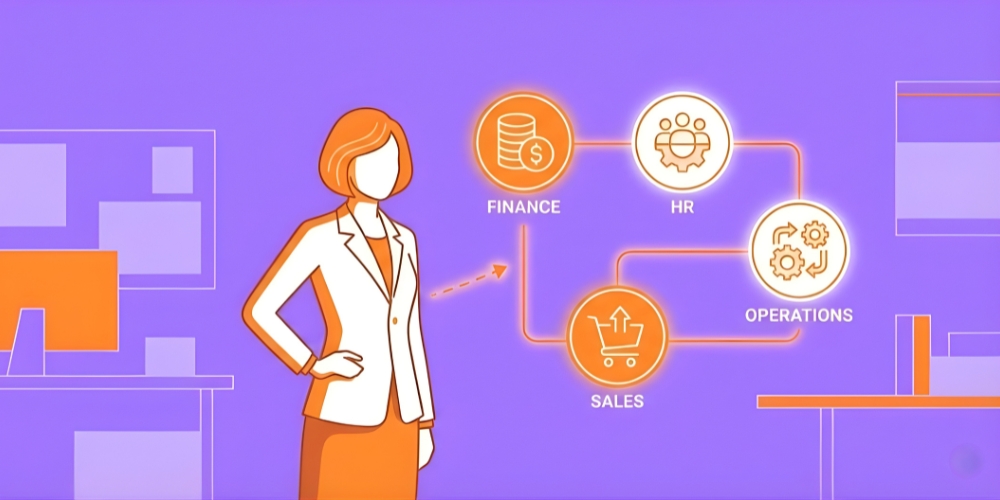
If you are asking what a fractional chief automation officer is, the answer is simple. It is a senior automation leader who works part-time with a company.
A fractional chief automation officer looks at how work gets done across teams. They spot tasks that should not be manual anymore. They guide the use of automation and AI in a way that fits the business size and goals.
Some companies also call this role a fractional chief AI officer because automation and AI often go hand in hand. The focus is not on fancy tools. The focus is on solving real problems like slow onboarding, messy data or missed handoffs between teams.
Research shows that nearly half of the tasks people do at work today could already be handled by current automation technology.
That only works when someone experienced is steering the effort. This is where fractional leadership makes sense.
Automation Fit Radar
Answer 5 quick questions. Your radar updates as you choose.
Why Companies Are Hiring Fractional Automation Leaders

Hiring a full-time executive is expensive and risky, especially for smaller teams. A fractional chief automation officer gives access to experience without long-term commitment.
Here is why demand is growing fast
- Companies are using more tools than ever and many do not connect well
- AI adoption is rising but teams lack clear direction
- Leaders want results in weeks, not years
According to McKinsey’s 2025 data, 88% of organizations now use AI in at least one area. This is a shift that reflects how quickly AI has settled into normal business routines.
Without the right guidance, these tools create more confusion than value. Fractional leaders help teams move with purpose instead of chasing trends.
Choose the Growth Path
Scenario. Your company just doubled customers. What do you do next?
What Does a Fractional Chief Automation Officer Do

A fractional chief automation officer focuses on action not theory. Their work usually follows a clear flow.
First, they review how work happens today. This includes systems, tools and team habits. They may also review hiring and people workflows, including talent assessment with recruiter software, to find delays and gaps.
Next, they decide what to fix first. Not everything needs automation. A good leader picks areas that save time quickly. This could include onboarding, reporting or customer support tasks.
They also guide teams on the smart use of AI. This might include AI tools for talent assessment or process automation tools that reduce manual checks and data entry.
Finally, they help leaders choose better recruitment methods and internal workflows so that automation supports growth rather than slowing it down.
A fractional leader keeps things simple, focused and aligned with business goals.
From Chaos to Flow
Drag the steps into a better order. Use Hint or Answer only if you need it.
- Automate the steps
- Tool selection
- Measure results
- Team training
- Process mapping
- Process mapping
- Tool selection
- Team training
- Automate the steps
- Measure results
Fractional CAO vs Full-Time CAO
The difference between a fractional and full-time automation leader comes down to scope, cost and timing.
A full-time CAO works inside the company every day. This makes sense for large enterprises with complex systems and long-term automation roadmaps. It also comes with a high salary, equity and long hiring cycles.
A fractional CAO usually works with a company for a limited number of hours each month. The role centers on tackling the most pressing issues first such as shaping decisions and setting clear priorities so teams can move forward without extra layers of cost.
This kind of leadership brings momentum and direction while avoiding long-term commitments for growing companies.
Decision Slider
Move the sliders. The recommendation updates instantly.
- Great when you need direction, not another full time seat.
- Works well for fast cleanup and focused priorities.
- Lower commitment while you learn what you truly need.
- Best when systems are complex and change never stops.
- Fits large teams with ongoing automation programs.
- More ownership day to day across the whole company.
When Does a Company Need an fCAO

There is no perfect moment. But there are clear signals.
When teams start talking about tool overload, slow handoffs or the same manual work showing up again and again, it signals a deeper issue. AI experiments that run for months without clear results point to the same problem. Uncertainty at the leadership level about what to automate first is another strong sign that the timing is right.
An fCAO fits best when a company is growing but not ready for another full-time executive. They help bring order before things break.
This role is also useful during change, like scaling fast, merging systems or preparing for new product launches.
Skills to Look for in a Fractional CAO

Automation leaders vary widely and the strongest ones balance technical know-how with an understanding of people.
Look for someone who can explain ideas in plain language. They should understand business goals and not just tools. Experience across different industries helps because patterns repeat.
Strong candidates also know when not to automate. That judgment comes from years of hands-on work, not certifications.
Most importantly, they should focus on outcomes like saved time, fewer errors and smoother workflows.
Common Mistakes Companies Make

One common mistake is buying tools before setting direction. Automation without leadership creates chaos.
Another mistake is expecting instant results. Automation is fast, but it still needs planning and change management.
Some teams also treat automation as an IT project only. In reality, it touches people, habits and decisions.
A fractional CAO helps avoid these traps by keeping efforts focused and realistic.
Automation Myth Breaker
Tap a card to flip it. Myth on the front. Reality on the back.
Conclusion
Automation should make work easier and not harder. It frees teams to focus on meaningful tasks and growth when guided well.
A fractional automation leader gives companies a way to move ahead without locking themselves into long commitments. For teams caught between manual work and newer tools, this role often restores focus and forward motion.
FAQs
How much does a fractional automation leader cost?
When should companies hire an fCAO?
Can startups benefit from a fractional CAO?