

TL;DR
- Learn how AI predicts salary ranges and why it helps teams work faster.
- Understand how large data sets shape salary predictions.
- See how AI screening connects to engineer AI/ML hiring.
- Learn how recruiters use these insights to support fair pay decisions.
- Know where AI helps and where humans still need to step in.
The hiring teams today want to have answers quickly, and salary expectations are one of the hardest to guess. This is where how AI predicts salary ranges in recruitment becomes important because people want accuracy without back-and-forth confusion. Salaries shift each year, and tech skills move even faster, which makes human guessing even harder.
Some teams also review broader hiring patterns, such as a breakdown of machine learning engineer hiring trends, which helps them understand how salary shifts usually follow skill demand. The good news is that AI can sort huge amounts of data in seconds and produce ranges that match the current market. In this blog, you will see how AI works with real job data and how teams use these insights without losing human control.
How AI Predicts Salary Ranges Using Large Data Sets
To understand how AI predicts salary ranges in Recruitment, you have to look at how AI reads patterns. AI pulls together many sources, such as job ads, government pay data, industry reports, skill levels, and location shifts. A report showed wage differences across tech roles vary up to 38 percent by region, which highlights why location data is so important.
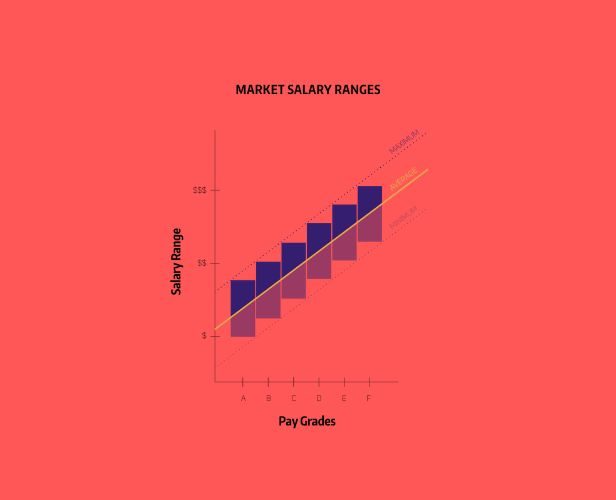
AI tools compare skill needs and experience levels to hundreds of thousands of salary points. Instead of checking three or four job ads, a human might check; an AI can scan more than a million listings in seconds. It then builds salary bands using real patterns rather than guesswork.
AI also learns how roles evolve. In technical hiring, this matters because job descriptions for engineering roles shift fast. When you bring in the secondary keywords like engineer AI/ML jobs, AI notices how fast pay changes when new tools or frameworks enter the market. This is how it keeps predictions stable even while the industry moves.
You can see a similar pattern explained in whether ML engineers tend to outearn software engineers, which often links back to evolving skill depth.
AI Resume Screening for Technical Roles
AI screening tools have changed how technical resumes are reviewed. Many hiring teams now ask if AI screening is useful for comparing AI engineer salary vs machine learning engineer salary ranges, and the answer depends on the data used.
AI scans resumes for skill depth, experience levels, and project types. For tech roles where developers list certifications and tools used, AI can match the skills to current market needs.
AI does not check the salary itself inside the resume, but it links the skill found to market salary bands that fit those skills. This is how screening stays fair and fast. AI can sort hundreds of resumes without feeling tired or rushed. It picks out patterns that humans can miss, such as tool versions that match modern workflows. This improves the early screening step, especially for engineer AI/ML roles where skill sets are wide and deep.
Why Salary Prediction Works Especially Well for AI ML Roles
Technical roles change constantly, which is a challenge for recruiters. This is why how AI predicts salary ranges in recruitment works so well in AI and ML hiring. These roles do not have stable patterns. New tools appear fast. Pay rises quickly in some areas and drops in others. A 2024 McKinsey report shared that demand for advanced AI engineering skills grew more over the year.
Because the field evolves so fast, AI-based predictions have an advantage. They update automatically. They learn from each new job listing. They track skill value changes in almost real time.
For example, when a new tool becomes common for ML projects, AI detects it in resumes and job ads. Then it updates salary bands for roles needing that tool. This helps recruiters understand why one engineer AI ML role might pay more than another, even if the job titles look similar.
AI also spots patterns between AI engineer salary vs machine learning engineer salary ranges. It notices that ML roles handling deep model training often have higher pay bands compared to engineering roles focused on deployment or automation tasks. Recruiters can then use this insight to keep offers aligned with the market.
How Recruiters Use AI Salary Predictions
Recruiters use AI salary predictions in several helpful ways. This keeps the hiring process smooth and avoids awkward salary mismatches.
Early expectation setting
When recruiters share market ranges with candidates early, the conversation stays clear. AI provides ranges based on skill patterns instead of rough guesses.
Comparing offers
Teams can match their offers to similar roles in the market. This supports fairness and reduces the chance of losing candidates to stronger offers elsewhere.
Supporting technical hiring
For engineer AI/ML jobs, recruiters can see how pay shifts by skill clusters. This helps them match candidates to teams more accurately.
Creating internal pay balance
Companies want equal pay for similar roles. AI helps teams find pay gaps and correct them.
Saving time
Instead of spending hours checking salary sites, AI tools do it instantly. Recruiters can spend more time speaking with people and less time searching for numbers.
All these points keep the hiring flow steady and aligned with How AI Predicts Salary Ranges in Recruitment as a practical method and not just a trend.
Limitations and Human Oversight Needs
AI is powerful, but it is not perfect. Teams must guide it with clear oversight. These are the main limits.
AI does not understand context
AI can only read patterns. It does not fully understand unusual career paths or special project experience. Humans must review these moments.
Predictions depend on the data
If the data is outdated, the salary range will be outdated too. AI needs constant updates to stay accurate.
Not all resumes show skill depth
Some candidates write very short resumes. Others write twenty page resumes. AI needs human review to fill the gaps and understand real skill levels.
Salary is more than numbers
Some salary changes come from the budget season’s internal team structure and business cycles. AI cannot see these details.
Oversight protects fairness
Humans must check predictions to make sure they align with equity and fairness goals. This becomes even more important in high-demand areas like engineering AI/ ML roles, where pay swings are fast.
These limits show why humans and AI must work together. This is the safest way to use how AI predicts salary ranges in recruitment without losing accuracy or fairness.
How AI Predicts Salary Ranges in Recruitment With Human Guidance
To use how AI predicts salary ranges in recruitment in a safe way, companies mix AI prediction with human judgment. Recruiters look at AI ranges and then compare them with team structure and project needs. If the prediction matches the real world, they move forward. If it does not, they adjust the range to make it more realistic.
This balance keeps the company grounded. It prevents mistakes that happen when people trust the system too much or ignore it completely. When the process works well, recruiters get faster answers, candidates get clearer expectations, and teams avoid delays caused by mismatched salary offers.
Conclusion
Salary talks do not need to feel stressful. When teams learn how AI predicts salary ranges in recruitment, they realise that AI helps remove the guesswork and brings clarity to early hiring steps. AI can read huge amounts of job data and update ranges faster than humans could. It works especially well for technical roles, including engineer AI/ML hiring, where skills shift quickly, and market pay changes every few months.
AI does not replace people but rather supports them by offering data that humans shape into real decisions. When both work together, hiring becomes smoother and fairer for everyone.
FAQs
Q1. Does AI replace compensation analysts?
AI supports salary work but does not replace human judgment at all.
Q2. Can AI detect inflated resumes?
AI can notice skill gaps and unusual patterns, but humans must confirm. This is important when comparing AI engineer salary vs machine learning engineer salary expectations.
Q3. Is salary prediction fair?
Yes, when the data is updated and checked often. Fairness comes from mixing AI patterns with human review.
Q4. Does AI take location into consideration?
Location data is one of the strongest factors in how AI predicts salary ranges in recruitment, as pay varies by region.