


TL;DR
- Military recruitment shortage peaked in the early 2020s.
- Several branches missed recruiting goals in 2022 and 2023.
- Recruiting has improved but readiness gaps remain.
- Clear strategy and modern outreach can reverse the trend.
- Workforce planning helps avoid talent shortages with compliant AI tools.
The military recruitment shortage has grown into a serious issue for the United States armed forces. For years, fewer people were signing up while jobs outside the military were easier to get. In 2022 and 2023, this made recruiting harder for several branches. Many did not hit their targets, which sparked concerns about readiness and security.
Even with these challenges, there are signs of progress. Reports from the Defense Department show recruiting picked up in 2024 and 2025, with several branches meeting or passing their targets. That shift has opened the door for the military to focus on building its force again. This blog looks at what caused the shortage and the practical moves leaders can make to respond.
Why Military Recruitment Is Declining
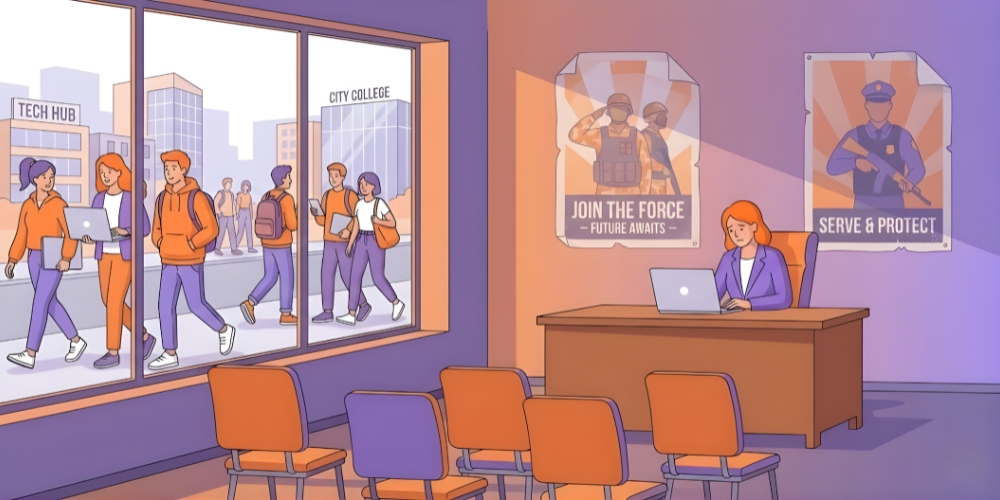
Recruiting people into military service is harder now than it has been in decades. A key issue is eligibility. Only about 23 percent of young Americans meet the physical, educational, and moral standards required to serve.
At the same time, more young adults have opportunities outside of the armed forces. Jobs in tech, healthcare and other sectors often pay more and demand fewer physical commitments. This point feeds into questions like “Is it a bad time to join the military 2025?” that many recruits and families are asking.
Social changes also matter. Fewer families have military history, which makes service less familiar, and broader cultural shifts have influenced how people perceive military life. Barriers like fitness standards, testing and delayed entry pipelines also complicate the process.
All of these factors combined have made military recruiting shortage not just a short-term drop but a structural challenge.
Reality Check Quiz
Guess first. Then see the reality. Quick, simple, and a little humbling.
Impact of Military Recruitment Shortages
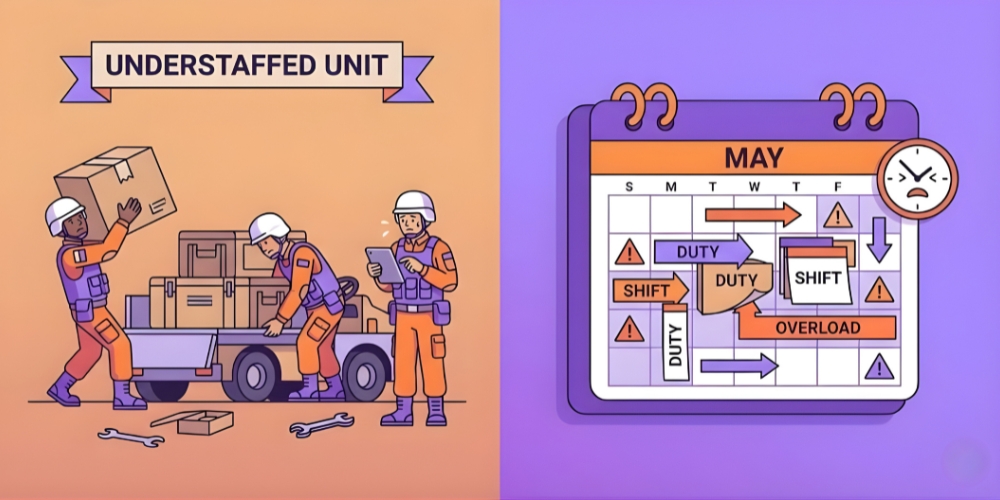
When enlistment stalls, the effects extend beyond simple headcounts. One issue is readiness. Even when there are enough people on paper, units struggle if they do not have enough trained professionals ready to step in and serve when needed.
Gaps in the workforce can force commanders to change plans or delay deployments. That adds strain on current service members and can hurt morale over time. On a broader level, public discussions start to question whether the US military is weak or if the army recruiting crisis points to deeper problems. These ideas shape how people see the military and can make recruiting even more difficult.
Recruitment challenges can also shrink the talent pool for critical specialties. For example, debates around issues like the military not recruiting certain groups, such as military not recruiting black engineers (in public discourse), show how sensitive and impactful recruitment policies and messaging can be when talent is sparse.
Scenario Decision Puzzle
You are the unit planner. You are short staffed. Pick a move. See what it breaks.
How to Counter Military Recruitment Shortage (Strategic Framework)
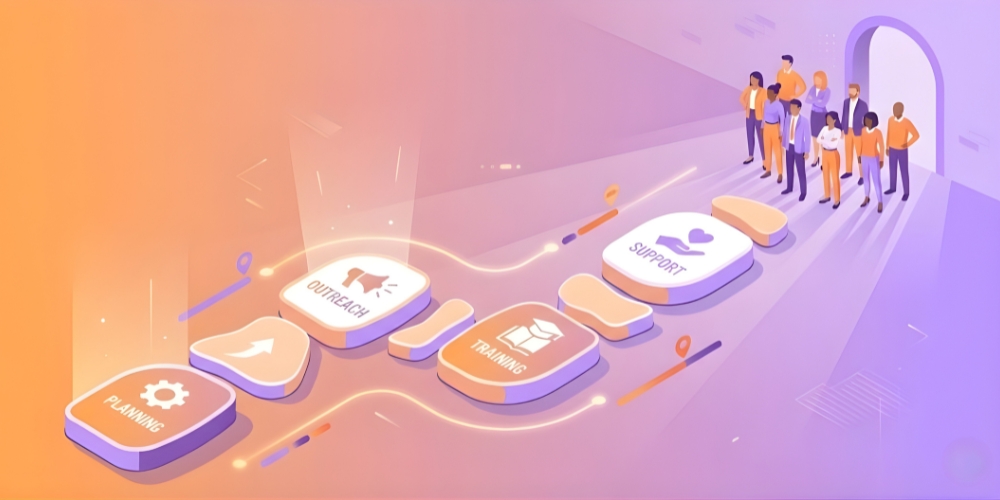
Solving these challenges begins with a clear plan that looks past quick fixes. The approach below highlights practical steps leaders can put into action and sustain over time.
Modernize Messaging and Outreach
Young adults respond better to messages that line up with what they care about. Recruiting should highlight chances to grow a career, get education support, build leadership skills, and gain real work experience. The message needs to show that time in service adds long term value and still leaves room for a civilian career later on. Connecting with communities that have little experience with military life can also help bring in more qualified applicants.
Strengthen Eligibility and Prep Programs
Programs such as the Army’s Future Soldier Prep Course give interested applicants time to reach physical and academic requirements before signing up. These efforts bring more qualified people into the pipeline. Making these programs easier to access and keeping their quality consistent can further strengthen future enlistment.
Rework Incentives and Support Structures
Pay scales, bonuses, and educational benefits need to remain competitive. This is not just about money; it’s about aligning incentives with what recruits value, such as tuition assistance, childcare support, and transition programs for life after service.
Integrate Better Workforce Systems
Long-term success rests on sound workforce planning, which helps avoid talent shortages. Data based insights can help spot where staffing gaps are likely to appear, giving leaders time to respond before problems grow. Building stronger connections with places like high schools and community colleges can also help keep interest in service careers steady over time.
Embrace Technology Thoughtfully
Digital recruiting platforms and data tools can be very effective but military recruiting must always be handled with care and responsibility. Campaigns should be built with AI recruitment compliance in mind so that automated systems protect candidate privacy and follow fairness standards.
Lastly, acknowledging progress where it exists, such as recent signs that military recruiting has rebounded after a few tough years, helps maintain momentum and confidence.
Where AI Makes the Biggest Difference in the Military Recruitment Shortage
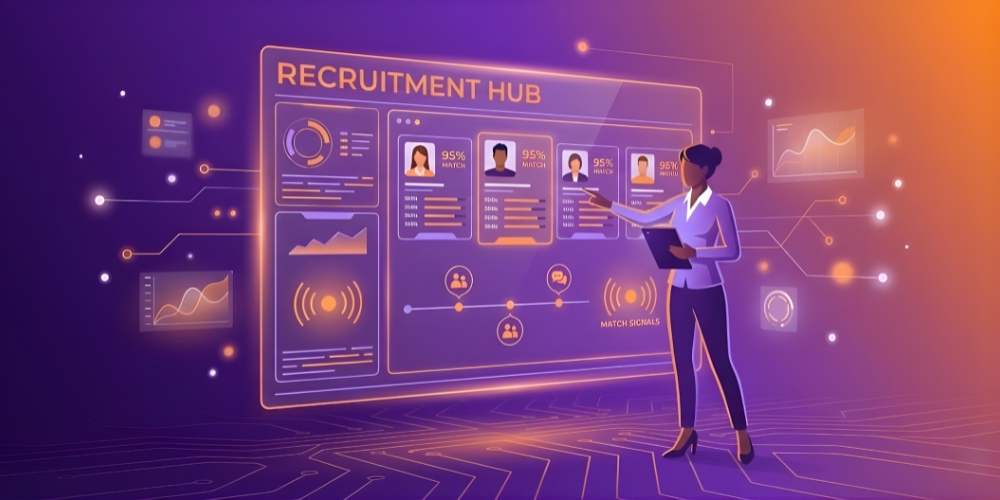
Artificial intelligence is not a complete solution, but it helps ease many common recruiting problems. One clear benefit is speed. Automated screening can review applications quickly and highlight strong candidates early, which lowers the risk of losing interest during long wait times.
AI helps recruiters aim their efforts more carefully. This is important at a time when the AI talent shortage is hitting both the military and private companies. Winning over cyber, data, and engineering talent takes better focus, not louder campaigns.
AI also helps keep things consistent. When the same assessments are used across the board, there is less room for mistakes or uneven judgment, and decisions are clearly recorded. This supports fairness for candidates and gives institutions a process people can trust.
More than anything, AI gives recruiters their time back. When routine work is handled by systems, they can focus on real conversations, support candidates through the process, and help them feel confident about choosing to serve.
Rethinking the Military Employer Brand
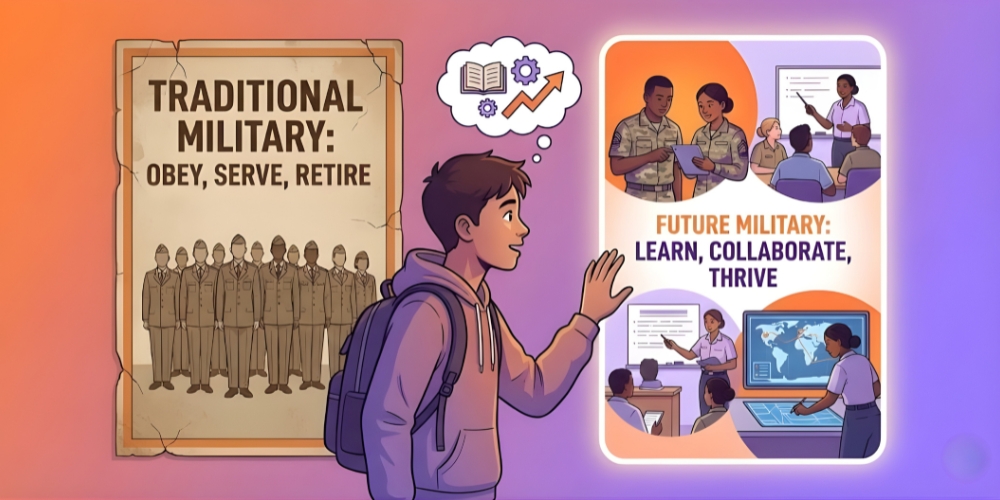
For many young people, the military brand feels distant or outdated. That gap fuels hesitation and misinformation. Some concerns are rooted in headlines, rumors or fear-driven narratives such as those around military gangs, which have gained attention online and damaged trust despite being isolated and actively addressed by the Department of Defense.
A modern employer brand needs clarity and honesty. That means showing what service really looks like today, including career paths, education options, and post-service outcomes. It also means acknowledging challenges instead of hiding them.
Being open builds trust. When people hear real stories from those in service and understand both the effort it takes and what they gain then the decision feels like their own. A steady and honest brand voice also helps shift the tone of army recruitment news where setbacks often get more focus than the progress being made.
Brand Perception Poll
Vote for how you think it feels today, then vote for how it should feel. See the gap.
Partnering With Civilian Recruitment Technology
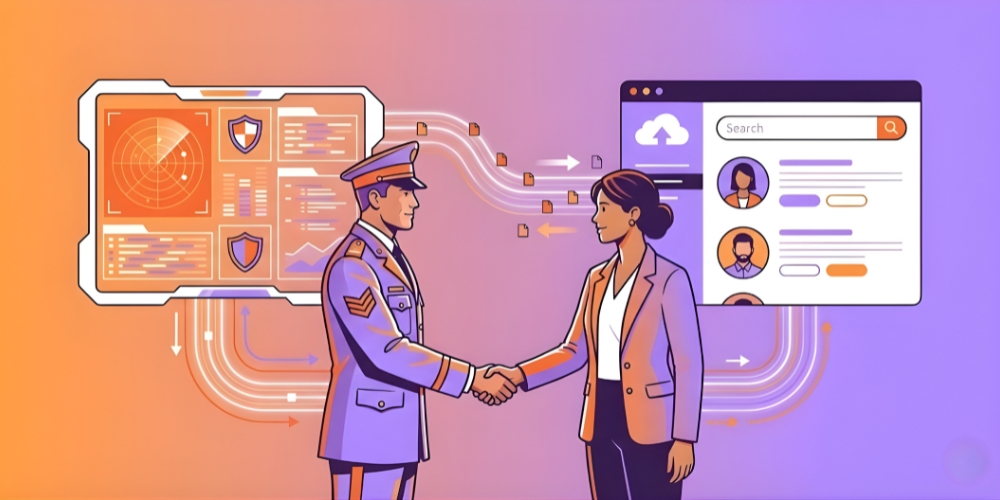
Military recruiting no longer operates in isolation. Civilian recruitment platforms have spent years refining candidate journeys, such as improving engagement and reducing friction. Partnering with these platforms allows the military to learn faster and modernize responsibly.
These tools help keep the hiring process organised with clearer scheduling and open communication. Candidates can see where they are, what the next step is, and who to reach out to. That kind of clarity eases stress and makes people less likely to drop out halfway through.
Some hiring tools were built in industries that handle huge numbers of applicants and have tight rules all the time. That background makes it easier for military teams to handle volume without losing fairness or clarity with people.
Recruitment Journey Comparison Tool
Toggle between two journeys. Walk step by step. See where candidates drop off.
Conclusion
The recruiting problem built up over time and it will not be fixed in a single step. Even so, change can happen. It starts with honest messages, better systems, and putting candidates at the center of every decision.
The path forward blends tradition with modern thinking. By improving experience, embracing responsible technology, and strengthening trust, military leaders can rebuild momentum and attract the next generation of service members.
FAQs