

TL;DR
- Bad or negative reference doesn’t always mean “no hire”.
- Understand what makes a poor reference vs an irrelevant comment.
- Reference checks influence hiring decisions at most companies.
- If multiple reference concerns show up, dig deeper before you decide.
- Clear communication internally and with the candidate ensures fairness.
When you’re figuring out how to deal with a candidate with a bad reference, you’re really deciding how much weight to put on someone else’s opinion about a person you might hire. A bad reference can feel like a red flag, especially in a market where companies already struggle with finding talent and often reject candidates after reference checks.
This blog will break down what counts as a negative reference, why one bad note might not tell the full story and how to make fair decisions without losing good candidates or causing internal confusion.
What Is Considered a Bad Reference?
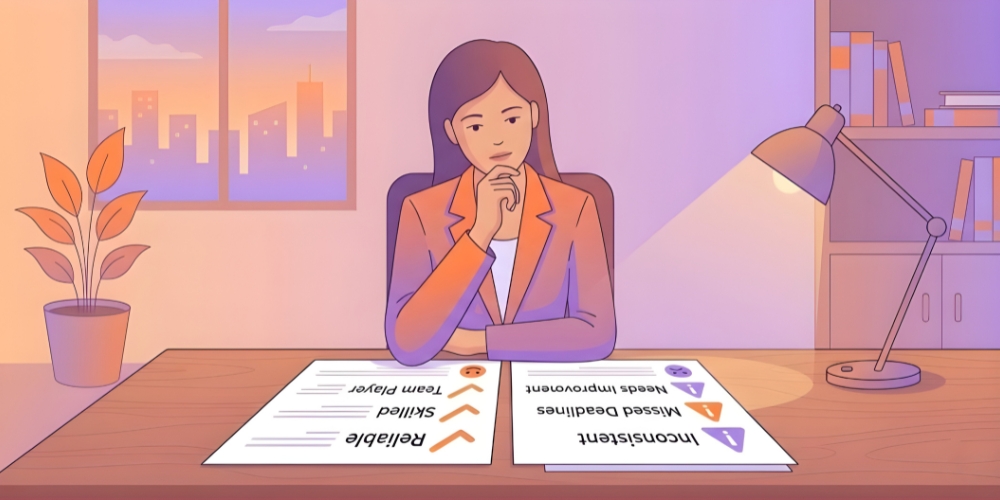
A bad reference comes from a former manager, employer or coworker who raises concerns about a candidate’s work performance. This may include issues with meeting goals, working with others, managing time or showing up consistently. Sometimes it reflects repeated problems, such as ongoing conflicts with teammates or habits that make it harder for the person to succeed in their role.
Bad references differ from simple factual confirmations of dates and roles. A poor reference goes beyond basic facts and speaks to the candidate’s workplace behavior or outcomes.
Many employers use reference checks as part of their standard recruitment screening, with about 87 percent of companies doing them regularly.
Why Bad References Are Often Misleading
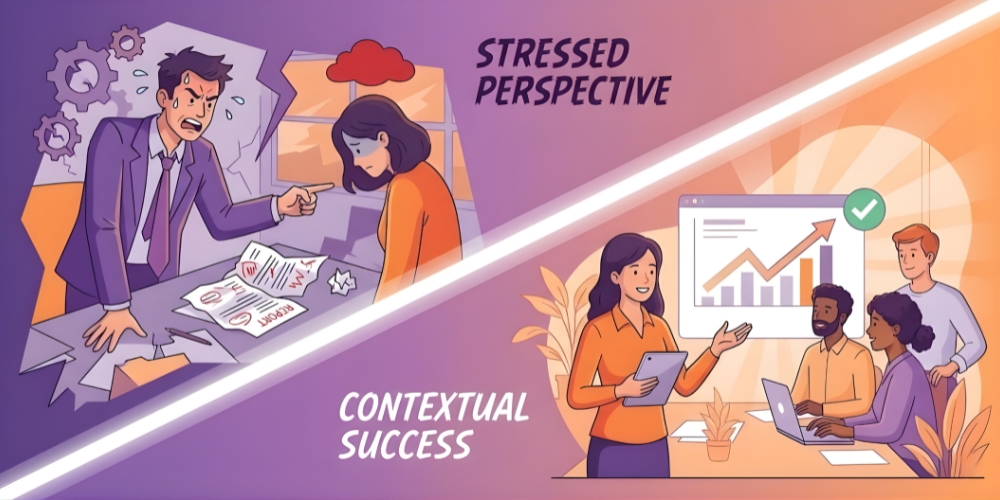
It might seem obvious that a poor reference should end the process. But context matters.
Many reference providers feel uncomfortable giving negative feedback and will instead share vague or overly positive comments, which means the absence of praise isn’t always a true negative. Others may have biased views based on personal conflicts or limited interaction with the candidate. This is especially common when the referee was not directly supervising the candidate.
Furthermore, some industries and roles rely less on candidate references and more on skills or assessments, so a negative comment from a referee outside the candidate’s core work team can be misleading. It’s not uncommon for good candidates to get stuck with poor references simply because they worked under a manager who didn’t communicate well.
Perspective Flip Exercise
Answer the same situation twice. First as the hiring manager. Then as the former manager. This helps you see why a reference can sound harsh even when the story is more complex.
A reference says, “They struggled with deadlines.” What do you assume first?
Same situation. Why might a former manager say that?
How to Deal With a Candidate With a Bad Reference (Decision Framework)
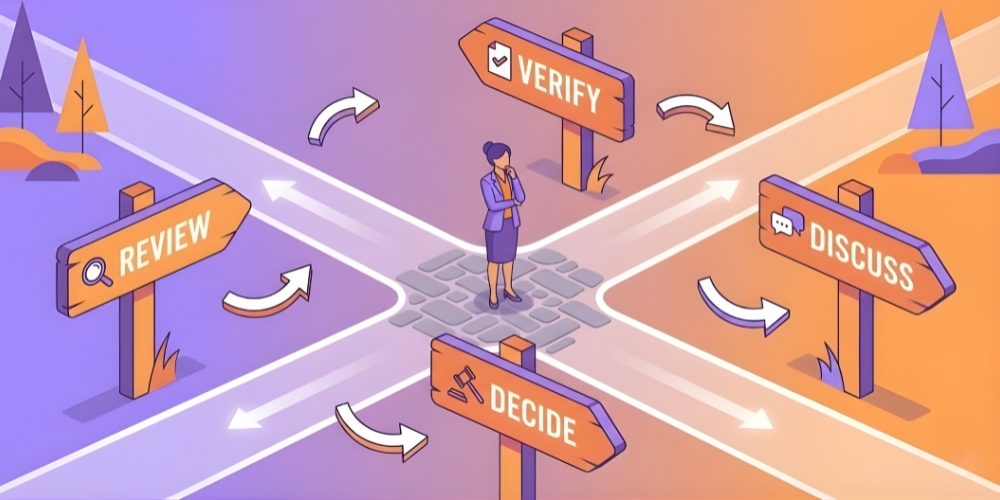
Verify Facts
Start by checking what exactly the referee said. Was it a judgment or a factual observation? Separate things like behavior concerns, attendance issues and performance gaps from mere personality clashes.
Compare With Other Inputs
Look at the interview performance, assessments, and other candidate references. If all other signals are positive, then a single poor reference might be due to bias or miscommunication.
Discuss With the Candidate
Give the candidate a chance to explain. Ask them about the situation behind the comments and whether they can provide alternative referees who know their work well.
Use Structured Reference Questions
Rather than open conversations, structured questions help elicit clear and consistent responses from referees and reduce guesswork and interpretation bias. Automated systems also show much higher completion rates than traditional phone calls, at about 82 percent compared to 30 percent.
Weigh Against Role Sensitivity
Decide how critical the reference feedback is for the specific role. If the role involves high trust or direct leadership, then negative feedback may carry more weight.
Decision Path Builder
Answer three quick questions. Each answer unlocks the next step. At the end, you get a clear action recommendation you can use right away.
How many references raised the concern?
How risky is the role?
When did the issue happen?
Your recommended next step
When a Bad Reference Should End the Process
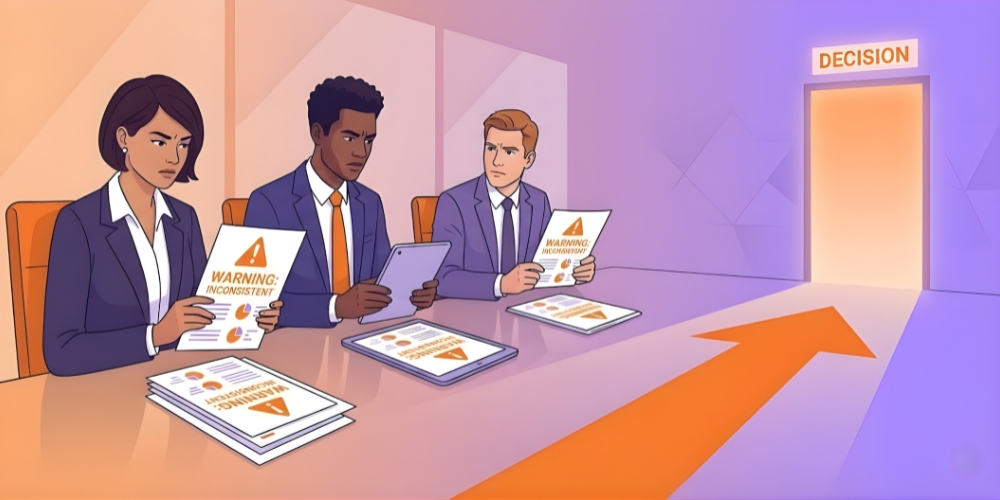
Some situations call for a clearer stop to the hiring process:
- Multiple references confirm the same serious concern. One isolated negative opinion is different from three referees reporting the same pattern.
- Safety or compliance risks. If the reference highlights behavior that could jeopardize safety, legal compliance or client trust, it’s reasonable to move on.
- Contradictions with candidate claims. If the reference directly contradicts key claims on the resume or in interviews about experience or achievements.
When these serious issues show up consistently, then it is usually better to walk away rather than risk a lost job offer due to bad reference fallout later.
Red Flag Threshold Meter
Move the slider to judge severity. The examples and recommended action update as you slide. Use this when deciding if a bad reference should end the process.
What this level can look like
- Vague comment with no examples
- One-time issue during a messy project
- Concern is not clearly tied to the role
What to verify next
- Ask for one concrete example and timeline
- Check for a second reference view
- Compare with interview evidence and work samples
Pause and validate. Use structured questions, then decide based on consistent evidence.
When a Bad Reference Should Not End the Process

A bad reference should not automatically close the door when the concern is minor, outdated or isolated. People grow, teams change, and work environments vary. A comment about missed deadlines five years ago may have little relevance today, especially if recent roles show steady performance.
This is also true when the feedback comes from a limited or indirect working relationship. Sometimes the referee barely worked with the candidate or only saw them during a stressful transition, like layoffs or restructuring. In those cases, the reference reflects the moment, not the person.
Another situation recruiters often face is when a candidate cannot provide references from a recent role. This can happen after leaving a difficult work environment, during company freezes or when a manager chooses not to give references at all. The missing reference should lead to a conversation, not an automatic rejection.
Context Builder
One bad reference can sound worse when key details are missing. Add context below and watch the recommended decision change.
Scenario
Now add context before you decide.
Recommended decision
Pause and verify. Ask for one specific example, then compare it with interview evidence before deciding.
How much context do you have?
Common Recruiter Mistakes

One common mistake is treating reference feedback as a final judgment instead of one piece of information. A poor reference outweighs several positive signs from interviews and assessments, even when the overall picture looks strong.
Another problem is uneven treatment. Recruiters might dig into one candidate’s reference in detail while ignoring the same concerns when they appear for someone else. This uneven approach creates bias and increases the risk of adverse impact in recruitment especially when decisions lack documented reasoning.
There’s also confusion around questions like: Can you give a bad reference, or how honest a referee is allowed to be? Many recruiters treat references as neutral facts but they are often influenced by personal views, past situations and how the referee remembers events.
Self-Audit Scorecard
Quick check. Answer yes or no. Your result shows where reference checks might be pulling you off track. This is for learning, not blaming.
When I hear one negative reference, I start leaning toward rejection right away.
I ask different reference questions depending on how much I like the candidate.
I sometimes treat vague phrases like “not a fit” as solid evidence.
I have skipped asking the candidate for context about a reference concern.
I have treated one reference as more important than interviews and work samples.
I have made a decision without documenting why the reference mattered for the role.
Your profile
Legal and Fairness Considerations
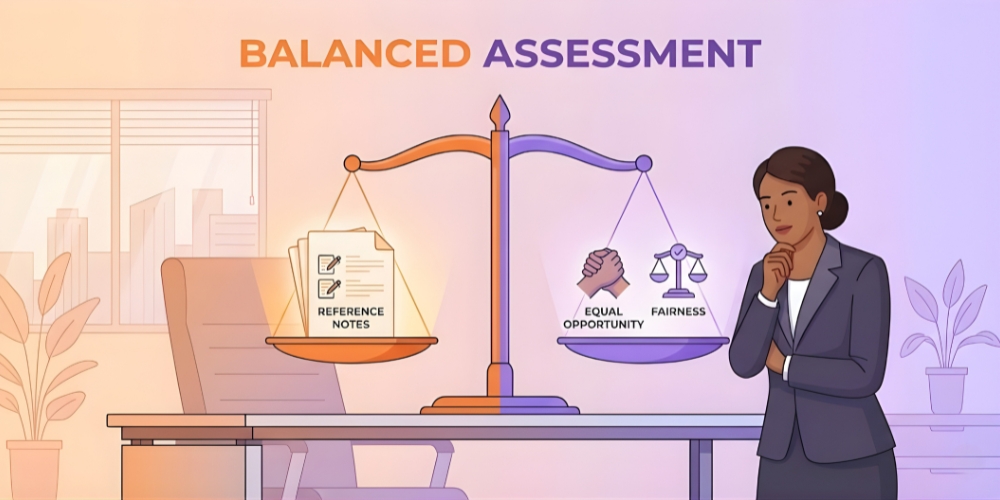
Can employers give bad references legally? Yes. In most regions, former employers can share truthful and factual information about a candidate’s performance. Problems arise when feedback becomes exaggerated, misleading, or retaliatory.
This is why many employers stick to confirming dates and job titles only, even though former employers can give you a bad reference if the information is inaccurate. Recruiters must treat reference data carefully and consistently to avoid claims of unfair hiring practices.
A fair process is important. Candidates should be judged based on what the role requires not on the personal view of one individual. Keeping clear records, applying the same standards and focusing on relevant information helps protect both the company and the candidate.
How AI Helps Recruiters Handle Bad References Better
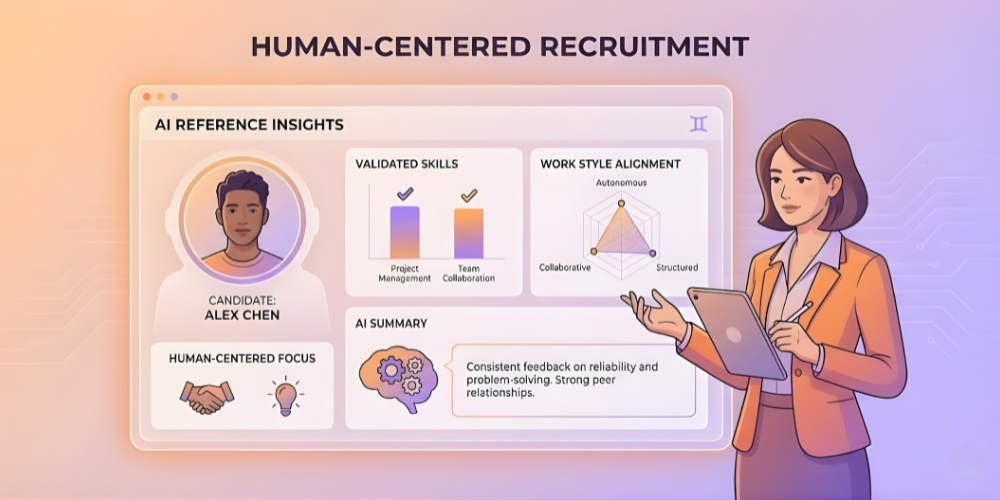
Modern hiring teams increasingly rely on AI tools to bring structure and balance into reference checks. Instead of unstructured calls, AI-supported systems use standardized questions and scoring models that reduce bias.
When AI screening for culture fit is used, then recruiters can check reference feedback against what candidates actually show during interviews and assessments. This helps prevent decisions based on unclear or emotionally driven comments.
AI also improves recruitment screening by looking at patterns across many signals instead of focusing on a single negative comment. This leads to more confident decisions, quicker reviews and fewer good candidates being overlooked because a reference was misunderstood.
Human vs System Comparison Toggle
Flip the switch to compare a fast human reaction with an AI-assisted review process. This shows how AI helps you stay consistent without replacing judgment.
Human first look
A recruiter hears one negative comment and reacts quickly.
- Reads tone more than specifics
- Trusts a confident referee
- Assumes the concern is role critical
- Moves to “no” with limited context
What gets missed
The risk is not the reference itself. It is the guesswork around it.
- Vague labels with no examples
- One-off conflicts framed as patterns
- Different questions asked per candidate
- No clear record of why it mattered
Ask one structured follow up question, then compare the answer with interviews and work samples before deciding.
How to Explain the Decision Internally
Internal communication is often where hiring decisions break down. Stakeholders may hear “bad reference” and assume risk without understanding the context.
Explain what was said, who said it and how it compares to other evidence. Clarify whether the concern was isolated or consistent. If you chose to move forward, outline why the risk was acceptable. If you stopped the process, then explain why the concern outweighed the positives.
Clear reasoning removes uncertainty, limits back-and-forth discussions, and builds trust in the hiring process. It also prevents unclear messages like still interviewing other candidates bad sign, which often creates tension that could have been avoided.
Conclusion
Knowing how to deal with a candidate with a bad reference is less about avoiding risk and more about managing it wisely. References should guide decisions, not dictate them. When handled with care, context and structure, they become one of many tools that support better hiring outcomes.
The goal is not perfection. It is fairness, clarity, and confidence in the decision you make.
FAQs
Short answers to the questions that come up right before the final decision.