


TL;DR
- Bad Glassdoor reviews shape how candidates see your company.
- Not every negative review is wrong or harmful.
- Panic responses make things worse, not better.
- Clear steps exist to handle feedback without trying to bypass Glassdoor.
- Fixing real issues matters more than removing negative Glassdoor reviews.
A single bad Glassdoor reviews post can feel like a punch to the gut. One unhappy voice suddenly speaks for your whole company. Candidates read it. Employees notice it. Leaders worry about damage they cannot control.
There is good news here. You are not stuck or helpless. When handled with care, bad reviews can build trust, strengthen hiring decisions and even soften the views of unhappy voices. This blog will illustrate what to do, what to avoid and when real action matters more than trying to remove a review.
Why Bad Glassdoor Reviews Matter
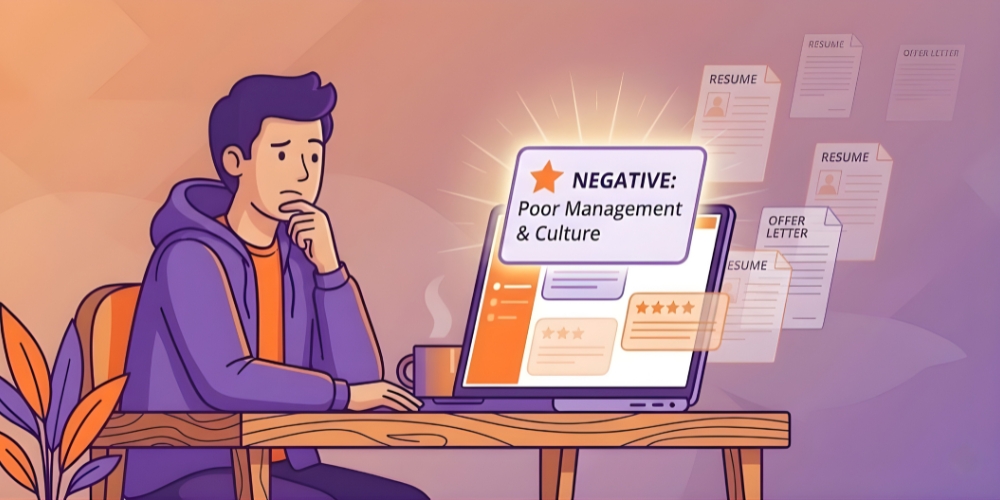
People looking for jobs rely more on what employees say than on company marketing. Glassdoor states that 83% of job seekers look up a company’s reviews and ratings as part of their decision process before submitting an application.
That means bad reviews on Glassdoor do not sit in isolation. They influence who applies, who accepts offers and who walks away early.
There is also a retention angle. Public feedback reflects internal sentiment. Ignoring it weakens morale and hurts the long term candidate experience in talent assessment as candidates notice when companies listen versus when they stay silent.
Handled well, responses show maturity. Handled poorly, they signal defensiveness.
Apply or Walk Away? Decision Simulator
Step into a job seeker’s shoes. Read the mini profile and reviews, then pick what you would do.
“Training was solid. Team helped me ramp up fast. My manager actually answered messages.”
“Work is busy. Some weeks are smooth, some weeks are chaos. Promotions feel unclear.”
“High pressure. Leaders change priorities weekly. If you ask questions, you get blamed.”
Tip. This is exactly how candidates read reviews. Fast. Emotional. One negative line can change the decision.
What Counts as a “Bad” Glassdoor Review?
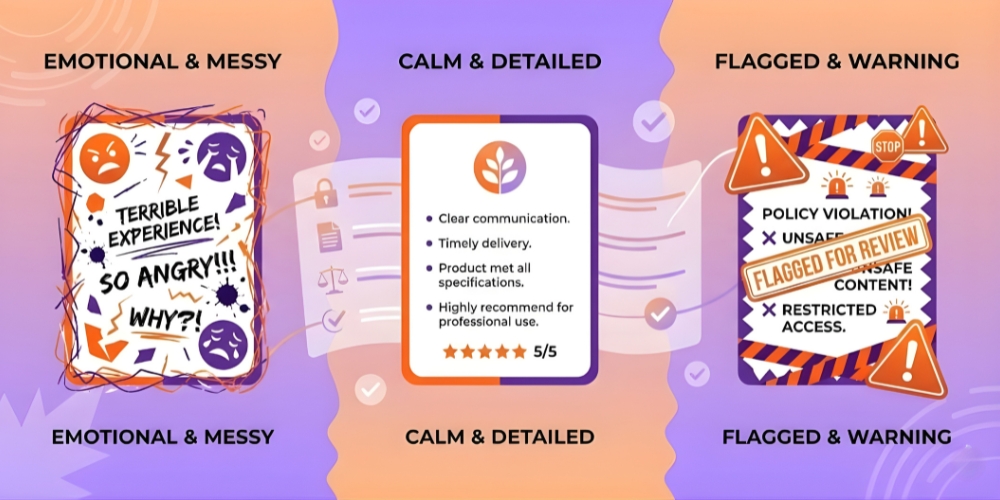
Not all criticism is equal. A negative post usually falls into one of these groups.
- Emotional venting with little detail.
- Honest feedback about leadership, pay, or workload.
- Outdated experiences that no longer reflect reality.
- Reviews that appear misleading or are fake.
Only the last category raises flags around Glassdoor community guidelines. Reviews that include hate speech, personal attacks, confidential data, or false claims may qualify for review.
This is where people ask questions like: “Can Glassdoor reviews be removed?” or “Can you delete a review on Glassdoor?” The answer depends on policy, not preference.
Review Sorting Challenge
Click a review, then click a bucket. Sort all 6. This shows what is negative but allowed vs what may violate guidelines.
First Rule: Don’t Panic and Don’t Argue
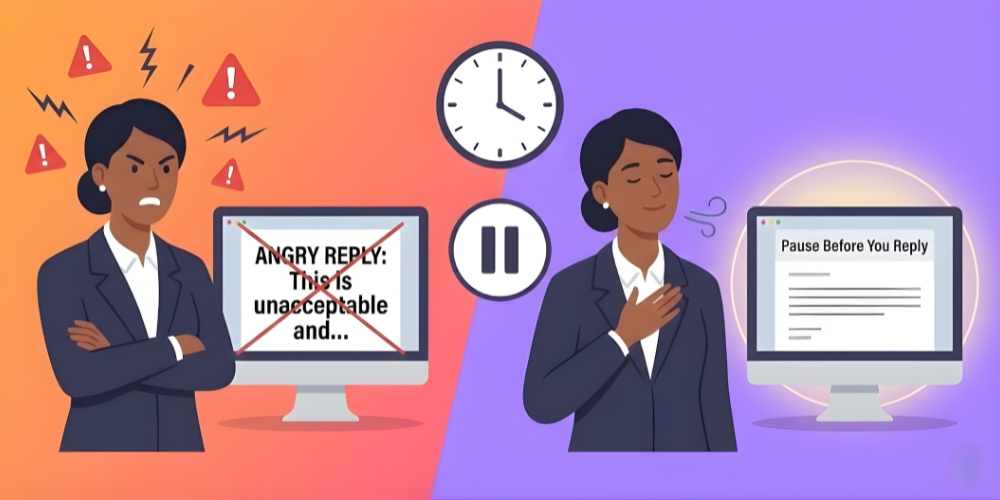
Public arguments rarely end well. Defensive replies confirm the worst fear a reader already has. Glassdoor’s U.S. site survey found that 62% of job seekers say their perception of a company improves after seeing an employer respond to a review.
Do not attack the reviewer, do not explain them away and do not try to prove them wrong line by line.
A measured response does three things.
- Acknowledges the feedback.
- Clarifies facts without blame.
- Signals openness to change.
That tone supports employer brand credibility and avoids creating an adverse impact in recruitment where certain groups feel dismissed or unheard.
Response Stress Test
Before you reply to a negative review, run this quick check. If you trigger 3 or more, pause.
How to Deal With Bad Glassdoor Reviews: Step by Step
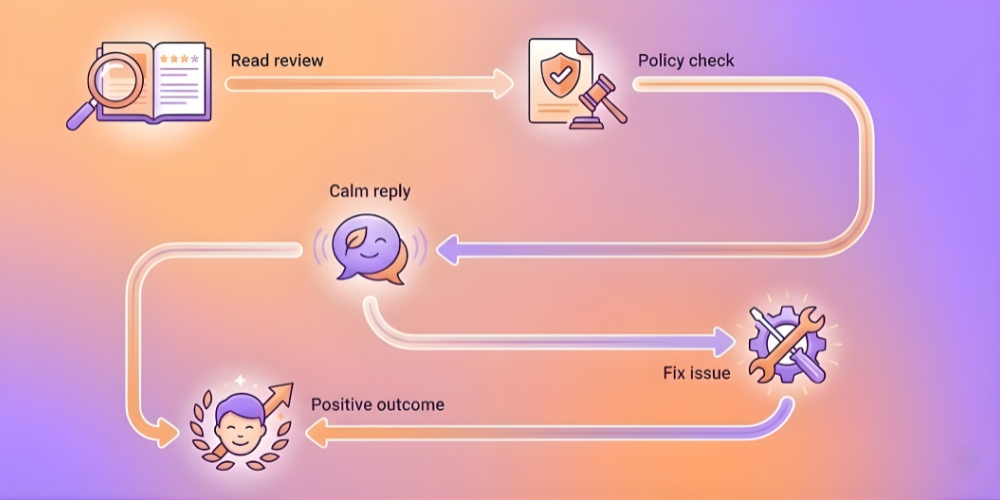
Pause and assess the review
Read it fully, separate emotion from facts and ask what a neutral reader would take away.
If the review breaks rules then explore how to remove a review from Glassdoor through the platform’s reporting process. This is not about silencing feedback. It is about fairness.
Check policy before action
Glassdoor does not remove reviews simply because they are negative. Many employers search for ways to delete or remove negative Glassdoor reviews and hit a wall.
Glassdoor takes action only when a review breaks its rules. Knowing this helps companies avoid spending time or money on Glassdoor review removal service claims that do not deliver results.
Craft a public response
A good response is short and human. Thank the reviewer. Acknowledge the concern. Share what you are doing differently now.
This shows accountability without admitting fault where none exists and it also discourages future pile ons.
Look for patterns
One review is noise. Five similar reviews are data.
Repeated issues around management, growth, or fairness point to internal gaps. These patterns are more important than figuring out how to remove negative reviews on Glassdoor.
Fix the root issue
The fastest way to improve ratings is not to ask employees to post. It is changing the experience.
This is where the real work of improving Glassdoor ratings begins.
Encourage balanced reviews ethically
Never pressure employees. Never script feedback. That breaks trust and policy.
Instead, remind teams they can share experiences openly. If someone asks how to leave a review on Glassdoor then provide the link and step away.
Balanced voices matter more than forced positivity.
Action Path Selector
Pick the type of review you are dealing with. You will get a clear step by step action plan.
- Pause. Do not respond in the first hour.
- Find the real point. Look for one specific complaint inside the emotion.
- Reply short. Thank them, acknowledge, and avoid details.
- Invite offline. Offer a contact email or form for follow up.
- Log it. Track the theme in a simple sheet so patterns are visible later.
Thank you for sharing this. We are sorry to hear your experience felt frustrating. We take feedback seriously and are reviewing this internally. If you are open to it, please reach out so we can understand more and improve.
- Screenshot and document. Save the review, date, and any references.
- Match it to rules. Identify what may violate guidelines such as personal attacks or private data.
- Report through the platform. Use the official reporting flow with clear reasons.
- Respond only if needed. If you respond, stay neutral and avoid naming anyone.
- Move forward. Do not keep escalating publicly if it is not removed.
Thank you for the feedback. We take concerns like this seriously. We are reviewing the points raised and will follow the appropriate process.
- Count and cluster. Group similar reviews into themes.
- Validate internally. Check exit interviews, surveys, and manager notes for the same issue.
- Pick one fix. Choose the highest impact change you can make in the next 30 days.
- Communicate internally. Tell teams what is changing and what success looks like.
- Respond with progress. In public, mention you are working on improvements without overpromising.
Thank you for sharing this. We have heard similar feedback and are taking steps to improve. We are reviewing how we work and making updates to address the concerns raised.
- Confirm timing. Check whether the review describes an old policy or team setup.
- Respond with respect. Do not argue about the past.
- Share the update. Briefly explain what has changed since then.
- Point to current support. Mention the channel employees now use for feedback.
- Keep monitoring. If old themes keep showing up, treat it as a current issue.
Thank you for sharing your experience. Since then, we have made changes to improve how we support teams, including clearer processes and better feedback channels. We appreciate the input and will keep improving.
Tip. Your public reply is for future candidates. Your internal action is for your team.
What to Say and What to Avoid When Responding to Bad Glassdoor Reviews
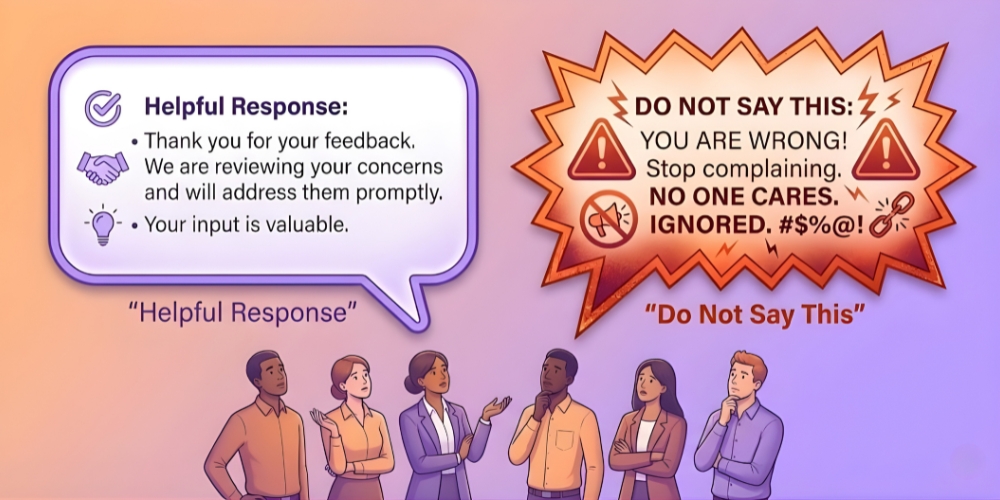
What you write matters more than how fast you write it. Candidates do not expect perfection because they expect honesty and calm.
What to say
- Thank the person for taking time to share their experience.
- Show that the concern has been heard and taken seriously.
- Add context only when it helps readers understand the situation.
- Mention any changes made if the issue no longer reflects today.
- Suggest a private follow up when it feels appropriate.
What to avoid
- Arguing with the reviewer.
- Calling the review unfair or wrong.
- Sharing private details about the employee.
- Writing emotional or defensive replies.
- Copying and pasting the same response on every review.
Response Rewrite Exercise
Click the parts you would remove or rewrite. Then reveal a cleaner response that candidates will respect.
We completely disagree with this review. The reviewer is exaggerating and did not work here long enough to understand the role.
If you had performance issues, that is not our fault. Also, your claims about management are false.
We know exactly who wrote this and we have records to prove it. Anyone reading this should ignore it.
Our company is always fair and we do not need to change anything.
Thank you for sharing this feedback. We are sorry to hear your experience was frustrating. We take concerns like these seriously and review them internally so we can improve. If you are open to it, we would appreciate the chance to learn more through a private conversation.
- It stays calm and respectful.
- It avoids personal details and blame.
- It shows willingness to improve without arguing.
Tip. Your reply is not for the reviewer. It is for the next candidate reading your page.
When Bad Glassdoor Reviews Signal a Bigger Problem
Some reviews are one-off experiences. Others repeat the same story in different words.
Pay attention when you see patterns like these:
- Multiple comments about unclear management.
- Consistent feedback on unfair hiring or promotions.
- Repeated concerns about workload or burnout.
- Reviews mentioning bias or unequal treatment.
At this point, the issue is no longer reputation. It is an operation.
Ignoring repeated feedback can lead to higher turnover, slower hiring and legal risk. In hiring, unresolved issues can also create adverse outcomes that affect fairness and trust across teams.
When reviews point to deeper problems, then the smartest move is internal action first and public response second.
Pattern Detection Poll
Select the themes you see most often in your reviews. Then check what it likely means.
How AI Helps Manage Employer Reputation
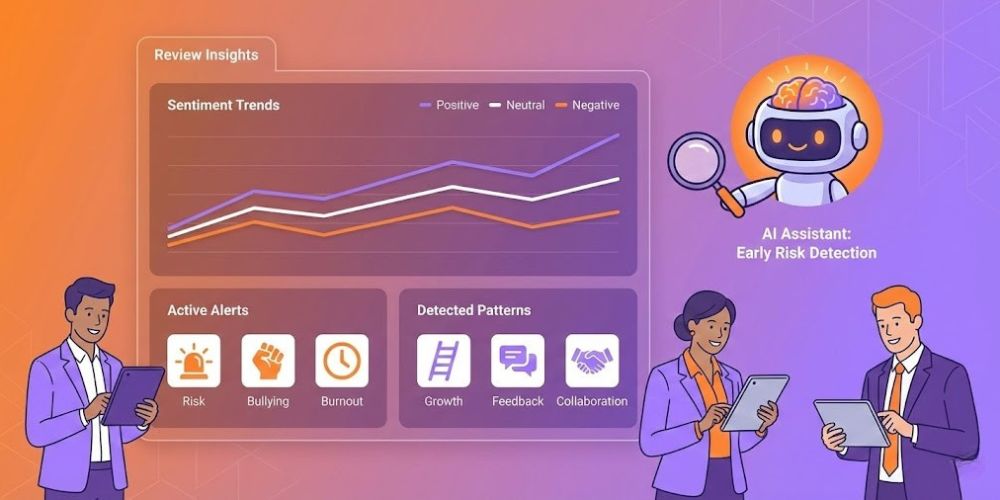
Manual review monitoring does not scale. AI helps teams move from reaction to insight.
Here is how it supports reputation management.
- Group feedback by theme instead of reading reviews one by one
- Flags emerging risks early before they spread
- Detects sentiment shifts over time
- Separates emotional language from real operational issues
- Helps ensure responses stay consistent and fair
AI does not replace judgment. It improves awareness. This matters when review trends overlap with hiring metrics or drop offs in candidate trust.
Used well, AI supports better decision-making and protects employer credibility without trying to control the narrative.
Spot the Pattern Insight Test
Read 10 short review snippets. Pick the main issue. Then reveal how an AI style grouping would label themes and risk.
Common Mistakes Companies Make
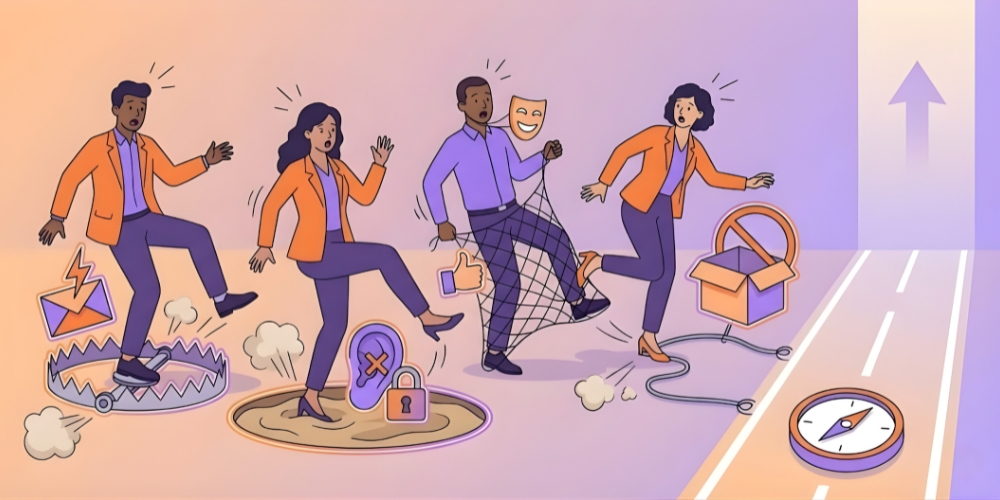
Even well intentioned teams fall into the same traps.
- Trying to respond to every review instantly.
- Treating criticism as a public relations problem only.
- Asking employees to post reviews to bury negatives.
- Spending more effort on removing reviews than fixing problems.
- Posting long formal responses that add little value.
The biggest mistake is seeing reviews as an enemy. Reviews are feedback in a public form. Companies that learn from them build stronger teams and earn trust over time.
Mistake Cost Calculator
Pick a mistake. Then choose what it costs you. This turns “bad reviews” into a business problem you can act on.
Conclusion
Bad reviews create tension. No company enjoys seeing them in public.
Still, they are rarely what hurts a business. The real damage happens when responses feel rushed, defensive or careless. Teams that pause, listen and fix problems inside the organization build far more credibility than those trying to erase criticism. A steady and thoughtful response signals confidence and respect.
FAQs