


TL;DR
- Passion means the work feels meaningful and energizing.
- You may not have found your passion if every day feels like a repeat.
- A simple job passion test and small experiments can guide you.
- Track what excites you, what you are good at, and what people need.
- You can turn curiosity into career passion one step at a time.
Many people feel lost when trying to figure out how to determine their passion for a career. You may scroll through job sites, pick something that pays the bills, then wonder why it still feels empty. It is normal.
The good news is that passion is not something you are born with. You can build it through exploration and small moves. This blog will help you understand your interests, test your ideas, and turn what you enjoy into a real path you can grow in.
What Does “Passion” in a Career Really Mean?

Passion in a career means you feel excited to learn and grow. It gives you energy instead of draining it. You do not have to love every second. Even dream jobs have boring moments. What matters is the direction that feels right.
Passion also helps when someone asks how to answer what are you passionate about or how do you answer what are you passionate about in an interview. You are not trying to sound perfect. You are sharing what lights you up and how that connects with the role.
Signs You Haven’t Found Your Career Passion Yet

You might still be searching for a passionate career direction if these feel familiar:
- You watch the clock more than you learn new things.
- You do tasks only because you have to.
- Weekends feel like the only time you are alive.
- You do not feel proud telling others about your job.
- You often question why are you leaving your job? or thinking of changing paths again.
Many young people face this confusion. This does not mean anything is wrong with you. It means your direction needs real discovery.
How to Determine Your Passion for a Career: Step by Step
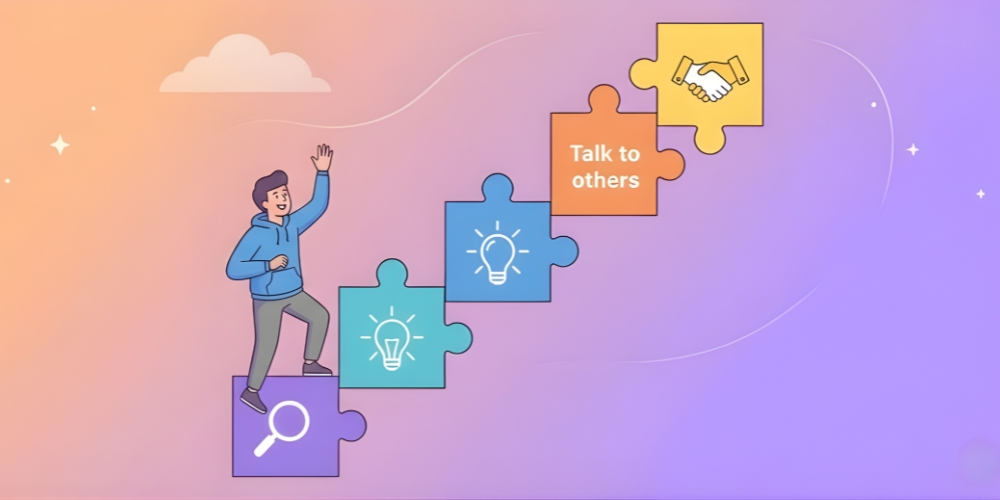
Finding the right direction is not a one-time moment. It is a series of small actions that give you clues about what could become your career passion.
Notice what feels exciting
Write down every time you feel curious or proud after doing something. What are you reading about at night? Which tasks make time fly?
Match interests with strengths
List things you are good at. Do any match your interests? Strong passions grow at the point where skills and curiosity meet.
Try mini experiments
Take one small step. Join a workshop. Shadow a professional. Volunteer for a short project. Even first-time jobs for 16-year-olds can reveal skills you enjoy.
Talk to people in the field
Real stories help you understand the daily truth of a job. Ask how they started and what they love most.
Track energy, not titles
After each small experiment, rate your energy. Did it give you a spark or create stress? Keep the spark and drop the rest.
Practice reflection
Answer these questions weekly:
- What made me excited?
- What did I learn?
- Would I do this again?
Use tech and tools if needed
There are simple tools online, like a job passion test, to guide your direction. AI tools also help you discover hidden patterns in your choices. More on that later.
Some people also explore how to work two jobs without burning out when they test different fields. If you try this path, keep balance and sleep a priority, because your passion should improve your life, not exhaust it.
A good rule. Your passion grows when your effort feels worth it. Test your ideas in the real world and run toward the work that keeps you curious.
How to Test Whether a Passion Can Be a Career

It is one thing to enjoy an interest, and another to build a job from it. Here is how to test whether a passion can support you long-term.
Check if others earn from it
Look at what professionals in that area do every day. Search job boards. If the skill shows up in roles you admire, then that is a green light.
Find the problem your passion solves
Careers grow faster when the work helps someone. Who benefits from your skill? What pain do you remove for them?
Try a low-risk money test
Offer a tiny paid service. Sell a small digital product. If even one person pays, your passion has real-world value.
Look at what the market needs
According to the U.S. Bureau of Labor Statistics, the average person changes jobs about 12 times in their life, meaning careers evolve as you explore stronger fits.
A passion does not have to be perfect from day one. It just needs to show signs of growth and usefulness as you test it in small ways.
Common Mistakes When Searching for Passion

Many people delay progress because they expect passion to arrive magically. Here are traps to avoid
Waiting for a big “aha!” moment
Most passion builds slowly through experiments.
Comparing your journey to others
Someone else’s happiness does not mean it is your path.
Ignoring practicality
Passion is exciting, but it also needs a structure. It should be something that can pay you or help you grow.
Quitting too early
Sometimes a passion appears boring at the start because skills take time to improve.
Trying to answer everything in your head
Real-world action is what reveals "how can I find my career passion". Talking, learning, and trying small projects all give you more answers than thinking alone.
How AI and Data Can Help You Discover Career Passion

Technology can show strengths you may not notice in yourself. Modern tools can help how to determine your passion for a career by tracking patterns in your choices.
Smart career quizzes
AI can analyze your interests, personality, and work style to match you with roles that fit.
Skill discovery platforms
They show what skills you use the most and which ones you enjoy. That helps predict the right direction for career passion development.
Job match data
Tools compare your strengths with real hiring needs. It helps you see which interests can turn into stable jobs.
Interview support
AI can even help you build confidence when answering questions like how to answer what are you passionate about in job interviews, by giving practice questions and feedback so your response is clear and real.
Technology does not choose your future. It gives better clues so you can make confident moves.
Conclusion
Finding passion is a journey you shape step by step. You test ideas, learn from experience, and follow what makes you feel alive. Whether you start small or try different directions, you now have a guide to help you move forward. Your passion does not have to be loud. It just has to matter to you. When you give your curiosity space to grow, the right path becomes easier to see.