


TL;DR
- A strong campus recruitment strategy helps teams hire early talent.
- Campus hiring works best when planning begins months ahead.
- Clear role goals and fair screening matter more than flashy booths.
- AI can speed up the campus recruitment process.
- Success depends on data and not guesswork.
Many companies struggle to hire fresh talent at the right time. By the time graduates apply online, top students are already off the market. Teams rush campus visits, attend random events and hope for results. Without a clear campus recruitment strategy, hiring turns reactive and expensive and good candidates slip away quietly.
The solution is simple and practical. When companies plan early, pick the right campuses and follow a structured approach, campus hiring becomes predictable and scalable. This blog will walk you through how to do it step by step.
What Is Campus Recruitment?
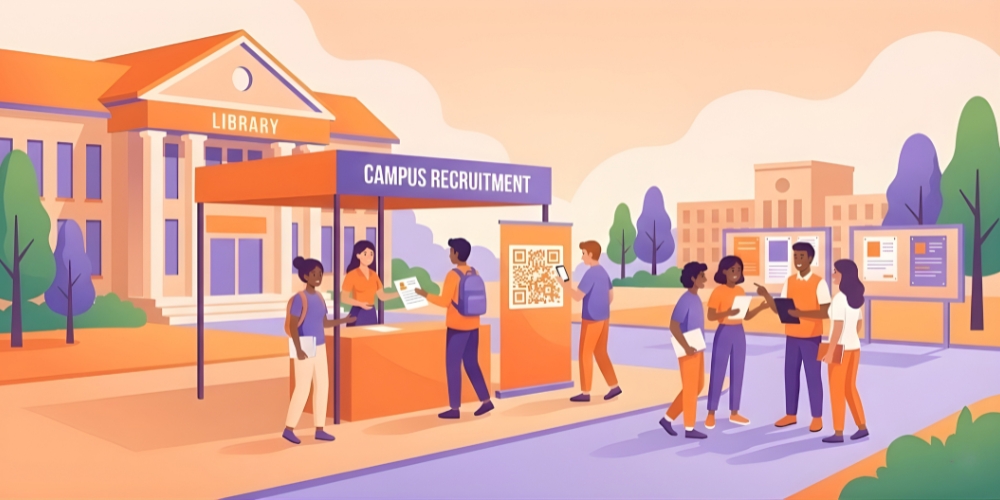
What is campus recruitment? It is the process of hiring students or recent graduates directly from colleges and universities. Companies engage with students through career fairs, placement offices, workshops, internships and early assessment programs.
The goal goes beyond filling roles fast. Campus hiring builds a long term talent pipeline. Rather than chasing experienced hires later, companies invest early and grow skills from the start.
A strong campus recruiting strategy usually includes:
- Choosing the relevant institutions.
- Building long term campus relationships.
- Using structured interviews and assessments.
- Offering internships or graduate roles that match real business needs.
This approach supports broader university recruitment strategies especially for companies planning long term growth.
Why Campus Recruitment Matters
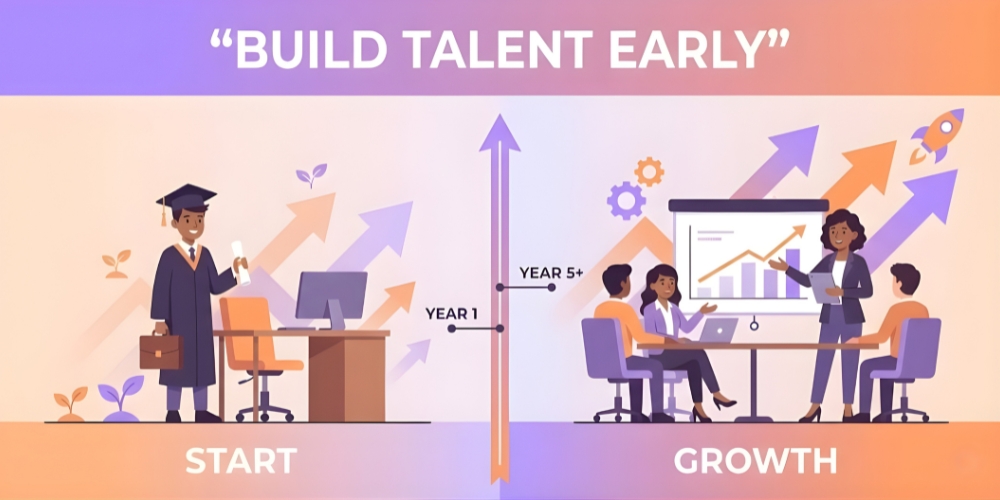
Campus hiring is no longer optional for growing teams. It solves multiple hiring challenges at once.
First, it can lower hiring costs by converting interns into full time employees instead of starting the search from zero each time. One internship benchmark found that employers made full time offers to 62% of interns. This shows how campus pipelines can support direct hiring and reduce repeat recruiting.
Second, it helps people stay when they believe they can grow inside the company. Deloitte found that employees who feel sure about their future development are 3.3 times more likely to continue working with their employer over the next year.
Third, campus hiring helps level the playing field. It reaches students outside the usual circles and brings more consistency to how candidates are reviewed.
It also answers a common question from hiring teams. Are job fairs worth it? They are when they fit into a wider plan and are not treated as standalone events.
Campus hiring delivers better results when it supports other recruitment methods instead of working on its own.
How to Develop a Campus Recruitment Strategy
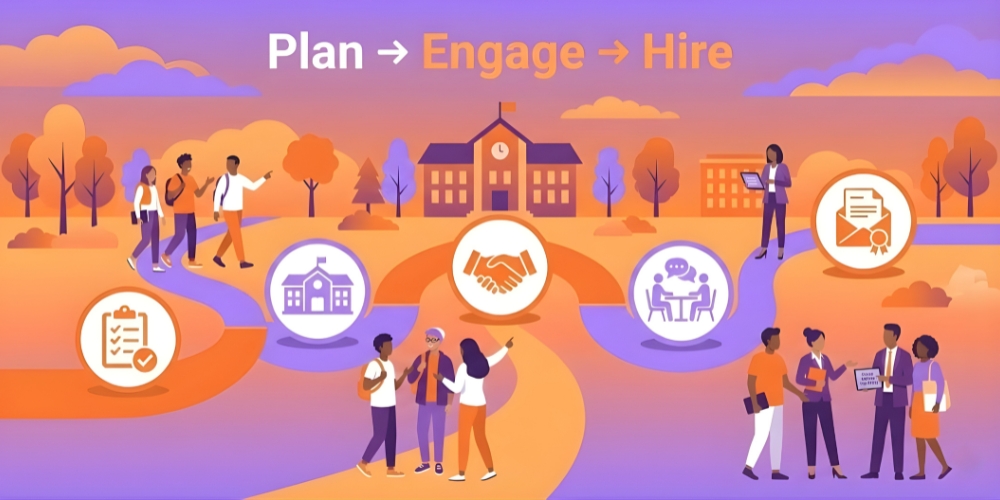
Define Your Hiring Goals Clearly
Start with numbers, not campuses. Decide how many graduates you need, for which roles and in which locations. A graduate recruitment strategy works only when tied to real workforce plans.
Ask:
- Which teams need entry level talent
- What skills are teachable vs required on day one
- How will success be measured after hiring
This clarity keeps the campus recruitment process focused.
Choose the Right Campuses
More campuses do not mean better results. Focus on universities that match your role needs and values.
Look at:
- Relevance of academic courses
- Past hiring results
- Student employability data
This is where smart university recruitment strategies outperform random outreach.
Build Early Campus Presence
Be present on campus before the hiring season begins. Run talks, skill sessions and case challenges. Students remember companies that support learning rather than only testing them.
It is also a good time to clear up eligibility questions including GED vs High School diploma, so there is no confusion later.
Design a Fair Screening Process
Graduate candidates often lack experience. Screening should focus on potential, not polish.
Use:
- Structured interviews
- Skills-based tasks
- Consistent scoring
This step is critical when creating sustainable graduate recruitment strategies.
Move Fast and Communicate Clearly
Students often manage several offers at once. When decisions drag on, then good candidates move on. Set clear timelines for every stage and follow them closely.
Clear communication helps keep your campus recruitment strategy competitive while respecting candidates’ time.
What to Look for in Campus Candidates
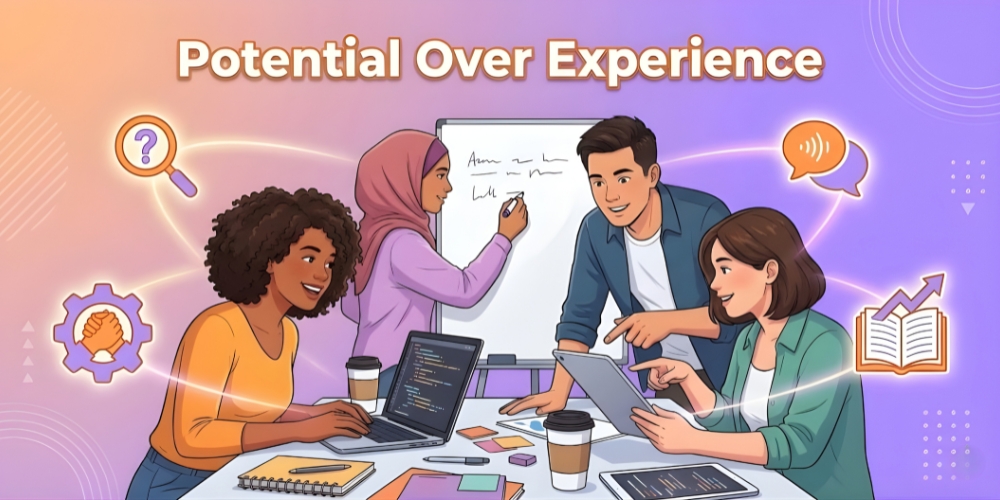
Campus candidates usually do not have long resumes, and that is normal. What matters more is how they approach problems, learn new skills and adapt to change.
Look for curiosity, clear thinking and communication. A student who asks thoughtful questions often develops faster than one who relies on memorized answers. Signs of ownership can show up in projects, internships, volunteering, or part time work.
Notice how candidates handle feedback during interviews. Early career hires who listen and adjust tend to do better once they start working. This attitude counts more than perfect grades.
Who Would You Shortlist?
Pick one candidate. Then see the reasoning based on potential and mindset.
Common Campus Recruitment Mistakes
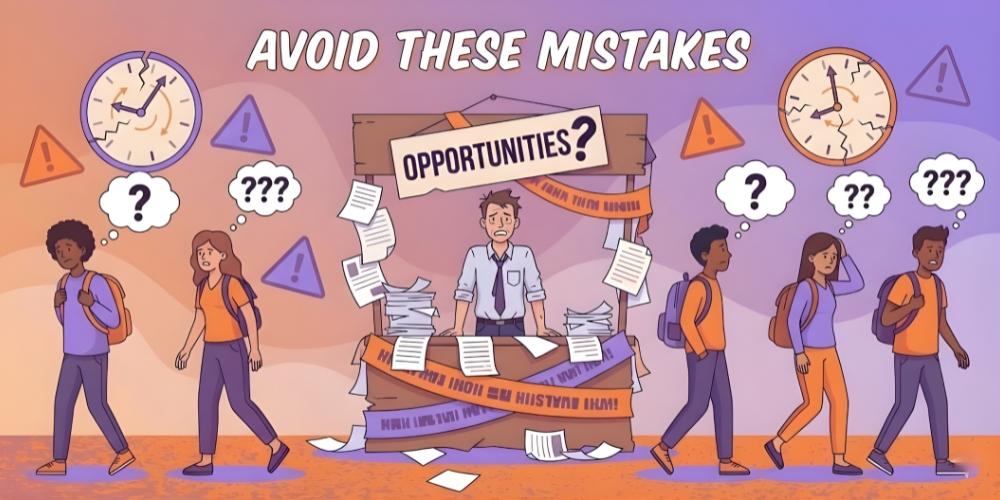
One major mistake is starting too late. When planning begins close to graduation, top students already have offers. Campus hiring rewards early movers.
Another problem is unclear role messaging. Students disengage when job descriptions feel vague or generic. Clear details about responsibilities and growth paths help set the right expectations.
Many teams also rely too heavily on one channel. A career fair alone will not carry your hiring goals. Campus hiring works best when combined with internships, referrals and digital outreach.
Lastly, inconsistent interviews hurt fairness. When every interviewer asks different questions, decisions become subjective. A structured approach keeps the campus recruitment process fair and reliable.
How AI Improves Campus Recruitment
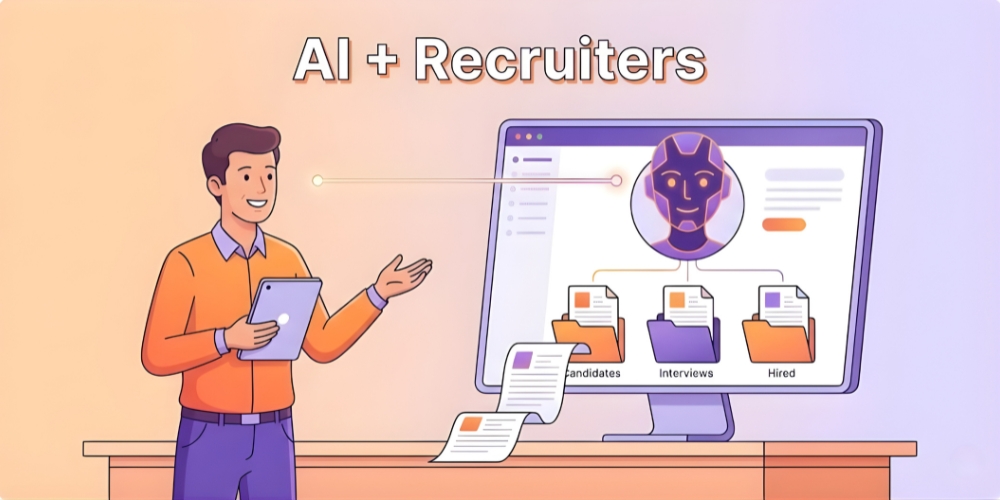
AI plays a growing role in making campus hiring faster and more consistent.
It can handle large numbers of applications by looking at skills instead of surface details, which is helpful when hundreds of graduates apply at once.
AI can also standardize assessments and interview scoring. That reduces bias and ensures every candidate is evaluated using the same criteria.
For recruiters, AI cuts down time spent on tasks like sorting resumes and arranging interviews. That leaves more space for real conversations.
Used responsibly, AI strengthens graduate hiring without replacing human judgment.
Human vs AI Task Sorter
Drag each task into the box that fits best. Then check the recommended split.
- AI is best for speed, consistency, and admin work.
- Humans are best for nuance, fairness conversations, and decisions that impact someone’s life.
Measuring Campus Recruitment Success
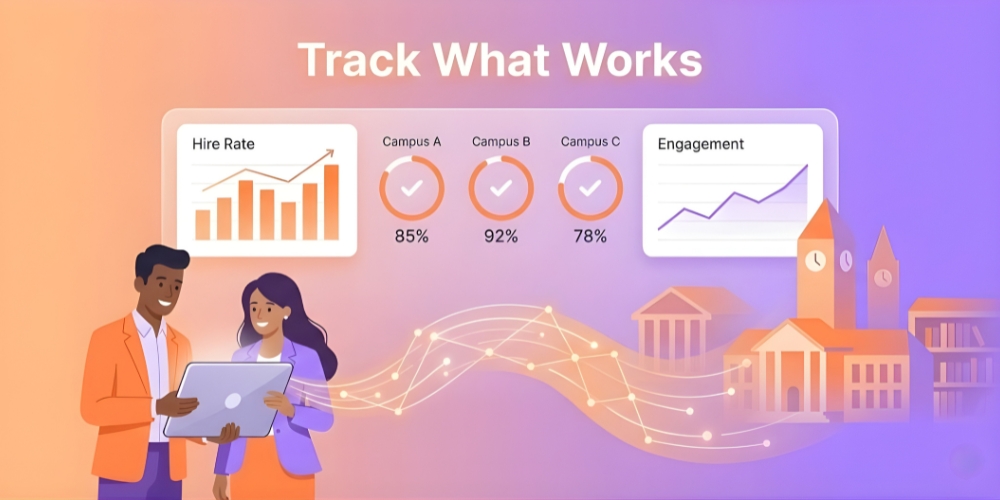
If you do not track results, then it is hard to know what is working. Campus hiring needs the same level of measurement as any other hiring channel.
Key signals to watch include:
- Offer acceptance rates
- Time to hire
- Performance of campus hires after onboarding
- Retention after the first year
Feedback from candidates also matters. Their experience tells you whether your process feels fair, clear and respectful.
Conclusion
Campus hiring succeeds when it is done on purpose. Having a clear plan, engaging early and using fair screening with steady follow up helps graduate hiring pay off over time.
Companies that treat campus recruitment as a strategic investment build stronger teams and reduce future hiring pressure. Minor improvements each season lead to better outcomes year after year.
Campus Recruitment FAQs
Quick answers for hiring teams. Click a question to expand.
What is a campus recruitment strategy?
When should companies start campus hiring?
How do you screen campus candidates fairly?
Can AI help with graduate hiring?