


TL;DR
- Text recruiting helps recruiters reach candidates faster.
- SMS messages get opened more than emails, and replies come quicker.
- The right tool saves time, reduces drop-offs, and speeds up hiring.
- Look for tools that feel simple, personal, and easy to manage.
- Texting plus recruitment automation software saves time.
Hiring teams are still bogged down in email and it is a killer. Messages sit unread, candidates forget to respond and recruiters are left chasing follow-up emails that just disappear into the void. When it’s crunch time in the hiring cycle, all that delay can mean losing out on top talent.
The right text recruiting software helps you start faster conversations, keep candidates engaged and move hiring forward without friction. This blow will show you how to choose a tool that fits your hiring needs and how to avoid common mistakes.
What Is Text Recruiting Software?

Text recruiting software is a hiring tool that lets recruiters connect with candidates using SMS messages. Instead of long emails, recruiters send short texts to share updates, ask questions and schedule interviews.
These tools are built for hiring teams. They keep conversations organized, store message history and connect with applicant tracking systems. Many text recruiting platforms also support group messaging, templates, and automated replies.
At its core, text to hire is about speed and clarity. Candidates do not need to download an app or create an account. They just reply like they normally would on their phone.
According to Pew Research Center, over 97 percent of adults in the United States own a mobile phone, and texting is one of the most used features.
This makes texting one of the most direct ways to reach job seekers today.
Inbox vs Phone Micro Choice Test
Pick what you would do as a candidate. You will see why texting changes the pace of hiring.
You get a job update by email during work hours. When do you reply?
You get the same update by text. When do you reply?
Email often gets pushed down the list. Text feels immediate and easy to answer. That is why texting helps recruiters keep candidates warm and move faster without extra chasing.
Why Text Recruiting Matters in Modern Hiring

Hiring has changed. Candidates expect quick updates and simple communication. Long forms and slow replies push people away.
SMS still has a place in hiring as it gets seen almost instantly. But when you’re comparing it to email, you need to look at the numbers: MailerLite’s 2025 benchmark report puts the average email open rate at 43.46% which shows pretty clearly that when you need a quick reply, inbox-first just isn’t the way to go.
This difference matters when roles need to be filled fast.
Text recruiting also helps teams manage volume. Retail, healthcare, logistics and hourly hiring teams use texting to screen candidates quickly and reduce no-shows.
There is also a fairness angle. When used carefully with inclusive language in AI recruiting software, texting helps remove long written barriers and supports clearer communication for more candidates. Modern hiring teams rely on speed, clarity and consistency. That is why texting is no longer optional. It is becoming a basic hiring channel supported by real HR software insights.
Response Time Guess Quiz
Pick one option. Then reveal the answer and see why texting often wins attention.
Which hiring message do candidates usually respond to faster?
Key Features to Look for in Text Recruiting Software

Some tools look useful at first glance, but end up causing more work once you start using them. What really matters is knowing which features actually help.
Easy One-to-One and Group Messaging
When you’re recruiting, you need to be able to send messages that feel personal and be able to reach out to multiple people at once when you need to. Good tools make it easy to do both, without getting conversations all mixed up or losing track of what’s going on.
Templates That Still Feel Human
Templates can save a lot of time, but messages should still sound like they came from a real person. Good text recruiting software makes it easy to change messages on the fly, so they sound human and not like they were copied and pasted.
Compliance and Consent Controls
Text recruiting has rules you cannot ignore and it helps to use tools that handle consent, stop messages when someone opts out and send texts at the right times. The Federal Communications Commission has clear requirements around permission for SMS messages, and teams need to stay within them.
Integration With Hiring Systems
Your texting tool should connect with your applicant tracking system. This keeps candidate data clean and avoids double work. Many text recruiting platforms now act as a layer on top of existing systems.
Automation Without Losing Control
Automation helps with reminders, follow-ups and screening questions. When paired with recruitment automation software, recruiters save hours each week while still staying in charge of conversations.
How to Evaluate Text Recruiting Tools (Step-by-Step)
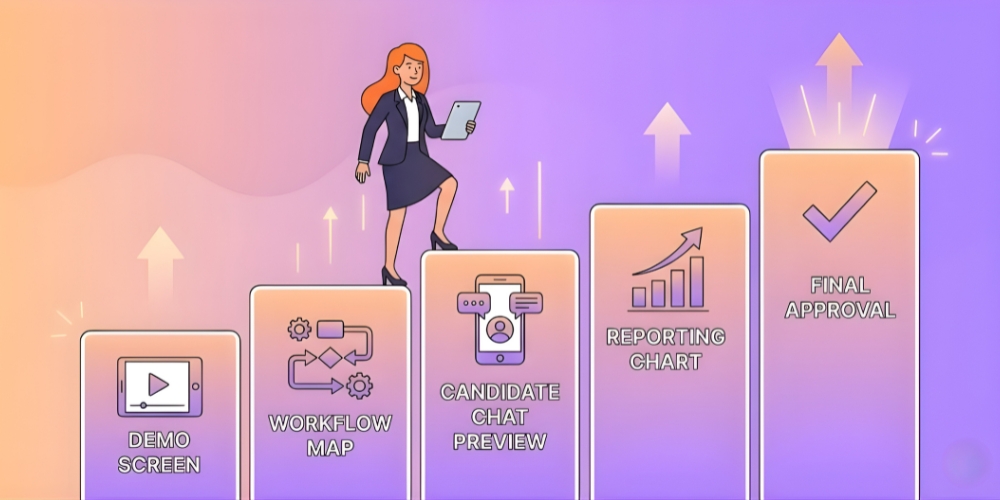
Choosing the right tool need not feel overwhelming. A simple review process helps you avoid shiny features that do not solve real hiring problems.
One is clarity. Take a step back and think about the roles you hire most & how many you handle in a month. High-volume hiring? That means speed & automation. Low-volume hiring? That means keeping conversations clean & personal.
Two is ease of use. Open the demo and test basic actions. Send a message. Reply as a candidate. Schedule an interview. If it feels confusing then your team will struggle later.
Three is workflow fit. Finding a text recruiting system that plays well with the stuff you already do hiring-wise. A good recruiting tool should work seamlessly with your existing hiring process, integrating things like screening, reminders and follow-ups into one workflow, so you never have to jump between different systems again.
Four is candidate experience. How does the platform make your messages feel to candidates? Are they timely, and do they sound human? Pay close attention to how the platform manages tone, response timing and opt out options. If those pieces are off, it does not take long for candidates to feel annoyed and tune out.
Five is reporting. You should see response rates, drop-offs and time saved. These signals show whether your texting effort is actually helping hiring move faster.
When a tool actually helps with day to day work, people use it more. Candidates also tend to reply more when the process feels easy.
Yes or No Tool Test
Answer five quick questions. You will get a simple outcome you can use to decide your next step.
Can I send and reply to texts in under ten seconds?
Common Mistakes When Choosing Text Recruiting Software
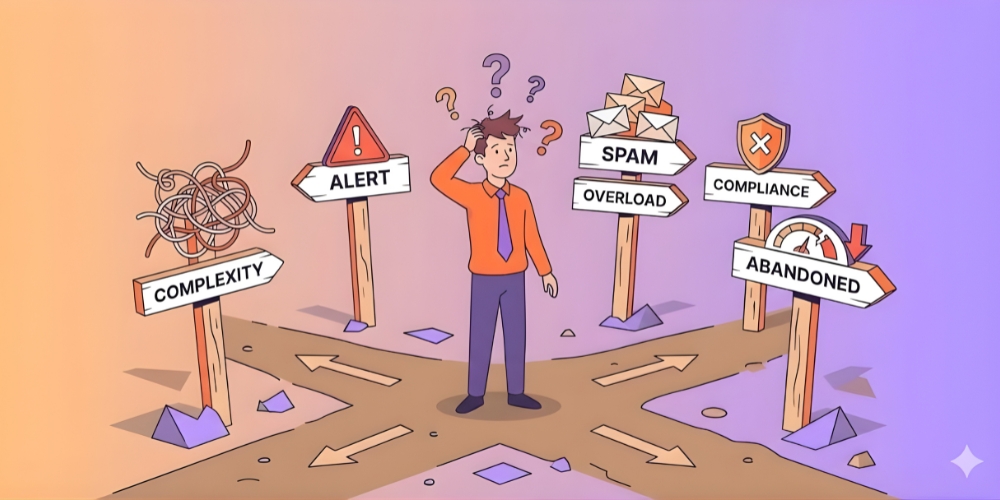
Many teams rush decisions and pay for it later. These mistakes show up again and again.
Buying based on features not behavior. Fancy dashboards do not matter if recruiters avoid using the tool.
Ignoring compliance details. Do not overlook the rules around SMS. Consent matters here. If your controls are weak, you can run into serious issues and leave a lot of people annoyed in the process.
Over-automating too early. Automation should support people not replace judgment. Poor setup leads to cold messages that feel spammy.
Skipping candidate testing. Teams often try tools on their own, but skip checking how the messages land with real candidates.
Treating texting as a side channel. Texting works best when it is part of a clear hiring flow, not an afterthought.
Avoiding these errors keeps text recruiting platforms useful long term instead of becoming shelfware.
Spot the Hiring Mistake
Read the story. Then pick the three mistakes that caused the problem. Reveal to check your answers.
A recruiter is hiring for 30 customer support roles. She uploads a list of phone numbers and sends a mass text at 10:30 PM that says "Reply YES to book an interview slot." Candidates start replying. Some ask who is texting them. A few reply STOP. The recruiter keeps messaging everyone because she wants to fill roles fast. The next day, the hiring manager asks for the message history for one candidate, but the recruiter cannot find it because the tool does not sync with the hiring system. Response drops and complaints increase.
How AI Enhances Text Recruiting
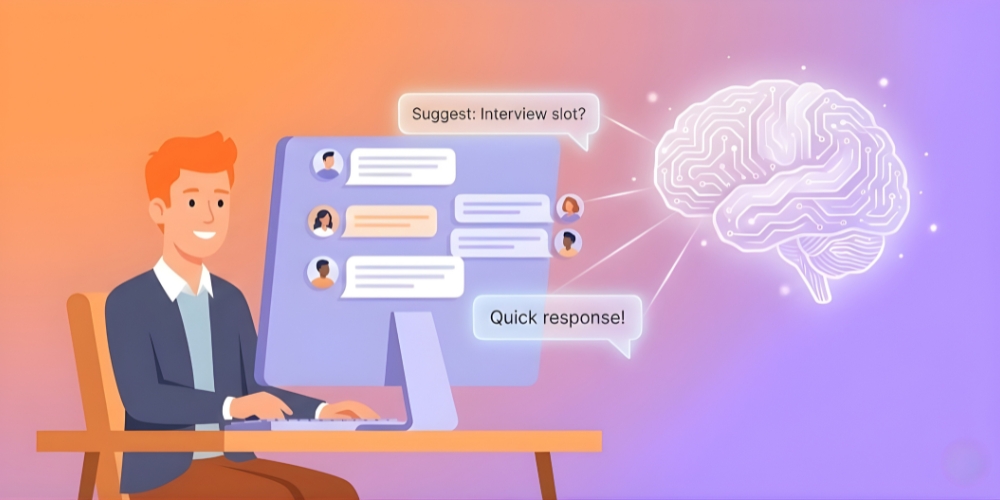
AI adds value when it reduces effort without removing trust.
Modern tools use AI to suggest reply timing, draft responses and flag stalled conversations. This helps recruiters focus on candidates who need attention now.
AI also supports fairer screening when paired with inclusive language in AI recruiting software. Messages become clearer and more neutral which helps reduce confusion and bias.
Prediction is another plus as AI can flag the candidates most likely to respond (or bail) based on past behavior. That way, recruiters can adjust their outreach strategy to make the most of their time.
When combined with recruitment automation software, AI keeps communication flowing while recruiters stay in control of decisions.
The goal is not more messages. The goal is better conversations with less manual work.
Human or AI Message Challenge
One of these messages was AI assisted. Pick which one, then reveal the answer and see what AI actually helps with.
Conclusion
Candidates expect a whole lot such as quick replies, simple updates and clear next steps. That's where text recruiting comes in and takes things to the people where they already are and cutting down on delays that end up costing you top talent.
A good tool should just feel natural to use and respectful to the candidates. When you find one that does, texting becomes a strength not another headache to deal with.
FAQs
Quick answers to common questions about texting in hiring.