


TL;DR
- Hourly roles make up a big part of the workforce in the US.
- Hiring hourly roles fails when expectations, speed or screening are off.
- Follow a clear step-by-step plan for hiring.
- Look for reliability, attitude and real skills.
- Watch out for common mistakes like unclear job descriptions.
- AI-assisted cognitive testing and AI screening support better hires.
Most employers know that how to hire hourly employees is not the same as hiring for salaried jobs. The challenge is that hourly roles tend to have huge applicant volumes, high turnover and tight timelines. In the United States alone tens of millions of people work hourly and changes in labor demand make filling these jobs quickly essential to keep operations running.
This blog will walk you through the basics of hiring hourly workers with a clear process you can use. You will learn why these hires are different, where hiring tends to go wrong and how to attract, select and keep good hourly staff without confusion.
What Makes Hourly Hiring Different?

Hiring hourly workers is different because the job itself and the hiring conditions are often fast-paced. An hourly worker usually gets paid by the hour with shifts that change week to week. Employers may need to hire small groups at a time or hundreds of people as demand shifts.
Because hourly roles are common in service, retail, hospitality and other practical sectors, the focus is not only on skill but also on availability, reliability and attitude. These roles often require flexibility and a quick ramp-up once hired, which means traditional long hiring cycles don’t work well here.
Why Hourly Hiring Fails So Often
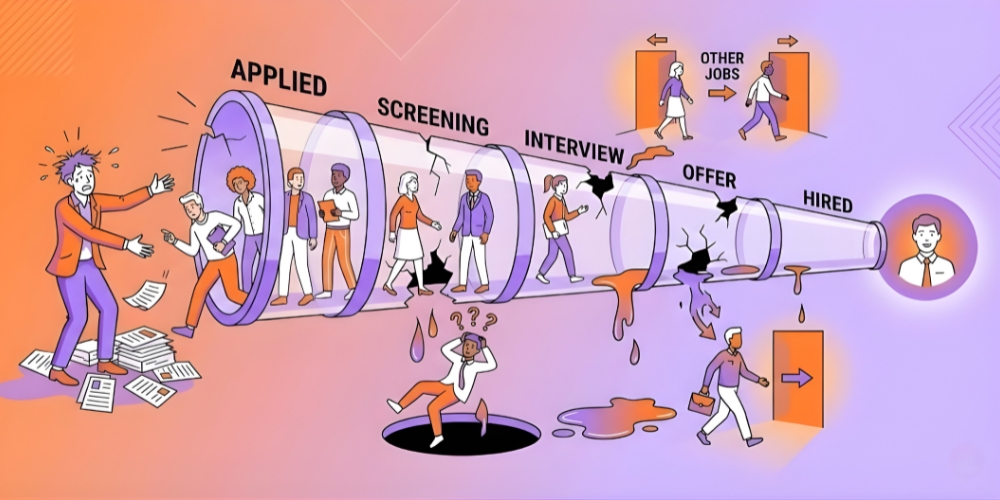
Many companies spend a lot of time trying to hire hourly employees but still fall short. Here are common reasons this happens:
- Slow hiring process. Hourly job seekers apply to many places at once. If you move slowly, they accept other offers. Current data show job openings and hires remain high, highlighting how active the labor market is.
- Poor job descriptions. When roles are unclear, candidates don’t know what you really want and may self-select out.
- Not matching expectations. If pay, schedule or job duties are unclear, candidates lose interest.
- Weak screening. Without proper evaluation, you may hire people who quickly leave, increasing turnover and costs.
In fact, turnover among hourly workers can be high, reflecting issues with fit and expectations on both sides. Without intentional hiring steps, you can find yourself starting the process over again and again.
How to Hire Hourly Employees (Step-by-Step)
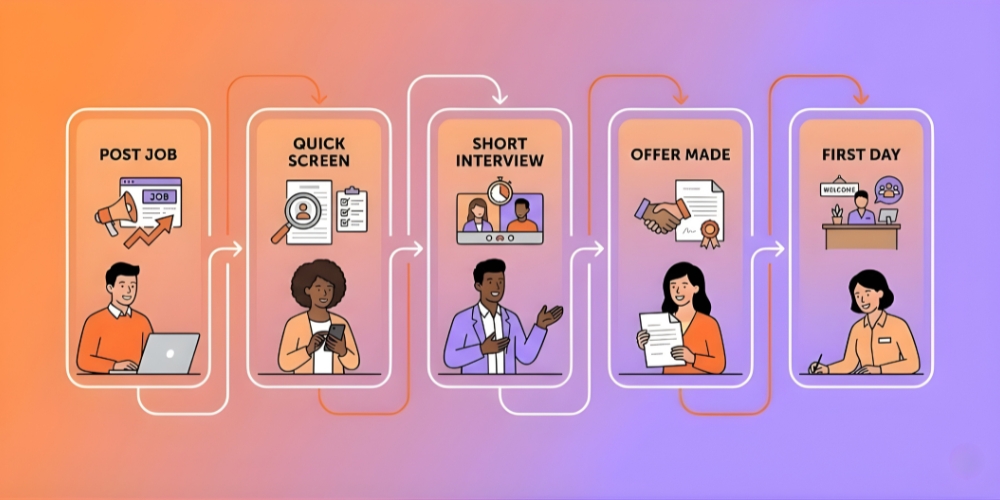
Below is a clear way to approach how to hire hourly employees without overthinking the process.
Clarify the Role
Create a job description that clearly explains the pay, work schedule, daily tasks and any physical requirements. Keep it honest and simple. Hourly applicants make fast decisions and clarity helps them decide if the role fits.
Choose Where to Post
Post roles where hourly job seekers look most often such as job boards like Indeed, local community sites and walk-in notices are still effective. Also use niche boards for hospitality or retail if that’s your sector.
Screen Efficiently
Have a screening plan that includes more than just a resume. Ask for availability, past experience with similar work and responses to a few core questions.
Use pre-employment screening to check basics like eligibility and work history. These checks help ensure you do not hire someone who cannot legally work or who misrepresented their experience.
Add Smart Assessments
Include simple assessments like short problem solving or role simulations. Tools such as AI-assisted cognitive testing help evaluate how candidates think on their feet.
Interview with Purpose
Even in hourly roles, a quick interview helps you see how someone speaks, listens and reacts. It also shows whether they truly understand the job. Keep the conversation short, clear and tied to real work situations.
Offer Clearly and Quickly
When you choose a candidate, move quickly. Many hourly workers are deciding between options or need income right away. Share the pay, schedule, start date, and training details upfront so there are no surprises.
Onboard Successfully
Good onboarding matters. Provide orientation to company rules, expectations and needed tools so new hires feel prepared and valued from day one.
What to Look for in Hourly Employees

When hiring hourly roles, skills matter, but behavior matters more. Many hourly jobs can be taught. Attitude is harder to fix.
First, look for reliability. Can the person show up on time and follow a schedule? Missed shifts create real business problems, especially in customer facing roles.
Second, pay attention to availability and flexibility. Hourly work often includes evenings, weekends or rotating shifts. Clear alignment here reduces early drop offs.
Third, focus on basic communication skills. An hourly worker needs to understand instructions and ask questions when unsure. This is critical in safety sensitive or fast moving environments.
Finally, watch for learning ability. Even entry level hourly roles change. New tools, new processes or new rules come up often. People who learn fast tend to stay longer and perform better.
Common Hourly Hiring Mistakes
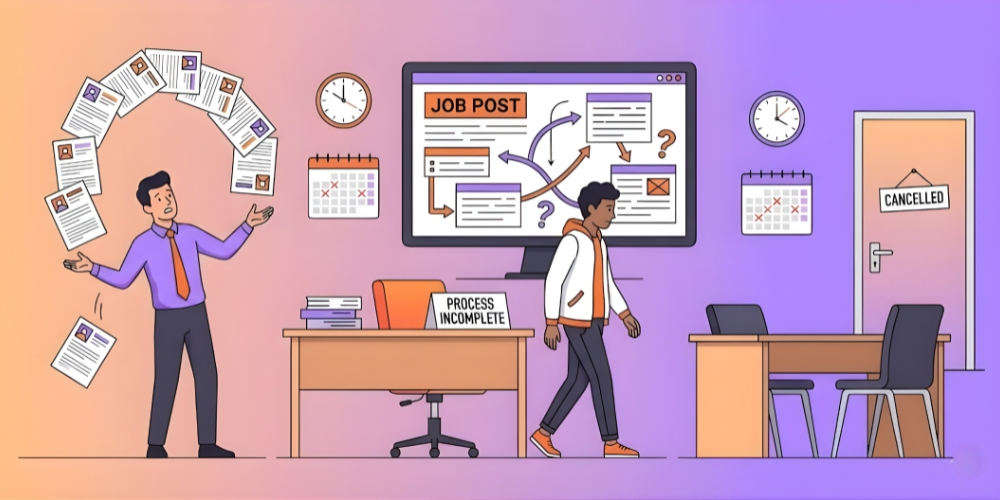
Many teams face hiring problems not due to a shortage of applicants but because of simple mistakes that could be avoided.
One major mistake is overcomplicating the process. Long forms, multiple interviews and slow follow ups push good candidates away. Hourly candidates expect speed.
Another problem is setting unclear expectations. When pay, shifts or responsibilities change after someone is hired, trust fades early and retention suffers.
Some employers also rely too heavily on resumes. Many strong hourly candidates do not have polished resumes but still perform well on the job.
Skipping structured screening often leads to the wrong hires. When there is no consistent way to evaluate candidates then decisions are rushed and based on instinct rather than clear information.
How AI Improves Hourly Hiring
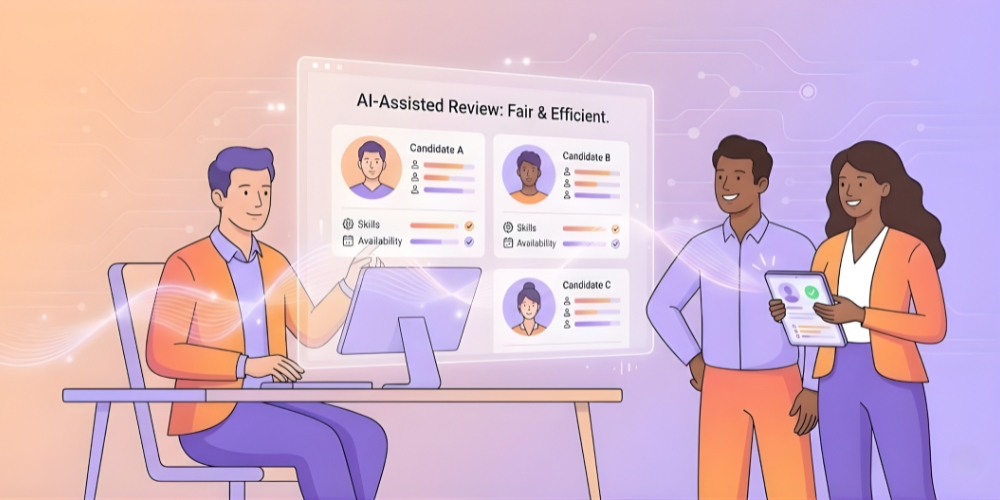
AI helps most when it removes friction without removing judgment.
One key benefit is speed. AI tools can quickly filter applicants based on availability, location and basic qualifications. This helps teams respond faster when demand spikes.
AI can also make hiring more fair. When screening follows the same rules for every applicant, then personal bias has less room to influence decisions. Used the right way, technology applies the same standards across all candidates.
Conclusion
Hiring hourly workers does not have to feel chaotic. When you understand the differences, move quickly and set clear expectations, results improve.
A simple process, focused screening and smart use of technology help teams hire faster and retain better people. The goal is not perfection. The goal is consistency, clarity and respect for the candidate’s time.