


TL;DR
- Hiring tech talent is a real challenge for non-tech companies.
- Tech candidates care about growth, flexibility and meaningful work.
- Clear roles and faster hiring improve results.
- A step-by-step approach reduces hiring risk.
- AI supports screening and decision-making but does not replace humans.
Non-tech companies are asking the same hard question over and over: how to hire tech talent when developers, engineers and tech experts seem to go straight to big tech and startups. It feels like there just aren’t enough great candidates for the number of roles open and traditional recruitment approaches fall short against today’s competitive market.
In this blog, you’ll get practical guidance on how to attract tech talent and build a strategy that actually works for non-tech firms. You’ll learn the real motivations of tech professionals and a clear step-by-step plan to hire tech talents without the guesswork.
Why Tech Hiring Is Harder for Non-Tech Companies
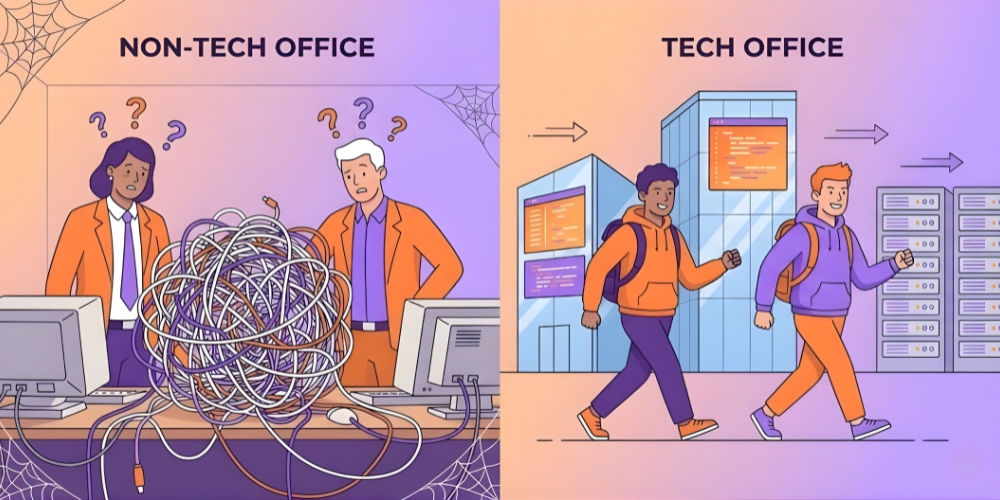
Tech roles are in high demand and short supply. By 2025, there were around 4 million unfilled developer positions globally, especially in critical languages like JavaScript and Python. This shortage makes competition fierce.
Also, most non-tech companies lack a brand that resonates with developers. A LinkedIn-style image carries weight for tech professionals, but a non-tech brand can seem abstract or unrelated to developers’ daily work. Without tech-focused recruitment practices and job descriptions for software engineers that speak directly to candidates’ interests, it becomes even harder to stand out.
Finally, tech professionals expect more than a paycheck. They want to work on meaningful problems, learning opportunities, flexible arrangements and a voice in product direction. If a non tech company does not clearly communicate these, candidates quickly move on.
Hiring Reality Check
Pick what hurts most right now. You can choose up to two.
What Tech Talent Actually Cares About
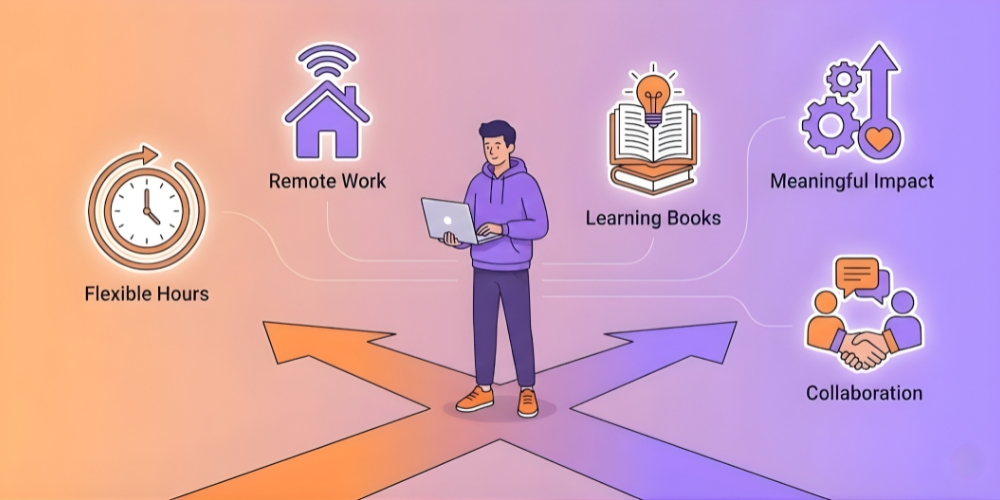
Today’s tech professionals value specific things when considering offers:
- Growth and learning: Developers want access to skill development and new technologies.
- Work flexibility: Remote or hybrid options are often non-negotiable.
- Impact: Knowing their work shapes real products or services matters.
- Culture and respect for craft: They want to be treated as problem solvers, not task executors.
In the 2025 Stack Overflow Developer Survey, developers from 177 countries shared that they value working in environments where learning is encouraged and collaboration is part of daily work.
Attracting and keeping talent goes beyond salary today. When companies offer a smooth candidate experience and explain how a role can grow over time, it becomes easier to attract tech talent.
How to Hire Tech Talent for Non-Tech Companies (Step-by-Step)
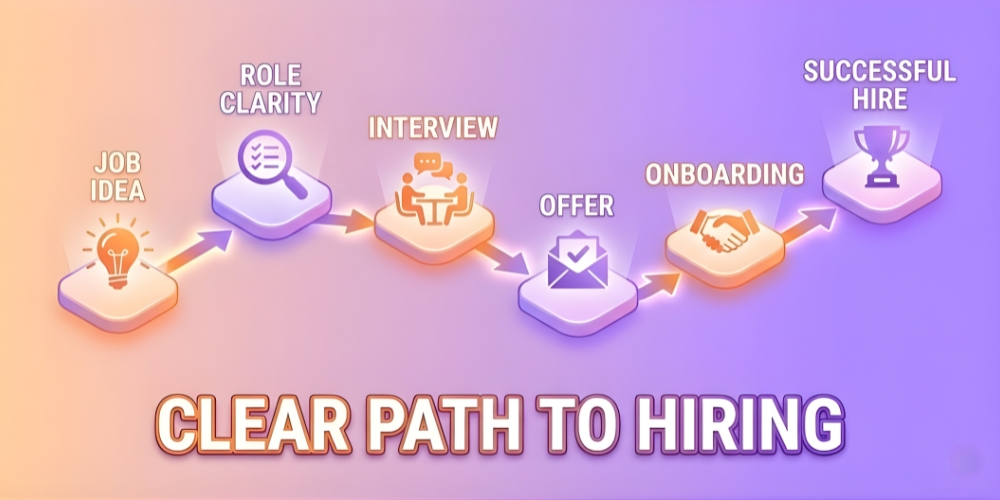
Clarify the Role and Skills You Need
When requirements are unclear, then the wrong people apply and the hiring process slows down for everyone involved. Focus on concrete skills and real outcomes instead of broad or catchy titles.
Write Compelling Job Posts
Match the language of tech audiences. Highlight why your mission matters, what problems they will solve and what tools and languages they will use. Clear expectations help you hire tech talents who see themselves succeeding in your environment.
Use Targeted Sourcing and Outreach
Don’t stick to general job boards alone. Participate in communities, forums or niche platforms where developers engage. Skilled candidates may not be actively looking but they’ll respond to thoughtful, personalized outreach.
Streamline the Interview Process
Lengthy, bureaucratic interview loops are a major turn-off. Successful companies reduce time-to-offer and give timely feedback. Efficient processes signal respect for the candidate’s time and choices.
Sell the Value Beyond Salary
Developers care about more than compensation. Make sure your recruitment message addresses elements like meaningful work, flexible schedules and professional growth.
Involve Tech Stakeholders
Even if you’re a non-tech company, involve internal or external tech advisors in the interview process. Their insight can improve assessment quality and show authenticity in how you evaluate candidates.
Offer Clear Career Paths
Tech roles evolve quickly. Providing a roadmap for growth reassures candidates that working with your company means long-term investment in their future.
By combining these steps with modern methods of recruitment, you dramatically increase your chances of knowing how to attract top tech talent.
Build Your Hiring Path
Answer three quick questions. Get a hiring path that fits your situation.
Common Mistakes Non-Tech Companies Make

One of the biggest mistakes non-tech companies make is moving too slowly. Tech candidates often juggle multiple offers at once. A hiring process that drags on for weeks sends a clear signal that decisions are hard to make and priorities are unclear.
Another issue is misunderstanding the role itself. Some teams expect one hire to handle every technical task, which creates pressure and weak results. Tech roles need a clear scope, leadership support and solid onboarding. When ownership is missing, even good hires tend to leave early.
Finally, many teams still treat tech hiring like traditional roles. Using outdated screening methods or generic assessments makes it harder to compete in a market shaped by modern tools and the rise of AI engineer roles.
Spot the Hiring Mistake
Pick the best answer. You get instant feedback.
How AI Helps Non-Tech Companies: How to Hire Tech Talent
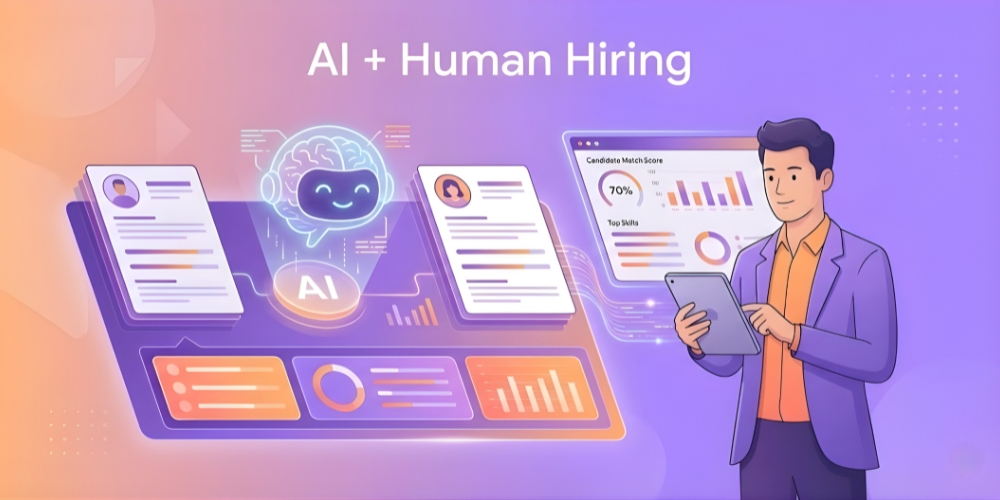
AI is becoming a practical support system for non-tech hiring teams. It helps sort large applicant pools, surface relevant skills and reduce early screening bias when used responsibly.
Teams that use AI-based hiring tools often fill roles faster and make better matches, especially in technical hiring where skills matter more than job titles. These tools can review resumes for relevant experience, suggest fit and flag gaps for recruiters to assess more closely.
AI tools can also support non-technical recruiters during interviews. By providing structured questions, skills-based scoring and role-specific benchmarks, they help recruiters feel more confident even without a deep technical background.
AI does not take the place of people. It works alongside them. When used well, it helps non-tech companies understand how to hire tech talent in a more consistent and fair way.
Human vs Human + AI
Toggle to compare what changes when you add AI support to your hiring process.
When to Use Contractors vs Full-Time Tech Hires

Not every tech need requires a full-time hire. Contractors work best when the scope is clear, timelines are short or expertise is needed fast. Examples include system migrations, audits or one-off builds.
Full-time hires make sense when tech becomes part of your core operations. If the role involves long-term ownership, product decisions or close collaboration with other teams, a permanent hire brings stability and accountability.
A blended approach often works best. Start with contractors to test needs, then convert key roles into full-time positions as priorities become clearer.
Contractor vs Full-Time Decision Tree
Answer three quick questions. Get a clear recommendation in under a minute.
Conclusion
Hiring tech talent as a non-tech company is challenging but it is far from impossible. Success comes from clarity, speed and understanding what technical professionals truly value. When companies invest in better processes, smarter tools and realistic role definitions, they compete more effectively for skilled talent.
The goal is not to copy big tech. It is to build a hiring approach that fits your business while respecting the expectations of modern tech professionals.
FAQs
Click a question to open the answer.