

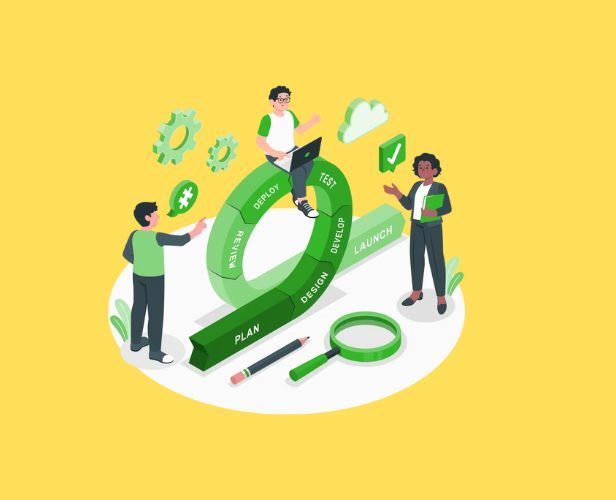
TL;DR
- Look for people who learn fast and stay steady when plans change.
- Spot people who share ideas early and improve work as they go.
- Use simple tools and tasks to check real workplace flexibility.
- Build a space where teams feel safe to test, learn, and adjust fast.
Many teams struggle today because work keeps changing faster than their people can keep up. New tools roll in, customer needs shift, and old habits slow companies down. This is why spotting employees with an agile mindset has become more important than ever.
The good news is you can train your team to respond faster and smarter. When you know what flexible thinkers look like, you can coach them better and build a stronger workplace that stays steady even when pressure rises.
What Is an Agile Mindset?
An agile mindset is the way people think, learn, and act when they face constant change. Instead of waiting for perfect plans, they adjust as they go. This is the heart of what is the agile mindset. It connects to how someone sees problems, handles uncertainty, and works with others.
People who are agile-minded stay curious and open. They follow the idea behind adopting an agile mindset, which means testing ideas, learning from mistakes, and improving work step by step. This thinking also shapes agile mindset and culture, creating teams that move as one.
A recent McKinsey study found that companies adopting agile ways of working improved operational performance by up to 30 percent.
This shows how much value an agile personality can bring when the whole workplace moves with the same energy.
Mindset Swap Mini Game
Drag each statement into the right bucket. Learn how fixed thinking and an agile mindset feel in real work.
Tip. Use this game in workshops or training to start a short discussion on how your team sees change and learning.
Why an Agile Mindset Matters for Modern Workforces
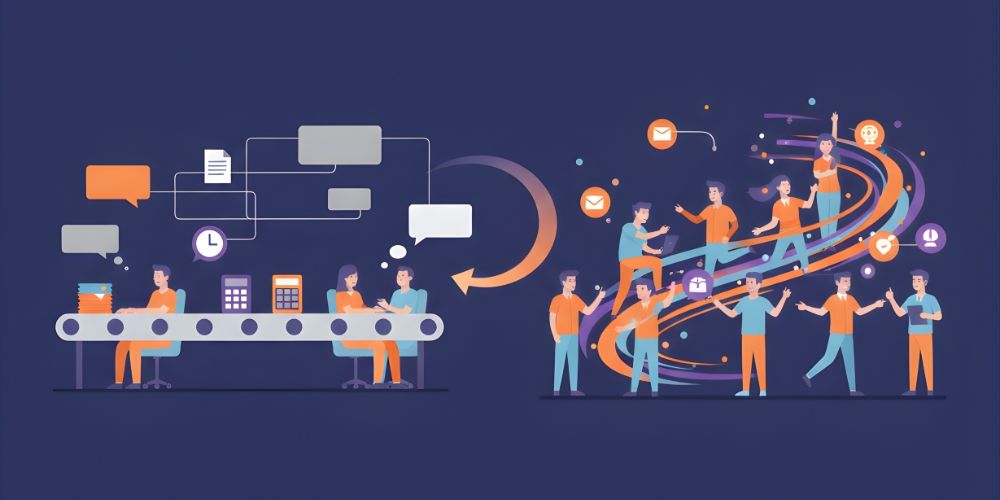
Today’s workplace is full of shifting priorities. Remote work, automation, and global competition push teams to think on their feet. An agile workforce definition is simple. A group of people who respond quickly, adjust smoothly, and stay productive even when plans change.
This shift is why leaders now compare agile workforce vs. traditional workforce models. Agile settings move faster and rely on shared ownership, while traditional teams wait for instructions and follow strict steps.
With this change also comes a new focus on hiring. More companies are shaping their playbooks around agile recruitment, searching for people who learn fast rather than those who only follow fixed instructions.
Future Shock Challenge
Click the button to get a random workplace change. Choose the response that best reflects an agile mindset.
Press the button to start the challenge.
How to Identify Employees With an Agile Mindset
Employees with an agile mindset stand out because they stay steady when plans break, surprises show up, or the team hits a block. They also show what strong agile team characteristics look like. They speak up early, ask simple questions, and move ahead without waiting for someone else to fix things.
A good place to start is to notice how people solve problems. Those with an agile approach rarely stick to one way of doing things. They share an agile mindset in how they talk, plan, and respond to feedback. This also helps you answer the classic question. A good agile team should exhibit which qualities? The best signs include flexibility, curiosity, and a steady focus on improving together.
During hiring, watch how candidates explain past challenges. This is where the agile personality definition comes to life. Look for people who talk about lessons learned, not just tasks finished. This step works well alongside your process for sourcing vs. recruiting, helping you separate flexible thinkers from those who struggle with change.
This shows why spotting an agile personality early can lift team performance across projects and timelines.
Spot the Agility Quiz
Read the three short stories and pick the one that shows a true agile mindset.
Behavioral Traits of Agile Employees
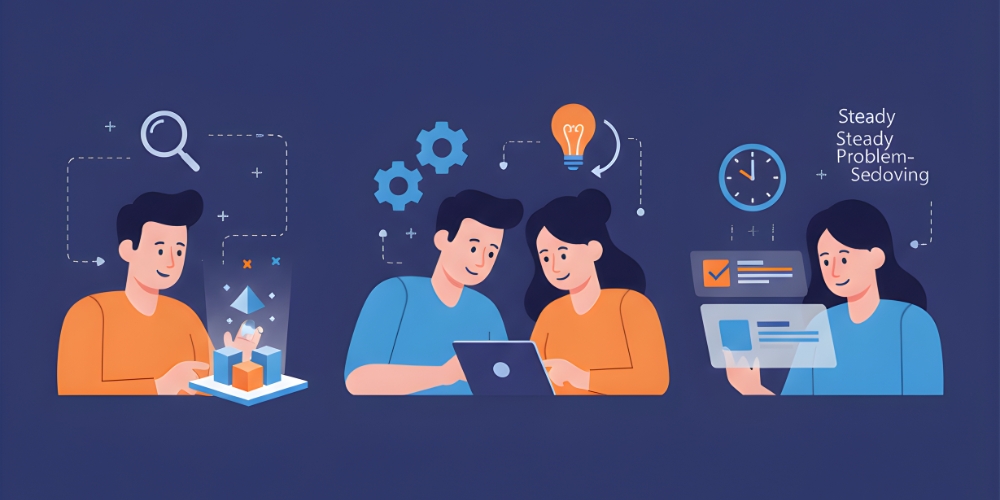
Employees with an agile mindset show their strengths through daily actions, not just titles or skills. They ask questions early, welcome feedback, and do not freeze when plans shift. They show a natural habit of being curious, steady, and ready to adjust.
One of the strongest signs of being agile is how people handle obstacles. Agile employees rarely stay stuck. They break big problems into small steps and test simple solutions before moving forward. These workers match the energy behind an agile personality, where learning is ongoing, and mistakes are seen as part of progress.
They also communicate clearly with teammates. People with an agile personality definition often share updates in short cycles, help others understand risks, and build trust through simple and honest communication. This is what companies look for when forming teams around agile team characteristics, where every voice matters, and every update helps the team move faster.
Trait Matcher Puzzle
Tap one trait on the left and one behavior on the right. Match the pairs that go together.
Traits
Behaviors
Assessment Tools for Identifying Agility
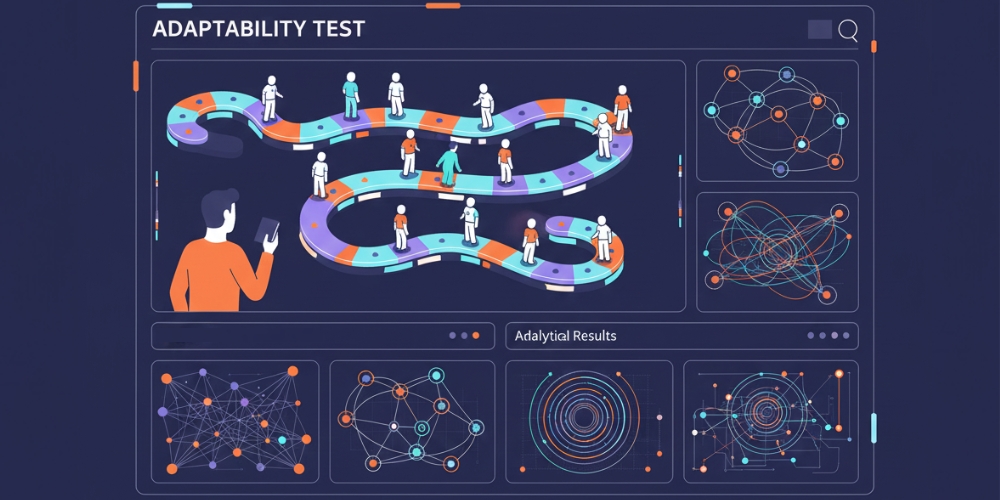
While mindset is something you observe over time, there are tools that make the process easier. Modern assessments look at learning speed, adaptability, decision-making, and openness to feedback. These tools help leaders spot people who can support a strong agile mindset and culture inside the workplace.
Behavioral simulations, short scenario-based tests, and collaboration tasks help capture agile mindset examples in action. Some companies use sprint-style group exercises where people solve small challenges together. These tasks reveal who stays calm, who adapts quickly, and who encourages the team during pressure.
Digital platforms now measure adaptability through task variety, completion patterns, and response time to new information. These tools mirror the qualities needed in an agile workforce definition, giving HR and managers a clearer picture of how people respond as work shifts. This helps teams make better hiring choices, especially in roles where things move quickly, and the ability to learn fast is just as important as technical knowledge.
Agility Toolkit Picker
Click a tool to see when to use it, what it reveals and who it suits best.
Pick a tool to see details.
When to use Use the buttons above to explore how each tool works.
What it reveals See what each option shows about agility and learning.
Best for Different tools fit different roles, teams and stages.
Common Mistakes When Assessing Mindset
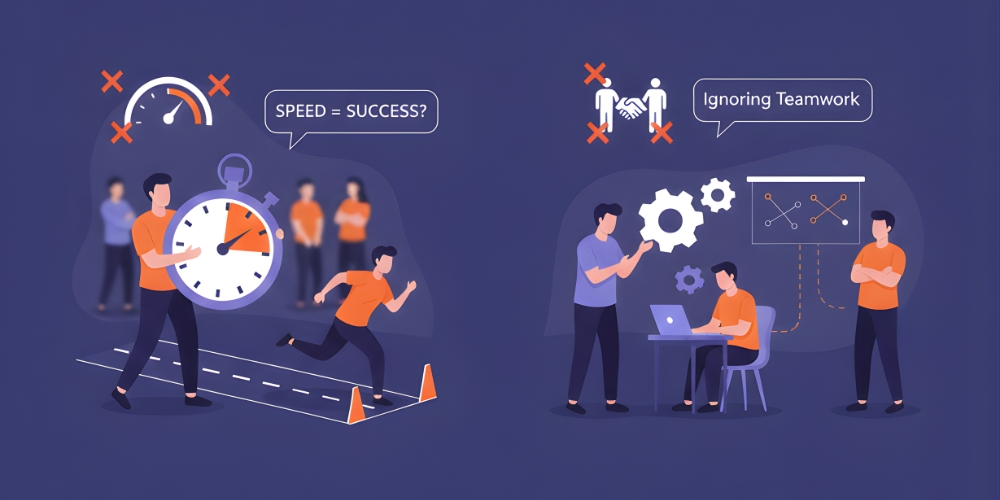
The biggest mistake is believing that speed automatically means agility. Working quickly is not the same as having a flexible mind. Someone who rushes through tasks may push back when pressure builds or plans shift. True agility shows through steady improvement, not quick motion.
Another mistake is relying only on interviews. People often give ideal answers that sound right but do not match their real behavior. This creates gaps between expectation and performance, especially when teams compare agile workforce vs. traditional workforce styles and need reliable signals of adaptability.
A third mistake is ignoring collaboration habits. Many teams focus too much on personal output. But workplace agility is a shared quality. When managers overlook team energy, they miss strong indicators of agile-minded thinking. This can weaken hiring steps tied to agile recruitment, where mindset and teamwork must align.
Lastly, some workplaces test people in ways that do not match actual job tasks. If the test does not reflect real conditions, it cannot show real agility. That is why companies often combine short tests, group work, and feedback loops to see a complete picture.
Mistake or Myth? Tap-to-Reveal
Tap each statement to see if it is a mistake, a myth or a partial truth when assessing an agile mindset.
Conclusion
An agile mindset is no longer a bonus skill. It has become a core part of how modern teams grow, respond, and stay strong during change. When leaders understand how to spot agility in daily behavior and in hiring, they build teams that adjust quickly and stay productive through uncertainty.
By focusing on learning speed, curiosity, teamwork, and steady improvement, you give your workplace a strong foundation for the future. With simple tools and clear observations, you can help your people grow the mindset they need to work well in fast-moving environments.
FAQs