

TL;DR
- A prescreening interview is a quick call to check basic fit.
- Expect screening interview questions on skills and availability.
- Recruiters want clear, honest, confident answers.
- Prepare by reviewing your resume and practicing pre-interview questions.
- Use the 50 common prescreening interview questions below to get ready fast.
Hiring teams face one big problem. They receive more applications than they can realistically review. Early steps, such as preliminary screening interview questions, help them quickly filter candidates. With remote hiring growing across industries, companies now screen applicants at a much higher volume.
The good news is that prescreening interviews work in your favor when you know what to expect. In this blog, you’ll learn what a pre screening interview is, get example screening questions, see sample answers, and understand what recruiters look for so you can move confidently to the next round.
What Is a Prescreening Interview?
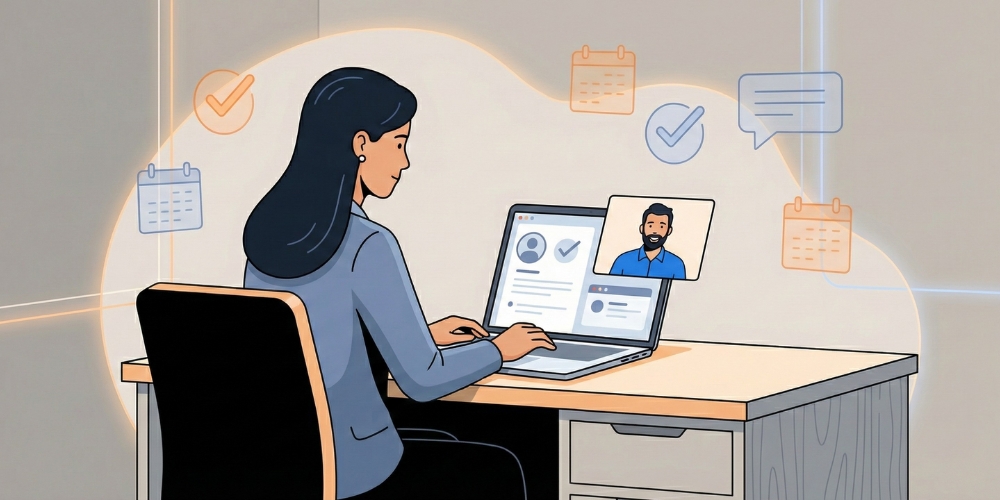
A prescreening interview is a short call, video chat, or digital questionnaire used to confirm whether a candidate matches the basic requirements of a role. Recruiters use pre interview questions to understand your background, communication skills, work style, and interest level. Think of it as the step between resume screening in recruiting and a full interview.
Many companies run this step because the market has become more competitive. Recent research shows that 56 percent of employers use pre-employment assessments to evaluate candidates’ knowledge, skills, and abilities, which are often part of a wider prescreening stage. These early checks help teams save time, improve hiring decisions, and make the process more consistent and fair.
A prescreening may be done through a phone call, chatbot, automated video tool, or a pre hire questionnaire. The goal is simple. The recruiter wants to see whether you should move to the next stage, which often includes skills-based assessments, structured interviews, or a pre screening test.
Prescreening Interview: Choose Your Path
You are a candidate about to take a prescreening interview. Click through the path to see how it can unfold.
50 Common Prescreening Interview Questions (with Answers)
Below you’ll find preliminary screening interview questions that recruiters most often ask. These are grouped by theme with short, clear sample answers to help you prepare. These align closely with what hiring teams commonly use as HR screening interview questions, recruiter screening questions, and general screening questions for interviews.
General Background Questions
- Tell me about yourself.
Sample Answer: I focus on solving customer problems and improving service quality. In my last role, I supported daily operations and reduced response times by 20% through improved task tracking. - Why are you interested in this role?
Sample Answer: The role matches my skills in client support and project follow-up. I enjoy fast-paced work and want to be part of a team that values clear communication. - What do you know about our company?
Sample Answer: I looked through your latest product changes and the updates on how your team is growing. I saw a strong focus on customer care and steady progress, and that matches the kind of workplace where I want to build my career. - Why are you leaving your current job?
Sample Answer: I’m looking for growth and more defined responsibilities. I have learned a great deal in my current role, and I feel prepared to take on a new challenge that helps me grow further. - What are your strengths?
Sample Answer: I stay organized and calm during high workload periods, and I communicate clearly with teams to avoid delays. - What are your weaknesses?
Sample Answer: I sometimes take on too much, but I’ve learned to plan better and ask for help when needed.
Skills and Experience Questions
- Do you have experience with the main tools listed in the job posting?
Sample Answer: Yes. I’ve used them daily in my last role and feel confident adopting new tools as well. - Tell me about a project you’re proud of.
Sample Answer: I worked on improving our customer feedback tracking process, and it helped the team reply sooner and cut down on repeated problems. - What type of work environment do you prefer?
Sample Answer: I enjoy structured teams with clear goals and space for collaboration. - How do you handle tight deadlines?
Sample Answer: I break the task into smaller steps, prioritize what matters most, and communicate early if anything might affect the timeline. - What motivates you at work?
Sample Answer: Learning new skills and seeing the results of my work improve team performance. - How do you handle conflict or disagreements?
Sample Answer: I listen first, ask questions to understand the issue, and then find a compromise based on the goal we both share.
Availability and Logistics Questions
- What is your notice period?
Sample Answer: I can join after the standard notice period at my current company, which is 30 days. - Are you open to working on-site, in a hybrid role, or remotely?
Sample Answer: I’m flexible and can work whichever model the team prefers. - What are your salary expectations?
Sample Answer: I’m open to a fair offer based on the responsibilities and industry range for this role. - Are you legally authorized to work in this country?
Sample Answer: Yes. - Are you willing to relocate?
Sample Answer: If the role offers the right opportunity, I would consider relocating. - When can you start?
Sample Answer: I can start shortly after completing my notice period.
Behavioral Questions
- Tell me about a time you solved a problem at work.
Sample Answer: I saw that our team kept running into delays while handling requests. I created a simple checklist that made the steps clearer, helped cut down mistakes, and made the whole process faster. - Describe a moment when you had to adapt to change.
Sample Answer: When our team introduced a new ticketing system, I learned it quickly and helped coworkers with the transition. - Share an example of teamwork from your past roles.
Sample Answer: I worked with a cross-department group to launch a customer guide. We divided tasks clearly, finished early and reduced support calls. - Tell me about a mistake you made and what you learned from it.
Sample Answer: I rushed a report in the past and ended up missing important details. It taught me to slow down, review my work carefully and rely on templates to keep everything consistent. - How do you prioritize tasks?
Sample Answer: I start with urgent tasks, then complete the items with the most significant impact on team goals. - What do you do if you don’t know the answer to something?
Sample Answer: I research quickly or ask a knowledgeable teammate so the work continues smoothly.
Job Fit Questions
- What type of manager helps you do your best work?
Sample Answer: Someone who sets clear expectations and encourages open communication. - How do you keep yourself organized when the workload gets heavy?
Sample Answer: I use simple tools like daily lists, reminders, and progress tracking. - What do you hope to achieve in this role?
Sample Answer: I want to build stronger skills in my field and contribute to the team’s goals. - Why do you believe you’re a good fit for this position?
Sample Answer: My experience aligns closely with the job duties, and I enjoy the type of work your team focuses on. - What does success look like to you in the first three months?
Sample Answer: Learning the workflows, building good relationships with teammates, and completing tasks with accuracy. - How do you ensure quality in your work?
Sample Answer: I follow checklists, review my work, and ask for feedback early.
Scenario-Based Questions
- If you received conflicting instructions from two managers, what would you do?
Sample Answer: I would ask both to clarify priorities so I align with the team’s goals. - How would you handle an unhappy customer?
Sample Answer: I’d stay calm, listen, understand the issue, and offer solutions within company policy. - If you’re given a new task you’ve never done, how do you approach it?
Sample Answer: I start by checking any available guidelines, ask for a bit of direction, and try small steps first so I do not make errors. - What would you do if you fell behind on a project?
Sample Answer: I’d communicate early, explain the blockers and ask for help or adjust priorities. - How would you manage tight deadlines across multiple projects?
Sample Answer: I would talk with my manager about what needs attention first and update the timelines in a clear and honest way.
Attitude and Culture Questions
- What kind of culture helps you grow?
Sample Answer: A supportive environment with respect and clear communication. - How do you handle feedback?
Sample Answer: I take notes, thank the person and apply the advice in my next tasks. - What values matter to you at work?
Sample Answer: Respect, honesty and teamwork. - Describe your ideal workday.
Sample Answer: A mix of focused tasks, teamwork, and clear goals. - How do you stay motivated?
Sample Answer: I set small goals and celebrate progress.
Role-Specific Questions
- Do you have experience leading small tasks or teams?
Sample Answer: Yes, I have coordinated small projects and kept tasks on schedule. - Have you used data to make decisions?
Sample Answer: I often review metrics to find patterns or spot issues early. - Do you have experience with customer tools or CRM systems?
Sample Answer: Yes, I’ve used CRM platforms daily for updates and customer notes. - How do you handle repetitive work?
Sample Answer: I stay focused by using a routine and tracking daily progress. - Do you feel more comfortable working on your own or with a team?
Sample Answer: I’m comfortable with both depending on what the project needs.
Closing Questions
- Do you have any questions for us?
Sample Answer: I would like to know more about the team structure and growth opportunities. - Is there anything we missed that you want to share?
Sample Answer: I’d like to highlight my adaptability and strong communication skills. - What do you expect from this role in the first month?
Sample Answer: Clear onboarding and support for learning the systems. - Are you comfortable using new tools?
Sample Answer: Yes, I enjoy learning new systems and adapting quickly. - How would your previous manager describe you?
Sample Answer: They would say I’m reliable, focused, and easy to work with.
Prescreening Question Shuffle Practice
Click the button to get a random prescreening question. Use practice mode if you want to hide the answer first.
You can still read the full list of questions and answers in the article. This tool is for quick practice.
What Recruiters Look for in Answers

Recruiters listen for a few simple things during a prescreening call. They want to know whether you match the role, whether you can communicate clearly, and whether you’re prepared. Even when they ask common screening interview questions, their goal is not to trick you. It’s to understand how well you fit the basics of the position.
Recent data shows that 60 percent of employers say soft skills are more important today than five years ago, and more than 70 percent believe that evaluating both skills and cultural fit leads to better hiring outcomes
Commitment also matters. Recruiters use initial interview screening questions to see whether you understand what the company does. A candidate who shows strong interest stands out right away. This is why reviewing the role, the company website, and your own resume before the call helps a lot.
They also look for examples. When you give short stories about your work, even simple ones, it helps the recruiter see your skill level. This is where screener questions examples help you prepare in advance.
If the role needs specific skills, your answers should show how you’ve used those skills in real situations. For example, a customer service role may include good screening questions about problem-solving. A technical role may consist of screening questions, examples about tools, or past projects. A support role may ask questions related to task planning or communication.
Some companies also add a pre screening test after the call to confirm your skills. These can be short, like a writing sample, a customer scenario, or a small problem-solving task. Others send a simple form with example screening questions to confirm your availability and job basics.
Overall, recruiters want answers that show preparation, confidence, honesty, and interest in the role. If you can present these in a simple, friendly tone, you’re already ahead of most applicants.
Fix the Answer: Recruiter View
Read the weak answer, then pick how to improve it. See what a stronger version looks like and why it works better.
Use these examples to train your answers. Clear, short, and focused replies make it easier for recruiters to move you forward.
Conclusion
A prescreening interview sets the tone for the entire hiring journey. It helps recruiters filter applications more quickly and gives you a chance to show your communication skills early. When you prepare for screening interview questions, understand the role, and keep your answers clear, you make it easier for the recruiter to say yes to the next step.
Use the pre-screening process to your advantage. Review the role details, practice your answers, and get comfortable talking about your experience. When you treat this early conversation as an opportunity to stand out, you move forward with greater confidence and clarity.
FAQs
Most prescreening interviews last between ten and twenty minutes. The goal is to confirm basic fit, experience and interest before moving ahead. Some companies may also send follow-up forms or short tasks depending on the role.
Strong answers are short, clear, and truthful. Keep your points focused on the role, your past work, and the value you can add to the team. Share simple examples that fit the job you want.
AI goes through applications at a fast pace, organizes candidate information and brings forward patterns that help recruiters ask stronger follow-up questions. It makes the first part of hiring easier, while people handle the final decisions.