


TL;DR
- Sales talent predictor data more accurately identifies top talent than resumes.
- Precise matching significantly reduces staff turnover.
- AI automates recruiting sales personnel for faster hiring.
- Data-driven decisions boost team revenue and quota attainment.
Hiring for sales is one of the hardest jobs for any manager. A person may sound great in an interview or have a strong-looking resume, yet still fall short once the real work begins. Sales teams also deal with high turnover, which sits close to 35% in many companies and leads to huge losses in time and training. This constant churn happens because many sales recruiting strategies focus too much on surface level traits instead of the skills and mindset needed to do well under pressure.
The answer comes from moving away from guess based hiring and toward data. When a company uses a sales talent predictor, it no longer has to rely only on gut feelings. Instead, it can look at real signals that show who is more likely to perform well. This helps teams hire people who not only fit in but also have a higher chance of hitting their goals.
What Is a Sales Talent Predictor?

At its core, a sales talent predictor is a tool that helps measure how well someone may do in a sales role before they ever sit down for an interview. Unlike a standard personality test, these predictors analyze specific behavioral traits, cognitive abilities and past performance data to forecast how a person will handle the unique challenges of a sales role.
In the world of peak sales recruiting, customer success recruiting tech, these tools are becoming the gold standard. They look for “grit,” resilience, and coachability, traits that are often invisible on a standard CV. For teams aiming for the most effective sales recruitment in the staffing industry, these tools help narrow the field so only the strongest candidates move forward in the hiring process.
Sales Talent Predictor vs. Traditional Hiring

Traditional sales recruitment strategy methods usually look something like this: post a job, scan resumes for “big names” or “years of experience,” and conduct a few “gut-feeling” interviews. While this has been the norm for decades, it is increasingly viewed as inefficient. Research shows that hiring the wrong person can cost a company about 30% of that employee’s first-year earnings when you include recruitment, training, and lost productivity.
When we look at recruiting sales talent through the lens of a predictor, the dynamic changes:
| Feature | Traditional Methods | Sales Talent Predictor |
| Primary Metric | Experience & Resume | Behavioral DNA & Potential |
| Bias Level | High (Subjective) | Low (Data-Driven) |
| Time to Hire | Long (Manual Screening) | Fast (Automated Grading) |
| Predictive Power | Low (Varies by Interviewer) | High (Based on Historical Success) |
By choosing a modern sales talent predictor, companies can overcome common HR and data analytics challenges that usually prevent them from seeing the full picture of their candidate pool.
Hiring Face Off Board
How Sales Talent Predictors Work
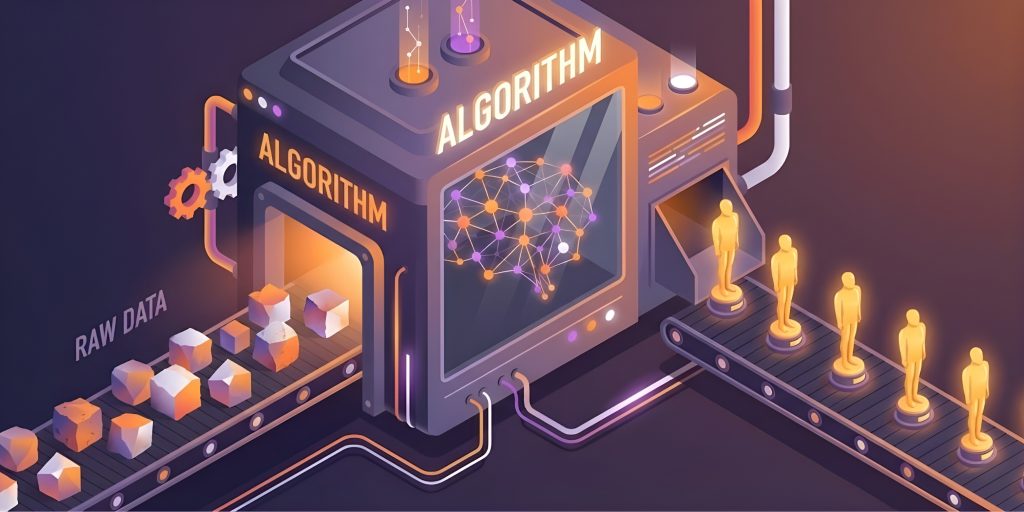
These systems are built on sophisticated algorithms. When recruiting sales personnel, the predictor typically starts by benchmarking the traits of your current top performers. It asks: What makes our best sellers different? Once that profile is built, the AI compares incoming candidates against that “success blueprint.”
Modern peak sales recruiting AI sales tech recruiting platforms use machine learning to constantly refine these profiles. Candidates might complete a short and interactive assessment that measures how they handle rejection or how they prioritize leads. The system then provides real-time hiring analytics, giving managers a “score” for each candidate. This lets your team focus on the top 10% of candidates who are really worth bringing in for an interview.
This transition from guessing to knowing is the key to how to sell recruitment services in a competitive market; you aren’t just providing resumes, you are providing guaranteed potential.
Talent Recipe Builder
Benefits of Using Sales Talent Predictors
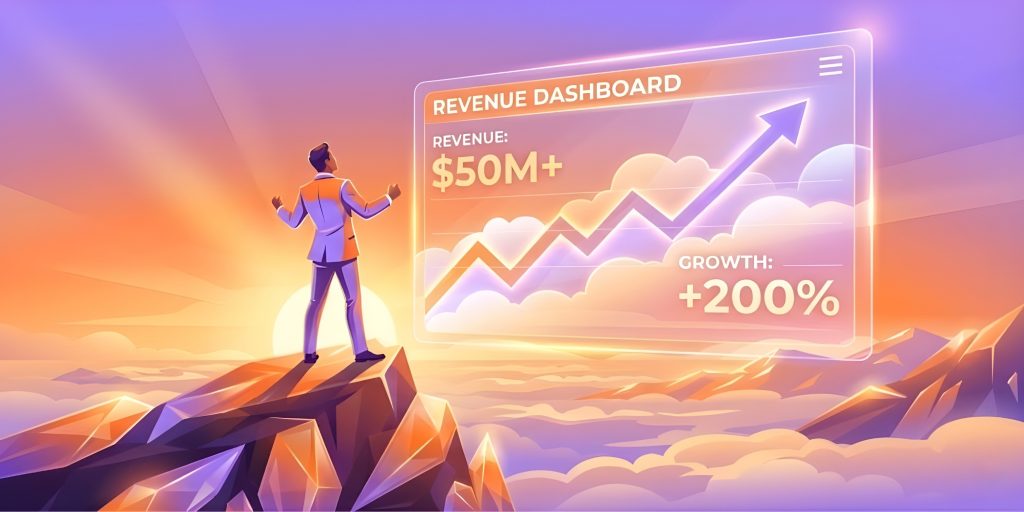
The primary advantage of a sales talent predictor is the dramatic increase in hiring accuracy. When you have a clear picture of a candidate’s cognitive and behavioral makeup, then you can place them in roles where they are most likely to thrive, whether that’s high-velocity inside sales or complex enterprise accounts.
Furthermore, these tools provide a more equitable hiring process. Since the system looks at real skills instead of where someone went to school or who they know, it gives more people a fair chance. This also helps sales recruiting strategies find strong talent that may not stand out on paper. This leads to a more robust, versatile sales team capable of reaching a wider range of customers.
Team Performance Dials
When Traditional Methods Still Matter

While technology is transformative, traditional methods have not been completely retired. The “human element” is still vital for assessing cultural alignment and team chemistry. A sales talent predictor identifies if someone can do the job and how they will do it, but the final interview is often where you determine if they want to do it at your specific company.
Interviews remain the best place to share your company’s mission and gauge a candidate’s passion. However, the role of the interview changes from a primary selection tool to a final validation step. In the most effective sales recruitment in the staffing industry, the predictor handles the heavy lifting of vetting, leaving managers free to focus on building relationships with the top-tier candidates.
Common Sales Hiring Mistakes

One of the biggest problems with a typical sales recruitment strategy is putting too much weight on past industry work. Many hiring managers think that if someone sold for a rival, they will do well for them, too. In real life, that is not always true, since how a person thinks and acts often matters more than where they worked before.
Another common mistake is “hiring in one’s own image.” Without objective data, interviewers naturally gravitate toward people who share their background or communication style. This leads to teams that all think the same and struggle with tough problems. When live hiring data is ignored, companies repeat costly hiring errors.
Hiring Trap Game
How AI Improves Sales Hiring Outcomes

AI is the engine behind modern peak sales recruiting and AI sales tech recruiting. When it looks through large amounts of data, AI can spot trends that people would never notice on their own. For instance, it might discover that the most successful account executives in your company aren’t necessarily the most extroverted, but rather those with the highest levels of “critical thinking” and “logical reasoning.”
A study found that companies using pre-hire tests were 36% more satisfied with the people they brought on. This improvement in satisfaction stems from the fact that AI-driven outcomes are consistently more reliable and repeatable than human intuition. Using these tools allows organizations to scale their recruiting sales talent efforts without sacrificing quality.
Win Rate Simulator
Conclusion
Moving from old-style hiring to a sales talent predictor changes how companies look at people. When fast data tools work alongside sales leaders, teams can pick people who are not only capable but also ready to grow and perform.
When every lead matters and each new hire costs time and money, using data is no longer optional. If you want to move beyond guesswork and build a stronger sales team, adding predictive tools to your hiring process is a smart next step.
FAQs