


TL;DR
- Tech roles in AI, Machine Learning, and Cloud offer the highest paying jobs.
- Combining tech skills with Japanese proficiency increases base pay.
- Project management and executive leadership are consistently top paid jobs.
- Huge IT talent shortages are pushing salaries to record highs.
- Focus on major certifications and future-fit hiring skills to attract top recruiters.
Working in Japan as a foreigner can feel challenging, especially since many people start with the most common jobs in Japan, like English teaching, that do not offer much room to move up. These roles are useful for getting settled, but they often fall short when it comes to long term income, particularly in costly cities such as Tokyo or Osaka. Reaching the highest paying jobs in Japan usually means moving away from entry level work and building skills in specialized, technical, or leadership roles.
Japan’s worker shortage has started to shift the market, with wages rising more than 5% for the first time in decades as of 2025. This gap creates an opening for people who build strong skills in areas like AI development, financial analysis, or bilingual project work. With the right focus, it becomes possible to reach high demand jobs in Japan for foreigners that pay at a six figure USD level. This blog breaks down which skills matter most right now and how to present yourself for a strong offer.
How Salary Structures Work in Japan
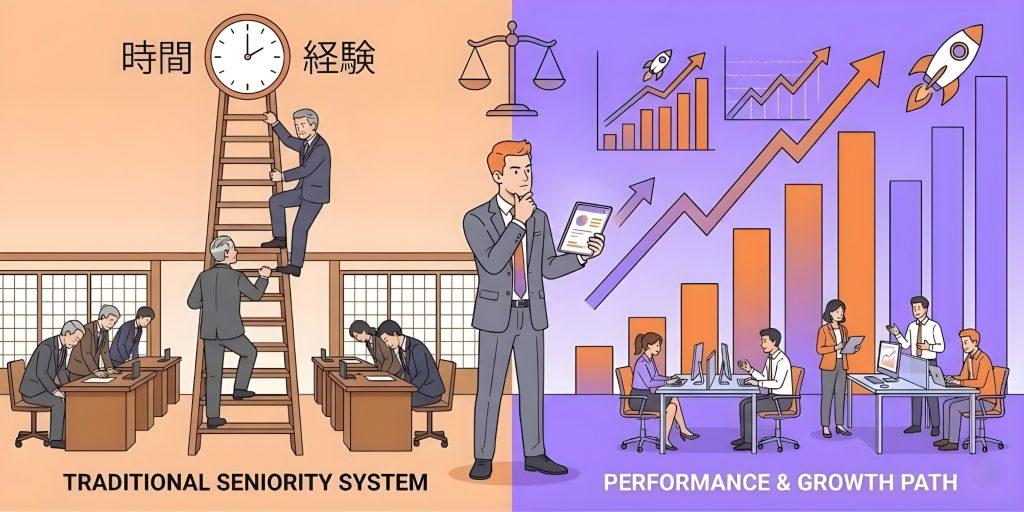
To secure the highest paid jobs in Japan, you must understand the two-tier system: traditional Japanese firms vs. “Gaishikei” (foreign-capital firms). While traditional firms focus on seniority, high-paying sectors have shifted to performance-based models.
- The Bonus Culture: Total compensation is often calculated as 12 months of base salary plus two seasonal bonuses (June and December). For a senior IT role, a ¥9,000,000 base can easily reach ¥13,000,000 after bonuses.
- Allowances: Beyond base pay, many companies offer housing, commuting and family subsidies which can save a household over ¥100,000 per month.
- Gaishikei Premium: Many of the highest paying jobs in Japan are found at foreign firms such as Google and Goldman Sachs, where executive pay packages can fall between ¥25M and ¥72M.
Skills That Lead to the Highest Pay

If your goal is to land one of the highest paying jobs in Japan, focus on these four high-value domains:
A. Specialized Tech (AI, Cloud, and Cybersecurity)
The IT field stands out as one of the top earning options with AI and machine learning specialists now earning about ¥10M to ¥15M per year on average.
- Cloud Architecture: Skills in AWS, Azure, or GCP are essential as Japanese enterprises modernize.
- Cybersecurity: As online risks grow, CISO positions rank among the top paid jobs in Japan, with salaries often starting around ¥26M and climbing to ¥43M for experienced leaders.
B. Finance & Fintech
Tokyo continues to play a major role in global finance. Professionals with skills in quantitative analysis, CFA level finance and risk compliance can earn more than many mid level associates and VPs.
C. Executive & Global Leadership
More companies want leaders who can connect teams in Tokyo with the global headquarters. Clear project leadership and future-fit hiring are in high demand especially the skill of recognizing people who can adjust and grow as technology continues to change.
D. Advanced Engineering
Robotics Engineers and Semiconductor Specialists are the backbone of Japan’s manufacturing DNA. These are high demand jobs in Japan for foreigners who can bring global R&D experience to local giants like Sony or Toyota.
Why Language + Skill Beats Skill Alone

Some tech roles operate fully in English, but the most paying jobs in Japan usually go to people who can work in two languages.
You can view it as a simple value boost that comes from language skills. Your earning power grows when technical ability is paired with Japanese communication. An engineer working only in English may earn around ¥8M while the same person with JLPT N2 can push pay to ¥12M or even ¥14M because they can guide local teams and speak with clients directly.
Data shows bilingual professionals earn between 20% and 47% more than those who use one language.
Bilingual Multiplier Engine
Language isn’t a “perk”—it’s a multiplier that unlocks new salary lanes.
Limited to local execution and siloed tasks.
Skills vs. Degrees in Japan

In the Japanese market, a university degree is typically a non-negotiable requirement for a Work Visa. However, for the highest paid jobs in Japan, your portfolio and certifications often carry more weight during the interview.
- For the Visa: A Bachelor’s degree is the standard gateway.
- For the Salary: Specialized certifications (like AWS Professional, PMP, or JLPT N1) provide the “Hard Evidence” needed to jump to senior pay grades.
- Popular Japanese Jobs: While service or translation roles are popular, they often prioritize degrees over skills. To reach the top 1%, your technical “hands-on” track record matters most.
Two-Gate Hiring Puzzle
Most candidates unlock the wrong gate first. Can you open both?
Select a tile to assign it to a gate:
How Recruiters Evaluate Foreign Talent
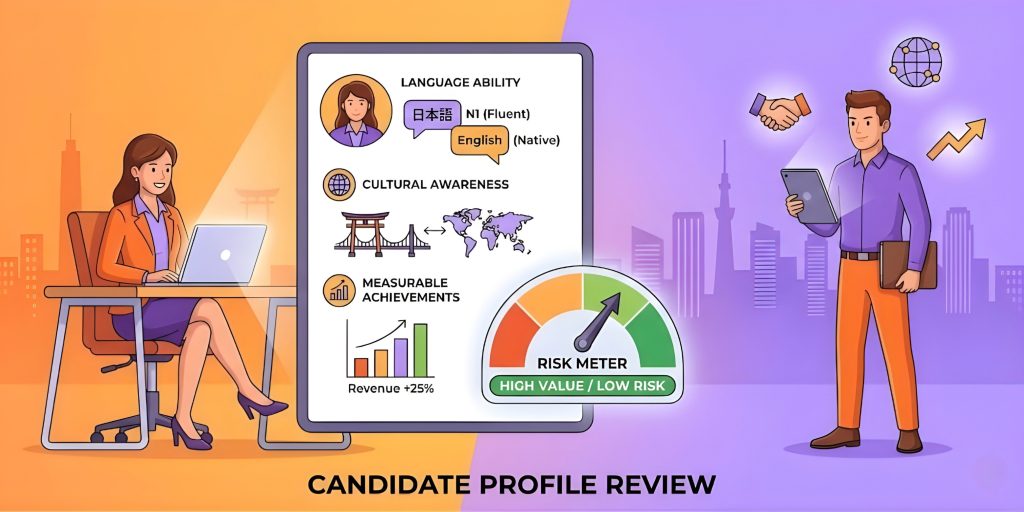
Recruiters use sophisticated recruitment methods to filter out candidates who might leave the country quickly. They look for “Low Risk, High Reward” candidates based on:
- Cultural Alignment: Demonstrating understanding of Keigo (polite Japanese) and local business etiquette makes you a safer hire.
- Quantifiable Results: High-paying firms do not want to hear “I’m a hard worker.” They want to see: “I managed a ¥50M budget and increased team efficiency by 25%.”
- Interview Presence: Mastering the interview dos and don’ts, such as punctuality, the proper bow, and knowing when to listen versus when to pitch, is crucial for landing executive roles.
Conclusion
Landing the highest paying jobs in Japan is a marathon and not a sprint. It requires a unique blend of technical mastery, linguistic effort, and cultural intelligence. By moving away from the most common jobs in Japan and targeting high-shortage sectors like AI and Finance, you position yourself as an indispensable asset in the world’s third-largest economy.
Your Next Step: If you are in tech, then earn one major Cloud certification this year. If you are in management, then dedicate 5 hours a week to JLPT study. The high-salary door is open; you just need the right keys to unlock it.
FAQs
What are the most popular jobs in Japan?
Is the Japanese language required for high salaries?
Can foreigners earn six figures in Japan?