
TL;DR
- Send your email within 24 hours of the meeting.
- Reference a specific topic discussed to prove you were listening.
- Briefly remind them how your skills solve their specific problems.
- A typo in a thanks message after an interview can undermine your professionalism.
- Your follow-up should be concise, respectful and action-oriented.
The quiet period after an interview can feel harder than the interview itself. You put in the work, answered the questions well and felt a real spark with the team, but then everything goes silent. In a crowded hiring market, being qualified is not always enough to stand out. This is where a simple thanks for the job note can make a difference by reminding the interviewer who you are and why you belong in the role.
The solution is simpler than most people think: a well-timed, professional post interview thank you email. By sending a tailored message, you demonstrate high emotional intelligence, attention to detail and a genuine interest in the company’s success. It is the final “pitch” that reinforces your brand and keeps the conversation moving forward.
Why Sending Thanks for the Job Emails Still Matter
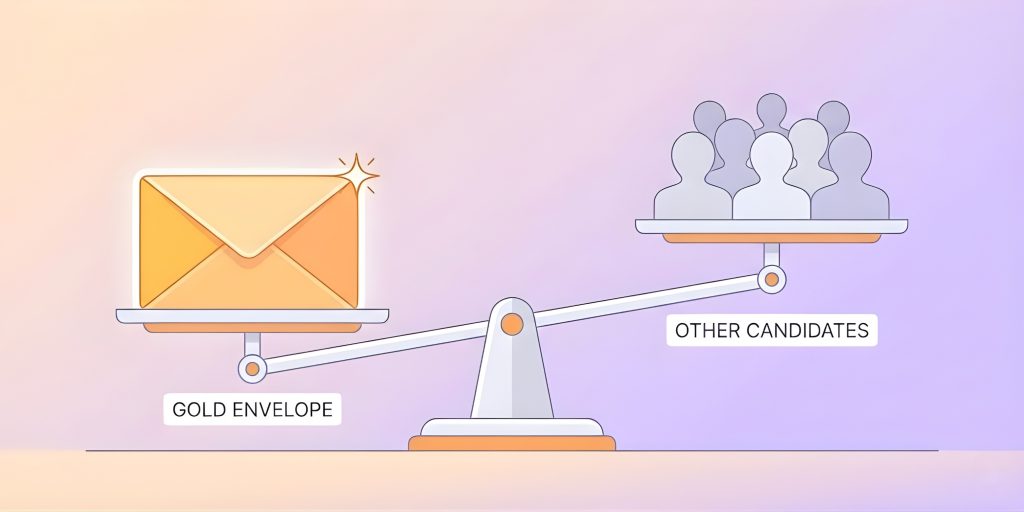
It may feel like an interview thank you letter no longer matters in a fast-moving digital world, but that is not the case. Surveys show that 57% of candidates skip sending one, even though close to 80% of hiring managers say these notes help them when comparing applicants.
When you send a thank you letter interview, you aren’t just being polite; you are providing a touchpoint that many of your competitors are neglecting. In fact, Robert Half reports that 27% of hiring managers say a thank-you note takes on extra weight when they are struggling to choose between two equally qualified candidates.
Hiring Tie Breaker Simulator
When to Send a Thanks for the Job Email
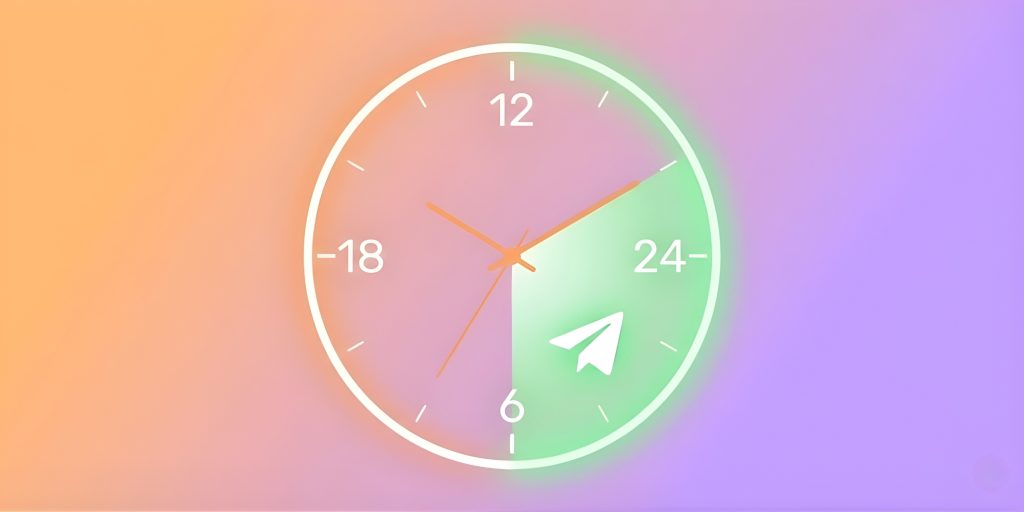
Timing is everything. If you wait too long, then you look uninterested; if you send it within five minutes, it can feel like an automated template. The “Goldilocks Zone” for an email after an interview is typically between 6 and 24 hours after the meeting. This shows that you’ve taken the time to reflect on the conversation but are still excited about the opportunity.
If your interview was on a Friday afternoon, sending your thank you for the interview message on Monday morning is also acceptable, though a Saturday morning email is often fine in more modern, fast-paced industries.
Timing Sweet Spot Dial
What Makes a Thank-You Email Memorable
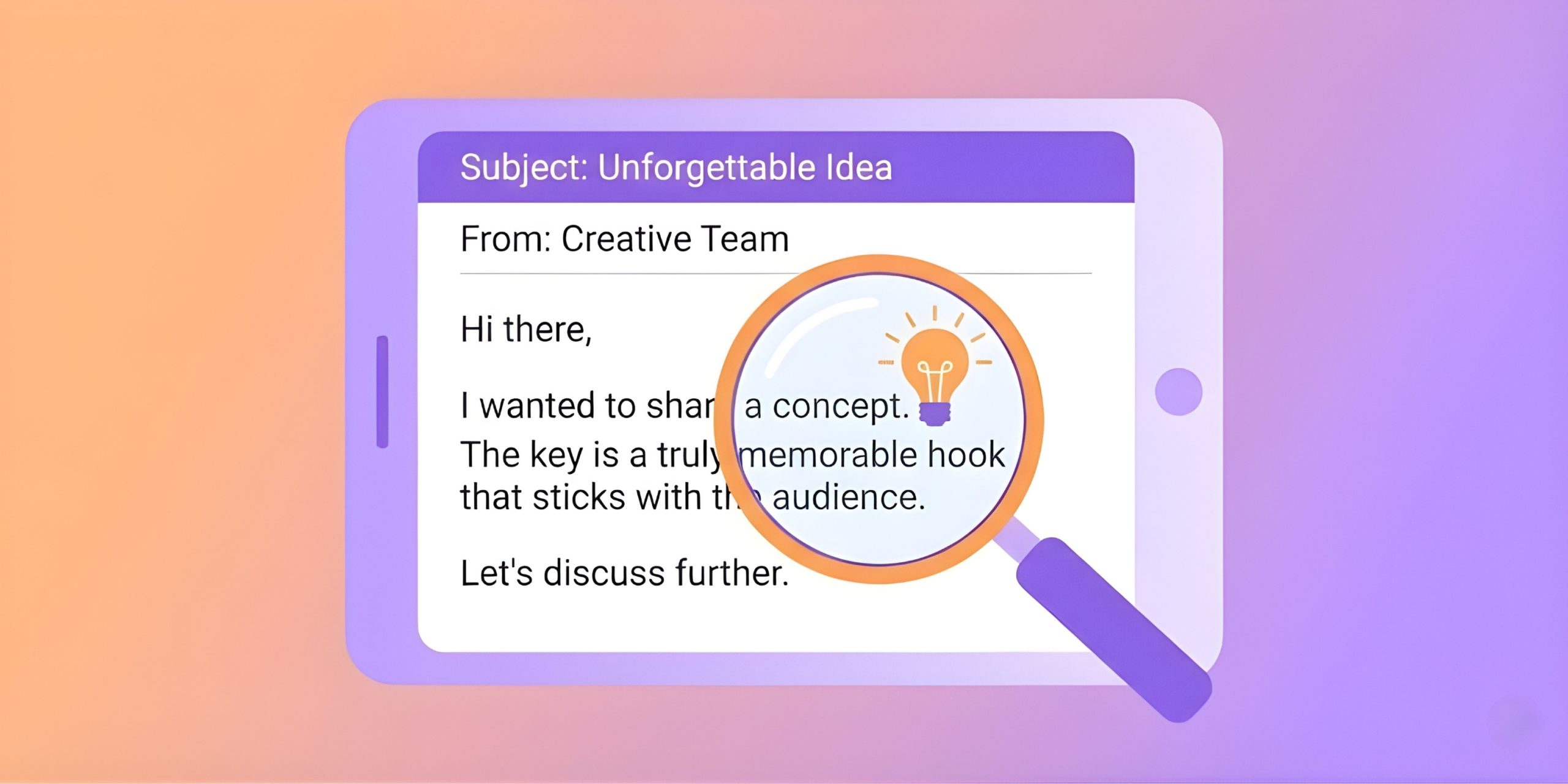
A generic "thanks for your time" won't hurt you, but it won't help you either. To create a sample thank you letter after an interview that actually moves the needle, you must include "The Hook."
"The Hook" is a specific detail from your conversation, such as a challenge the department is facing or a shared interest you discovered. When you include this in your appreciation letter to the interviewer, it proves you were engaged and are already thinking about how to contribute. High-performing candidates use this space to briefly address a question they felt they could have answered better or to attach a relevant work sample that reinforces their expertise.
Hook or Forget Detector
Thank-You-for-the-Job Email Structure
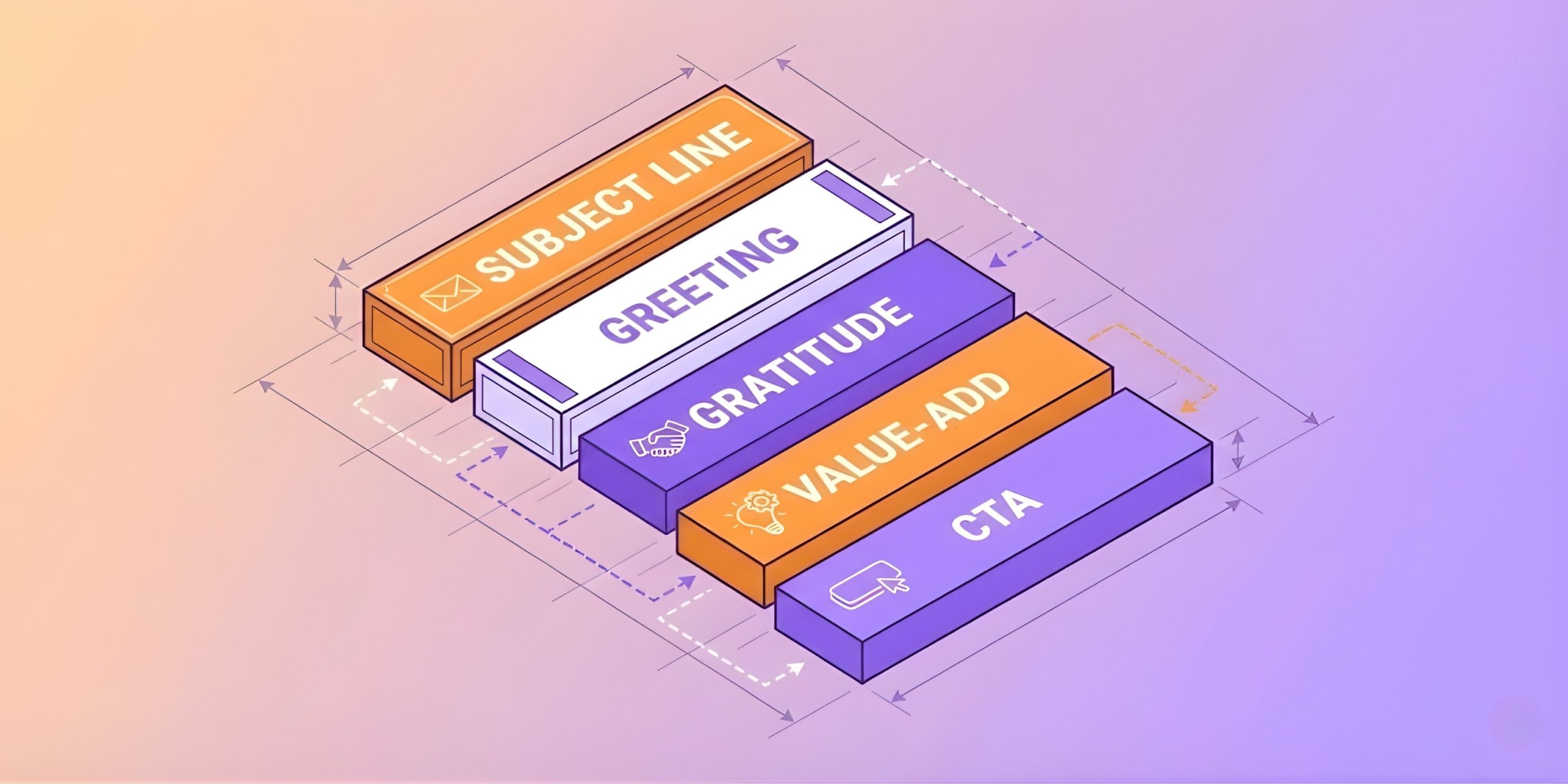
Whether you are writing a formal interview thank you letter or a more casual thanks message after an interview, the structure should follow these five pillars:
- Clear Subject Line: Keep it simple and clear so it is easy to spot, such as Thank you for the interview and your name.
- Professional Greeting: Open the message by using the interviewer’s name to keep it personal.
- The Gratitude: Begin with a genuine thank you for the interview and the time they spent speaking with you.
- The Value Add: Mention one specific challenge or topic from the conversation and briefly explain how your skills can help.
- The Call to Action: Close by sharing your interest in the next steps and letting them know you are happy to answer any follow up questions.
Examples of Thank-You-for-the-Job Emails
It helps to have an example in front of you when learning how to write a thank you letter after an interview. The samples below can be adjusted to match your own style.
Option 1: The Classic Professional Template
This interview thank you email template is perfect for corporate roles or traditional industries.
Subject: Thank you - [Your Name] - [Job Title] Candidate
Dear [Interviewer Name],
Thank you for taking the time to speak with me today about the [Job Title] position. I truly enjoyed learning more about the team's goals for the upcoming quarter.
Our discussion regarding [Specific Project] was particularly interesting. Given my background in [Your Skill], I am confident I could help the team achieve [Desired Result]. Please find an example of a thank you letter after an interview structure I've used previously to help guide my own team’s communication strategy, which we discussed briefly.
I look forward to hearing from you regarding the next steps.
Best regards,
[Your Name]
Option 2: The Short & Punchy Version
If you're applying to a startup, use this thank you letter sample style.
Hi [Interviewer Name],
Thanks again for the great conversation earlier today! I loved hearing about how [Company Name] is disrupting the [Industry] space.
I am really excited about the possibility of bringing my experience in [Skill] to the team to help you scale [Specific Goal]. If you need any further references or portfolio samples then just let me know.
Cheers,
[Your Name]
Option 3: The "Handwritten" Digital Note
Sometimes, knowing how to write a thank you card after an interview (or an email that feels like one) can make a huge impact. This version focuses heavily on the personal connection.
Dear [Interviewer Name],
I wanted to send a quick thank you note after interview examples like ours often lead to great collaborations. I especially appreciated our chat about [Topic] as it is rare to find someone who shares that perspective.
I am very interested in this role and believe my values align perfectly with [Company Name]. Thank you for your time and consideration.
Sincerely,
[Your Name]
Tone Match Challenge
Common Mistakes to Avoid
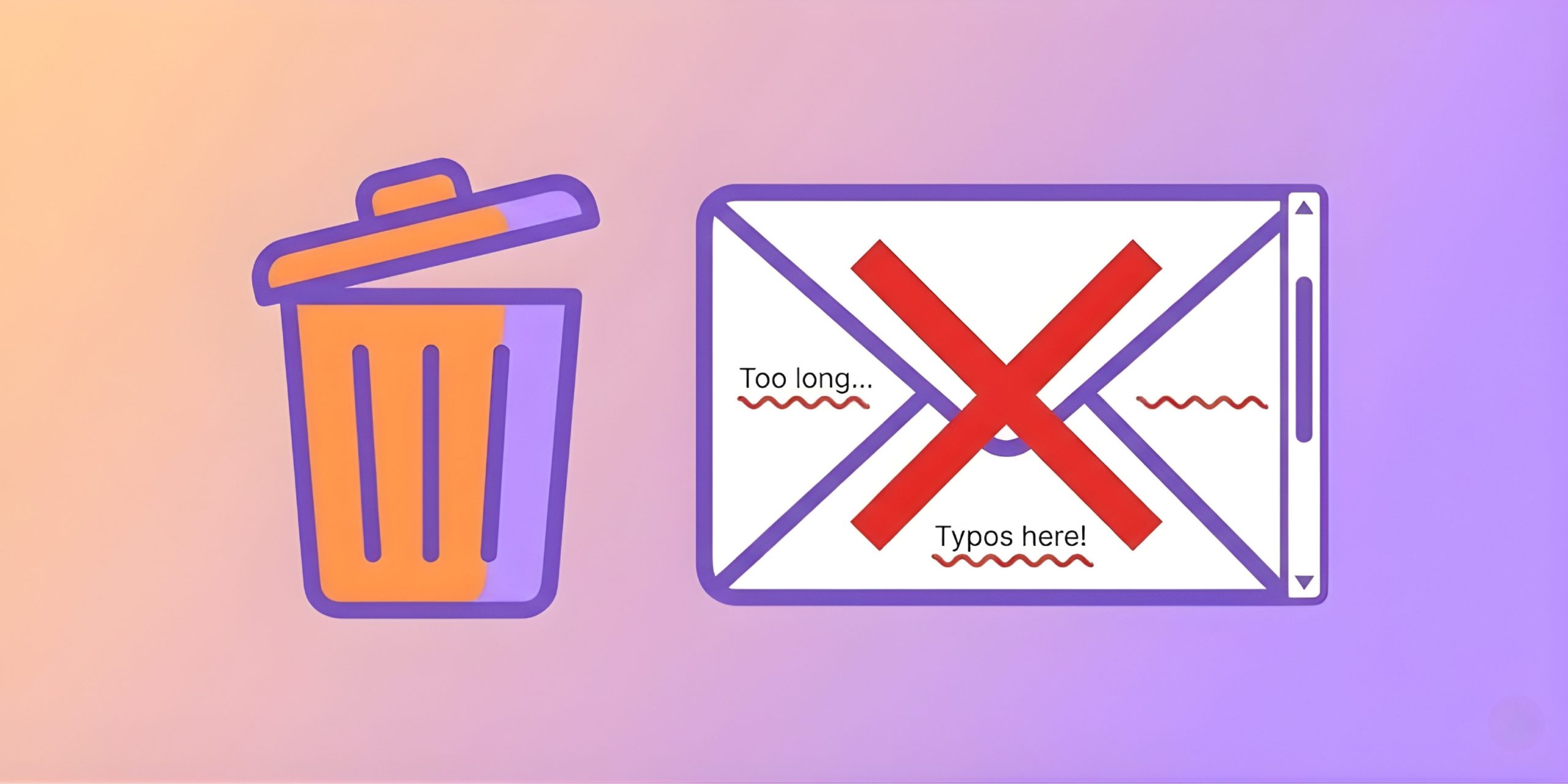
Even with the best interview thank you letter examples, small errors can be costly. Avoid these pitfalls:
- The "Mass CC": Never send one email to three different interviewers. Send individual, unique interview thank you letters to each person you spoke with.
- The Novel: Keep it under 200 words. Recruiters are busy; they want to see your appreciation, not a second cover letter.
- The Over-Persistence: Send your note, then wait. Following up too many times can transition from "enthusiastic" to "annoying." If you don't hear back, you might eventually need an email for feedback after the interview rather than another thank-you.
Thank You Email Minefield
How Recruiters View Thank-You Emails
From a recruiter’s perspective, the post interview thank you email is a test of your follow-through. It shows that you understand professional etiquette and can manage business relationships. In high-stakes client-facing roles, if you don't follow up after an interview, the hiring team assumes you won't follow up with their clients either.
Hiring managers are actually looking for "cultural fit" and "soft skills" in these messages. They want to see that you are pleasant to work with and that you truly want this job, not just any job.
Recruiter Lens Switch
Conclusion
Writing a thank you letter interview note is one of the highest-ROI activities in your job search. It takes ten minutes of your time, but it can be the deciding factor in a six-figure hiring decision. By following a solid interview thank you email template and personalizing it with genuine insights, you leave the interviewer with a lasting impression of professionalism and competence.
FAQs