
TL;DR
- Employers care more about how you work than where you studied.
- Skills matter more than titles for a job now.
- Hiring teams focus on real actions, not perfect resumes.
- Strong professional qualities help you stand out fast.
- The top 5 skills employers look for show how ready you are for work.
Hiring today can feel unclear. You send applications, update your resume and wait without hearing back. Many candidates put all their focus on degrees or long job histories and overlook what really drives decisions. Employers review applications quickly now. They want clear signs that you can handle the work and work well with others. This is why the top 5 skills employers look for often decide who gets a response and who does not.
This blog breaks down what hiring teams really want. You will learn the exact skills and qualities for a job that employers value today and how to show them clearly so you can take the next step with confidence.
Why Skills Matter More Than Ever
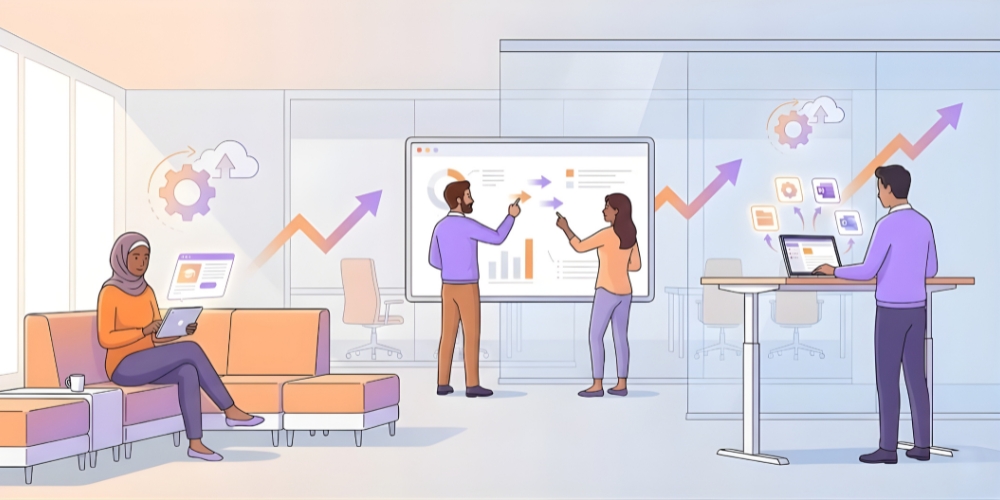
Jobs are ever-changing and according to the World Economic Forum, nearly 44% of workers will need new skills by 2028 due to workplace changes.
Because of this shift, employers focus less on static credentials and more on adaptable workplace strengths. A strong workplace skills plan shows that a candidate can grow, learn and keep up.
Skills also give employers better hiring signals. Degrees show effort. Skills show action. That is why many companies now use practical tests and employee skills assessment methods to reduce bias and find real ability.
For job seekers, this is good news. You do not need a perfect background. You need the right mix of skills, practice and proof that you can apply what you know.
What Employers Really Mean by “Skills”
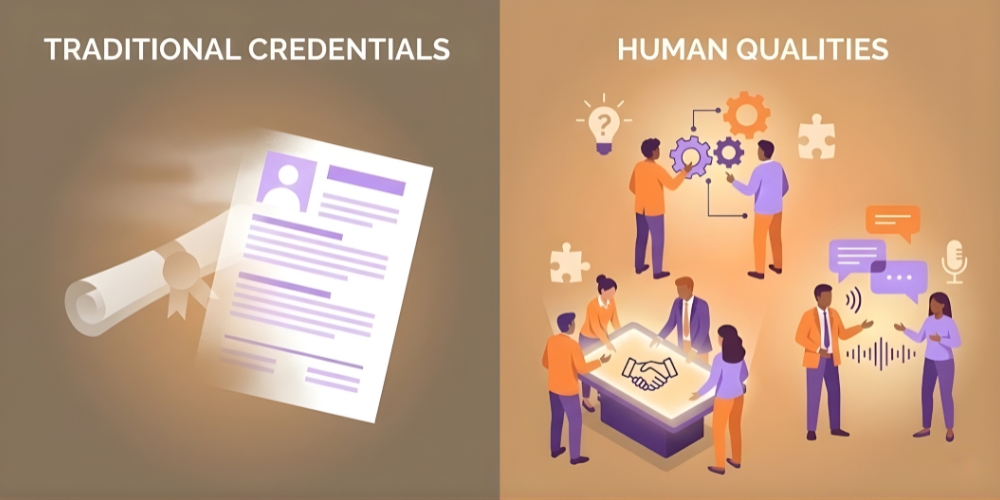
When employers talk about skills, they do not mean long lists copied from job boards. They mean behavior. They mean how you solve problems, speak with others and handle pressure.
These skills include both technical abilities and human traits. Together, they form the qualities of a good worker. Employers want people who show responsibility, curiosity and consistency. These are the traits employers look for even before experience.
Hiring managers also care about balance. Hard skills help you start a task. Soft skills help you finish it well. That is why skills and qualities for a job always work together.
If you are wondering what do employers look for, the answer is simple. They want people who can do the job today and grow into tomorrow. This is also what employers want from their employees at every level.
Skill Decoder Challenge
Click each card to reveal what the skill phrase really means in day to day work.
The Top 5 Skills Employers Look For
Below are the top 5 employability skills that show up across roles and industries:
1. Communication Skills
Clear communication builds trust. Employers want people who can explain ideas, listen well and ask the right questions. This skill affects teamwork, leadership and customer experience.
Strong communication is also one of the most important skills for job application success because it shows up in resumes, interviews and daily work.
2. Problem-Solving Ability
Work is full of small problems. Employers want people who notice issues and act. This does not mean having all the answers. It means trying, learning and improving.
Problem-solving is one of the 5 employability skills that prove you can think independently. It also signals strong decision-making under pressure.
3. Teamwork and Collaboration
No one works alone anymore. Employers value people who respect others and contribute to shared goals. This is a core part of professional qualities in modern teams.
Team skills also show emotional awareness. That is why hiring managers see collaboration as one of the most important skills to have for a job today.
4. Adaptability and Willingness to Learn
Change is constant and employers look for people who adjust without panic. This skill shows curiosity and resilience.
Adaptability is also one of the most underrated special skills for resume sections when explained with real examples.
5. Work Ethic and Accountability
Showing up matters. Meeting deadlines matters. Taking responsibility matters. Employers trust people who follow through.
This skill reflects strong skills to add to job application because it proves reliability. It also connects directly to long-term growth and leadership.
Together, these form the top 5 skills employers look for when choosing between similar candidates. To show these skills clearly, candidates should practice interviews, seek feedback and actively improve interview skills through mock sessions and reflection.
One Day at Work Simulator
Make 5 quick choices. See your workday ending.
How Employers Evaluate These Skills
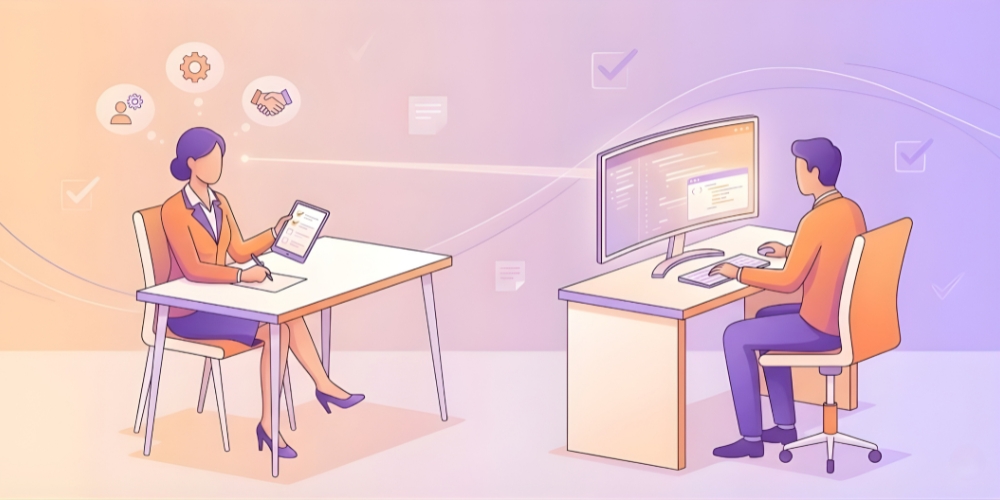
Employers use more than one step to understand how skills appear in real work. Interviews often include questions about past situations and what the person actually did. Listening to these stories helps teams notice how someone communicates, solves problems and takes responsibility.
Many companies also use short tasks or simulations. These exercises reveal how candidates think and work under time limits.
Some teams keep interviews simple by using a basic score sheet. Everyone is asked the same questions and answers are noted in real time. This makes it easier to look at skills across teams without leaning too much on personal opinions or first impressions.
Behind the Interview Door
Flip the view. Same moment. Totally different judgment.
Common Mistakes Candidates Make
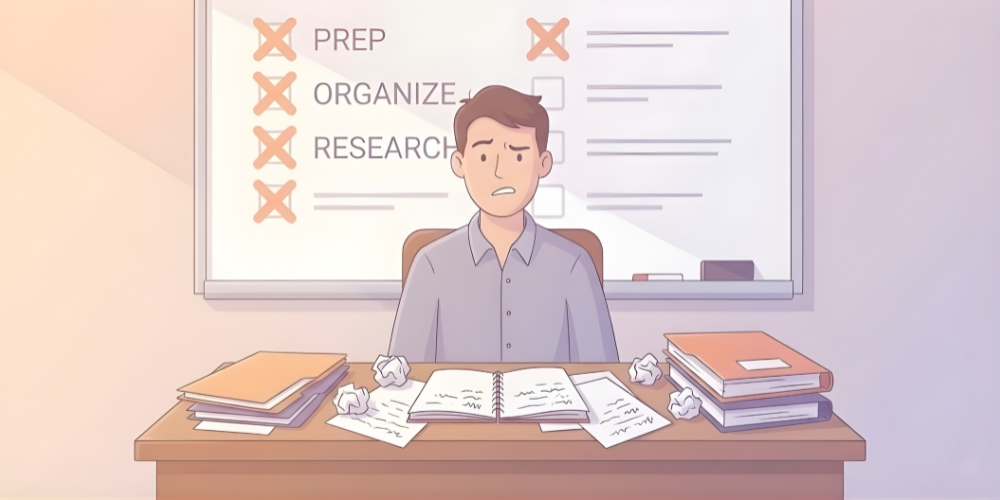
Many candidates list skills but never show where they used them. Saying you work well with others does not say much unless there is a real situation behind it. Hiring teams listen for details that explain what you did and how it turned out.
Another issue is putting all the attention on technical ability. Daily work also depends on how people communicate, handle pressure and work with others. Strong resumes are often passed over when this side is missing.
Many people also do not prepare enough. Answers come out short or rushed and stories feel unclear. When that happens, it is harder for interviewers to trust what they hear. Taking time to think through real moments before the interview makes a big difference.
Using copied phrases is another problem, as hiring teams notice repeated wording quickly. Personal experiences make skills seem more credible and easier to believe.
Spot the Red Flag Game
Tap the line that would make a recruiter pause.
Fix it
How AI Helps Employers Identify Skills Fairly
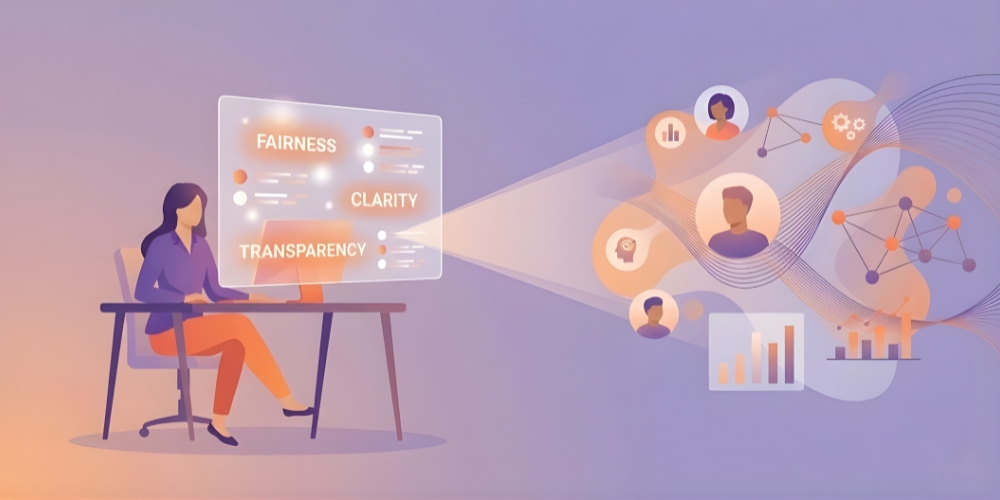
Hiring decisions do not happen the same way anymore because many employers now rely on tools that pay attention to what a person can do, not where they came from. These systems look at answers, task results, and work patterns without seeing names or schools.
Some platforms include AI-assisted cognitive testing to see how people reason, stay focused and learn new things.
When people still review the results, these tools help keep the focus on skills and potential. This makes the process feel more balanced for candidates from different backgrounds.
Human vs AI Judgment Test
Pick who you would hire. Then see how the AI scored it and why.
- Brand names and titles
- Polished wording
- Confidence without proof
- Clear examples of skills
- Actions, not labels
- Proof and outcomes
Conclusion
Job titles do not carry the same weight they once did. What matters more now is how someone communicates, adjusts to change and follows through on their work. This shift is why the top 5 skills employers look for match how work actually happens day to day, not what sounds good on paper.
People stand out when they talk about real situations, spend time practicing, and keep learning as they go. Skills build slowly through effort. Showing them clearly and honestly makes the next step feel more within reach.
FAQs
Are soft skills more important than hard skills?
How do employers test skills during interviews?
Can AI assess skills accurately?