

TL;DR
- Understanding Job Requisition vs Posting helps teams fix approval delays and hirings.
- A job requisition is an internal approval request, not a job post.
- AI speeds up requisition tracking and approval flows.
- Talent and hiring data now connect directly to requisitions.
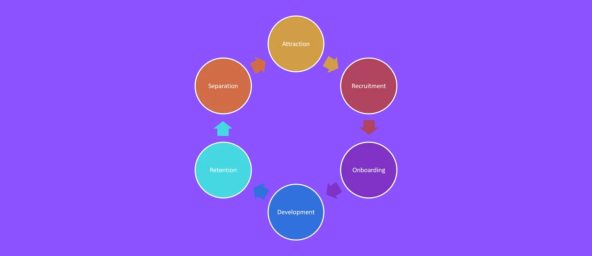
- The 360 recruiting cycle links requisition, screening, interviews, and onboarding.
Quite a number of hiring teams rush into job posting before they lock down the internal need completely. This results in rushed approvals, mismatched roles, duplicate and delayed hirings. Recruiters find themselves posting for roles that were not given approvals, while managers wait for the headcount sign-off that does not arrive on time.
This creates friction between HR, finance, and leadership. These issues often surface later during verification steps, too, especially when early planning is weak, as seen in many cases involving how background checks affect hiring accuracy. This is where understanding job requisition vs posting for AI hiring changes everything.
The Difference Between a Job Position and a Job Requisition
To truly understand job requisition vs posting, teams must first know the difference between a job position and a job requisition.
Many people ask:
- What is a requisition in recruiting
- What is a job requisition
- What is the difference between a position and a requisition
Here is the simplest breakdown:
A job position is the actual role that exists inside the company. For example, a Software Engineer, a Marketing Manager, or a Sales Lead.
A job requisition is the formal internal request to open that position for hiring. It includes:
- Budget approval
- Role level
- Department
- Reporting manager
- Hiring timeline
- Contract type
In simple terms:
- Position = the role itself
- Requisition = permission to hire for that role
A job post only happens after a requisition is approved.
A SHRM workforce planning report shows that delayed requisition approvals add an average of 17 to 24 days to time-to-hire in mid-size companies. This delay is exactly why understanding job requisition vs posting for AI hiring is critical for modern teams.
How AI Improves Requisition Management
Once teams understand job requisition vs posting, AI becomes the tool that removes the friction.
Before AI, requisitions were managed with:
- Email chains
- Spreadsheet approvals
- Manual signature requests
- Forgotten follow-ups
AI can now manage:
- Automated approvals
- Tracking headcount
- Checking role duplication
- Verifying budget
- Status of real-time approval
AI now enables businesses in the following ways:
1. Faster Approvals
AI routes the requisition instantly to:
- Hiring manager
- Finance
- Leadership
No one waits for email reminders.
2. Budget Validation
AI checks:
- Pay bands
- Department budget
- Contract limits
- Hiring caps
This avoids rejected offers later.
3. Duplicate Role Protection
AI sent alerts when:
- The same role already exists
- Similar requisitions are open
- Departments overlap hiring needs
4. Hiring Forecast Control
AI keeps a track of:
- Headcount monthly planning
- Freezes hiring
- Ramp schedules
Emails and spreadsheets were used to manage requisitions before AI. But today, through AI automation approvals, tracking of headcount, and budget verification is managed. This becomes even more important in growing organizations where hiring overlaps with common workforce planning challenges.
According to McKinsey, automation in Human Resources functions can offer greater efficiency and significant cost savings, with faster turnaround times likely to improve job offer acceptance rates. This is why understanding job requisition vs posting for AI hiring is no longer optional in scale hiring.
How Talent Assessment Platforms Support Requisitions
Once requisitions are approved, they must connect directly with talent assessment platforms, so screening does not begin blindly. This alignment ensures that the role approved internally is matched with real skill benchmarks externally. Many teams refine this approach using structured frameworks similar to how employee skills are measured across roles.
These platforms attach:
- Job skill benchmarks
- Role-specific screening logic
- Expected performance traits
- Soft skill profiles
This means when the requisition opens:
- Assessments are ready instantly
- Recruiters do not guess skill needs
- Screening rules stay aligned with internal approvals
This connection ensures:
- No mismatch between approved role and tested skills
- No wasted interview rounds
- No threat of assessment misalignment
Role of the 360 Recruiting Cycle
The requisition does not stand alone. It sits at the very top of the recruiting cycle 360, which includes:
- Requisition approval
- Job posting
- Resume screening
- Assessments
- Interviews
- Offer processing
- Onboarding
If step one breaks, every step after becomes unstable.
When teams ignore Understanding Job Requisition vs Posting for AI Hiring:
- Job posts without approval
- Requisitions are frozen with active candidates
- Interview rounds canceled at the last minute
- Headcount conflicts arise across various departments
Requisitions are managed smoothly by:
- Postings open immediately after approval
- Assessments align with job expectations
- Structured Interviews
- Budget stays safe
- No delay in offer approvals
Understanding job requisition vs posting for AI hiring protects the entire hiring flow, not just job ads.
Why Recruiters Confuse Posting With Requisition
The confusion exists because:
- Candidates only see job posts
- The requisition stays hidden inside HR systems
- Recruiters often handle both steps
But their purpose is very different:
| Step | Audience | Purpose |
| Requisition | Internal teams | Approval to hire |
| Posting | Public candidates | Attract applicants |
When this difference is ignored:
- Recruiters push roles without finance approval
- Leadership loses visibility
- Hiring pauses mid-interview
- Offer letters get blocked
How AI Connects Requisition, Posting, and Screening
AI now connects:
- Requisition approval
- Job posting creation
- ATS role setup
- Assessment activation
- Automatically.
Once a requisition is approved:
- The job post goes live
- Screening rules activate
- Assessment links generate
- Recruiters receive task alerts
Requisition management is removed by AI in these ways:
- Manual setup mistakes
- Duplicated job posts
- Wrong assessment links
- Delayed outreach
For teams that are growing, this type of automation protects speed without losing control.
Legal and Financial Risks of Skipping Requisitions
Skipping proper requisition control can cause:
- Unapproved salary offers
- Headcount overages
- Compliance gaps
- Audit failures
- Payroll budget overruns
The US Department of Labor notes that unauthorized hiring often leads to payroll out-of-budget risks that cost companies millions annually.
This is why enterprise HR teams depend on understanding job requisition vs posting for AI hiring for financial and legal safety.
Conclusion
Understanding Job Requisition vs Posting for AI Hiring brings clarity to hiring that most teams desperately need. A requisition controls internal approval, whereas a job posting attracts candidates. When these two are separated and supported by AI, hiring becomes faster, safer, and accurate.
AI strengthens requisitions by speeding up the process of approvals, protecting budgets, preventing duplicate roles, and syncing assessments with real job needs. When connected to the 360-recruiting cycle, requisitions become the backbone of predictable hiring. Teams that master this difference stop guessing and start building hiring systems that scale without chaos.
FAQs