


TL;DR
- What is a brand evangelist and why do they matter in modern marketing?
- Key differences between a brand evangelist vs. a brand ambassador.
- What a brand evangelist actually does day to day.
- Why loyal customers who evangelize meaning in business bring real value.
- Simple examples to help you spot brand evangelists in your audience.
Every business wants customers who buy once. But the real growth often comes from people who talk about your brand without being paid to do so. These fans help you grow by sharing what they love with others. That’s the heart of what is a brand evangelist and why companies care so much about it.
In this blog, you’ll learn how brand evangelists work, how they differ from other advocates like brand ambassadors, the kind of value they bring, and how you can encourage more people to become evangelists for your products.
What Is a Brand Evangelist?

A brand evangelist is someone who champions a product or company with passion. They don’t just like a brand. They care about it enough to spread the word to people they know and trust. In marketing, the term often ties back to evangelism in marketing, which is essentially a highly enthusiastic form of word-of-mouth promotion without financial incentive.
This role goes beyond normal customer satisfaction. Brand evangelists talk about your brand because they believe in its value. This aligns with the evangelist definition, where someone actively promotes something they believe in. The term evangelize originally comes from “bringing good news” which fits well here because brand evangelists share positive experiences that feel personal and trusted compared with ads.
Spot the Brand Evangelist (Quick Quiz)
Pick the scenario that feels like real, unpaid advocacy. You’ll get the answer instantly.
Tip: A brand evangelist sounds like a real person, not a sales script.
Brand Evangelist vs. Brand Ambassador

At first glance, a brand evangelist and a brand ambassador might seem the same. Both talk about the brand and help expand awareness but the difference is essential.
A brand ambassador is often part of a structured program or partnership. They might receive perks like free products or compensation for their work. The role can be formal or even part of paid marketing efforts.
A brand evangelist does not need a formal relationship with the company. They talk about what they love because they choose to. Their advocacy comes from genuine enthusiasm rather than a business arrangement. If you angle your strategy toward genuine love and trust then you encourage evangelism not just sponsorship.
Brand Evangelist vs Brand Ambassador
Flip the switch to compare both roles side by side. No long paragraphs, just the key differences.
They share because they truly believe in the brand.
No formal deal needed. It is voluntary and natural.
Sounds like a real story with real details.
Personal wins, honest advice, and helpful tips.
High trust because it feels unpaid and unscripted.
Community growth, referrals, and long-term loyalty.
Tip. If it sounds like a script, it is probably an ambassador message. If it sounds like a friend helping you, that is evangelism.
What Does a Brand Evangelist Do?

Brand evangelists fill several roles that are valuable for growth:
- Word-of-mouth promotion: They share their experiences, stories and recommendations with friends, family, and even strangers online. Because 88% of consumers trust personal recommendations more than any other form of advertising, this organic advocacy can be powerful.
- Boosting credibility: When someone talks positively about a brand, listeners often take that more seriously than a paid ad.
- Recruiting new customers: Loyal evangelists help introduce the brand to new people, turning interest into action with real human influence.
- Feedback and insights: Evangelists often share honest feedback. Their passion means they want brands to succeed and improve, offering insights from a place of loyalty.
Sometimes, evangelists emerge from customer communities or forums. Other times, they are employees who love their company. Regardless of where they come from, their core job is the same and that is to share real experiences that others trust.
What Does a Brand Evangelist Do? Choose the Action
Click what you would do. You’ll see how each choice connects to real brand evangelist behavior.
A friend asks, “Should I try the product you keep talking about?”
Why Brand Evangelists Matter

Brand evangelists matter because people listen to people. Ads can create awareness but trust is built through real conversations. When someone openly talks about a product they love, it carries more weight than any paid message. That is the real power behind the evangelism business.
Companies spend a lot to get new customers. Loyal customers bring others for free. People trust friends more than ads, so these referrals work better.
Another reason brand evangelists matter is consistency. Campaigns start and end but genuine advocacy keeps going. As long as the experience stays positive, evangelists continue sharing stories, reviews and recommendations without being prompted.
Why Brand Evangelists Matter: The Trust Ladder
Open each step to see how trust grows. The higher you go, the more believable the message feels.
This is the brand speaking about itself. It can be helpful, but people know it has a goal.
A customer shares what happened. This feels more real because it comes from experience.
Now it is personal. A friend knows your needs and is not trying to sell you anything.
This is repeated, consistent advocacy over time. People trust it because it is steady, not a one-off post.
Tip. Trust grows when the message feels personal and unpaid.
Brand Evangelists in Employer Branding

Brand evangelists play a major role in how companies are perceived as employers. Employer branding is no longer shaped only by career pages or job ads. It is shaped by what employees and former employees say publicly.
When employees speak positively about their workplace, culture and leadership, it builds credibility that no recruitment campaign can fake. This is where evangelism in marketing overlaps with hiring. A strong employer brand often grows from employees who feel proud enough to speak up.
Companies that understand the chief evangelist meaning often empower leaders and team members to represent the company values openly. This does not require scripted messages. It works best when employees are trusted to share their real experiences.
Strong employer evangelism helps attract better candidates, shortens hiring cycles and builds trust even before the first interview.
Brand Evangelists in Employer Branding: Would You Apply?
Open both snapshots. Then pick which one makes you want to apply. You’ll see what evangelism looks like in employer branding.
A
The polished pitch
Click to open
The polished pitch
We offer a fast-paced environment with a dynamic culture and exciting opportunities for growth.
We are passionate about excellence, collaboration, and delivering results across teams.
B
The employee reality
Click to open
The employee reality
On Monday, my manager asked what I wanted to learn next, then helped me block time for it.
When a project went wrong, we owned it, fixed it, and shared what we learned with the team.
Which one would make you apply?
Tip. Employee stories beat polished claims because people can picture real work life.
How to Build Brand Evangelists (Step-by-Step)
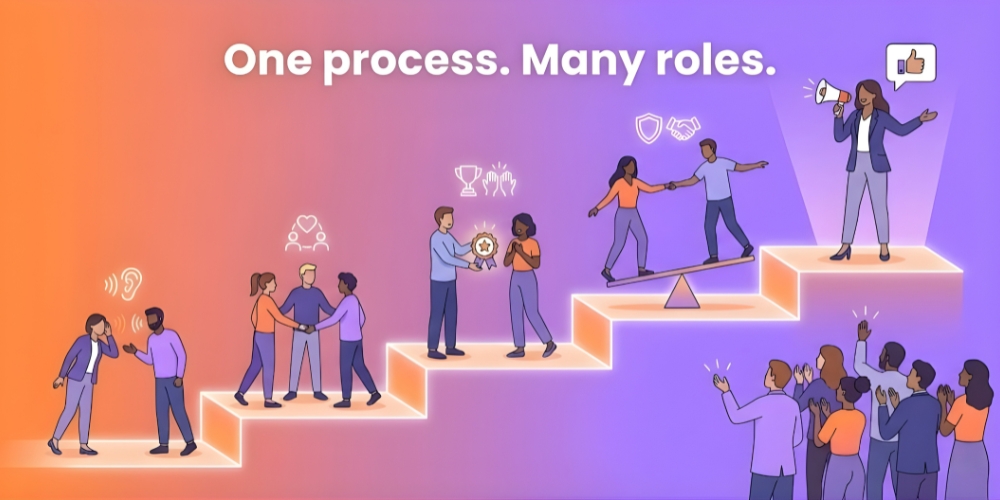
You cannot force evangelism, but you can create the conditions where it grows naturally.
Deliver a strong experience
Everything starts with the product, service, or workplace itself. If expectations are not met, advocacy will never happen.
Listen and respond
Engage with feedback, questions, and criticism. When people feel heard, they feel valued. That emotional connection is often what turns customers into advocates.
Build community
Communities give people a place to belong. This is where product evangelist behavior often emerges. Forums, events and private groups help people share experiences and learn from each other.
Recognize advocates
You do not have to give rewards every time. Sometimes just saying thanks, calling someone out publicly, or letting them try something early is enough. It keeps things real and not salesy.
Empower employees
Employees understand the brand better than anyone else. Give them space to share real experiences instead of scripted lines. Honest stories help people trust the brand and also shape how others see the company as a place to work.
Common Mistakes Companies Make
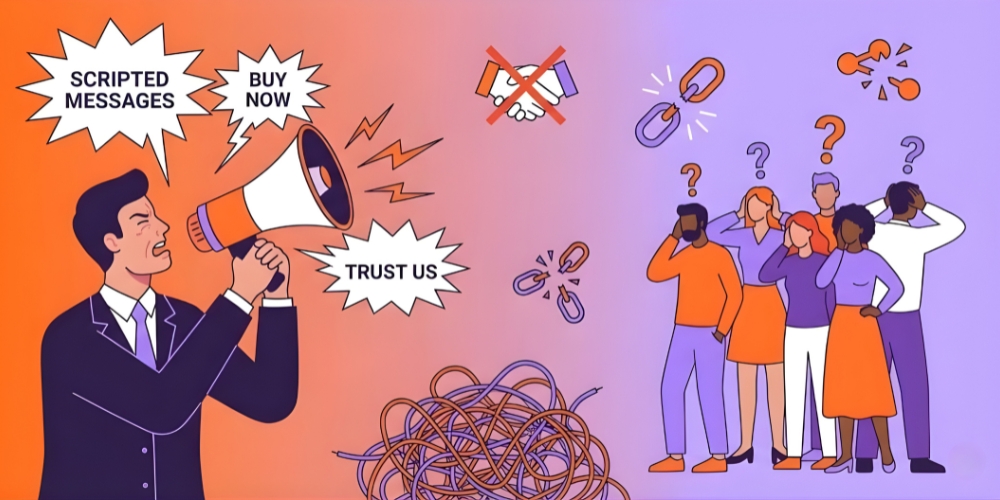
One common mistake is trying to control the message too tightly. Evangelism only works when it feels authentic, and over-scripting kills trust.
Another mistake companies make is treating evangelists like influencers. Paying for visibility does not create real belief. When people notice that someone is promoting a brand without genuine excitement, trust fades, and the message loses its impact.
Some companies put all their energy into marketing and overlook what is happening inside the organization. If the workplace environment is weak, employees will not speak positively about the brand. Many brands also forget to stay connected with existing advocates. Evangelists grow through regular interaction, not from a single moment of attention.
Conclusion
Brand evangelists are not created by campaigns. They are built through trust, consistency and real experiences. Whether they are customers or employees, their voices shape how brands grow and how they are remembered.
If you want stronger loyalty, better hiring outcomes and long-term growth, investing in real advocacy is a smart next step.
FAQs
Quick answers to common questions about brand evangelists.
1
Is a brand evangelist the same as an influencer?
Is a brand evangelist the same as an influencer?
No. Influencers usually have paid relationships with brands. A brand evangelist talks about a brand because they genuinely believe in it, not because of compensation.
2
Can employees be brand evangelists?
Can employees be brand evangelists?
Yes. Employees are often strong evangelists because they experience the brand from the inside. When they feel trusted and supported, they naturally share positive stories.
3
How does employer branding benefit from evangelists?
How does employer branding benefit from evangelists?
Evangelists humanize the employer brand. Their stories build trust, attract better candidates, and help job seekers understand what working at a company is really like.