

TL;DR
- A one way screening interview lets candidates record answers on their own time.
- Helps recruiters save time, compare responses, and shortlist faster.
- Works for high-volume roles, remote hiring, and early-stage screening.
- Supported by structured screening interview questions for fairness.
- AI tools speed up reviews and reduce manual recruitment screening.
Hiring teams feel the pressure when applications pile up. Calls take too long. Scheduling drags. And early interviews often reveal what could have been spotted much earlier. This is where one way screening becomes the moment that saves everyone time without lowering quality.
The quick fix is simple. A structured digital process that lets candidates record short responses and helps teams review them side by side. In this blog, you’ll learn how this method works, why companies are using it, and how it improves the hiring flow from start to finish.
What Is a One-Way Screening Interview?
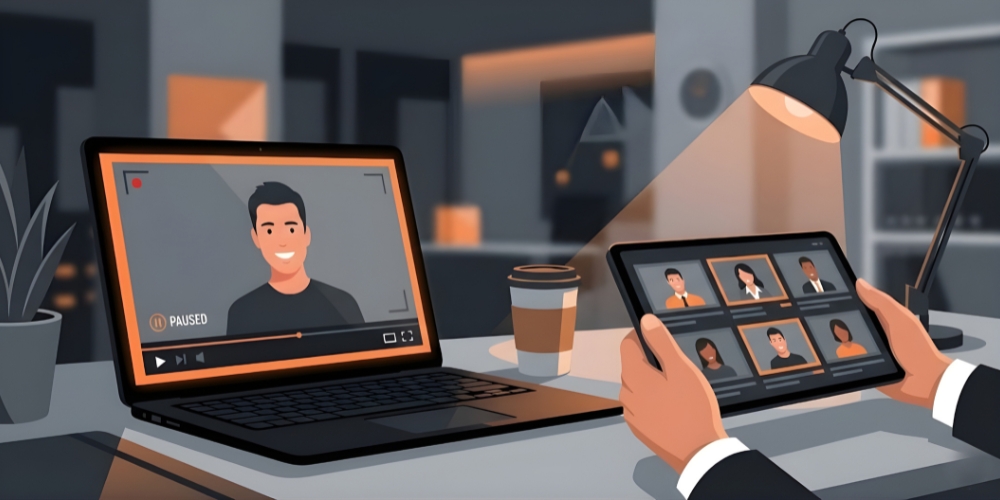
A one way screening interview is a hiring step where candidates record answers to preset questions using a laptop or phone. Recruiters call it a one way video interview, a wedge interview, or a pre-recorded video interview, depending on the platform used. It is not a live call. Instead, candidates respond when ready, and the recruiter reviews the video interview recording later.
This method sits between an application and a live discussion. It filters applicants faster than manual recruitment screening, which can eat up hours. Digital options are growing quickly. A 2025 report shows that 82% of companies use virtual interviews and 93% plan to keep using them as part of their hiring process, which includes formats like on-demand interview and automated video interview for early screening stages.
Compared to a two people interview, a recorded approach lets every candidate answer the same questions, the same way, with no scheduling issues. It also works alongside other formats. While some companies still prefer in-person sessions, onsite interviews have shifted due to remote work. In many cases, recruiters now combine recorded steps with a final face-to-face round.
Is this a one-way screening interview
Scenario A: A candidate receives a link, records answers on their own time and the recruiter reviews the videos later.
Scenario B: A candidate joins a live video call with two interviewers and answers questions in real time.
Scenario C: A candidate visits the office and meets the hiring manager face to face for a structured interview.
How a One-Way Interview Works
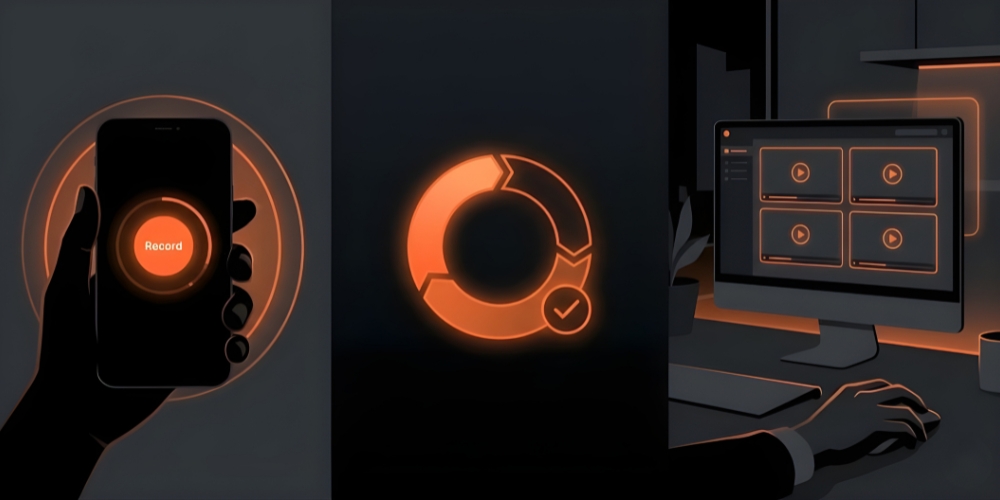
A recorded interview follows a simple pattern:
- The recruiter picks a set of questions.
- Candidates receive a link.
- They upload answers using their webcam or phone.
- Recruiters review responses when convenient.
- A shortlist is selected for the next step.
Most platforms let companies choose whether to allow retries or set a strict timer. Teams that want a uniform process usually turn off retakes. Others prefer a softer approach and give candidates one chance to try again. This setup replaces long early-stage calls that fill up calendars and slow everything down.
One-way formats are sometimes confused with live calls, but they are different from what is an onsite interview or live virtual calls. They give flexibility with no scheduling pressure. They also help companies build structured hiring steps since the format is the same for all applicants.
Digital adoption has grown because teams need speed. A survey of 506 employers found that 47% of employers say video interviews speed up the recruitment process, and 22% say they help reach distant candidates more easily.
One-way steps work exceptionally well when companies receive many applicants, when teams hire across time zones, or when they want more explicit comparisons during the first filter.
Arrange the steps of a one way screening
Drag the cards into the right order, then hit Check order.
- 1 Recruiter sets questions
- 2 Next steps decided
- 3 Candidate receives link
- 4 Team reviews responses
- 5 Candidate records answers
Benefits of One-Way Interviews
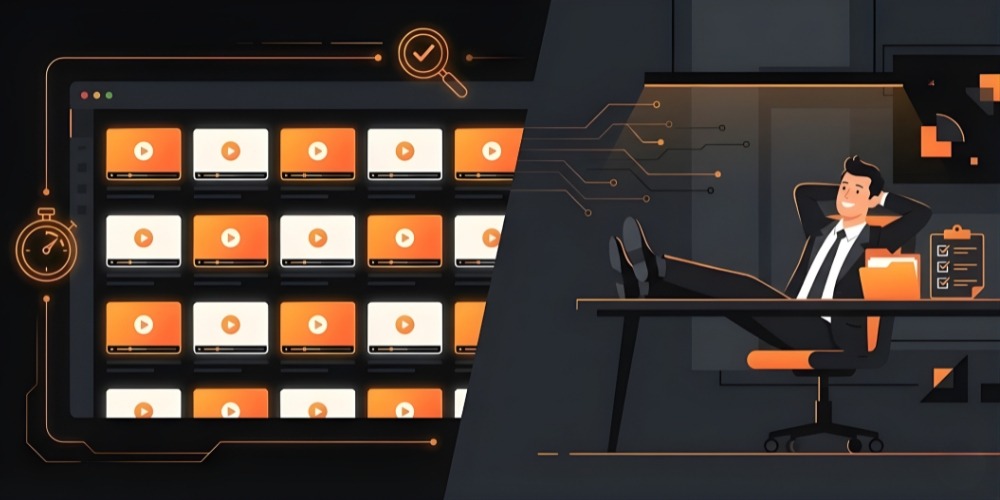
One-way interviews support both recruiters and candidates. Below are the key advantages.
Saves time
Hiring teams can review more applicants in less time. Instead of ten separate calls, they can watch ten recordings quickly and make decisions sooner.
Improves fairness
A structured, pre-recorded video interview provides every applicant with identical conditions. This removes minor influences such as mood, time of day, or scheduling delays. It also adds consistency, which is harder to maintain in live conversations.
Supports remote hiring
Many companies recruit globally. A recorded step makes it easier for applicants in different time zones to participate. This complements digital formats, such as digital interviews, which are now a standard part of modern hiring methods.
Better comparison between candidates
With recordings, recruiters can go back, review details, and compare responses without relying on memory. This reduces early errors and helps teams move candidates to the right stages.
Stronger signals for role fit
Teams see how someone communicates, explains experience, and reacts under light pressure. This supports other evaluation steps, including AI screening for culture fit, which is becoming more common in large organizations.
Works with different interview models
Once the screening stage is complete, companies may move candidates to live calls, virtual meetings, or on-site stages. Many applicants ask what is an on demand interview, and the answer is simple: a flexible digital step that leads to the following interview. It fits into the hiring funnel without removing traditional formats.
Helps reduce operational load
Instead of busy calendars and repetitive calls, recruiters focus on the quality of applicants. This frees up time for sourcing, engagement, and improving selection practices.
Common Concerns (and How to Address Them)

Even though one way screening is becoming common, recruiters and candidates still raise a few concerns. Here is how teams can practically respond to them.
“It feels too impersonal.”
Some candidates feel that the process is too distant. A pre-recorded video interview can seem cold without a human touch. One simple way to solve this is to add a short welcome clip from the recruiter or hiring manager. A warm greeting helps candidates understand the goal and feel more at ease.
“What if someone struggles with tech?”
Not everyone is comfortable with video tools. You can make this easier by offering a test link, clear steps, and basic device tips. Most platforms work on both phones and laptops, so candidates can use whatever they find more comfortable.
“Will candidates feel judged too quickly?”
Structured screening interview questions help everyone get evaluated on the same criteria. The process becomes more transparent and predictable than a live call, where time may run out, or the flow may vary.
“Is this the same as an automated video interview deciding everything?”
No. People review one-way recordings. AI can support them, but human recruiters still make the final call. It is not the same as full automation.
“What if someone prefers a live discussion?”
Candidates who reach the next round still have a chance to speak in a live or onsite stage. It does not replace traditional formats such as an on-site round.
Best Practices for Recruiters
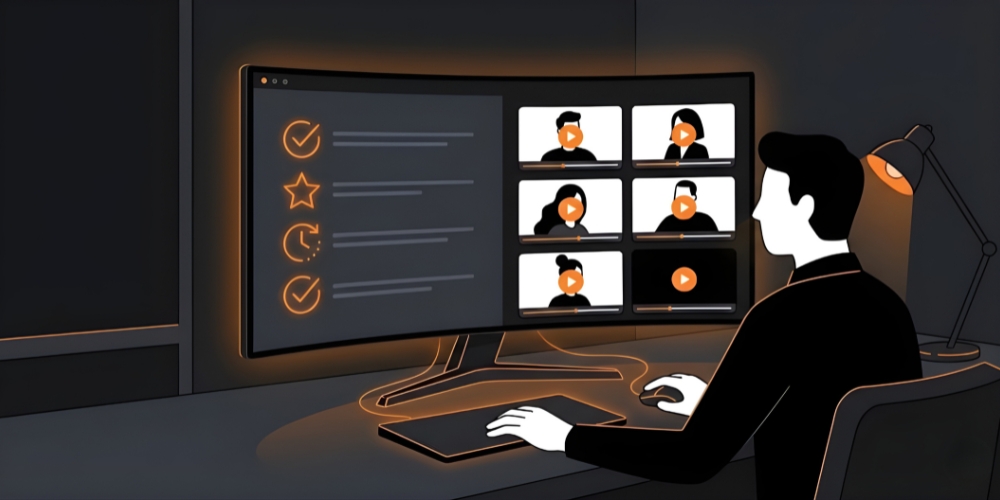
A good one-way interview process stays clear, structured, and respectful. Here is what teams should do to make it work well.
Keep questions short and focused
Five to seven questions are enough for this stage. Early steps only need clarity, communication, and basic skill signals.
Let candidates know what to expect
Explain whether they get retakes, how long each answer should be, and how much preparation time they have before recording. Clear instructions increase completion rates.
Use consistent evaluation criteria
Create a simple scorecard before reviewing any recording. This prevents bias and keeps hiring quality stable. With structured rating, a recorded step becomes easier to compare than a two people interview where conversations differ.
Combine recordings with live follow-ups
Use one-way steps to shortlist. Then invite strong candidates to virtual or in-person stages. Some companies add a final round that matches what is an onsite interview for roles that need face-to-face interaction.
Manage data responsibly
Since recordings are stored digitally, follow privacy standards. Many platforms already comply with global guidelines, but recruiters should still review their settings.
How AI Improves One-Way Interviews
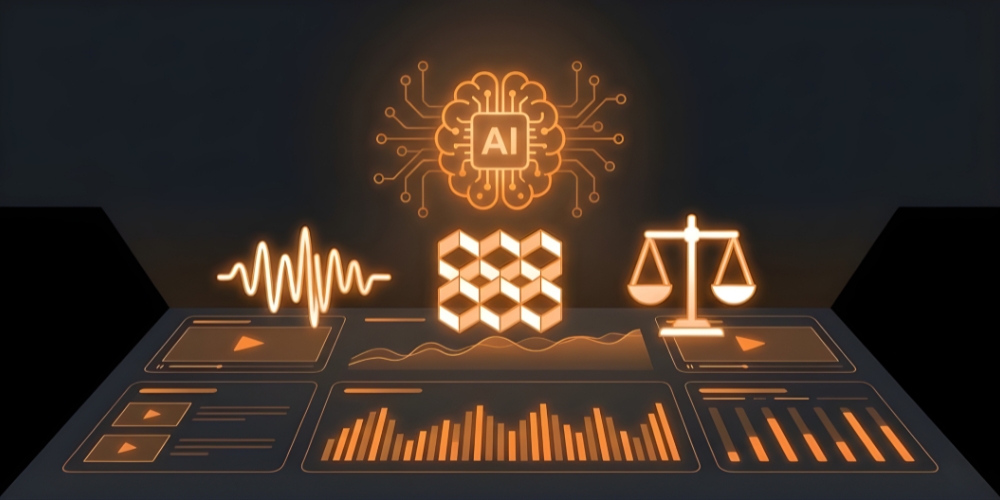
AI is used in one-way interviews to support decisions, not replace them. It helps evaluate clarity, reduces repetitive tasks, and pushes faster shortlisting.
AI tools can highlight communication signals, organization of answers, and whether someone addresses the question directly. They also help identify response patterns that support AI screening for culture fit when used responsibly. These tools speed up early screening and reduce candidate wait times.
Another advantage is bias reduction. AI flags inconsistencies, helps teams compare candidates fairly, and removes the stress of manual recruitment screening.
AI also supports the full experience with automatic transcription, noise filtering, and smoother video interview recording. This helps recruiters focus on the content rather than technical distractions.
AI does not replace a final interview. One-way steps still lead into deeper discussions or role-specific assessments. Some companies continue the process with digital options, such as digital interviews, while others move candidates into in-person rounds.
Conclusion
A one way screening interview gives hiring teams a clean, efficient way to identify the right candidates without slowing down the process. It removes the pressure of early scheduling, offers a fairer structure, and helps teams focus their time on qualified applicants. With simple technology and clear communication, companies can turn early interviews into a smoother, more candidate-friendly process.
FAQs
Most recordings last around five to fifteen minutes, depending on how many questions are included. Preparation is done separately and candidates can finish the task whenever it suits them.
Recruiters use a scorecard to check clarity, communication and job fit. They may also review how well candidates explain past work and how they present information.
AI helps remove inconsistencies, improve comparisons, and highlight patterns that human reviewers may miss. Decisions remain in human control, but AI makes the process more consistent.






hi my name is laiba