

TL;DR
- What is a realistic job preview? It shows the real side of a role.
- It shows what the work really looks like, including the pace and challenges.
- Candidates decide faster and with more confidence.
- Employers see a better fit and fewer early exits.
- Even a simple job preview can change hiring results.
Hiring looks easy on paper. A role opens. A description goes live. Candidates apply. But many hires leave within months because the job felt different from what was expected. Long hours. Tough customers. Slower growth. This gap between promise and reality costs teams time, trust, and money. That is where what is a realistic job preview becomes important.
A realistic job preview fixes this by showing candidates the full picture early. Not just the good parts. Not just the title. It helps people decide if the role fits their life, skills, and goals before day one.
What Is a Realistic Job Preview?

What is a realistic job preview in simple words?
A realistic job preview is an honest look at a job before someone accepts it. It explains daily tasks, work conditions, pressure points, and expectations. It answers the question people rarely ask out loud. What is this job really like?
If you are wondering what is a job preview, think of it as a guided tour. Candidates see the role through real stories, examples, and situations rather than just polished bullet points.
A strong preview may include
- A short day in the life.
- Real challenges the role faces.
- Performance expectations.
- How success is measured.
This approach helps candidates self-select. Some lean in. Others step back. Both outcomes save time.
Job preview example from real hiring teams
A simple job preview example could be a short video where a team member explains a busy week. Another example of a realistic job preview is a written scenario that walks through a tough customer call or a tight deadline.
These are not meant to scare people away. They are intended to build trust early.
Why Realistic Job Previews Matter

Hiring mistakes are expensive. According to the United States Department of Labor, the cost of a bad hire can reach up to 30 percent of an employee’s first-year earnings.
This finding is supported by academic work. A meta analysis showed that the use of realistic job previews was associated with lower voluntary turnover, with an average effect of r equals minus 0.07 based on 15 effect sizes and a sample of 4,924 participants.
When candidates know what to expect:
- Fewer people quit in the first year.
- Managers spend less time managing regret.
- Teams stay more stable.
Clear previews also help keep things fair. Every candidate gets the same view of the role. There are no unwritten rules or last minute surprises.
For teams that are scaling, realistic previews work even better when combined with strong talent assessment tools that look at skills and behavior as well as expectations.
Quick Decision Path Quiz
Answer 3 quick yes or no questions. You will get a short outcome, no scoring.
What a Good Realistic Job Preview Includes
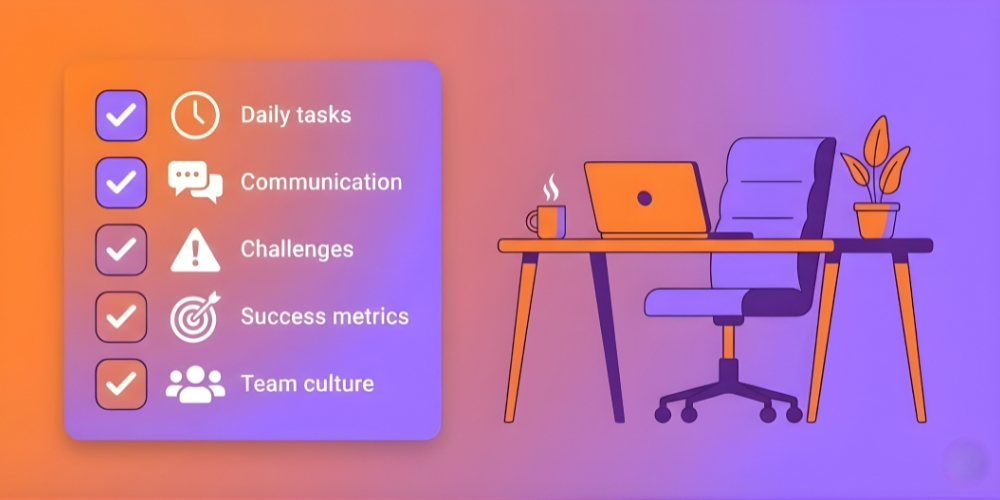
The real daily work
A good preview explains what fills most of the day. Meetings. Calls. Focus time. Admin work. Candidates should know where their energy will go.
The hard parts
Every role comes with pressure. A good preview calls this out early. Fast deadlines. Difficult conversations. Repeating tasks that can feel dull. Being open about these realities helps build trust.
Success and failure signals
Explain how performance is judged. What does good look like after three months? What happens if someone struggles?
Team and environment context
Remote or office. Fast or steady pace. Structured or flexible. This context helps candidates picture themselves in the role.
Realistic job preview example content formats
A realistic job preview example can be
- A short written scenario.
- A recorded team conversation.
- A shadow task.
- A simple checklist of expectations.
These formats work best when aligned with how you create a job description and supported by clear job description resources that stay consistent across hiring steps.
Build Your Own Realistic Job Preview
Click the items you want to include. Your preview builds itself below.
Types of Realistic Job Previews
There is no single format that works for every role. The right approach depends on the job itself, the stage of hiring, and how many candidates are involved.
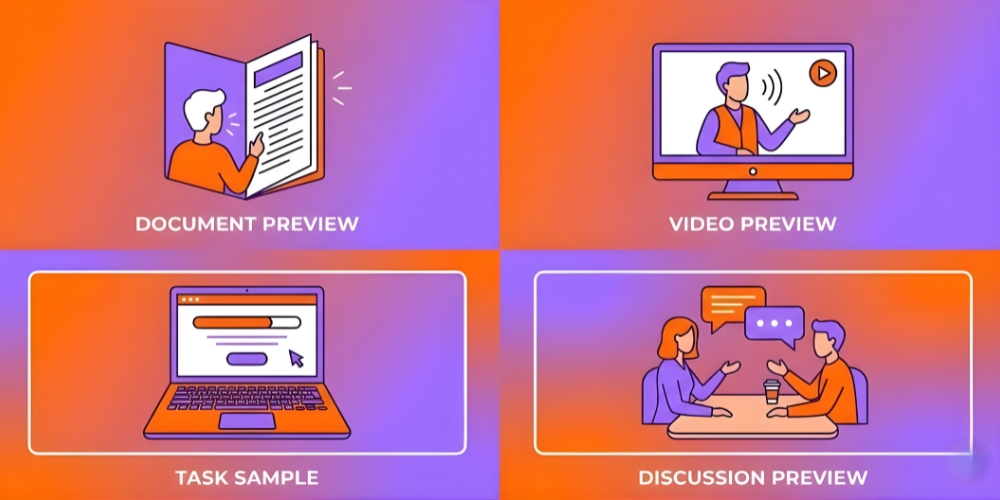
Written previews are useful early on. They describe daily tasks, schedules, and pressure points in clear language. They are easy to revise and simple to send.
Video previews bring a more personal feel. Candidates hear real team members and see the actual work setting. This makes it easier to imagine doing the job.
Task based previews show how the work actually feels. A short exercise or scenario lets candidates try the role before going further.
Live conversations give space for questions and honest discussion. These usually work best later in the process when interest is strong and decisions are near.
Many teams combine more than one format. This keeps previews helpful and clear without overloading candidates.
Format Selector Tool
Pick a format to see when it works best and when it can fail.
Benefits for Employers and Candidates

Realistic previews help both sides make better decisions.
For employers:
- Fewer people leave soon after joining.
- Roles are filled with candidates who fit the work better.
- Trust starts earlier in the relationship.
- Less time is spent reopening the role and hiring again.
For candidates:
- Clear expectations.
- More confidence in saying yes.
- Less stress after joining.
- A stronger sense of control.
Realistic job previews help people feel more prepared and confident before joining a company. When candidates understand what the role truly involves, they are more comfortable with their decision and settle into the job with fewer surprises.
Common Mistakes with RJPs
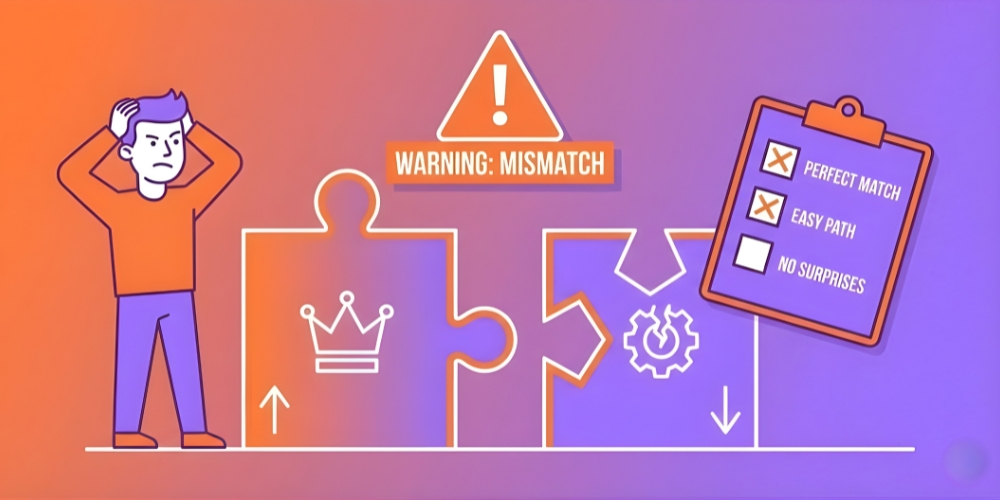
A common mistake is leaving out the difficult parts. When everything sounds smooth and easy, trust fades quickly once the real work begins.
Another problem is timing. If the preview shows up after a candidate has almost decided, it no longer helps.
Using the same preview for every role can also cause confusion. Each job has its own pace, challenges, and expectations, and the preview should reflect that.
Finally, outdated previews hurt credibility. If the role changes, the preview must change too.
A good preview stays honest, current, and specific.
Spot the Problem Challenge
Click the lines that may cause confusion or distrust. Then check the breakdown.
How AI Enhances Realistic Job Previews

AI helps teams deliver previews faster and more consistently.
It can personalize previews based on role, location, and experience level. Candidates see what matters most to them.
AI also helps scale previews without losing quality. Large hiring teams can keep messaging consistent across thousands of applicants.
Many organizations find that intelligent hiring tools help make job previews more consistent and easier to deliver. These tools support clearer communication, reduce manual effort, and help candidates understand roles better early in the hiring process.
Conclusion
A realistic job preview is not meant to turn people away. It helps the right people lean in. When candidates understand the full picture early, the hiring process feels steadier and more human.
Teams that are open about their roles spend less time fixing hiring mistakes and build trust more easily. Candidates who truly understand what the job involves tend to make better decisions. This is the kind of hiring that works.
FAQs
Quick answers candidates and hiring teams ask most.
Do realistic job previews reduce turnover?
When should an RJP be shared with candidates?
How does AI help deliver job previews at scale?