
TL;DR
- Moving from “what you’ve done” to “what you can do” in an evolving market.
- Prioritizing adaptability, potential, and soft skills over static resumes.
- Reduces turnover and closes the agility gap in a volatile economy.
- Leveraging technology to predict potential and remove hiring bias.
Many hiring managers look only at past jobs and degrees, then feel stuck when those skills no longer match what the role needs. This can lead to high turnover and teams that have trouble keeping up with change. Future fit hiring solves this by looking ahead and choosing people based on what they can grow into and not just what they have done before.
The better path is to focus on how well a person can learn, adjust and grow as the company moves forward. By implementing future hire solutions, businesses can build teams that are resilient to change. Instead of just filling a vacancy, you are securing a long-term asset capable of evolving with your business goals.
What Is Future Fit Hiring?
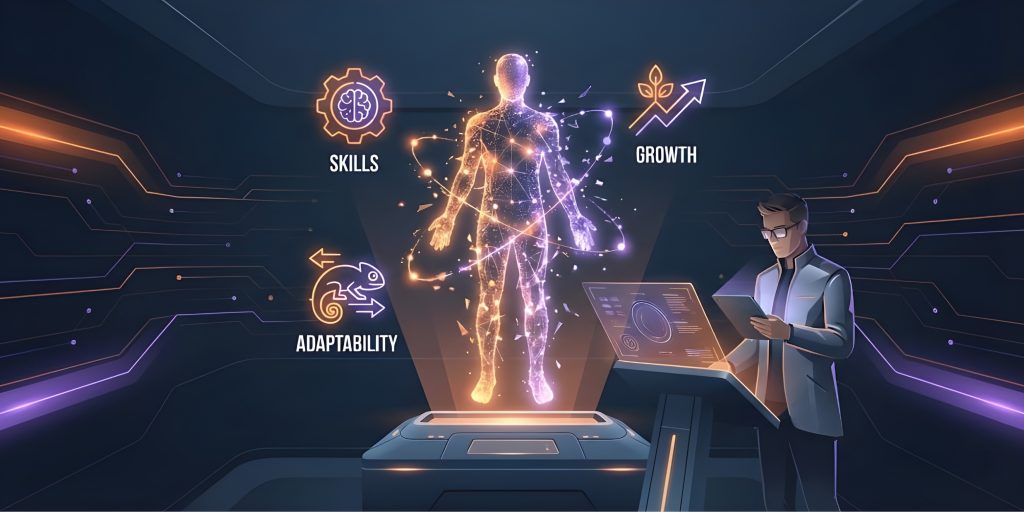
Future fit hiring is a way of choosing people based on how well they can grow and adjust over time instead of only looking at past job titles or current skills. It is built on the idea that tools can be learned, but traits like clear thinking and people skills are what help someone keep doing well as work keeps changing.
It means taking time to understand the person, not just the role. With fit recruitment, you look at how someone thinks, learns and fits into where the company is going. That way, you build a team that can handle change without losing its footing.
Why Traditional Hiring No Longer Works
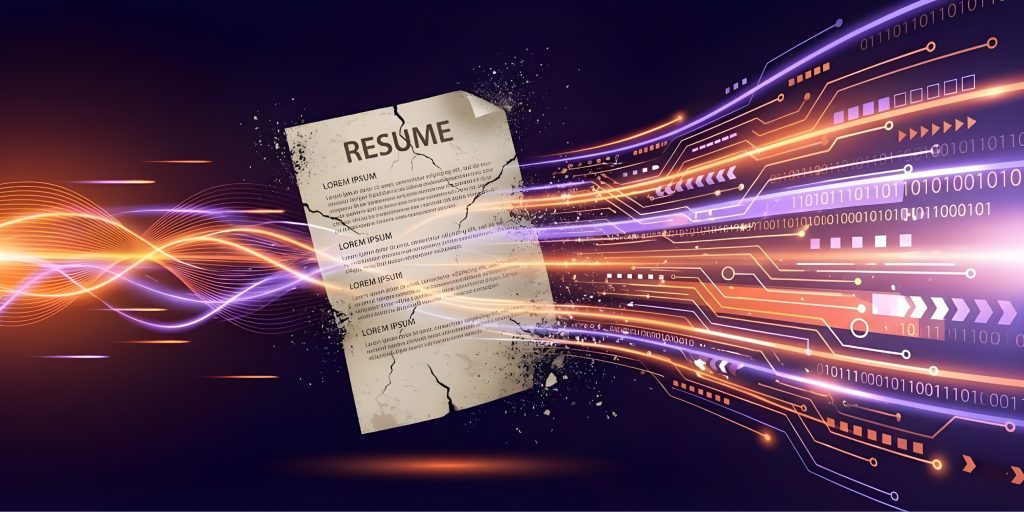
The old habit of judging people only by their resumes does not work as well anymore because skills change faster than they once did. Studies show that many learned skills stay useful for only about five years and in technical roles, they fade even faster. This means someone hired only for what they know today may struggle to keep up, not long after they start.
Furthermore, traditional hiring often relies on “pedigree,” such as where someone went to school or their previous “Big Corp” titles, which are poor predictors of success in agile environments. According to a report, only 16% of new hires possess all the skills they need for both their current role and their future career development. Relying on the old way creates a rigid workforce unable to handle the complexities of the modern era.
Future Fit Hiring vs. Traditional Hiring
| Feature | Traditional Hiring | Future Fit Hiring |
| Focus | Past Experience | Future Potential |
| Evaluation | Resumes & Interviews | Assessments & Behavioral Mapping |
| Requirement | Specific Degrees/Titles | Adaptability & Learning Agility |
| Outcome | Short-term Task Completion | Long-term Organizational Growth |
| Strategy | Reactive (Fill a gap) | Strategic workforce planning |
Traditional hiring is a look in the rearview mirror, while the future-ready approach is a panoramic view of the road ahead. By moving toward future recruitment, companies stop hiring for a fixed point in time and start hiring for a journey.
Hiring Battle Arena
Core Traits of Future-Fit Candidates
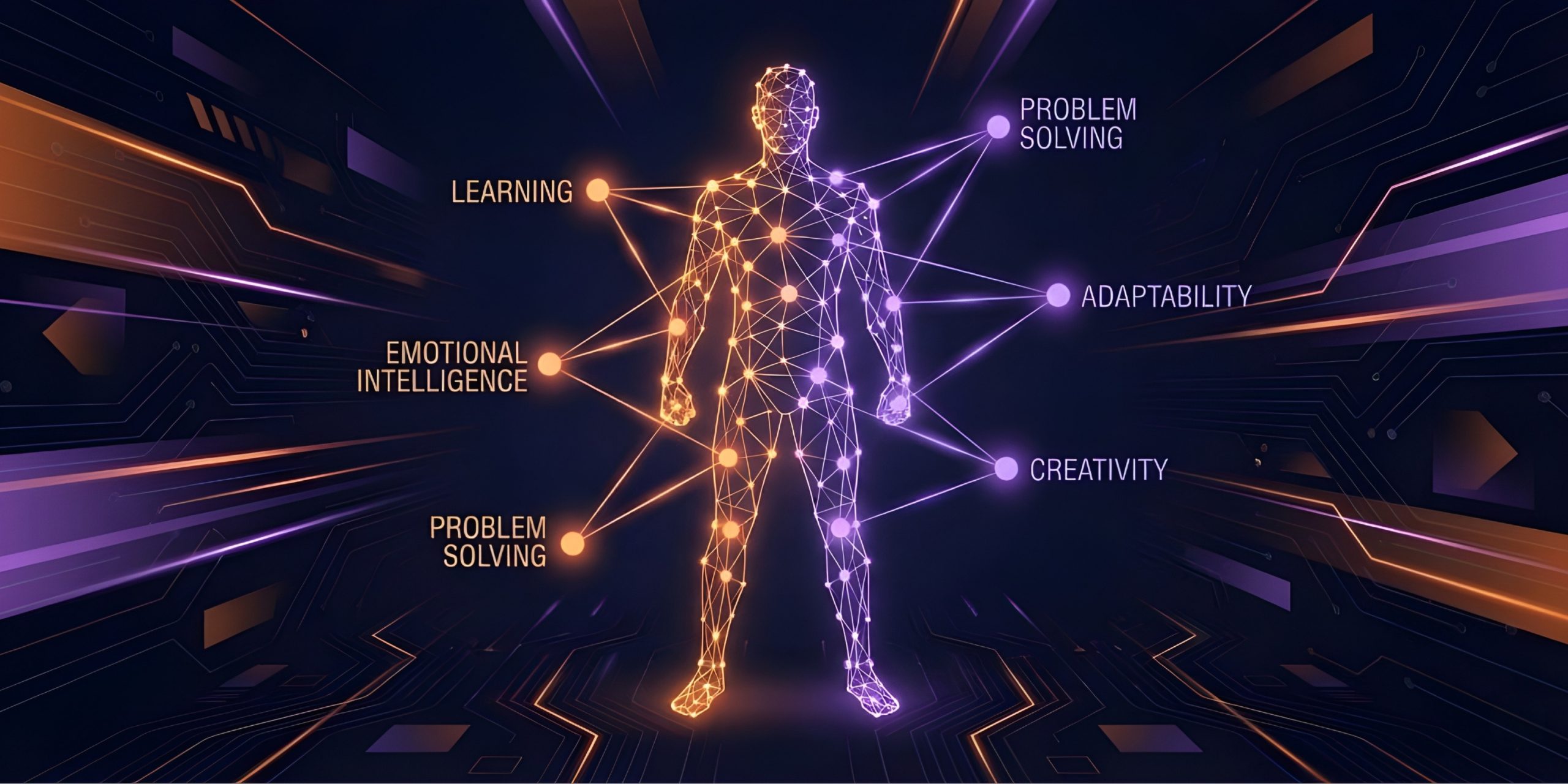
When you want people who will last in a role, then some personal traits matter more than technical skills. The best ones see challenges as chances to learn something new instead of something to fear.
Key traits include:
- Learning Agility: The skill to pick up new ideas fast and let go of old ones when they no longer work.
- Emotional Intelligence (EQ): This is about knowing how to read people, handle your own reactions and keep things calm when working with others.
- Cognitive Flexibility: Being able to switch between different thinking styles or handle multiple complex concepts simultaneously.
- Problem-Solving: Going beyond simple directions and finding real ways to fix deeper issues.
How to Implement Future Fit Hiring (Step-by-Step)
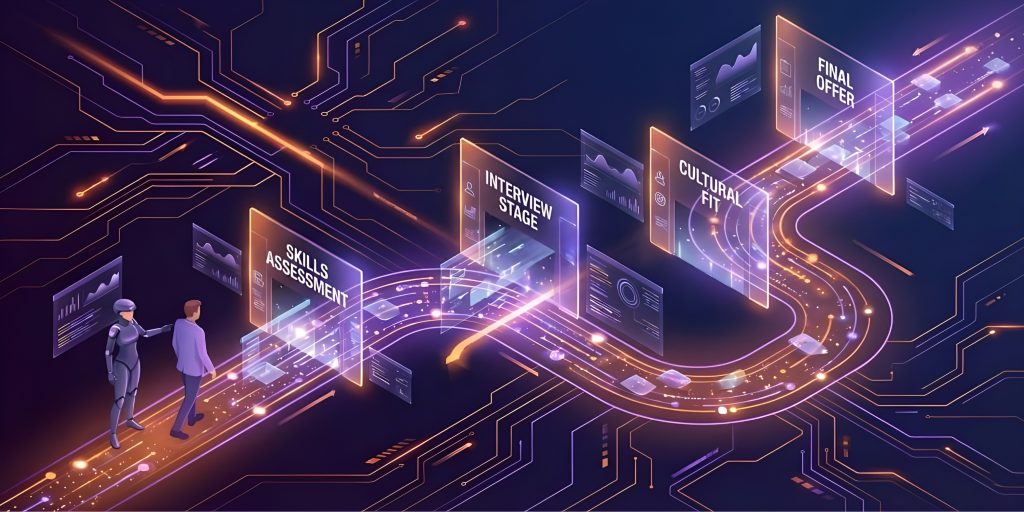
Redefine Job Descriptions
While learning how to write a job description, move away from a long list of “must-have” years of experience. Instead, focus on the outcomes the role needs to achieve and the competencies required to get there.
Use Objective Assessments
Have people take short tests that show how they think and solve problems. With real-time hiring analytics, you can quickly see how their results compare to the people who already do well on your team.
Behavioral Interviewing
Inquire with questions that require candidates to demonstrate how they handled change or learned a completely new skill under pressure.
Incorporate Potential-Based Scoring
Create a scorecard that weights “learning agility” as heavily as “technical expertise.”
Audit for Bias
Ensure your process does not accidentally favor candidates from specific backgrounds, as future fit talent can come from anywhere.
Hiring Mission Builder
Benefits of Future Fit Hiring
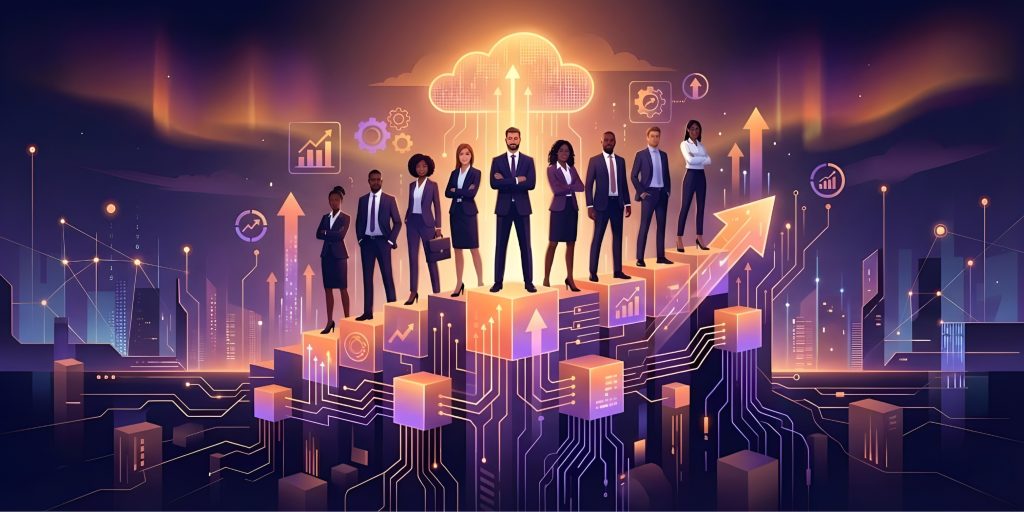
Adopting this method leads to a more robust bottom line. Companies that prioritize potential over pedigree often see a significant reduction in “mis-hires.” A World Economic Forum report says that by 2025, nearly 50% of people at work will have to pick up new skills as tech keeps changing how jobs are done. Hiring people who are already primed for reskilling saves immense training costs.
Additionally, it fosters a more diverse and inclusive environment. Instead of demanding long years at big name companies, give people who learned on their own or switched careers a real chance, since they often bring new ideas and different ways of thinking.
Team Stability Simulator
Common Mistakes Companies Make
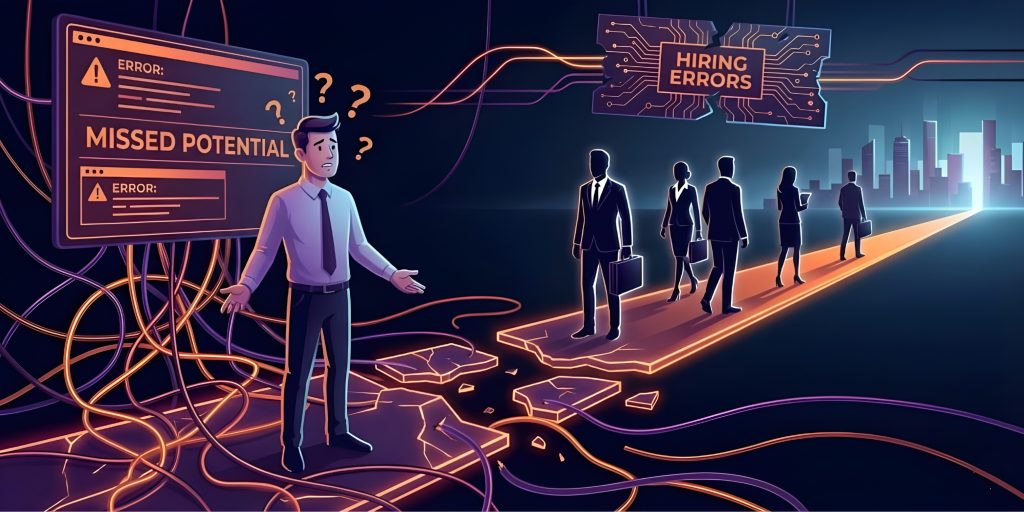
One of the main mistakes is not linking hiring to workforce planning and analytics. Many teams rush to fill roles to solve today’s problems without thinking about where the company is headed in a few years.
Another mistake is focusing too much on fitting in instead of adding something new. When teams hire only people who think the same way, fresh ideas get lost. Many companies also forget to refresh their onboarding, even though people who are ready to grow need a place that supports learning from day one.
Hiring Trap Game
How AI Enables Future Fit Hiring
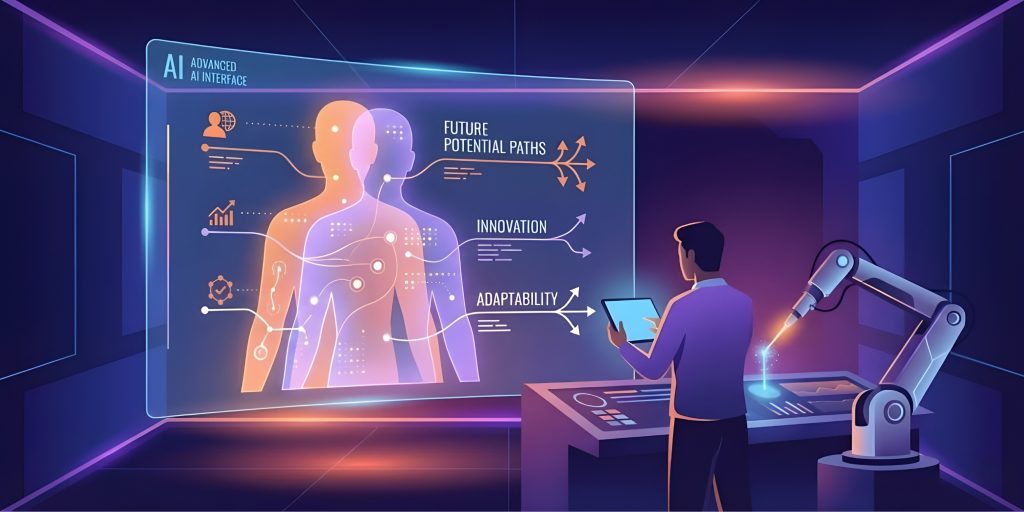
Artificial Intelligence has revolutionized how we identify potential. New AI tools can look at a person’s work history and spot signs that they adapt well, even when those details are easy for a human recruiter to miss. This is a cornerstone of modern future recruitment strategies.
AI-driven platforms can also simulate “day-in-the-life” scenarios. This can test how a candidate reacts to unexpected challenges in real-time. By removing subjective human bias from the initial screening, AI ensures that the most capable candidates and not just the best networkers, make it to the final interview stage.
Potential Detector
Conclusion
Building a team that can handle change is no longer optional in today’s shaky economy. When you move toward future fit hiring, you put your time and money into people who can grow and keep up with whatever comes next.
If you are ready to modernize your team, then start by auditing your current interview questions and looking for that spark of curiosity and resilience. The future belongs to those who can learn, and your hiring process should reflect that.
FAQs