


TL;DR
- Recruitment screening helps you shortlist the right candidates before interviews.
- It checks skills, experience, and job fit without wasting time.
- A strong screening process in recruitment reduces hiring delays and improves quality.
- Tools like ATS platforms, tests, and application screening filters make decisions faster.
- Adding AI screening for culture fit supports fair and consistent evaluations.
Hiring feels hard when every job post attracts dozens or hundreds of applications. Many look promising on the surface, but once you start digging, you realize most don’t match the role. This slows your team down and leaves you unsure who should move forward. This is where recruitment screening becomes the real difference between hiring fast and hiring well.
The good news is that a precise screening flow makes everything easier. Once you know what to check, how to compare applicants, and which tools to use, the rest becomes smooth. In this guide, you’ll learn the screening process meaning, how to avoid common mistakes, and simple steps to build a strong system that picks the right people from the start.
What Is Recruitment Screening?

Recruitment screening is the stage where you filter and shortlist job applicants before interviews. It helps you understand what does screening mean in job application steps and gives you a clear picture of who deserves to move forward. Recruiters look at work history, skills, education, and early signals of job fit. For many companies, this also includes tests, phone screens, or short assignments.
Screening helps clarify what is a screening for a job by breaking it into manageable steps. You review the resume for core requirements, confirm the candidate’s basic qualifications, and identify any red flags that could slow hiring later. Recent data show that employers now receive an average of about 242 applications per job, roughly three times as many as in 2017, so early filtering is essential for saving time and improving quality.
Many companies combine applicant screening with structured tools such as skills tests. Skills-based hiring has grown significantly, with 81 percent of employers now using some form of skills-based hiring to find talent and reduce mis-hires. This makes structured assessments a key part of early recruitment screening for many teams.
Why Recruitment Screening Matters

Good screening in recruitment helps you avoid rushed decisions and costly hiring mistakes. A strong screening flow helps teams stay consistent and fair by applying the same criteria to all applicants. This not only improves job match but also reduces bias. Adding methods like blind resume screening allows companies to focus on skills instead of personal details that may unintentionally influence decisions.
Screening also makes hiring faster. When teams bring structure to interviews and use simple tools to support recruitment screening, they save a lot of time. One interview-intelligence study found that structured, tech-supported interviews can save up to 50 percent of interviewer time, helping teams reach the offer stage much faster.
Finally, screening protects teams from placing candidates into roles where they struggle. This reduces turnover and increases retention because people start in jobs that match their skills.
The Recruitment Screening Process (Step-by-Step)

A strong screening process in recruitment keeps hiring smooth and helps your team stay aligned. Here’s how most companies break it down:
Review Applications
During application screening, recruiters check resumes, cover letters, and work samples. The first goal is to understand what does screening mean on a job application from the employer’s side. You look for must-have skills, experience level, certifications, and any clear deal-breakers. At this point, you remove unqualified profiles and highlight promising ones.
Initial Screening
The next stage is the initial screening, which often includes a phone call or short questionnaire. This step helps confirm basic information, availability, salary expectations, and communication style. It is a quick way to see if the candidate can move to the more detailed stages.
Skills and Job Fit Tests
Tests help remove guesswork. Many companies use skill assessments, personality tests, or work samples to compare candidates based on real performance rather than assumptions.
Shortlisting
After reviewing results, recruiters create a final shortlist. This is where screening candidates gets more selective. You compare top profiles based on clear criteria and send the best ones to hiring managers.
Move to Interviews
Once your shortlist is ready, candidates move to interviews. By this stage, your manual recruitment screening has already removed mismatches, saving hiring teams time. Interviewers now meet people who are more likely to succeed.
Screening Methods Used by Recruiters

Recruiters use different methods depending on the job type, industry, and hiring needs. Here are the most common ones.
Resume and Profile Screening
This includes reviewing resumes, cover letters, and portfolios. It helps clarify the screening process meaning for beginners who want to understand why this step exists. Recruiters check qualifications, work patterns, and required skills. Tools like ATS platforms speed up applicant screening by highlighting keywords and matching skills.
Skills Assessments
These tests check real ability rather than guessing. They include problem-solving tasks, writing exercises, role-play prompts, or industry-specific challenges. Many companies now use ethical hiring practices such as blind resume screening, to reduce unconscious bias and keep selection focused on skills.
Phone or Video Screening
A short conversation helps confirm personality fit, communication, and work readiness. It also allows recruiters to understand what the screening process is like from the applicant’s perspective. This step is where early red flags appear, such as unclear expectations or mismatched goals.
AI-Based Screening Support
Modern platforms assist with pattern recognition, fairness checks, and AI screening for culture fit, helping teams compare applicants more consistently. AI tools also speed up the review process by sorting large volumes of applications.
Background and Verification Checks
Depending on the role, some companies run education checks, work history verification, or reference calls. This step usually takes place before the final interview or after a conditional offer.
Common Screening Mistakes (and Fixes)
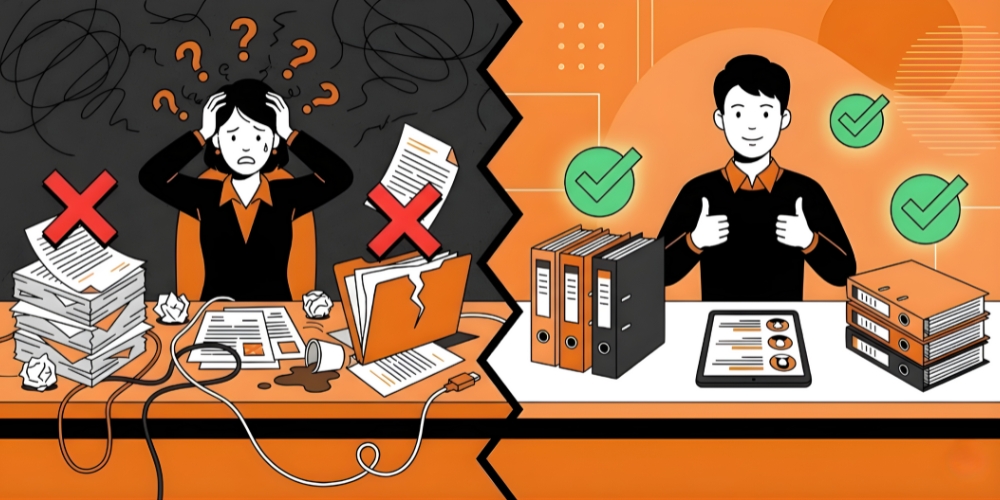
Even strong teams run into screening mistakes. The good news is that they’re easy to fix once you know what to watch for.
Overlooking Qualified Candidates
Sometimes good applicants get filtered out because the criteria are too strict. This happens when job descriptions include every “nice to have.”
Fix: Prioritize must-have skills and focus on role outcomes instead of long requirement lists.
Relying Only on Resume Keywords
Basic keyword checks can overlook strong people who describe their skills in another way.
Fix: Mix a quick resume check with small tasks and clear screening questions to get a more balanced view of each candidate.
Unclear Evaluation Criteria
If every recruiter follows their own way of doing things, results become uneven and hard to compare.
Fix: Have everyone use the same score sheet so the team agrees on what strong performance should look like.
Not Using Tools That Improve Speed
Manual work slows everything down, mainly when a role attracts many applications. Without the right tools, teams spend too much time sorting profiles and juggling tasks which leads to delays and missed opportunities.
Fix: Use tools that help organize applications, highlight firm profiles, and reduce repetitive work so the team can focus on real decision-making.
Skipping the Culture Fit Layer
Skills are important for the job, but people thrive longer when their way of working and their values fit well with the team.
Fix: Add a few simple questions that show how a person works day to day and how they get along with others on a team.
Conclusion
A strong recruitment screening process helps you hire faster, stay organized, and improve job matches from the start. When you follow the proper steps and use simple tools, screening becomes a precise, repeatable system rather than guesswork. Every stage brings you closer to candidates who are a good fit for the job and want to grow with your company. With consistent criteria, structured assessments, and clear communication, you build a smoother hiring journey for everyone involved.